MSC Shipmanagement and Hong Kong Shipowner Fined $1.75 Million Over Illegal Discharges by MSC Samira III
Logistics News
 15-Sep-2026
On August 28, local time, the U.S. Department of Justice announced that MSC Shipmanagement Limited and Hong Kong-based shipowner Hong Kong Spirit Shipping and Trading Limited had each pleaded guilty to violating the U.S. Act to Prevent Pollution from Ships (APPS). The case involved illegal discharges of oily bilge water from the container ship MSC Samira III and false or inaccurate entries in the vessel’s Oil Record Book. The two companies were fined a combined $1.75 million and each sentenced to four years of probation. The case concerned violations committed aboard the vessel between June 2024 and January 2025.
Key Highlights
• Penalties: MSC Shipmanagement and the Hong Kong shipowner were fined a combined $1.75 million and each sentenced to four years of probation.
• Illegal discharges: MSC Samira III illegally discharged oily bilge water and maintained inaccurate entries in its Oil Record Book.
• Philadelphia inspection: The violations came to light during an inspection at the Port of Philadelphia, with investigators focusing on the vessel’s pollution-control equipment and records.
MSC Samira III Made Illegal Discharges and Maintained Inaccurate Records
According to the U.S. Department of Justice, between June and September 2024, members of MSC Samira III’s engine department used a portable pump and hoses to discharge oily bilge water into the sea, bypassing the vessel’s oily water separator. They were also accused of feeding fresh water into the separator’s oil content monitor, preventing the equipment from accurately measuring the discharge. The discharges were not properly recorded in the vessel’s Oil Record Book as required. The Department of Justice determined that these actions violated the U.S. Act to Prevent Pollution from Ships.
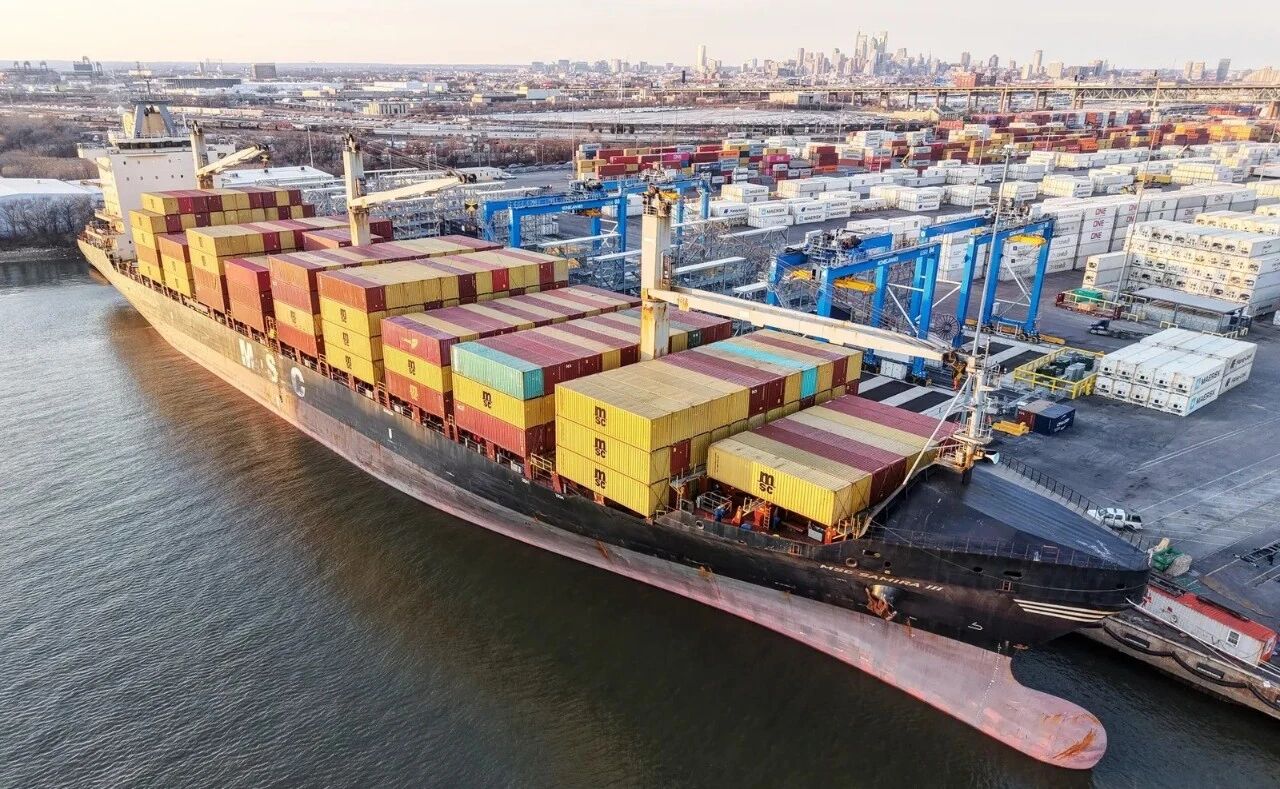
MSC Samira III
Irregularities Found During Philadelphia Port Inspection Prompt U.S. Coast Guard Investigation
The violations were not discovered when the discharges occurred but came to light after the vessel entered a U.S. port. In January 2025, MSC Samira III called at the Port of Philadelphia twice and underwent inspections by the U.S. Coast Guard. Crew members presented the vessel’s Oil Record Book, but inspectors identified discrepancies between the records and actual operations, prompting a further investigation.
Publicly available information shows that the vessel was detained for three days on January 9 after deficiencies were identified during an inspection. When it returned to Philadelphia on January 27, it was detained for another 13 days over the pollution violations.
What Are U.S. Port Inspectors Focusing on Following the $1.75 Million Penalty?
MSC Shipmanagement Limited and Hong Kong Spirit Shipping and Trading Limited each pleaded guilty to two APPS charges. The two companies were fined a combined $1.75 million and each sentenced to four years of probation. Mikhail Tsurikov, the vessel’s second engineer, had previously pleaded guilty to related charges.
For international liner vessels calling at U.S. ports, the significance of this case extends beyond the size of the fine. It highlights the need for consistency between the operation of pollution-control equipment, the handling of oily bilge water, and entries in the Oil Record Book. Material discrepancies between actual operations and official records may lead to vessel detention, investigation, and penalties.
Vessels scheduled to call at U.S. ports should therefore verify in advance that their pollution-control equipment is operating properly and that their Oil Record Books and supporting documents are complete and consistent. The case does not mean that every vessel entering a U.S. port will face similar penalties, but it demonstrates that failures involving environmental compliance or record accuracy can result in enforcement action during U.S. port state control inspections.
Sources and Disclaimer
Sources include the U.S. Department of Justice, the U.S. Coast Guard, The Maritime Executive, and other publicly available shipping information. This article is provided solely for reference by the international logistics and freight forwarding industry. Specific requirements remain subject to the latest notices issued by the relevant authorities and companies.

Last
27,500-TEU Container Ships Back in Focus: Which Carrier Is Best Positioned to Deploy Them-Maersk, MSC or COSCO SHIPPING?
The container shipping industry may be reassessing how large its vessels can become. Shipping consultancy Alphaliner recently revi

Next
Strait of Hormuz Traffic Remains Low as Trump Says War Will End After November Midterms
Shipping activity through the Strait of Hormuz remained subdued on September 9, local time. Kpler data showed that approximately s
