Samsung Seeks USD 186 Million from CMA CGM in FMC Complaint Covering 121,000 Charges
Logistics News
 9-Sep-2026
Samsung Electronics America has filed a complaint with the U.S. Federal Maritime Commission (FMC) against CMA CGM, seeking reparations of at least USD 186 million. According to publicly available FMC documents, the long-running dispute involves U.S. inland transportation, demurrage and detention (D&D), rail storage, and cargo release. The case, Docket No. 26-12, is now before the FMC. Samsung’s allegations and the amount claimed remain subject to the Commission’s review and determination.
Key Highlights
• USD 186 million claim: Samsung has filed an FMC complaint against CMA CGM seeking at least USD 186 million.
• Disputed charges: The case involves approximately 121,000 charges, mainly related to D&D and rail storage.
• Other complaints: Samsung has previously filed similar complaints against several other ocean carriers.
What Charges Are at the Centre of the USD 186 Million Claim?
According to Samsung’s complaint, the dispute mainly concerns charges incurred between 2020 and 2023. Samsung is seeking approximately USD 148 million for demurrage, detention, and rail storage charges, along with around USD 8.1 million in additional operational and mitigation costs. It is also claiming approximately USD 30 million in prejudgment interest. Samsung said the dispute covers approximately 121,000 individual charges.
The charges arose amid congestion across U.S. ports, rail networks, and inland transportation systems during the pandemic. Large numbers of containers remained at ports and inland facilities, causing D&D and rail storage charges to accumulate rapidly. Samsung and CMA CGM subsequently held discussions over responsibility for the transportation arrangements and related charges, but the dispute remained unresolved. Samsung ultimately filed a formal complaint with the FMC.
This is not the first time Samsung has sought relief from the FMC over pandemic-era container charges. It has previously filed similar complaints against ZIM, SM Line, Wan Hai Lines, COSCO, HMM, OOCL, and other carriers. Some of those cases have resulted in rulings, settlements, or other resolutions. The complaint against CMA CGM forms part of Samsung’s continuing effort to recover the disputed transportation charges.
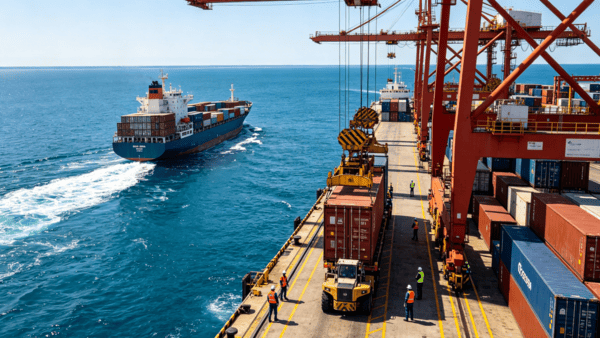
How Did “Store Door” Become Merchant Haulage?
Another key issue is the difference between the originally agreed “Store Door” service and the arrangements ultimately used. “Store Door” generally means that the carrier arranges inland transportation from the port to the final delivery location. Under merchant haulage, the shipper arranges some or all of the inland transportation.
In its complaint, Samsung cited a shipment from Busan, South Korea, to The Colony, Texas. After the cargo was discharged at the Port of Long Beach, the inland haulage arrangement changed. Samsung alleges that CMA CGM’s change to the arrangement resulted in additional costs, including rail storage charges, and is seeking compensation. CMA CGM, meanwhile, maintains that the transportation plan had changed and that the rail storage charges remained unpaid.
The central issue is therefore not simply whether the D&D charges were excessive, but which party should bear the charges incurred at ports, rail facilities, and during inland transportation after the haulage arrangement changed. For cargo moving under Store Door services, responsibility for inland transportation and any costs arising from subsequent changes may become key points of dispute.
Who Will Ultimately Bear the Disputed Charges?
The case has entered the FMC’s administrative process, but this does not mean that CMA CGM has been found to have violated the U.S. Shipping Act or that it must pay USD 186 million. Samsung’s allegations and claims remain subject to adjudication. Neither the final liability nor the amount of any award has been determined.
For shippers and freight forwarders using Store Door services in the United States, the case highlights the importance of clearly defining responsibility for transportation and related charges. For intermodal shipments involving ports, rail, and trucking, any change to the haulage arrangement, pickup arrangements, or responsibility for inland transportation should be confirmed promptly. Transport notices, bill of lading terms, invoices, and relevant correspondence should also be retained to help establish responsibility if disputes arise over D&D, rail storage, or other charges.
The dispute between Samsung and CMA CGM remains pending before the FMC. The eventual ruling will determine whether Samsung’s USD 186 million claim succeeds and may also influence how similar disputes over pandemic-era transportation charges are handled. For U.S. import shipments, responsibility for Store Door delivery, D&D charges, and inland transportation arrangements remains an important issue to monitor.
Sources and Disclaimer
Sources include the U.S. Federal Maritime Commission, The Loadstar, Seatrade Maritime, and other publicly available shipping industry information. This article is provided for informational purposes only for the international logistics and freight forwarding industry. Case details and procedural developments remain subject to the latest disclosures from the FMC and the companies involved.
Last
MSC Introduces Two New Surcharges Totaling USD 91 per TEU from September 15
MSC will introduce two new surcharges on shipments from Asia to selected destinations in the eastern Mediterranean and Black Sea.

Next
Maersk Joins 'Pink Corridor' Study of Nuclear-Powered Container Route Between US and UK
The shipping industry is taking a fresh look at nuclear-powered containerships. On September 2, Lloyd’s Register (LR), Maersk, the
