U.S. 50% Tariffs on Certain Canadian Goods Take Effect, Affecting About $20 Billion Worth of Goods
Logistics News
 26-Aug-2026
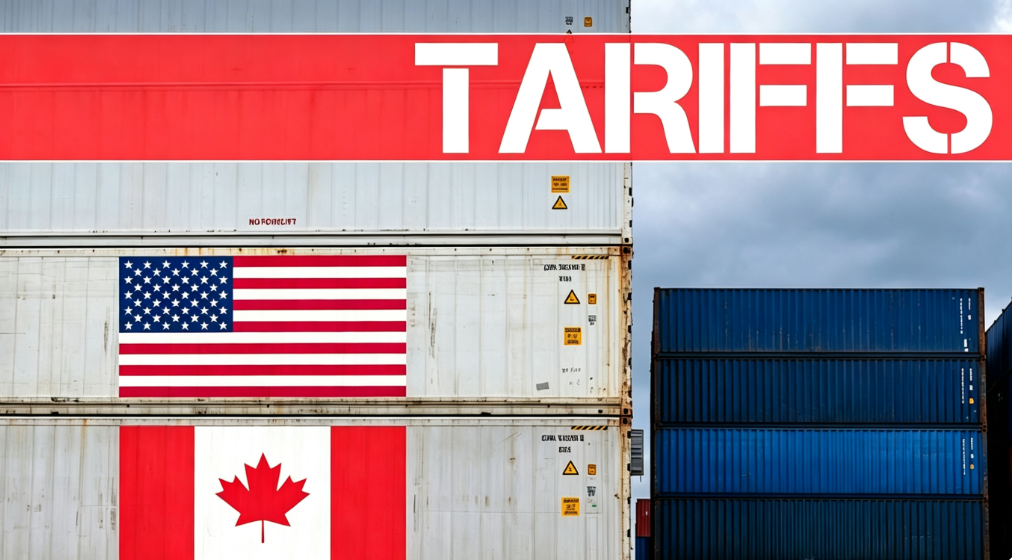
The latest round of trade negotiations between the United States and Canada failed to produce an agreement. The 50% tariffs on certain Canadian goods, originally scheduled to take effect on August 19, were postponed shortly before the deadline. On August 18, local time, Trump announced a three-day delay until August 22 to allow more time for negotiations. Trump said at the time that the two sides had reached an agreement, while Canada maintained that significant work remained. The negotiations ultimately failed to produce a final agreement during the extension, and the U.S. tariffs took effect on August 22.
Key Highlights
• Effective date: The 50% tariffs officially took effect on August 22.
• Goods affected: The measures cover approximately $20 billion worth of Canadian goods.
• Three-day delay: Trump announced a three-day postponement on August 18, but the negotiations ultimately failed to produce an agreement.
• Canadian response: Canada will impose retaliatory tariffs on certain U.S. goods beginning September 8.
• Key areas of disagreement: Automobiles, steel and aluminum, and dairy products remain major points of contention in U.S.–Canada trade negotiations.
Three-Day Extension Fails to Produce a Final Agreement
The tariffs were originally scheduled to take effect in the early hours of August 19. As the deadline approached, Trump announced a three-day delay on August 18, moving the effective date to 12:01 a.m. on August 22. The United States indicated at the time that the two sides were close to reaching an agreement. Canadian Prime Minister Mark Carney also confirmed that progress had been made but emphasized that key issues remained unresolved.
After the three-day extension passed without a final agreement, the United States allowed the new 50% tariffs to take effect. The measures apply only to certain Canadian goods exported to the United States and do not impose a blanket 50% tariff on all Canadian products. Approximately $20 billion worth of goods are affected. For Canadian exporters and U.S. importers, the potential costs under negotiation have now become additional costs payable in practice.
Why Do Automobiles, Steel and Aluminum, and Dairy Remain Sticking Points?
The implementation of the tariffs does not mean that trade negotiations between the United States and Canada have ended entirely. The two sides have been negotiating over automobile tariffs, steel and aluminum, dairy products, and market access for alcoholic beverages, but disagreements remain over several key terms.
The automotive industry is a major focus for both sides. Canada’s automotive and auto parts supply chains are closely integrated with U.S. manufacturing. If the tariffs remain in place, companies may reassess their sourcing, production arrangements, and cross-border transportation costs. Steel and aluminum and dairy products also involve major industrial interests in both countries and are therefore likely to remain central to subsequent negotiations.
Canada to Retaliate on September 8 as Tariffs Take Effect in Both Directions
Following the implementation of the U.S. tariffs, Canada also announced countermeasures. Carney said Canada would impose reciprocal tariffs on certain U.S. goods beginning September 8, covering steel, dairy products, paper, electronics, home appliances, and agricultural equipment.
This means the U.S.–Canada trade dispute has moved from unilateral U.S. tariffs to tariffs imposed by both sides. If the two countries cannot reach a new trade arrangement in the near term, the measures may continue to affect cross-border trade in automobiles, manufactured goods, agricultural products, and consumer goods. Companies that rely on North American supply chains may need to adjust their procurement, inventory, and transportation plans accordingly.
New Tariffs Could Reshape North American Cross-Border Transportation
For freight forwarders and cross-border logistics companies, the key issue is how the tariff changes will affect shipping demand. For goods exported from Canada to the United States, companies should review HS codes, country of origin, and applicable tariff rates, while checking whether customers plan to change shipment timing, order volumes, or sourcing arrangements.
If import costs rise significantly for certain goods, companies may respond by building inventory in advance, postponing orders, changing suppliers, or reallocating inventory. These changes could eventually affect North American cross-border transportation, warehousing, customs clearance, and trucking operations. Freight forwarders should keep track of customers’ shipment status and shipping plans to avoid unexpected costs or operational difficulties caused by tariff changes.
The U.S. 50% tariffs are now in effect, and Canada’s retaliatory measures are scheduled to begin on September 8. Whether the two sides resume negotiations and introduce new tariff arrangements for key industries such as automobiles, steel and aluminum, and dairy products will be important factors affecting U.S.–Canada trade and North American supply chains.
Sources
The U.S. government, Reuters, AP, and other publicly available information.
Disclaimer
Figures in this article are based on information published by the relevant organizations. This article is provided solely for industry reference. Please refer to the latest official announcements.
Last
Port of Los Angeles Handles Nearly 2 Million TEUs in Two Months as U.S. Import Peak Shifts Earlier
Latest data from the Port of Los Angeles shows that U.S. import volumes remain high. The port handled 960,464 TEUs in July 2026, i

Next
U.S.-Flagged Cargo Ship SLNC York Takes On Water, Crew Evacuated as Further Schedule Arrangements Awaited
On August 18, local time, the U.S.-flagged multipurpose cargo ship SLNC York began taking on water while sailing in the Pacific Oc
