Black Sea Shipping Risks Escalate as Bulk Carrier Is Attacked by Five Drones and Five Grain Vessels Are Targeted in a Series of Attacks
Logistics News
 21-Aug-2026
Security risks to commercial shipping in the Black Sea continue to rise. On August 17, local time, the Liberian-flagged bulk carrier Anna S was attacked by five aerial drones near Novorossiysk, Russia. The vessel caught fire and sustained serious damage, and all 21 crew members subsequently abandoned ship and were rescued. Several hours later, the Maltese-flagged bulk carrier Elina B, which had assisted in the rescue, was also attacked by drones. At least five grain vessels have recently been targeted near Novorossiysk and Tuapse, with growing Black Sea shipping risks further affecting grain transportation and port operations.
Key Highlights
• Anna S attacked: The bulk carrier was attacked by five aerial drones, and all 21 crew members were rescued.
• Assisting vessel targeted: Elina B was also attacked by drones after rescuing the crew of Anna S.
• Wheat cargo: Elina B had previously loaded approximately 56,000 metric tons of wheat.
• Multiple grain vessels targeted: At least five grain vessels have recently been attacked near Novorossiysk and Tuapse.
• Potential logistics impact: Rising security risks could affect port operations, grain exports, and transportation costs.
Why Was the Vessel Assisting in the Rescue Also Attacked?
The incident began with the attack on the bulk carrier Anna S. On August 17, while sailing approximately 20 nautical miles from Novorossiysk, the vessel was attacked by five aerial drones. The attack caused a fire and left the vessel seriously damaged. Its 21 crew members subsequently abandoned ship and were rescued by the nearby Maltese-flagged bulk carrier Elina B.
Approximately five hours later, Elina B was also attacked by two drones. Public reports indicate that the vessel had previously loaded approximately 56,000 metric tons of wheat at Novorossiysk. Although it sustained some damage in the attack, it remained operational and continued sailing toward Türkiye. The sequence of events indicates that commercial vessels face risks not only during routine navigation, but also during loading and departure operations near ports.
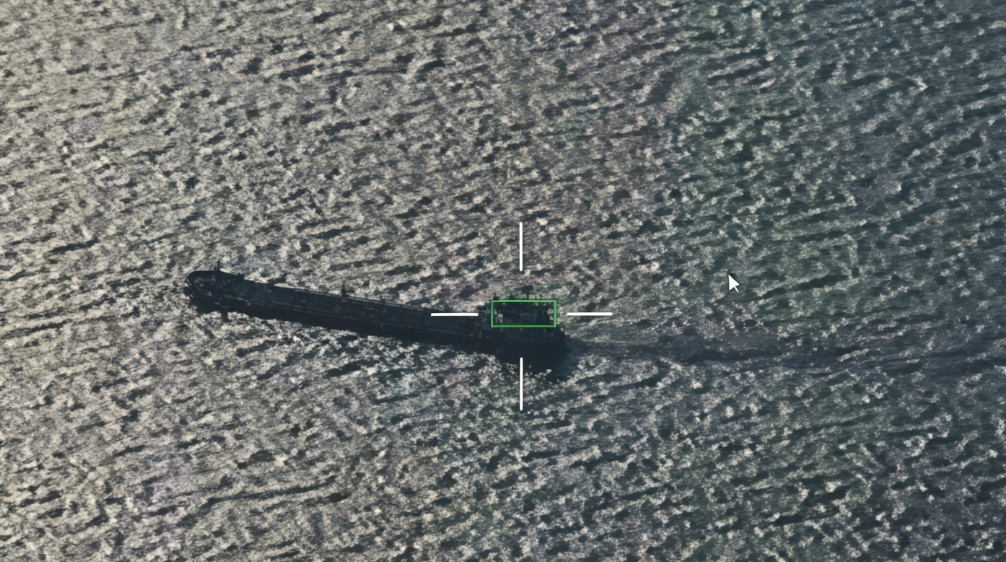
△Russian Ministry of Defence
At Least Five Grain Vessels Targeted as Black Sea Grain Transportation Comes Under Pressure
Anna S is not the only merchant vessel reported to have been attacked recently. Publicly available information indicates that at least five grain vessels have been targeted near Novorossiysk and Tuapse, with the incidents involving merchant vessels at different stages of their voyages. Russia and Ukraine have also released separate reports concerning attacks on multiple vessels and port facilities, with approximately nine reported attacks on vessels within a 24-hour period.
Some of this information has come from official channels associated with the parties involved, and not all incidents have yet been fully verified by independent sources. Nevertheless, the recent series of reported attacks on merchant vessels indicates that security risks to Black Sea shipping are rising. Novorossiysk is also a major grain export port. If port operations, vessel arrivals and departures, and cargo loading continue to be affected, grain transportation could also be disrupted.
Which Parts of the Logistics Chain Could Be Affected by Black Sea Shipping Risks?
The Black Sea is both a major regional shipping corridor and a key part of the global grain supply chain. Russia and Ukraine are major grain exporters. If security conditions in the region continue to deteriorate, the impact could extend beyond individual vessels to port operations, grain exports, marine insurance, voyage planning, and transportation costs.
For shipowners, higher risks may require more extensive voyage security assessments, additional security measures, or changes to port calls and sailing plans. Freight forwarders and trading companies could face cargo loading delays, schedule changes, disrupted port operations, and higher transportation costs. For bulk commodities such as grain, prolonged disruption at major export ports could have wider effects.
How Could Black Sea Shipping Security Develop?
Türkiye and other parties have previously sought to reduce risks to commercial shipping in the Black Sea, while the United States has also held discussions on the issue. However, the latest attacks indicate that security risks to commercial shipping have not yet eased significantly. From the attack on Anna S by five drones and the subsequent attack on Elina B to reports that at least five grain vessels have been targeted, Black Sea shipping risks remain an issue requiring continued attention from shipowners and cargo owners.
Freight forwarders handling Black Sea routes, Russian ports, or grain shipments should monitor not only carrier schedules, but also port operating conditions, whether vessels can call at ports as scheduled, and relevant insurance and security requirements. Sufficient time should also be allowed for possible voyage adjustments. Further developments in Black Sea shipping security will continue to directly affect regional grain transportation and related international logistics chains.
Disclaimer
This article is based on publicly available information. Some details of the reported attacks have yet to be independently verified. It is provided solely for reference within the international logistics and shipping industries. Information concerning specific vessels, ports, and voyage arrangements is subject to the latest notices issued by carriers and relevant authorities.
Last
Two Chinese Tanker Operators Adjust VLCC Operations: Companies Controlling Over 100 VLCCs Shift Some Loading Operations Offshore as STS Transfers Increase in the Gulf of Oman
New operating patterns are emerging in Middle East crude oil transportation. According to Reuters, two major Chinese tanker operat
Next
Hapag-Lloyd's Acquisition of ZIM Faces Further Regulatory Hurdles as Brazil Launches Full Antitrust Review, Potentially Delaying the Deal
Hapag-Lloyd’s acquisition of ZIM has encountered further regulatory hurdles, moving the closely watched shipping M&A deal into
