Hapag-Lloyd's Acquisition of ZIM Faces Further Regulatory Hurdles as Brazil Launches Full Antitrust Review, Potentially Delaying the Deal
Logistics News
 21-Aug-2026
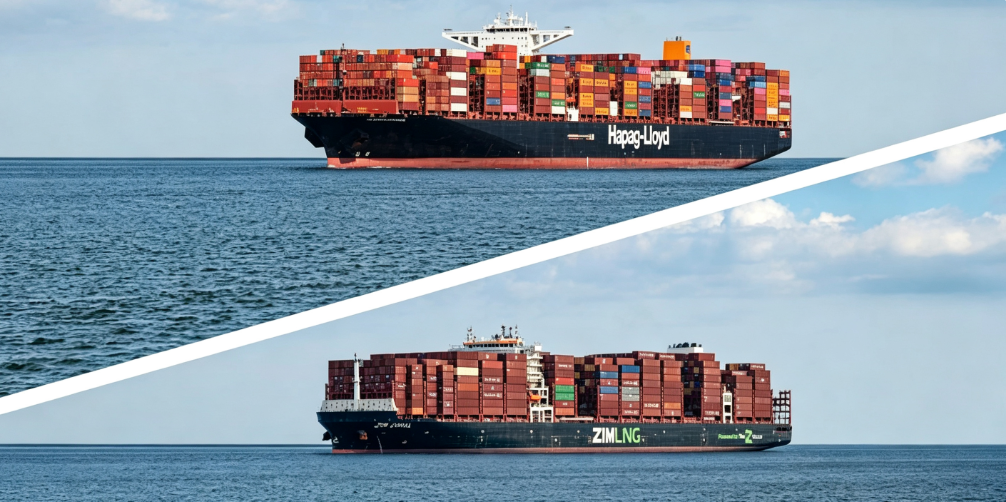
Hapag-Lloyd’s acquisition of ZIM has encountered further regulatory hurdles, moving the closely watched shipping M&A deal into a new phase of regulatory review. Brazil’s competition authority, the Administrative Council for Economic Defense (CADE), recently announced a full antitrust review of the transaction. The two companies overlap on several routes, including services involving the east coast of South America, and their combined market shares have met the threshold for further review. The deal, originally scheduled for completion by the end of 2026, could therefore be delayed.
Key Highlights
• Full antitrust review: Brazil’s CADE has launched a full antitrust review of Hapag-Lloyd’s proposed acquisition of ZIM.
• Overlapping services: The two companies overlap in several markets involving the east coast of South America.
• Possible review timeline: Brazil’s review process could continue until March 31, 2027.
• Israeli approval requirements: The transaction is also subject to special approval requirements in Israel.
• Shareholder approval: ZIM shareholders approved the transaction with 97.3% support.
• Stricter regulatory scrutiny: Consolidation among global container shipping companies is facing increasingly rigorous regulatory review.
Why Has Brazil Launched an Antitrust Review of Hapag-Lloyd’s Acquisition of ZIM?
The review is focused not simply on the combined scale of the two companies’ global operations, but on the transaction’s potential impact on competition in specific route markets. Hapag-Lloyd and ZIM currently overlap in the west coast of South America–east coast of South America, Central America and the Caribbean–east coast of South America, and North America–east coast of South America markets.
As their combined market shares in the relevant markets meet the threshold for further scrutiny, CADE has decided to conduct a more detailed review. According to reports, the process could continue until the end of March 2027. This has created further uncertainty over Hapag-Lloyd’s original plan to complete the transaction by the end of 2026.
Why Has Hapag-Lloyd’s Acquisition of ZIM Attracted Attention?
In February 2026, Hapag-Lloyd announced plans to acquire all ZIM shares for USD 35 per share in cash, valuing the transaction at more than USD 4 billion. If completed, the acquisition would further strengthen Hapag-Lloyd’s position as the world’s fifth-largest container shipping company.
For Hapag-Lloyd, the acquisition would add more than vessels and container capacity. ZIM has a strong network across the transpacific, intra-Asia, Latin American, and Atlantic markets. These services complement Hapag-Lloyd’s existing operations, and the acquisition could expand its global network coverage.
However, the two companies also compete directly in certain regional markets, which has become a key concern for regulators. The transaction could create network synergies while increasing market concentration in some markets.
What Other Approvals Does the Transaction Require?
Brazil is not the only regulatory factor affecting the transaction. The Israeli government holds a golden share in ZIM. As ZIM has strategic significance, any major change in ownership is also subject to relevant Israeli approvals.
To reduce the impact of this requirement, Hapag-Lloyd previously revised the transaction structure by bringing in Israeli private equity firm FIMI Opportunity Funds and planning to divest certain Israel-related operations. The Australian Competition and Consumer Commission approved the transaction in August, but reviews in other major markets remain ongoing.
The transaction is therefore subject to regulatory approvals in multiple markets, as well as reviews related to ZIM’s strategic status.
Can Hapag-Lloyd’s Acquisition of ZIM Still Be Completed as Planned?
The transaction has not been terminated. ZIM shareholders approved the proposal with 97.3% support, and Hapag-Lloyd continues to target completion by the end of 2026.
However, with Brazil moving to a full review, it remains uncertain whether the transaction can be completed on schedule. If the review continues until the end of March 2027, the transaction timeline may need to be revised.
In the short term, Hapag-Lloyd and ZIM will continue to operate independently, and their existing services will not change immediately while the acquisition remains pending. Over the medium to long term, freight forwarders should monitor potential route adjustments, capacity reallocation, and changes in regional market competition after the transaction is completed.
From an industry perspective, Hapag-Lloyd’s proposed acquisition of ZIM also shows that consolidation in the global container shipping market is entering a period of stricter regulatory scrutiny. Antitrust reviews of future mergers and acquisitions involving major carriers may focus more closely on specific routes, market shares, and customer choice.
Whether the transaction can be completed by the end of 2026 will depend on the progress of regulatory reviews in Brazil and other relevant markets.
Disclaimer
This article is based on publicly available information and is provided solely for reference within the international logistics and shipping industries. Updates on the transaction, regulatory approvals, and specific business arrangements are subject to the latest disclosures from Hapag-Lloyd, ZIM, and the relevant regulatory authorities.

Last
Black Sea Shipping Risks Escalate as Bulk Carrier Is Attacked by Five Drones and Five Grain Vessels Are Targeted in a Series of Attacks
Security risks to commercial shipping in the Black Sea continue to rise. On August 17, local time, the Liberian-flagged bulk carri

Next
Cargo Ship Struck by Multiple Unidentified Projectiles and Declared a Complete Constructive Loss as Red Sea Security Risks Persist
Maritime security in the Red Sea has again drawn industry attention. On August 17, local time, a cargo ship was struck by multiple
