ZIM and MSC Expand US East Coast Service: North Asia to Jacksonville in 28 Days with New Latin America and Caribbean Connections
Logistics News
 22-Jul-2026
Introduction: The US East Coast market has gained a new source of stable capacity. On July 14, the ZCP-Amberjack weekly service jointly operated by ZIM Integrated Shipping Services and Mediterranean Shipping Company (MSC) made its inaugural call at the Blount Island Marine Terminal at the Port of Jacksonville, providing a direct 28–32-day connection from North Asia to the US East Coast.
In addition to improving direct access to the southeastern United States, the service connects the US East Coast with Latin America, the Caribbean and the Mediterranean through the transshipment hubs of Cartagena and Kingston. With LNG-powered vessels deployed across the service and LNG bunkering available locally, the route offers broader coverage and greater schedule stability. It provides freight forwarders and trading companies with an additional option for US East Coast and multi-regional shipments in the second half of 2026.
I. Service Launch: ZIM and MSC Establish Regular Direct Calls at Jacksonville
On July 14, 2026, the container vessel Sapphire called at the Blount Island Marine Terminal at the Port of Jacksonville (JAXPORT), Florida, marking the launch of regular weekly calls under the ZCP-Amberjack US East Coast service jointly operated by ZIM and MSC.
As part of the two carriers’ continued cooperation on trans-Pacific services, the new port call adds capacity between China and the US East Coast and improves shipping connections from Asia to the US East Coast and Latin America.
ZIM and MSC had previously entered into slot exchange and vessel-sharing arrangements on trans-Pacific routes. The addition of Jacksonville further expands their capacity cooperation. It provides freight forwarders and exporters in China with a more flexible and reliable US East Coast shipping option, while helping address capacity constraints, limited port choices and transshipment restrictions on traditional services.
Robert Peek, Chief Commercial Officer of JAXPORT, stated that the port’s continued cooperation with ZIM and MSC and the addition of a direct Asia–US East Coast service further strengthen the logistics connection between major Asian cargo origins and the southeastern United States, providing the cross-border logistics sector with a stable and efficient shipping option.
II. Key Service Details: Fixed Weekly Calls and 28-Day Transit from North Asia to Jacksonville
The ZCP-Amberjack service operates on a fixed weekly schedule. It covers the major Chinese origin ports of Qingdao, Ningbo and Shanghai and connects with Busan, Panama, Colombia, the US East Coast and the Caribbean.
The full port rotation is as follows:
Qingdao – Ningbo – Shanghai – Busan – Manzanillo, Panama – Cartagena, Colombia – Charleston – Savannah – Jacksonville – Kingston, Jamaica – Busan
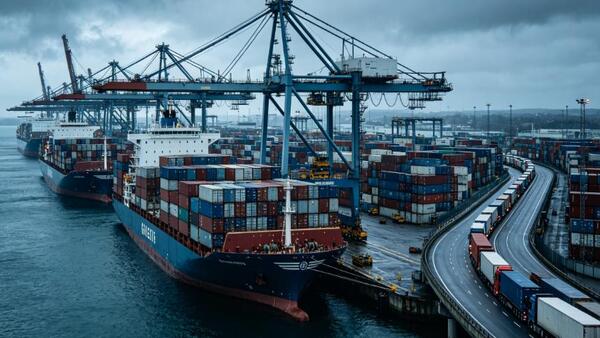
The service provides a direct transit time of approximately 28–32 days from North Asia to Jacksonville. Compared with traditional US East Coast services involving indirect transshipment, it significantly shortens ocean transit time. It is suitable for large-volume general cargo, cross-border e-commerce shipments, urgent trading orders and other time-sensitive cargoes.
III. Key Service Advantages: Connections Beyond the US East Coast to Latin America, the Caribbean and the Mediterranean
Unlike a conventional US East Coast direct service focused on a single destination region, the ZCP-Amberjack service connects Asia, the US East Coast, Latin America, the Caribbean and the Mediterranean through an integrated shipping network.
Freight forwarders can use the service to handle shipments to the United States, South America, Caribbean island markets and Mediterranean countries, reducing the need to arrange separate services for different regions and lowering operational costs.
1. Two Transshipment Hubs Extend Coverage to the West Coast of South America
Through the major transshipment hubs of Cartagena, Colombia, and Kingston, Jamaica, the service provides onward connections to markets that are less accessible through traditional services, including Venezuela, Ecuador, Peru and Guyana.
It also adds a transshipment service to Aruba, improving access to Caribbean island markets and expanding the Latin America and Caribbean shipping network.
2. Interregional Connections Provide Access to Mediterranean Markets
Through the two overseas transshipment hubs, the service also provides connections to major Mediterranean ports in Italy, Greece, Israel and Egypt.
At the same time, it strengthens ocean freight connectivity from China, Vietnam and Southeast Asia to the US East Coast and Latin American markets, allowing freight forwarders to handle shipments to multiple regions through the same service network and increasing booking flexibility.
3. LNG-Powered Vessels and Local Bunkering Support Schedule Stability
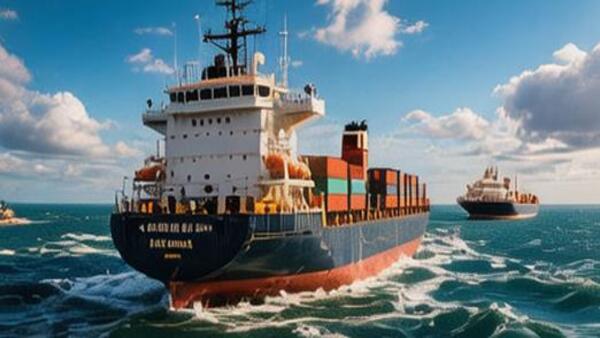
The ZCP-Amberjack service deploys LNG-powered container vessels across the route.
The Port of Jacksonville has established LNG bunkering capabilities and is one of the few major ports on the US East Coast equipped to provide these services.
As international environmental requirements for shipping continue to tighten, conventional fuel-powered vessels may face diversions, delays or service suspensions due to compliance and fuel supply issues. The combination of LNG-powered vessels and local bunkering facilities helps reduce these risks and supports the schedule stability and long-term operation of the service.
IV. Operational Alerts and Recommended Actions for Freight Forwarders: Four Practical Advantages for US East Coast Shipments
Based on the service’s port rotation, transit times and capacity structure, the following four operational advantages can help freight forwarders match shipment requirements, optimize quotations and improve customer conversion.
1. Jacksonville Provides a Gateway to the Southeastern United States
The service calls at Charleston, Savannah and Jacksonville, providing coverage across three major US East Coast ports and the main commercial markets of the southeastern United States.
Jacksonville’s more southerly location makes it a suitable entry point for cargo destined for Florida and inland markets in the southeastern United States. It can shorten final-mile trucking distances, reduce inland delivery costs and lower the risk of overland delays.
2. The Transshipment Network Supports Multiple Destination Markets
For customers shipping to the United States, Latin America, the Caribbean and the Mediterranean, the service provides access to multiple destination markets through its two main transshipment hubs.
Customers do not need to split shipments across several unrelated services or coordinate bookings with multiple carriers. This simplifies booking procedures, reduces communication costs and operational errors, and supports stronger long-term customer relationships.
3. Combined Carrier Capacity Improves Peak-Season Space Availability
The service combines the vessel capacity and slot resources of ZIM and MSC.
Freight forwarders can access booking channels through both carriers, providing greater space flexibility during the peak season and reducing exposure to capacity shortages, rolled cargo and sharp freight rate increases on US East Coast routes.
4. LNG-Powered Capacity Supports Green Supply Chain Requirements
The deployment of LNG-powered vessels provides a lower-emission and compliant ocean freight option that can support the green supply chain assessment requirements of major cross-border companies and international brand customers.
The service can therefore be included as a differentiated routing option for customers with environmental and supply chain compliance requirements.
V. Industry Summary: Long-Term Impact of the ZIM–MSC Service on US East Coast Logistics
1. Improving the US East Coast Shipping Network
The 28-day direct connection and multi-port rotation improve access to the southeastern United States and address the shortage of efficient direct services to the region.
The service also provides freight forwarders with additional peak-season capacity, helping reduce the risks associated with congestion and schedule delays at a single port while expanding US East Coast booking options.
2. Expanding from a Direct Service to a Multi-Regional Shipping Network
The main advantage of the service lies in its transshipment network, which connects the US East Coast with South America, the Caribbean and the Mediterranean.
This supports shipments involving different commodities and destinations and broadens the markets that freight forwarders can cover through the same service network.
3. LNG-Powered Capacity Strengthens Long-Term Competitiveness
The combination of LNG-powered vessels and local bunkering facilities supports environmental compliance and schedule stability.
As international shipping environmental regulations become more stringent, these advantages will become increasingly important to the service’s long-term reliability and competitiveness.
4. Carrier Cooperation Improves Peak-Season Capacity Access
The capacity and slot cooperation between ZIM and MSC allows freight forwarders to access the resources of both carriers.
This improves peak-season space availability and strengthens freight forwarders’ flexibility in rate negotiations and after-sales service.
Disclaimer: All content is based on publicly available information and is provided for industry reference only.
Last
Vessel Collision at Douala Forces Container Ship to Ground: Freight Forwarders Urged to Review General Average Exposure and Alternative Routes
Introduction: In the early hours of July 12, two vessels collided at the Port of Douala in Cameroon, West Africa. The Black Rhino,
Next
Philippines Formally Imposes Safeguard Duty on Chinese Cement as Exemption Is Withdrawn, with Guidance for Freight Forwarders and Exporters
Introduction:The Philippines has formally begun enforcing a safeguard duty on cement imported from China. In July 2026, the Philip
