LCL Shipping: A Complete Guide for Freight Forwarders
Logistics News
 28-Apr-2026
1. What is LCL Shipping?
LCL, short for Less-than-Container-Load, is a shipping method in the freight industry where multiple shippers' goods that do not fill an entire container are grouped together in one container. This approach is cost-effective for shippers who have smaller volumes of goods, as they share the container space and associated costs with other shippers. Instead of paying for an entire container, they only pay for the space their goods occupy within the shared container.
2. What are the Core Elements of LCL Shipping?
How are the Goods Consolidated?In LCL shipping, a freight forwarder or a consolidator plays a crucial role. They collect goods from various shippers, usually within a specific geographical area. These goods are then transported to a consolidation center. At the consolidation center, the goods are sorted, inspected, and carefully loaded into a container. The process requires careful planning to ensure that the goods are properly arranged to maximize space utilization and to avoid damage. For example, fragile items may be placed on top of more sturdy goods, and goods with similar characteristics may be grouped together.
Who are the Involved Parties?The main parties involved in LCL shipping are the shippers, the freight forwarder or consolidator, and the carrier. The shippers are the owners of the goods who want to transport their products. The freight forwarder or consolidator acts as an intermediary. They are responsible for collecting the goods, consolidating them, and arranging for the transportation. The carrier is the company that actually transports the container, whether by sea, land, or air.
How is the Cost Allocated?The cost in LCL shipping is calculated based on the volume or weight of each shipper's goods. The total cost of shipping the container, including transportation, handling, and other associated fees, is divided among the shippers according to the proportion of space or weight their goods occupy. For instance, if a container's total shipping cost is $1000, and a shipper's goods take up 20% of the container's volume, that shipper will be charged $200. However, it's important to note that there may also be additional charges specific to LCL shipping, such as consolidation fees, which the freight forwarder or consolidator may levy for their services.
What are the Document Requirements?Each shipper is required to provide standard shipping documents, such as a commercial invoice, packing list, and bill of lading (although in LCL, it may be a house bill of lading issued by the freight forwarder). These documents are essential for customs clearance at both the origin and the destination. They need to accurately describe the goods, including their quantity, value, and nature, to ensure smooth processing through customs.
3. How is LCL Shipping Applied in the Real-World?
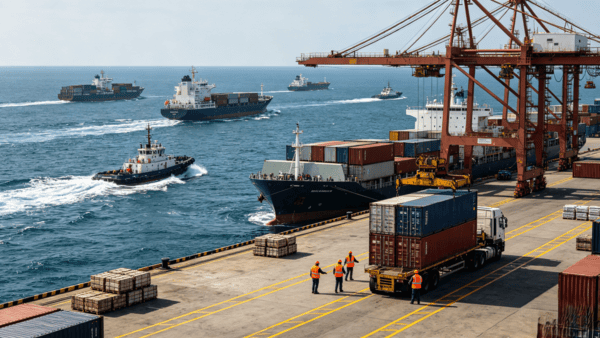
Consider a scenario where a small-scale handicraft manufacturer in Thailand has a batch of products to export to the United States. The volume of their goods is not large enough to fill a whole container. At the same time, a local food exporter in Thailand also has a small consignment of products destined for the US. A freight forwarder in Thailand collects the goods from both shippers. The handicrafts and food products are transported to a consolidation center. At the center, they are combined with other small-volume shipments from different shippers. The freight forwarder then arranges for the container to be shipped to the US. Once in the US, the container is unloaded at a de-consolidation center. The goods are sorted, and each shipper's consignment is then delivered to the respective consignees.
4. What are the Key Differences between LCL and FCL?
How Do They Differ in Terms of Transit Time?LCL shipments generally have longer transit times compared to FCL. In LCL, the container needs to be filled with goods from multiple shippers before it can be dispatched. This may involve waiting for other shipments to arrive at the consolidation center. Additionally, at the destination, the container needs to be de-consolidated, which also takes time. In contrast, FCL shipments can be dispatched more quickly as the container is ready to go once the shipper's goods are loaded.
5. What are the Common Misconceptions about LCL Shipping?
Is LCL Shipping Always Cheaper?A common misunderstanding is that LCL shipping is always cheaper. While it can be cost-effective for small-volume shippers, there are situations where it may not be the most economical option. For example, if a shipper's goods are relatively heavy or bulky, and the proportion of the container space they occupy is large, the cost per unit of volume or weight may be higher compared to FCL. Also, the additional consolidation and de-consolidation fees in LCL can add up, making it more expensive in some cases.
Are the Risks of Damage and Loss Higher in LCL?Some may think that the risks of damage and loss are higher in LCL due to multiple shippers' goods being in one container. However, with proper handling and packing, the risks can be minimized. Freight forwarders and consolidators are experienced in handling LCL shipments and take measures to ensure the safety of the goods. For example, they use appropriate packing materials and techniques to prevent goods from shifting and getting damaged during transit.
6. What is the Step-by-Step Process of LCL Shipping?
What is the First Step?The first step is for the shipper to contact a freight forwarder or consolidator. The shipper provides details about the goods, such as type, quantity, weight, volume, and the destination. The freight forwarder then provides a quote based on this information.
How are the Goods Collected?Once the shipper accepts the quote, the freight forwarder arranges for the collection of the goods from the shipper's premises. This may involve hiring a local transportation company to pick up the goods and bring them to the consolidation center.
What Happens at the Consolidation Center?At the consolidation center, the goods are received, inspected for any visible damage, and sorted according to their destination and characteristics. The goods are then carefully loaded into a container, taking into account factors like weight distribution and space utilization.
How is the Container Shipped?After the container is loaded, the freight forwarder arranges for its transportation. This may involve booking space on a vessel (in the case of sea freight), or other means of transport. The container is then shipped to the destination port.
What Happens at the Destination?Upon arrival at the destination port, the container is unloaded and taken to a de-consolidation center. The goods are sorted, and each shipper's consignment is then prepared for delivery to the respective consignees. This may involve local transportation arrangements and customs clearance procedures.
7. What are the Fees and Costs in LCL Shipping?
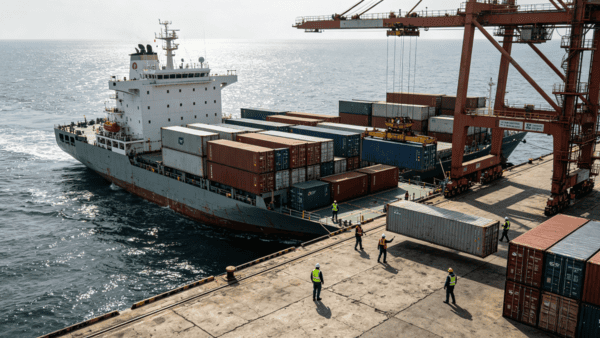
What are the Main Cost Components?The main cost components in LCL shipping include the basic freight, which is calculated based on the volume or weight of the shipper's goods. There are also consolidation fees charged by the freight forwarder or consolidator for their services in collecting, sorting, and loading the goods. Additionally, there may be handling fees at the origin and destination ports, as well as customs clearance fees. In some cases, there could be additional charges for special handling, such as for temperature-controlled goods.
How Can Shippers Manage Costs?Shippers can manage costs in LCL shipping by comparing quotes from different freight forwarders or consolidators. They can also try to optimize their packing to reduce the volume or weight of their goods. For example, using more compact packaging materials can help in reducing the space occupied in the container. Moreover, shippers can plan their shipments in advance to take advantage of off-peak rates, which may be lower.
8. What are the Expert Tips for Dealing with LCL Shipping?
Why Should Freight Forwarders Have Good Relationships with Shippers?Freight forwarders should have good relationships with shippers in LCL shipping. This allows for better communication, which is essential for ensuring that the goods are properly prepared and documented. A good relationship also enables the freight forwarder to understand the shippers' needs better and provide more tailored services. For example, if a shipper has specific requirements for packaging or delivery times, the freight forwarder can accommodate these needs more effectively.
How Can Freight Forwarders Ensure Efficient Consolidation?Freight forwarders can ensure efficient consolidation by having a well-organized consolidation center. This includes having proper storage facilities, trained staff, and an efficient sorting and loading process. They can also use advanced technology, such as inventory management systems, to keep track of the goods and ensure that the container is filled in the most space-efficient way.
Why is Customs Clearance Knowledge Important?Knowledge of customs clearance is crucial for freight forwarders in LCL shipping. Since each shipper's goods may have different customs requirements, the freight forwarder needs to ensure that all the necessary documents are in order and that the goods comply with the regulations of both the origin and destination countries. This can help in avoiding delays and additional costs at the customs.
How Can Shippers Mitigate Risks?Shippers can mitigate risks in LCL shipping by choosing a reliable freight forwarder or consolidator. They should also ensure that their goods are properly packed and insured. Additionally, shippers can stay informed about the status of their shipments and communicate promptly with the freight forwarder in case of any issues.
9. Conclusion and Key Takeaways
LCL shipping is a valuable option for shippers with small-volume goods, offering cost-effectiveness and flexibility. By understanding its core elements, real-world applications, key differences, avoiding common misconceptions, following the step-by-step process, and taking expert tips, freight forwarders can better assist shippers in LCL-based shipping transactions. Remember, a comprehensive understanding of LCL shipping is essential for successful freight forwarding operations.
To further enhance the understanding of LCL shipping, it's important to note that market trends also play a significant role. For instance, during peak seasons, the demand for LCL services may increase, leading to potential price hikes. Freight forwarders need to stay updated on such trends to offer the best possible solutions to their clients. Also, advancements in technology are gradually changing the LCL landscape. Electronic documentation and real-time tracking systems are becoming more prevalent, which not only improve the efficiency of the shipping process but also provide better visibility for all parties involved. Shippers can leverage these technological tools to monitor their goods' journey more effectively. Additionally, environmental regulations are increasingly impacting the LCL shipping industry. Freight forwarders and shippers need to be aware of these regulations to ensure compliance, which may involve using more eco-friendly packaging materials or choosing carriers with sustainable practices. This broader understanding of the LCL shipping environment can help in making more informed decisions and contributing to the long-term success of the freight forwarding business.
LCL shipping not only serves as a cost-effective solution for small-and medium-sized enterprises but also contributes to the overall efficiency of the global supply chain. It allows for the seamless movement of diverse goods, fostering international trade at various scales. For freight forwarders, mastering LCL shipping means being well-versed in a complex web of operations, from precise cost calculations to meticulous handling of multiple shippers' needs. Staying attuned to industry changes, regulations, and customer expectations is key to thriving in the LCL-focused freight forwarding domain.
In addition, geopolitical factors can influence LCL shipping. Trade policies, tariffs, and international relations between countries can impact the flow of goods and the cost of LCL services. For example, new trade agreements might lead to changes in customs procedures or preferential treatment for certain types of goods. Freight forwarders need to closely monitor these geopolitical developments to navigate potential challenges and opportunities. They can help shippers adapt to such changes by providing timely advice on alternative shipping routes, adjusting documentation requirements, or finding cost-effective ways to comply with new regulations.
Moreover, the growth of e-commerce has significantly increased the demand for LCL shipping. With more small-scale online businesses engaging in international trade, the need for cost-efficient shipping solutions like LCL has become more pronounced. Freight forwarders can capitalize on this trend by developing specialized services tailored to the e-commerce sector. This could include offering faster transit times, more flexible delivery options, and better integration with online marketplaces' logistics systems. By understanding the unique requirements of e-commerce shippers, such as quick inventory replenishment and reliable last-mile delivery, freight forwarders can enhance their competitiveness in the LCL market.
Finally, the quality of the workforce in LCL shipping operations is of utmost importance. Well-trained employees at the consolidation and de-consolidation centers can ensure that goods are handled with care, reducing the risk of damage. They should be proficient in proper packing techniques, inventory management, and the use of modern handling equipment. Additionally, customer-facing staff, such as sales representatives and customer service agents, need to have in-depth knowledge of LCL services to effectively communicate with shippers, answer their queries, and address any concerns. Investing in employee training and development can lead to improved service quality, customer satisfaction, and ultimately, the long-term success of the LCL shipping business.
Last
Customs Clearance Process: A Comprehensive Guide for Freight Forwarders
1. What is the Customs Clearance Process?The customs clearance process refers to the series of procedures and formalities that goo
Next
Container Types: A Comprehensive Exploration for Freight Forwarders
1. What are Container Types?Container types refer to the various standardized units designed to facilitate the transportation of d
