Container Types: A Comprehensive Exploration for Freight Forwarders
Logistics News
 28-Apr-2026
1. What are Container Types?
Container types refer to the various standardized units designed to facilitate the transportation of different kinds of cargo across multiple modes of transport, including sea, land, and air. These units come in diverse shapes, sizes, and features to meet the specific requirements of different goods.
2. Core Elements Explained
What are the Different Designs of Container Types?
Standard Dry Container:The standard dry container is the most commonly used. It has a rectangular, fully-enclosed structure with double-doors at one end. This design protects general cargo from environmental factors like rain, dust, and humidity during transit. Its walls are usually made of steel, providing durability for long-distance shipping.
Refrigerated Container (Reefer):Refrigerated containers are engineered for perishable goods. They have an insulated body, often made with polyurethane foam, to minimize heat transfer. A built-in refrigeration unit, powered by electricity, diesel, or a combination, allows for precise temperature control. This is crucial for maintaining the quality of goods like fresh produce, pharmaceuticals, and frozen foods.
Open-Top Container:Open-top containers, as the name implies, have a removable top. This feature enables the loading of oversized or tall cargo that cannot fit through the standard container doors. The sides and ends are similar to those of a standard dry container, offering protection to the cargo from the sides.
Flat-Rack Container:Flat-rack containers have an open-sided and flat-topped design. They are ideal for shipping large, irregularly shaped items or out-of-gauge cargo. The flat-top and open-sides make it easy to load and unload using cranes or forklifts, and the strong frame can support heavy loads.
How Do Sizes of Container Types Vary?
20-foot Container (20-TEU):The 20-foot equivalent unit (TEU) is a fundamental measurement. A standard 20-foot container has external dimensions of about 20 feet (6.1 meters) in length, 8 feet (2.44 meters) in width, and 8 feet 6 inches (2.59 meters) in height. Its internal cubic capacity is around 33 cubic meters, and it can typically carry a maximum payload of approximately 28,000 kilograms, depending on construction and regulations.
40-foot Container (40-TEU):A 40-foot container is twice as long as a 20-foot container, with an external length of 40 feet (12.2 meters), a width of 8 feet (2.44 meters), and a height of 8 feet 6 inches (2.59 meters). Its internal cubic capacity is around 67 cubic meters, and it can handle a payload of up to about 26,000 kilograms. It is suitable for large-volume, lightweight cargo.
40-foot High-Cube Container (40HQ):The 40-foot high-cube container is taller, with a height of 9 feet 6 inches (2.9 meters). This extra height gives it a larger cubic capacity of around 76 cubic meters. It is well-suited for bulky, lightweight items such as furniture, textiles, and some consumer goods. Despite the increased volume, its payload capacity is similar to that of a standard 40-foot container due to structural considerations.
What about the Load-bearing Capacities of Different Container Types?
Standard Dry and Refrigerated Containers:Standard dry containers are designed to carry substantial weights. A 20-foot dry container can usually handle around 28,000 kilograms, while a 40-foot one may have a slightly lower capacity, around 26,000 kilograms, to account for the longer length and potential stress. Refrigerated containers, however, have a lower payload capacity. The additional weight of the refrigeration unit and insulation reduces the amount of cargo they can carry. For example, a 20-foot reefer may have a payload capacity of around 24,000 kilograms.
Open-Top and Flat-Rack Containers:Open-top containers generally have a similar load-bearing capacity to standard dry containers of the same size. But when loading oversized cargo, it's essential to ensure even weight distribution and not exceed the rated capacity. Flat-rack containers are built to carry heavy-duty loads. They can support significant weights, often up to 40,000 kilograms or more, depending on the design and construction.
What Special Features Do Different Container Types Have?
Ventilation in Some Containers:Some containers, especially those for goods that produce moisture or need air circulation, have ventilation systems. For instance, containers for fresh produce may have ventilation holes or louvers. This helps prevent moisture buildup, which could lead to spoilage or damage to the cargo.
Tank Containers:Tank containers are specialized for transporting liquid or gaseous substances. They have a cylindrical tank structure within a standard container frame. Equipped with valves, fittings, and safety features, they are used for both hazardous and non-hazardous liquids and gases. These containers are subject to strict safety regulations.
Platform Containers:Platform containers are similar to flat-rack containers but have a more basic design. Consisting of a flat platform with corner fittings, they are used for extremely large or heavy items, such as construction materials like steel beams or large pipes.
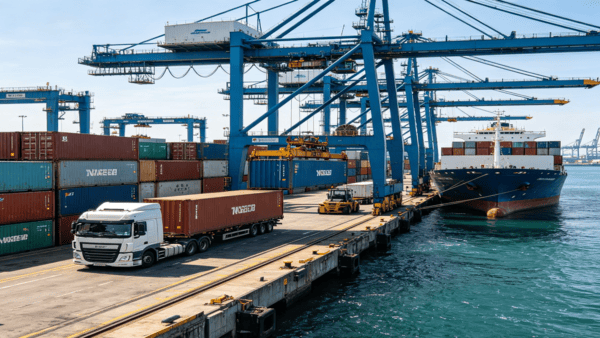
3. Real-World Application
How Are Standard Dry Containers Used in Practice?
General Merchandise Shipping:Standard dry containers are the mainstay for shipping general merchandise. A large-scale retailer in the United States might source electronics, clothing, and household items from Asia. These goods are packed into standard dry containers for the long-distance ocean voyage. The containers protect the merchandise from damage, theft, and environmental elements during transit.
E-commerce Fulfillment:With the growth of e-commerce, standard dry containers play a crucial role. An e-commerce company may receive a large shipment of products from a manufacturing hub in China and distribute them to various warehouses or customers. The standard dry container offers a cost-effective and secure way to transport these goods in bulk.
How Are Refrigerated Containers Utilized?
Fresh Produce Export:In the agricultural sector, refrigerated containers are essential for exporting fresh produce. A fruit exporter in South Africa may use reefers to ship oranges, grapes, or berries to markets in Europe. The refrigeration unit maintains a specific temperature range, slowing down the ripening process and ensuring the fruits arrive in good condition.
Pharmaceutical Transportation:The pharmaceutical industry relies on refrigerated containers to transport temperature-sensitive medications. Vaccines, for example, need to be stored and transported at specific temperatures. Refrigerated containers with precise temperature control and monitoring systems ensure the medications remain within the required temperature range throughout the transportation process.
What Are Open-Top Containers Used For?
Construction Equipment Transport:Open-top containers are frequently used to transport construction equipment. A construction company in Australia may need to move large bulldozers, excavators, or cranes to a project site in Southeast Asia. The open-top design allows the equipment to be loaded using a crane, which would be impossible with a standard closed-top container.
Oversized Machinery Shipping:Manufacturers of large machinery, like industrial presses or generators, may use open-top containers to ship their products. These machines are often too tall or wide to fit into a standard dry container. The open-top container provides the necessary space for loading and transporting these oversized items while protecting them from the elements during transit.
When Are Flat-Rack Containers the Preferred Choice?
Heavy-Duty Industrial Goods:Flat-rack containers are the go-to for shipping heavy-duty industrial goods. A mining company in South America may ship large pieces of mining machinery, such as crushers or conveyor belts, to a processing plant in another country. The flat-rack container can support the weight of the machinery, and its open-sided design enables easy loading and unloading.
Out-of-Gauge Cargo:For out-of-gauge cargo, such as large wind turbine blades, flat-rack containers are the most suitable. These blades are typically too long and wide to fit into a standard container. The flat-rack container allows for the transportation of these irregularly shaped items, with the cargo often secured to the frame using straps or chains.
4. Common Misconceptions
Can One Container Type Fit All Cargo Needs?
A common misunderstanding is that one container type can be used for all types of cargo. In reality, each container type is designed to meet specific cargo requirements. Using a standard dry container for perishable goods without proper temperature control will likely result in spoilage. For example, shipping fresh fish in a non-refrigerated container would lead to rapid decomposition, causing significant losses. In practice, freight forwarders should always assess the nature of the cargo first before choosing a container type.
Do All Containers of the Same Size Have Identical Capacities?
There is a misconception that all containers of the same nominal size have the same actual capacity. In fact, different manufacturers may have slight variations in dimensions, and the internal space can be affected by the thickness of the container walls and any additional fixtures. For instance, a 40-foot container from one manufacturer may have a slightly different internal cubic capacity compared to another due to differences in wall thickness or the design of the corner posts. It is advisable for freight forwarders to always check the exact dimensions and capacity details provided by the container supplier.
Are Special-Feature Containers Always Necessary?
Some freight forwarders may assume that special-feature containers are always required for certain types of cargo, without considering alternative solutions. For example, while a refrigerated container is necessary for most perishable goods, in some cases, if the transportation time is short and the ambient temperature is suitable, using a well-insulated dry container with ice packs may be a cost-effective alternative for less temperature-sensitive items. However, this should be carefully evaluated based on the specific requirements of the cargo. We recommend that freight forwarders weigh all options and consider factors such as transportation time, cost, and the sensitivity of the cargo before making a decision.
5. Step-by-Step Process
How to Select the Right Container?
Assess the Cargo:The first step is to thoroughly assess the nature of the cargo. Determine whether it is dry, perishable, oversized, heavy-duty, or has any special requirements. If it's dry, a standard dry container may be sufficient. For perishable goods, a refrigerated container is essential. Once the cargo type is determined, consider the dimensions and weight of the cargo to match it with the appropriate container size and load-bearing capacity.
Consider the Route and Mode of Transport:Take into account the route and mode of transport. If the cargo will be transported by sea, the container must be suitable for ocean shipping, meeting the standards and regulations of the shipping lines. If there are multiple modes of transport involved, such as sea-rail-road, ensure that the container can be easily transferred between different carriers. For example, some inland transportation may have restrictions on the height or width of the container.
Check for Availability and Cost:Check the availability of the required container type. During peak seasons, certain container types may be in short supply. Also, consider the cost implications. Different container types have different rental or purchase costs, as well as associated maintenance and operational costs. For example, refrigerated containers are more expensive to rent and operate due to the refrigeration system.
How to Inspect the Container?
Exterior Inspection:Before loading, conduct a thorough exterior inspection of the container. Look for any signs of damage, such as dents, holes, or rust. Check the doors for proper alignment and functionality. Make sure the seals are intact and undamaged. A damaged container may not provide adequate protection for the cargo during transit.
Interior Inspection:Inspect the interior of the container. In the case of a dry container, check for any signs of moisture, such as water stains or mold. For refrigerated containers, verify that the refrigeration unit is working properly. Check the temperature settings and ensure that the insulation is in good condition. Any issues with the interior of the container can affect the quality of the cargo.
Documentation Check:Review the container's documentation. Ensure that it has the necessary certificates and approvals, especially for special-feature containers. For example, a tank container used for transporting hazardous liquids should have the appropriate safety and regulatory certifications.
How to Load the Container?
Load Planning:Develop a load plan to ensure the efficient use of the container space and the proper distribution of weight. For standard dry containers, load the heavier items at the bottom and the lighter items on top. In the case of an open-top container, ensure that the oversized cargo is properly centered and secured to prevent it from shifting during transit. For refrigerated containers, arrange the perishable goods in a way that allows for proper air circulation around the items.
Use of Loading Equipment:Use the appropriate loading equipment. For heavy-duty cargo, cranes or forklifts may be required. Ensure that the equipment is in good working condition and that the operators are trained to handle the specific type of container and cargo. For example, when loading a flat-rack container with large machinery, the crane operator needs to be skilled in maneuvering the load onto the container and securing it properly.
Safety Precautions:Follow all safety precautions during the loading process. Use straps, chains, and other securing devices to hold the cargo in place. Make sure that the container is not overloaded, as this can pose a safety risk during transportation. For example, overloading a container can cause structural damage to the container and the transportation vehicle, and may also lead to accidents on the road or at sea.
How to Seal and Document the Shipment?
Sealing the Container:After loading, seal the container. Use a high-quality seal that is tamper-evident. The seal number should be recorded accurately, as it will be used to verify the integrity of the container during transit. In some cases, electronic seals may be used, which can provide real-time monitoring of the container's status.
Documentation Completion:Complete all the necessary documentation. This includes the bill of lading, packing list, and any special certificates required for the cargo or the container. Ensure that the information on the documentation is accurate and matches the actual cargo loaded in the container. For example, the description of the cargo, the quantity, and the weight should be clearly stated on the bill of lading.
6. Fees and Costs
What Are the Cost Components Related to Different Container Types?
Rental Fees:Rental fees for containers vary depending on the type, size, and rental duration. Standard dry containers generally have a lower rental cost compared to specialized containers. According to industry reports from Armstrong & Associates, the average daily rental fee for a standard 20-foot dry container might range from $3-$8, while a 20-foot refrigerated container could cost $15-$30 per day. The higher cost of reefer containers is due to the more complex technology and maintenance requirements of the refrigeration unit. Open-top and flat-rack containers may also have slightly higher rental fees, around $5-$10 per day for a 20-foot unit, because of their specialized design and potential for more limited availability.
Purchase Costs:If a freight forwarder decides to purchase a container, the cost also differs by type. A new standard 20-foot dry container can cost approximately $2,000-$3,500, while a 40-foot dry container may be priced between $3,500-$5,000. Refrigerated containers are significantly more expensive, with a new 20-foot reefer costing around $10,000-$15,000, mainly due to the high-cost refrigeration system. Open-top and flat-rack containers are priced in a similar range to standard dry containers of the same size, but may be slightly more expensive depending on the manufacturer and additional features.
Maintenance and Repair Costs:Maintenance and repair costs are another important aspect. Standard dry containers typically require less maintenance, mainly consisting of periodic inspections for rust, dents, and door-related issues. The annual maintenance cost for a standard dry container might be around $200-$500. Refrigerated containers, on the other hand, need more frequent maintenance to ensure the proper functioning of the refrigeration unit. This can include checking the refrigerant levels, inspecting the compressor, and maintaining the insulation. The annual maintenance cost for a reefer could be $1,000-$2,000. Open-top containers may have additional costs related to the removal and reinstallation of the top, and flat-rack containers may require more attention to the integrity of the frame, with maintenance costs in the range of $300-$800 per year.
Fuel and Power Costs (for Refrigerated Containers)For refrigerated containers, fuel and power costs are significant. If the reefer is powered by diesel during transportation, the fuel consumption can vary depending on the age and efficiency of the refrigeration unit, as well as the ambient temperature. On average, a refrigerated container may consume around 1-3 liters of diesel per hour. If the container is connected to an electrical power source, the power consumption needs to be factored in. For example, during a long-distance ocean voyage, the fuel or power cost for a refrigerated container can amount to several hundred dollars.
7. Expert Tips
What Should Freight Forwarders Keep in Mind?
Stay Informed About Industry Changes:Freight forwarders should stay updated on industry trends and changes related to container types. New technologies may emerge, such as more energy-efficient refrigeration systems for reefers or improved materials for container construction. For example, the development of new insulation materials can enhance the performance of refrigerated containers, reducing energy consumption and potentially lowering costs. By staying informed, freight forwarders can make more informed decisions when choosing container types for their clients.
Build Relationships with Container Providers:Building strong relationships with container providers is crucial. A good relationship can lead to better rental rates, priority access to containers, especially during peak seasons, and more flexible terms. For instance, a freight forwarder who has a long-standing relationship with a container leasing company may be able to secure a last-minute container during a busy shipping period when others are struggling to find one. Regular communication with providers can also help in getting early notice of any price changes or new container models.
Conduct Regular Training for Staff:It is advisable to conduct regular training for staff on handling different container types. This includes proper loading and unloading procedures, inspection techniques, and knowledge of special features. For example, employees need to be trained on how to operate the refrigeration unit of a reefer container correctly, and how to identify potential issues during the inspection of an open-top or flat-rack container. Well-trained staff can help prevent cargo damage, ensure compliance with regulations, and improve overall operational efficiency.
Evaluate Cost-Benefit for Each Shipment:For every shipment, freight forwarders should carefully evaluate the cost-benefit of using a particular container type. This involves considering not only the direct costs such as rental, purchase, and maintenance but also the potential savings in terms of cargo protection and transportation efficiency. For example, using a more expensive refrigerated container may be cost-effective if it ensures the safe delivery of high-value perishable goods, avoiding losses due to spoilage.
8. Conclusion and Key Takeaways
In conclusion, container types are a fundamental aspect of international freight transportation. The diverse range of container types, each with its unique design, size, load-bearing capacity, special features, and associated costs, is tailored to meet the specific needs of different cargoes. From the standard dry containers that dominate general merchandise shipping to the specialized refrigerated, open-top, and flat-rack containers used for specific types of goods, understanding these container types is essential for freight forwarders.The process of selecting, inspecting, loading, and managing the costs of containers requires careful consideration and attention to detail. By avoiding common misconceptions, following a systematic step-by-step process, and taking expert tips into account, freight forwarders can ensure the safe, efficient, and cost-effective transportation of goods. In the highly competitive and complex world of international shipping, a thorough understanding of container types is an invaluable asset for freight forwarders to meet the demands of their clients and stay ahead in the market. Container types are indeed a key factor that freight forwarders must master to succeed in their operations.
Last
LCL Shipping: A Complete Guide for Freight Forwarders
1. What is LCL Shipping?LCL, short for Less-than-Container-Load, is a shipping method in the freight industry where multiple shipp
Next
Telex Release Bill of Lading: Simplifying Sea Freight Transactions
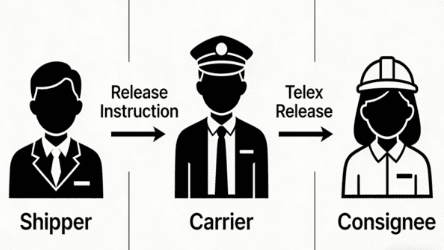
1. What is a Telex Release Bill of Lading?A telex release bill of lading is a type of bill of lading where the carrier, upon recei
