Breaking Barriers: How One-Stop Sea-Rail Solutions Reduce Costs and Increase Efficiency
Freight Solutions
 21-May-2026
In the complex landscape of global freight forwarding, Sea-Rail Intermodal has emerged as a transformative solution to address the inefficiencies and high costs that often plague international shipping. As supply chains become more interconnected and demand for reliable, cost-effective transport grows, forwarders are increasingly turning to integrated sea-rail services to streamline operations and deliver better value to their clients.
What Is Sea-Rail Intermodal, and Why Does It Matter for Forwarders?
Sea-Rail Intermodal is an integrated multimodal transport solution that combines maritime shipping and rail freight to move cargo from origin to destination. It leverages the strengths of both modes—maritime’s global reach and rail’s cost-efficiency for inland transport—while mitigating their individual limitations, offering a seamless alternative to single-mode transport.
The Relevance of Sea-Rail Intermodal for Global Forwarders
For global freight forwarders, the value of Sea-Rail Intermodal extends far beyond mere transport diversification. In an era marked by frequent supply chain disruptions—from port congestion to labor shortages—this integrated approach provides a level of resilience that single-mode shipping often cannot match. According to UNCTAD 2025 data, Sea-Rail Intermodal volumes have grown by 9.2% annually since 2023, outpacing the 5.7% growth of global maritime freight alone, a trend that underscores its growing significance in international logistics.
Adaptability of Sea-Rail Intermodal Across Cargo Types
Forwarders should note that Sea-Rail Intermodal is not a one-size-fits-all solution, but its adaptability makes it suitable for a wide range of cargo types, including bulk commodities, full container load (FCL), less than container load (LCL), and high-value goods. Unlike standalone maritime shipping, which can be hindered by port berthing delays, or standalone rail freight, which has limited global connectivity, the combination of both modes creates a network that is both extensive and efficient.
This adaptability is particularly valuable for forwarders serving clients in landlocked regions or those seeking to bypass congested hub ports. For example, forwarders managing shipments to Central Asia can leverage Sea-Rail Intermodal to connect Chinese ports with inland rail networks, avoiding lengthy and costly road transit.
A Common Misconception About Sea-Rail Intermodal
A common mistake is for forwarders to view Sea-Rail Intermodal as a niche option rather than a core component of their service portfolio. With global trade volumes projected to grow by 3.8% in 2026 (WTO 2025 forecast), the demand for reliable, cost-effective transport solutions will only intensify. Forwarders that embrace Sea-Rail Intermodal early can gain a competitive edge by offering more flexible, resilient services to their clients.
How Do One-Stop Sea-Rail Solutions Address Forwarders’ Key Pain Points?
One-stop Sea-Rail Intermodal solutions consolidate all aspects of the transport process—from booking and documentation to cargo tracking and last-mile delivery—into a single, streamlined service. This integration directly addresses the inefficiencies that plague traditional multimodal shipping, where forwarders must coordinate with multiple carriers and intermediaries.
The Challenges of Coordinating Separate Sea and Rail Services
Forwarders often face a range of challenges when coordinating separate sea and rail services, including disjointed communication between ocean carriers and rail operators, complex documentation requirements, and difficulty tracking cargo across multiple modes. These challenges not only increase operational costs but also raise the risk of delays and errors, which can damage client relationships and erode profit margins.
How One-Stop Solutions Eliminate These Pain Points
One-stop solutions eliminate these pain points by providing a single point of contact for all transport-related tasks. Instead of coordinating with multiple carriers, forwarders work with a single provider that manages the entire Sea-Rail Intermodal process, from container stuffing at the origin to delivery at the destination. This reduces administrative burden, minimizes communication gaps, and ensures greater visibility into cargo status throughout the journey.
The recommended approach is for forwarders to partner with providers that offer end-to-end Sea-Rail Intermodal services, including integrated booking systems, real-time tracking tools, and dedicated customer support. According to Drewry 2025 data, forwarders using one-stop Sea-Rail solutions report a 25% reduction in administrative time and a 19% decrease in cargo delay incidents compared to those using separate sea and rail services.
Addressing Cost Unpredictability with Transparent Pricing
Another key pain point addressed by one-stop solutions is cost unpredictability. Traditional multimodal shipping often involves hidden fees—such as port handling charges (PHC), rail transfer fees, and documentation fees—that can add up quickly. One-stop Sea-Rail providers typically offer transparent pricing structures, with all costs included in a single quote, allowing forwarders to provide more accurate estimates to their clients and avoid unexpected expenses.
What Cost Savings Can Forwarders Achieve with Sea-Rail Intermodal?
Sea-Rail Intermodal delivers tangible cost savings for forwarders and their clients by optimizing transport routes, reducing fuel consumption, and minimizing unnecessary cargo handling and storage expenses. These savings are not just incremental but can significantly impact a forwarder’s bottom line, especially in a market where profit margins are increasingly tight.
Fuel Cost Savings: A Key Advantage of Sea-Rail Intermodal
One of the most significant cost savings comes from reduced fuel costs. Rail freight is far more fuel-efficient than road transport, and when combined with maritime shipping, it eliminates the need for long-haul road journeys that are both costly and environmentally unfriendly. According to the Shanghai Shipping Exchange 2025 data, Sea-Rail Intermodal reduces fuel consumption by an average of 40% compared to road-maritime combinations, translating to lower fuel costs for carriers and, ultimately, lower rates for forwarders and their clients.
Reduced Cargo Handling Costs
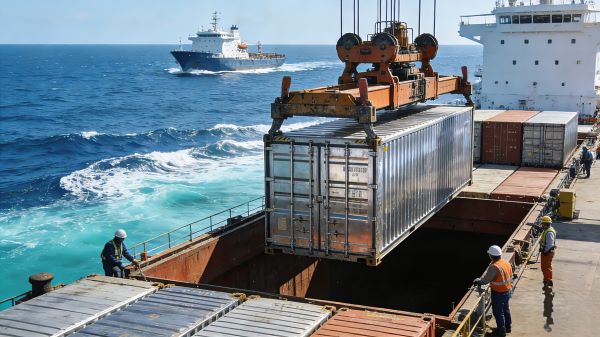
Forwarders should note that the cost savings from Sea-Rail Intermodal are not limited to fuel. The integrated nature of the service also reduces cargo handling costs. When goods are transported via separate sea and rail services, they often need to be unloaded and reloaded multiple times—once at the port, again at the rail yard, and possibly at intermediate points. Each handling increases the risk of damage and adds to the overall cost.
One-stop Sea-Rail solutions minimize handling by using standardized ISO containers that can be seamlessly transferred between ships and trains (a process known as “intermodal transfer”), reducing handling costs by up to 27% (Drewry 2025). This not only cuts costs but also lowers the risk of cargo damage, further reducing financial losses for forwarders.
Long-Term Savings from Reduced Delays and Damage
A common mistake is for forwarders to focus solely on upfront transport costs and overlook the long-term savings from reduced delays and damage. According to Freightos Baltic Index (FBX) 2025 data, cargo delays in traditional multimodal shipping cost forwarders an average of $1,350 per container, while damage incidents add another $850 per container. Sea-Rail Intermodal reduces delay and damage rates by 19% and 24% respectively, leading to significant long-term savings.
The Recommended Approach to Cost Analysis
The recommended approach is for forwarders to conduct a comprehensive cost analysis that includes not just upfront transport fees but also hidden costs such as handling, storage, delays, and damage. By doing so, they can fully realize the cost-saving potential of Sea-Rail Intermodal and pass these benefits on to their clients, enhancing their competitive position in the market.
How Does Sea-Rail Intermodal Improve Operational Efficiency for Forwarders?
Operational efficiency is critical for forwarders, as it directly impacts client satisfaction, operational costs, and profit margins. Sea-Rail Intermodal improves efficiency by streamlining processes, enhancing cargo visibility, and reducing reliance on multiple carriers and intermediaries.
Simplified Documentation: A Time-Saving Benefit
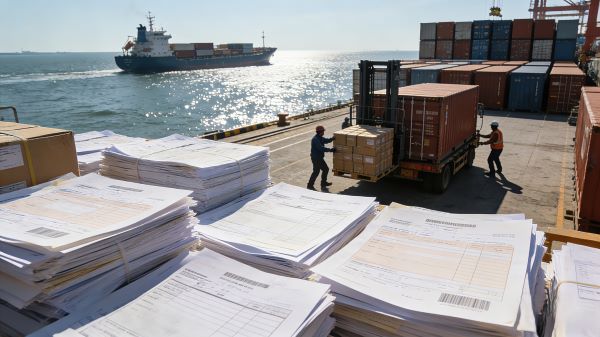
One of the key efficiency gains comes from simplified documentation. Coordinating separate sea and rail services requires forwarders to manage multiple sets of documentation—including bills of lading (B/L), rail waybills (RWB), customs declarations, and inspection certificates. This not only takes time but also increases the risk of errors, which can lead to delays and additional costs.
One-stop Sea-Rail solutions consolidate all documentation into a single, standardized package, often using electronic documentation (e-docs) to further streamline the process. According to UNCTAD 2025 data, this consolidation reduces administrative time by up to 32% for forwarders.
Enhanced Cargo Visibility: A Competitive Differentiator
Cargo visibility is another area where Sea-Rail Intermodal delivers significant efficiency improvements. Traditional multimodal shipping often leaves forwarders and their clients in the dark about the status of their cargo, with limited tracking capabilities across different transport modes. One-stop Sea-Rail providers offer real-time tracking tools that allow forwarders to monitor cargo from origin to destination, providing updates on location, status, and estimated arrival times (ETA).
Forwarders should note that improved visibility not only enhances operational efficiency but also allows them to provide better customer service. Clients increasingly expect real-time updates on their cargo, and forwarders that can deliver this visibility are more likely to retain clients and win new business. According to a 2025 survey by the International Federation of Freight Forwarders Associations (FIATA), 81% of shippers prioritize real-time cargo tracking when choosing a forwarder, making this a critical competitive advantage.
Leveraging Advanced Tracking Technologies
The recommended approach is for forwarders to partner with Sea-Rail providers that offer advanced tracking technologies, such as GPS-enabled containers and cloud-based tracking platforms. These tools not only improve visibility but also allow forwarders to proactively address potential issues—such as delays or route disruptions—before they impact the client.
Reduced Reliance on Intermediaries
Another efficiency benefit of Sea-Rail Intermodal is reduced reliance on intermediaries. Traditional multimodal shipping often involves multiple carriers, freight brokers, and agents, each adding a layer of complexity and cost. One-stop solutions eliminate the need for these intermediaries, allowing forwarders to work directly with a single provider that manages the entire transport process. This not only streamlines operations but also reduces the risk of miscommunication and errors.
What Steps Should Forwarders Take to Implement Sea-Rail Intermodal Successfully?
Implementing Sea-Rail Intermodal effectively requires forwarders to take a strategic approach, from selecting the right partner to training their team and educating their clients. The following steps outline a practical roadmap for successful implementation.
Choose a Reputable One-Stop Sea-Rail Provider: Select a provider with a proven track record in Sea-Rail Intermodal, strong partnerships with both ocean carriers and rail operators, and a comprehensive service offering. Look for providers that offer integrated booking systems, real-time tracking, and dedicated customer support to ensure a seamless experience.
Conduct a Cargo and Route Analysis: Evaluate your clients’ cargo types, origins, and destinations to determine which shipments are best suited for Sea-Rail Intermodal. For example, bulk commodities and containers traveling between landlocked regions and major ports are often ideal candidates. Analyze routes to identify potential bottlenecks and ensure the provider can offer reliable connections, including access to key intermodal terminals.
Train Your Team on Sea-Rail Processes: Ensure your team understands the nuances of Sea-Rail Intermodal, including documentation requirements, tracking procedures, and potential challenges (such as intermodal transfer delays). Provide training on the provider’s systems and tools to ensure they can effectively manage the service and address client questions.
Educate Your Clients on the Benefits: Many clients may be unfamiliar with Sea-Rail Intermodal or skeptical of switching from traditional transport modes. Educate them on the cost savings, efficiency gains, and resilience benefits of the service, using case studies and data to support your claims.
Monitor and Optimize Performance: Once implemented, regularly monitor the performance of your Sea-Rail Intermodal service, tracking key metrics such as on-time delivery rates, cost savings, and client satisfaction. Use this data to identify areas for improvement and work with your provider to optimize routes and processes.
Avoiding Common Implementation Mistakes
A common mistake is for forwarders to rush into implementing Sea-Rail Intermodal without conducting proper research or training. This can lead to operational issues, client dissatisfaction, and missed cost-saving opportunities. Taking the time to follow these steps will ensure a smooth transition and maximize the benefits of the service.
Treating Implementation as an Ongoing Process
Forwarders should note that successful implementation is an ongoing process, not a one-time event. As global supply chains evolve and client needs change, it is important to regularly reassess your Sea-Rail strategy and make adjustments as needed. This may include expanding to new routes, adopting new technologies, or partnering with additional providers to enhance service coverage.
What Future Trends Will Shape Sea-Rail Intermodal for Forwarders?
The future of Sea-Rail Intermodal is shaped by technological advancements, regulatory changes, and shifting global trade patterns, all of which will have a significant impact on how forwarders use this service in the coming years.
Digitization: Streamlining Intermodal Processes
One of the most significant trends is the digitization of Sea-Rail Intermodal processes. From digital booking systems to blockchain-enabled documentation and electronic data interchange (EDI), technology is streamlining operations and enhancing visibility. According to UNCTAD 2025 data, digitalization of multimodal transport processes can reduce administrative time by up to 42% and decrease error rates by 37%. Forwarders that embrace these digital tools will be better positioned to compete in an increasingly tech-driven industry.
Sustainability: A Core Client Requirement
Another key trend is the growing focus on sustainability. As governments and businesses around the world prioritize carbon reduction, Sea-Rail Intermodal is becoming an attractive option due to its lower environmental impact. Rail freight produces 78% less carbon emissions than road freight (ITC Trade Map 2025), and when combined with maritime shipping—which is already more efficient than other transport modes—it offers a more sustainable alternative to traditional multimodal shipping.
Forwarders should note that sustainability is no longer a niche concern but a core client requirement, and offering Sea-Rail Intermodal can help them meet these demands. Many shippers now include sustainability metrics in their vendor selection criteria, making it essential for forwarders to incorporate eco-friendly transport options into their service portfolios.
Incorporating Sustainability Metrics into Service Offerings
The recommended approach is for forwarders to incorporate sustainability metrics into their Sea-Rail service offerings, such as carbon emission calculations and offset options. This not only helps clients meet their sustainability goals but also differentiates forwarders in a crowded market. For example, forwarders can provide clients with a carbon footprint report for each Sea-Rail shipment, highlighting the environmental benefits compared to traditional transport modes.
Regulatory Changes: Driving Infrastructure Investment
Regulatory changes are also shaping the future of Sea-Rail Intermodal. Governments around the world are implementing policies to promote multimodal transport, including significant investments in rail and port infrastructure. For example, China’s Ministry of Transport 2025 “One Port, One Policy” Action Plan (2025–2027) aims to drive annual growth of 15% in container sea-rail intermodal volumes by 2027, with investments in port-rail connections and inland intermodal terminals across the country. This initiative is expanding service coverage across Asia and Europe, creating new opportunities for forwarders.
Forwarders should stay informed about these regulatory changes to take advantage of new opportunities and ensure compliance. This may include understanding new customs procedures for intermodal shipments or leveraging government incentives for sustainable transport.
Flexibility and Resilience: Meeting Evolving Supply Chain Needs
Finally, the growing complexity of global supply chains is driving demand for more flexible and resilient transport solutions. Sea-Rail Intermodal offers this flexibility by allowing forwarders to switch between sea and rail routes in response to disruptions, such as port congestion or geopolitical tensions. As supply chain disruptions become more frequent, forwarders that can offer this resilience will be highly valued by their clients.
How Can Forwarders Measure the Success of Their Sea-Rail Intermodal Strategy?
Measuring the success of a Sea-Rail Intermodal strategy is critical for forwarders to ensure they are realizing the full benefits of the service and making informed decisions about future investments. The following key performance indicators (KPIs) can help forwarders track progress and identify areas for improvement.
Cost Savings: Track the difference in costs between Sea-Rail Intermodal and traditional transport modes for similar shipments. This includes upfront transport fees, handling costs, storage fees, and any savings from reduced delays or damage.
On-Time Delivery Rate: Monitor the percentage of Sea-Rail shipments that arrive on time, compared to traditional multimodal shipments. This metric reflects the efficiency and reliability of the service.
Client Satisfaction: Collect feedback from clients to assess their satisfaction with the Sea-Rail service, including factors such as visibility, communication, and cost. High client satisfaction is a key indicator of long-term success.
Cargo Damage Rate: Track the percentage of Sea-Rail shipments that experience damage, compared to traditional transport modes. A lower damage rate indicates that the service is reducing handling-related risks.
Operational Efficiency: Measure the time and resources spent on managing Sea-Rail shipments, compared to traditional multimodal shipments. This includes administrative time, communication efforts, and problem-solving time.
Best Practices for Measuring Success
Forwarders should note that measuring success requires consistent data collection and analysis. It is important to establish a baseline before implementing Sea-Rail Intermodal, so you can accurately compare performance over time. Additionally, it is important to set realistic goals for each KPI, based on industry benchmarks and your specific client needs.
Avoiding a Single-KPI Focus
A common mistake is for forwarders to focus on a single KPI, such as cost savings, and overlook other important metrics like client satisfaction or on-time delivery. A holistic approach to measurement ensures that you are not only reducing costs but also delivering high-quality service to your clients, which is essential for long-term success.
In an increasingly competitive global freight market, Sea-Rail Intermodal has emerged as a powerful solution for forwarders looking to reduce costs, improve efficiency, and enhance client satisfaction. One-stop Sea-Rail solutions address the key pain points of traditional multimodal shipping—from disjointed communication to hidden costs—while offering a more resilient and sustainable alternative. By following a strategic implementation approach, leveraging digital tools, and measuring performance effectively, forwarders can fully realize the benefits of Sea-Rail Intermodal and gain a competitive edge in the industry. As global supply chains continue to evolve, Sea-Rail Intermodal will remain a critical component of a forwarder’s service portfolio, enabling them to meet the changing needs of their clients and thrive in a dynamic market.
Last
Building a Logistics Moat: Operational Core of Next-Day Solutions for Japan & Korea
In the competitive landscape of Northeast Asian logistics, Japan/Korea Next-Day services have become a critical differentiator for
Next
Forwarder Advancement: Mastering Contract Details and Practices in Breakbulk Shipping
For global freight forwarders, mastering Breakbulk Chartering and its associated contract details is a cornerstone of delivering r
