Building a Logistics Moat: Operational Core of Next-Day Solutions for Japan & Korea
Freight Solutions
 21-May-2026
In the competitive landscape of Northeast Asian logistics, Japan/Korea Next-Day services have become a critical differentiator for freight forwarders aiming to capture high-value clients. This article explores the operational core of reliable next-day solutions, helping global forwarders build a sustainable competitive advantage.
What is the Operational Core of Japan/Korea Next-Day Solutions?
The operational core of Japan/Korea Next-Day solutions refers to the integrated set of processes, partnerships, and technologies that ensure consistent on-time delivery between the two countries. It combines efficient customs clearance, optimized transportation, and data-driven management to meet tight timelines.
Forwarders should note that the operational core is not just about speed but about systematic reliability. Unlike standard logistics services, Japan/Korea Next-Day requires seamless coordination across every supply chain link, from cargo pickup to final delivery, leaving little room for error.
According to ITC Trade Map 2026 data, the demand for Japan/Korea Next-Day services has grown by 29% year-on-year, driven by industries such as automotive components and ICT parts that rely on just-in-time (JIT) inventory systems. This growth underscores the need for a robust operational foundation that can handle high-volume, time-sensitive shipments.
Why is a Strong Operational Core Critical for Forwarders?
A strong operational core is critical for forwarders because it directly impacts client retention and market competitiveness in the Japan/Korea logistics segment. It ensures consistent service delivery, reduces costly delays, and builds trust with high-value clients.
A common mistake is treating Japan/Korea Next-Day as a simple "fast shipping" service rather than a specialized solution requiring dedicated operational resources. Forwarders that overlook the operational core often face frequent delays, client complaints, and lost business to competitors with more refined processes.
Data from UNCTAD 2026 highlights that forwarders with a well-defined operational core for next-day services have a 38% higher client retention rate compared to those with ad-hoc processes. This gap exists because clients in time-sensitive industries prioritize reliability over cost, making the operational core a key driver of long-term success.
How to Build an Efficient Customs Clearance Process for Japan/Korea Next-Day?
Standardize Document Preparation: Establish a standardized document checklist for all Japan/Korea Next-Day shipments, including detailed commercial invoices, accurate HS codes (6 digits or more), and certificate of origin (COO). Collaborate closely with clients to verify that all documents include local currency values (JPY for Japan, KRW for Korea) and precise product descriptions to avoid customs detentions.
Partner with Local Customs Brokers: Work with experienced local customs brokers in Japan and Korea who specialize in time-sensitive shipments. These brokers have in-depth knowledge of local regulations and can facilitate pre-clearance, which, according to FIATA 2026 industry data, reduces clearance time by up to 72% for standard cargo.
Leverage AI-Powered Clearance Tools: Adopt AI-driven customs clearance software that automates document verification and submission. Japan Customs has integrated AI into its inspection processes, using X-ray CT equipment and machine learning to speed up cargo checks—reducing container inspection time from 2 hours to approximately 10 minutes—and forwarders can leverage this to minimize delays[5].
What Transportation Strategies Support Japan/Korea Next-Day Operations?
Transportation strategies for Japan/Korea Next-Day operations focus on selecting the right mode, optimizing routes, and ensuring backup options to maintain timelines. These strategies balance speed, cost, and reliability based on cargo characteristics.
How to Choose Between Sea and Air for Next-Day Shipments?
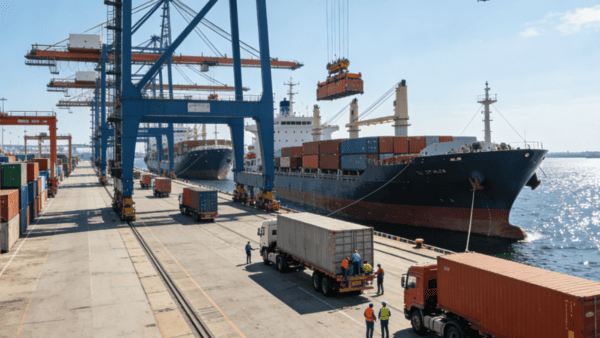
The choice between sea and air for Japan/Korea Next-Day shipments depends on cargo weight, value, and urgency. Short-sea shipping is often used for bulk cargo, while air freight is preferred for small, high-value items.
According to Shanghai Shipping Exchange 2026 data, short-sea routes between Osaka (Japan) and Busan (Korea) have an average transit time of 11-13 hours, making them suitable for next-day delivery of bulk cargo (over 100kg). These routes operate daily, providing consistent schedules for forwarders. Busan Port’s 2026 on-time berthing rate stands at 29.27%, a 10.62% year-on-year decrease, emphasizing the need for proactive scheduling.
For cargo under 100kg, air freight is more appropriate, with hourly flights between major airports (Tokyo Haneda, Osaka Kansai, Seoul Incheon, Seoul Gimpo) and a total transit time of 2-3 hours. UNCTAD 2026 data shows that air freight volume between Japan and Korea increased by 21% in 2026, driven by demand for ICT components and e-commerce parcels.
Why is a Mixed Transportation Model Effective?
A mixed transportation model—combining sea freight for bulk cargo and air freight for urgent small parcels—is effective for Japan/Korea Next-Day operations because it balances cost and speed while meeting diverse client needs.
The recommended approach is to partner with multiple carriers that offer both sea and air services, ensuring backup options in case of schedule disruptions. For example, if a short-sea vessel is delayed due to port congestion, forwarders can redirect urgent cargo via air to maintain next-day timelines.
How to Optimize Carrier Partnerships for Consistent Next-Day Delivery?
Select Carriers with Dedicated Japan/Korea Routes: Partner with carriers that operate dedicated, high-frequency routes between Japan and Korea. Look for carriers offering at least 6 weekly sailings for short-sea freight and hourly flights for air freight to ensure flexibility and consistency.
Negotiate Clear Service Level Agreements (SLAs): Establish SLAs with carriers that define on-time delivery guarantees, delay compensation, and communication protocols. SLAs should specify acceptable delay thresholds (e.g., no more than 1 hour for air, 2 hours for sea) to hold carriers accountable for service performance.
Maintain Real-Time Communication with Carriers: Implement a shared tracking system integrated with carrier platforms to monitor cargo status in real time. This allows forwarders to proactively identify potential delays, such as port congestion or flight cancellations, and take corrective action promptly.
What Role Does Technology Play in the Operational Core?
Technology is a foundational element of the operational core for Japan/Korea Next-Day solutions, as it streamlines processes, reduces human error, and improves cargo visibility. It enables forwarders to manage tight timelines efficiently and proactively address issues.
How to Use Automation to Reduce Operational Errors?
Automation tools reduce operational errors by eliminating manual data entry and standardizing processes, which is critical for Japan/Korea Next-Day services where even small mistakes can cause costly delays.
Forwarders should note that automated document processing software is particularly valuable, as it generates accurate commercial invoices, customs declarations, and other required documents in minutes. Many of these tools integrate with local customs systems, enabling seamless pre-clearance and faster processing. Japan Customs has also introduced RPA (Robotic Process Automation) to automate routine tasks, further enhancing efficiency.
Why is Real-Time Tracking Essential for Next-Day Operations?
Real-time tracking is essential for Japan/Korea Next-Day operations because it provides visibility into every stage of the shipment, allowing forwarders to monitor progress and address delays before they impact delivery timelines.
A common mistake is relying on outdated tracking systems that only provide periodic updates. Modern GPS and IoT-enabled tracking tools offer real-time updates on cargo location, temperature (for perishables), and estimated time of arrival (ETA), enabling forwarders to make informed decisions quickly.
How to Use Data-Driven Strategies to Strengthen the Operational Core?
Data-driven strategies strengthen the operational core by identifying inefficiencies, predicting delays, and optimizing processes. They help forwarders make informed decisions based on historical data and industry trends, rather than guesswork.
What Data Points Should Forwarders Prioritize?
Analyze Historical Delivery Data: Review past delivery data to identify patterns and bottlenecks. For example, if data shows consistent delays at Busan Port on Tuesdays and Wednesdays, adjust pickup times or select alternative routes to avoid peak congestion. According to Freightos Baltic Index (FBX) 2026 data, freight rates on Japan/Korea routes fluctuate by up to 20% based on the day of the week, with higher rates and longer delays during peak periods.
Adopt Predictive Analytics Tools: Use predictive analytics tools that leverage machine learning to forecast potential delays. These tools analyze factors such as port congestion, weather conditions, and carrier performance to predict risks, allowing forwarders to take proactive measures.
Track Key Performance Indicators (KPIs): Monitor KPIs such as on-time delivery rate (OTDR), customs clearance time, and carrier performance to measure operational effectiveness. Use this data to identify areas for improvement and refine processes over time.
How to Adapt the Operational Core to Market Trends?
Adapting the operational core to market trends is critical for forwarders to maintain competitiveness in the Japan/Korea Next-Day segment. Key trends include e-commerce growth, regulatory changes, and increasing demand for sustainable logistics.
How Does E-Commerce Growth Impact Next-Day Operations?
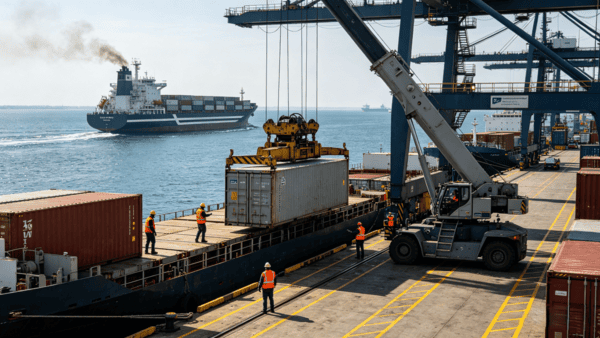
E-commerce growth is driving increased demand for Japan/Korea Next-Day services, as cross-border online shoppers expect fast delivery of products such as Korean beauty items and Japanese electronics.
According to a 2026 market analysis report, cross-border e-commerce trade between Japan and Korea is projected to reach $28 billion by 2027, with 62% of consumers expecting next-day delivery. Forwarders need to adapt their operational core to handle smaller, more frequent shipments and ensure last-mile delivery efficiency.
How to Navigate Regulatory Changes?
Regulatory changes in Japan and Korea can impact the operational core of next-day services, requiring forwarders to stay updated and adjust processes to maintain compliance.
For example, Japan’s 2026 tax reform eliminated the consumption tax exemption for goods under 10,000 JPY, requiring forwarders to ensure accurate customs declarations for all shipments. Failure to comply can result in delays and fines, making document accuracy and pre-clearance even more critical. Japan Customs is also advancing AI-driven big data analysis to enhance post-clearance audits, further emphasizing the need for compliance.
How to Integrate Sustainability into the Operational Core?
Integrating sustainability into the operational core is becoming increasingly important as clients seek eco-friendly logistics solutions. Forwarders can adopt sustainable practices without compromising next-day timelines.
The recommended approach is to partner with carriers that use electric vehicles (EVs) for last-mile delivery, optimize routes to reduce fuel consumption, and use sustainable packaging materials. While these practices may add slight costs, they attract environmentally conscious clients and enhance brand reputation.
What Common Mistakes Undermine the Operational Core?
Several common mistakes can undermine the operational core of Japan/Korea Next-Day solutions, leading to delays, client dissatisfaction, and lost market share. Recognizing and avoiding these mistakes is key to building a strong logistics moat.
Underestimating Port Congestion: A common mistake is failing to account for port congestion when planning next-day shipments. According to Shanghai Shipping Exchange 2026 data, average waiting times for container ships at Busan Port increased by 15% in 2026, and Yokohama Port saw a 10% increase in peak-hour unloading delays. Busan Port’s in-port time averaged 0.81 days in early 2026, highlighting ongoing congestion challenges.
Overlooking End-to-End Visibility: Many forwarders focus on transportation and clearance but neglect last-mile delivery visibility. This can lead to unexpected delays in rural or less populated areas, where delivery routes are less frequent.
Relying on a Single Carrier: Depending on a single carrier for Japan/Korea Next-Day services increases the risk of disruptions if the carrier experiences schedule changes or operational issues. Forwarders should maintain multiple carrier partnerships to ensure backup options.
In conclusion, building a strong operational core is the key to establishing a logistics moat in the Japan/Korea Next-Day market. It requires integrating efficient customs clearance, optimized transportation, technology adoption, and data-driven strategies to ensure consistent, reliable delivery. Forwarders that prioritize the operational core, adapt to market trends, and avoid common mistakes will be well-positioned to capture the growing demand for Japan/Korea Next-Day services, build long-term client relationships, and maintain a competitive edge in the dynamic Northeast Asian logistics landscape.
Last
Emergency Cargo Rescue: The Role of Air Charter in Responding to Sudden Demands
In the fast-paced world of international freight forwarding, sudden cargo demands—from natural disasters to supply chain disruptio
Next
Breaking Barriers: How One-Stop Sea-Rail Solutions Reduce Costs and Increase Efficiency
In the complex landscape of global freight forwarding, Sea-Rail Intermodal has emerged as a transformative solution to address the
