Managing complex customs valuation rules for tech equipment moving along traditional westward usa to india logistics trade lanes
Freight Area
 5-Jun-2026
USA to India logistics for tech equipment faces persistent operational hurdles rooted in evolving cross-border customs valuation frameworks governing all westward traditional trade lane shipments. As global tech supply chains continue realigning toward diversified regional hubs, high-value industrial tech machinery, semiconductor modules, and automated production equipment dominate bilateral cargo volumes between the two nations. These tech commodities feature layered pricing structures, bundled technical service fees, and modular assembly configurations, rendering customs valuation a prominent error-prone and cost-intensive segment for forwarders operating on this trade route.
What core customs valuation principles apply to US-origin tech equipment entering India?
Customs valuation for cross-border tech shipments defines the standardized calculation of dutiable value that Indian customs authorities adopt to assess import levies on US-sourced tech equipment. This regulatory framework complies with WTO valuation agreements while integrating localized tariff amendments tailored for high-value, specialized technological commodities.
General consumer goods follow simplified valuation protocols, while industrial and commercial tech equipment demands itemized valuation verification due to diversified ancillary charges embedded in sales contracts. According to WTO 2024 trade compliance reports, over 60% of tech equipment valuation disputes across South Asian trade lanes arise from unreported auxiliary costs categorized as dutiable additions by Indian customs regulators. Forwarders should note that Indian customs authorities disallow blanket transaction value declarations for complex tech machinery, mandating line-item breakdowns for all auxiliary costs incorporated into final sales contracts.
Transaction value serves as the primary valuation methodology for US-origin tech equipment imported into India, with conditional fallback protocols applicable to special shipment scenarios. These scenarios include inter-affiliate transactions, leased tech machinery, and custom-configured modular tech systems. The 2024 amendment to India’s Customs Valuation Rules introduces enhanced documentary verification requirements for custom-spec tech goods, phasing out simplified valuation exemptions previously accessible for low-volume specialized tech import consignments.
Why do traditional westward USA to India logistics lanes carry elevated valuation compliance risks?
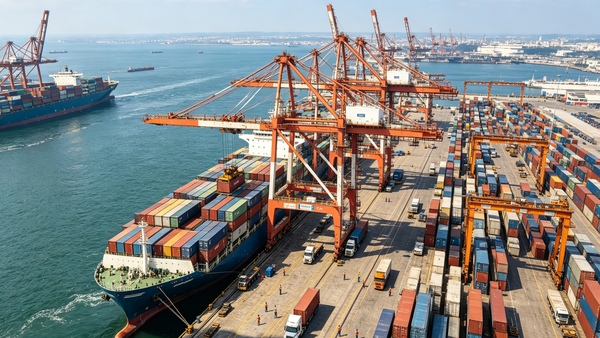
Traditional westward USA to India logistics ocean corridors prioritize cost-effective bulk freight movement but rely on legacy documentation workflows that fail to align with updated Indian tech import compliance regulations. These outdated operational procedures create consistent compliance gaps for high-value, sophisticated tech equipment shipments.
High cargo volume amplifies customs scrutiny
According to UN Comtrade 2025 bilateral trade statistics, annual US tech equipment export volumes to India register at $4.2 billion, with more than 75% of these cargoes transported via conventional westbound ocean lanes. The substantial and sustained cargo volume prompts targeted audit oversight from Indian border authorities, who focus on high-value tech shipments to standardize tariff collection and support domestic tech manufacturing industry development. A common mistake is that many forwarding agencies deploy universal customs document templates for tech cargo, overlooking route-specific regulatory updates exclusive to westbound USA to India trade corridors.
Long transit cycles trigger valuation data discrepancies
Extended transit durations inherent to traditional ocean freight lanes often delay documentary submission and market value validation. Rapid technological iteration causes frequent market value fluctuations for tech equipment, creating mismatches between declared shipment values and prevailing market benchmarks recognized by Indian customs bodies. Moreover, mixed-cargo consolidation practices on conventional lanes raise risks of commodity misclassification and inaccurate value apportionment for standalone high-value tech units.
How can forwarders mitigate valuation compliance errors for tech equipment shipments?
Freight forwarders can adopt structured, regulation-aligned operational workflows to minimize customs valuation discrepancies for tech equipment transported via traditional USA to India logistics corridors. Standardized compliance procedures effectively reduce audit exposure, port detention delays, and unplanned duty-related expenditures for cross-border tech cargo.
Execute structured pre-shipment valuation audits: Forwarders should implement mandatory pre-shipment document validation to verify all dutiable cost components, including ocean freight fees, post-sales technical support charges, warranty premiums, and custom modification expenses. Per ITC Trade Map 2024 analytical data, standardized pre-shipment audits lower valuation dispute occurrences by 48% for US tech exports to India, facilitating full compliance with Indian dutiable value calculation protocols.
Classify documentation by tech commodity segment: The recommended approach is to develop segmented declaration document packages for distinct tech categories, including semiconductors, industrial automation machinery, precision testing devices, and enterprise communication equipment. Each package shall incorporate manufacturer official pricing certificates, detailed technical specification dossiers, and valid transaction proof to cross-verify declared values against Indian tariff classification databases.
Rectify misconceptions around inter-affiliate transaction valuation: A common mistake is the assumption that inter-affiliate US-India tech transactions qualify for simplified valuation exemptions. Indian customs 2025 regulatory revisions mandate third-party independent market value verification for all inter-affiliate tech shipments valued above $50,000, removing preferential valuation treatment for affiliated corporate trade activities.
Update route-specific compliance checklists for major ports: Traditional westbound trade lanes feature differentiated customs clearance protocols at key Indian maritime hubs such as Nhava Sheva and Chennai. Forwarders need to integrate port-specific valuation compliance criteria into daily operational checklists to reduce localized clearance disruptions affecting tech equipment cargo.
What financial and operational impacts arise from valuation non-compliance?
Valuation non-compliance for US-origin tech equipment generates cascading financial losses and operational disruptions for forwarding firms and their B2B clients engaged in USA to India logistics trade. Minor declaration inconsistencies can escalate into measurable penalties due to the high unit value of tech cargo and rigorous regulatory supervision.
Direct financial penalty risks
According to UNCTAD 2025 global freight compliance datasets, inaccurate valuation declarations for imported tech equipment incur penalty charges ranging from 15% to 40% of the verified dutiable value. Repeated non-compliant submissions may result in temporary suspension of shipment clearance privileges for relevant forwarding entities, creating sustained operational barriers for bilateral trade activities.
Indirect operational and reputational losses
Non-compliant tech cargo commonly undergoes port detention for 7 to 14 working days at Indian maritime terminals, disrupting client-side tech project deployment schedules and undermining cross-border supply chain stability. Persistent valuation discrepancies may also lead to forwarding firms being added to customs monitoring lists, subjecting subsequent USA to India shipments to routine enhanced audit procedures. This increases manual documentary labor costs and weakens market competitiveness in bilateral tech freight service sectors.
How to sustain valuation compliance for long-term westbound tech freight operations?
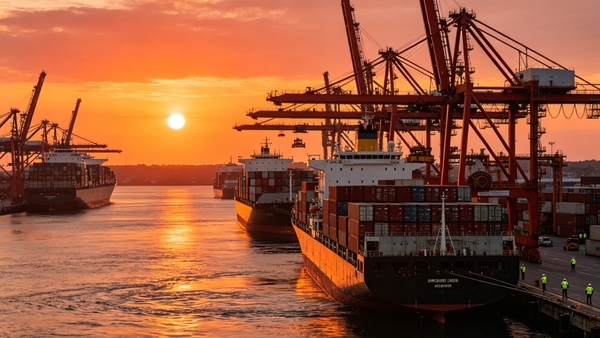
Sustained regulatory compliance for tech equipment shipments requires forwarders to deploy adaptive operational strategies that align with evolving US-India trade policies and inherent operational traits of traditional westbound logistics lanes. Proactive compliance optimization helps stabilize long-term freight service reliability.
Deploy continuous regulatory update monitoring mechanisms: Forwarders should note that Indian tech import valuation rules receive incremental quarterly adjustments, with 12 formal regulatory amendments recorded between 2024 and 2026 per WTO trade regulation archives. Continuous policy monitoring enables timely workflow adjustments to maintain consistent compliance.
Cooperate with specialized local customs brokerage entities: The recommended approach is to partner with India-based brokerage firms with professional expertise in high-value tech equipment customs clearance and valuation. Local industry knowledge bridges compliance gaps between US export regulatory standards and Indian import valuation protocols for conventional westbound trade lanes.
Digitize end-to-end valuation documentary workflows: A common mistake is reliance on manual paper-based documentation processes for high-value tech cargo declaration. Digitized declaration systems mitigate human-induced errors, support real-time value data validation, and streamline customs audit response procedures across diverse USA to India logistics service routes.
Navigating intricate customs valuation protocols for high-value tech equipment remains a key operational challenge for industry participants leveraging traditional westward USA to India logistics trade lanes. By implementing standardized pre-shipment audit mechanisms, segmented commodity documentation systems, and continuous regulatory monitoring, global forwarders can mitigate compliance risks, cut down port detention delays, and deliver stable, cost-efficient cross-border freight solutions for bilateral tech trade cooperation.
Last
Navigating strict environmental regulatory compliance updates impacting container freight moving from southeast asia to europe trade lines
What new environmental regulations reshape Southeast Asia to Europe trade container logistics?Recent EU and IMO environmental poli
Next
Managing border customs clearance bottlenecks for high volume industrial component shipments using the china to russia land bridge
The China to Russia Land Bridge serves as a vital overland logistics artery for cross-border industrial component trading, support
