Overcoming port congestion bottlenecks and chassis shortages at key latin america maritime gateways like santos and manzanillo
Freight Area
 2-Jun-2026
Latin America Gateways including the Port of Santos in Brazil and the Port of Manzanillo in Mexico serve as critical maritime trade hubs connecting regional manufacturers, agricultural exporters, and global supply chains. These strategic ports handle a large share of containerized cargo moving in and out of South and Central America, yet they face persistent operational disruptions that weaken logistics efficiency. Recent industry data indicates fluctuating congestion cycles and chassis scarcity issues that undermine transit reliability for cross-border and intercontinental shipments.
What are the core congestion challenges at Latin America’s top maritime gateways?
Structural and seasonal operational flaws trigger recurring congestion bottlenecks at major Latin American maritime gateways, disrupting scheduled vessel calls and container turnover workflows. These hurdles arise from infrastructure saturation, weather volatility, and occasional labor disruptions that differ across Brazilian and Mexican key port facilities.
Seasonal congestion issues at the Port of Santos
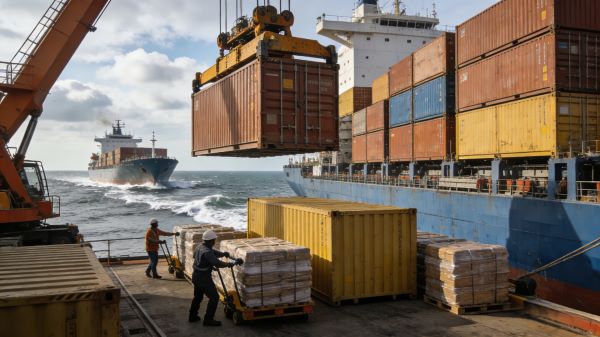
According to UNCTAD 2024 regional port performance data, the Port of Santos registered a notable year-on-year rise in congestion delays, reflecting widespread operational pressure on regional container ports. The Brazilian gateway faces obvious seasonal disruptions tied to its annual rainy season spanning December to March. During this period, average vessel waiting times extend to 4–6 days, in contrast to 1–2 days recorded during dry operational seasons.
Reduced container loading speeds, temporary berth suspensions triggered by extreme rainfall, and accumulated hinterland truck traffic jointly create sustained cargo backlogs. These seasonal disruptions disrupt vessel scheduling plans and prolong container dwell time at terminal yards, bringing consistent operational pressure for freight forwarding and drayage service providers.
Operational congestion risks at the Port of Manzanillo
The Port of Manzanillo faces distinct congestion challenges driven by operational concentration and periodic administrative disruptions. As a major Pacific maritime hub in Mexico, the port processes a substantial portion of the country’s international container cargo, resulting in a highly concentrated regional logistics network susceptible to isolated operational failures.
Temporary operational halts and customs inspection delays exceeding 72 hours have previously caused container yard overcrowding across terminal facilities. Such disruptions disrupt regular cargo throughput rhythms and generate measurable economic losses for local logistics ecosystems and cross-border shipping businesses.
A common mistake is that global forwarders often adopt standard scheduling timelines applicable to North American or European ports for Latin American gateway operations. Ignoring unique seasonal and regional disruption patterns leads to frequent shipment schedule deviations, client delivery delays, and extra detention charges that compress profit margins for cross-border logistics service providers.
Why do chronic chassis shortages persist at Santos and Manzanillo ports?
Chassis shortages at Santos and Manzanillo stem from mismatched regional equipment supply chains and unbalanced cargo flow dynamics in Latin American maritime logistics. Unlike conventional port congestion, this challenge originates from land-side logistics limitations rather than vessel berthing or terminal handling capacity constraints.
Cargo imbalance-driven shortages at Santos
The Port of Santos features uneven import and export cargo volume ratios that trigger persistent chassis inventory imbalances. The port functions as a key export hub for Brazilian agricultural products and bulk commodities, generating high volumes of outbound containerized cargo while recording lower inbound shipment volumes.
This operational imbalance leads to excessive empty chassis accumulation in remote hinterland yards and insufficient chassis supply at terminal pickup points during peak export cycles. The shortage slows container evacuation efficiency and hinders overall terminal turnover speed. According to CentroNave 2025 market analysis, growing annual cargo throughput will continuously elevate terminal operational pressure, aggravating equipment supply gaps in the coming years.
Infrastructure-related chassis scarcity at Manzanillo
Manzanillo’s recurring chassis supply gaps are closely linked to regional infrastructure bottlenecks and unreasonable local equipment distribution mechanisms. Long-term roadway maintenance and construction on the Colima-Manzanillo highway restrict stable truck access to port terminals, limiting the number of functional chassis available for daily drayage operations.
Additionally, local trucking fleets rely heavily on aging equipment, with low market investment in chassis renewal and replacement. The stagnant equipment upgrade cycle results in a limited pool of usable chassis, which struggles to match the growing container throughput demands of the port.
Forwarders should note that chassis shortages in these Latin American gateways represent structural supply chain challenges rather than short-term seasonal fluctuations requiring ad-hoc fixes. Spot equipment rentals in peak shipping windows usually carry premium pricing and limited availability, making reactive solutions less cost-efficient than pre-emptive equipment allocation planning.
What actionable strategies resolve congestion and chassis scarcity issues?
Logistics stakeholders can mitigate port disruptions at key Latin American maritime gateways through targeted operational adjustments and collaborative supply chain planning. The following practical tactics help alleviate immediate congestion risks and stabilize long-term chassis supply for global forwarding businesses.
Implement seasonal schedule optimization to bypass high-disruption periods at Santos. Forwarders can reschedule non-urgent shipments to dry seasons and reserve 3–5 day operational buffers for cargo transported through Santos between December and March, adapting to reduced terminal efficiency during rainy weather.
Optimize multi-port routing layouts to reduce over-reliance on Manzanillo terminals. The recommended approach is to distribute high-volume shipments between Manzanillo and alternative Mexican Pacific ports such as Lázaro Cárdenas, dispersing cargo pressure and easing competition for limited chassis resources.
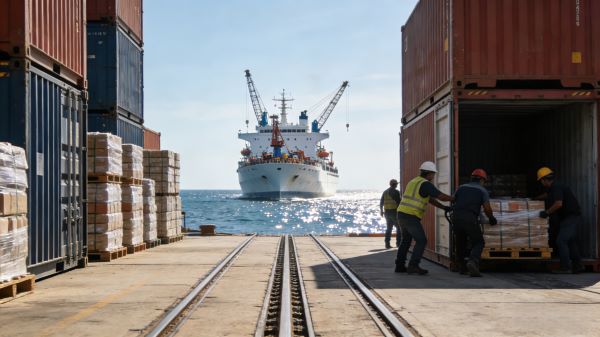
Sign medium-to-long-term chassis leasing agreements to stabilize equipment supply. Cooperating with regional Latin American logistics equipment suppliers for fixed-period chassis reservations improves equipment availability during peak shipping cycles and avoids extra charges from emergency equipment rentals.
Enhance container yard turnover efficiency to relieve terminal crowding. Forwarders can coordinate closely with local drayage teams to accelerate empty container evacuation, preventing yard saturation that exacerbates berthing delays and chassis supply tensions at both ports.
Track real-time port operational updates for proactive risk control. Referencing UNCTAD regional port monitoring data and official terminal announcements enables forwarders to identify potential labor adjustments, roadway restrictions, and extreme weather disruptions in advance.
How do these disruptions impact global forwarding business operations?
Recurring congestion and chassis shortages at core Latin American maritime gateways trigger cascading operational and financial challenges for international freight forwarding enterprises. Delayed vessel departures and prolonged container dwell time extend overall transit cycles, breaking the synchronization of end-to-end supply chain arrangements for global manufacturing and retail clients.
Unplanned detention and demurrage charges form a stable incremental operational cost for forwarders managing cargo at Santos and Manzanillo. Terminal overcrowding pushes container dwell time beyond standard free storage periods, while chassis shortages force prolonged container retention at port yards. These irregular expenses reduce service profit margins and create pricing instability for long-term client cooperation contracts.
Persistent supply chain uncertainty also weakens client cooperation stability. A large number of global retailers and manufacturers depend on steady Latin American cargo flows for raw material procurement and finished product distribution. Frequent shipment delays require continuous schedule revisions from forwarders, increasing administrative workload and raising the possibility of order fulfillment errors for key client accounts.
Forwarders should note that more clients prioritize supply chain resilience over pure cost advantages when selecting logistics service partners. Effective mitigation of Latin American port disruptions has become a common competitive advantage for forwarding firms engaged in cross-border trade across the Americas, Europe, and Asia.
What long-term industry improvements will stabilize Latin American maritime trade?
Ongoing port infrastructure upgrades and regional policy adjustments aim to resolve structural bottlenecks at key Latin American maritime gateways and improve long-term logistics operational stability. Joint investments from public and private sectors focus on expanding port throughput capacity and optimizing land-side equipment supply chains.
Capacity expansion progress at Manzanillo Port
Mexico’s Nuevo Manzanillo terminal expansion project is designed to lift container handling capacity and ease operational pressure on the mature Pacific port facility. According to 2026 preliminary disclosure from the Manzanillo Port Authority, the new terminal construction will add substantial annual TEU throughput capacity, effectively alleviating terminal congestion and easing competition for chassis and drayage resources in the regional logistics market.
Operational optimization upgrades at Santos Port
Brazil’s Port of Santos is carrying out targeted waterway dredging and terminal functional optimization projects to reduce weather-induced operational disruptions. Minor equipment malfunctions and environmental approval procedures have delayed full project completion slightly. Upon final delivery, the upgrades will enhance berth accessibility and loading operational efficiency under adverse weather conditions, cutting seasonal congestion delay durations effectively.
The recommended approach is that forwarders maintain flexible routing mechanisms and stable local logistics partnerships. These preparations help businesses adapt to transitional operational fluctuations during the infrastructure upgrading period of regional port facilities.
As regional cross-border trade volumes maintain steady growth, flexible and targeted operational planning plays a vital role in mitigating various logistics bottlenecks across Latin America Gateways. By integrating real-time industry monitoring, scientific equipment allocation, and diversified routing arrangements, global freight forwarders can effectively address port congestion and chassis shortage challenges to deliver stable, cost-efficient cross-border logistics services.
Last
Understanding tax structures and import tariff calculations enforced across key latin america container entry gateways
Latin America Gateways cover major container entry ports and customs clearance hubs that regulate cross-border tariff implementati
Next
Navigating heavy demurrage structures caused by vessel discharge delays at developing africa container port infrastructure hubs
Africa port infrastructure across emerging container hubs faces persistent operational bottlenecks that trigger prolonged vessel d
