Navigating heavy demurrage structures caused by vessel discharge delays at developing africa container port infrastructure hubs
Freight Area
 2-Jun-2026
Africa port infrastructure across emerging container hubs faces persistent operational bottlenecks that trigger prolonged vessel discharge delays and elevated demurrage charges for global shippers and forwarders. As African maritime trade volumes expand alongside global supply chain restructuring, underdeveloped terminal facilities and inefficient port workflows have made demurrage management a core operational challenge for international freight forwarding firms. According to UNCTAD 2024 data, maritime trade costs in Africa remain roughly 50 percent higher than the global average, with port operational inefficiencies serving as a primary contributor to rising logistics expenditures across the continent’s developing port hubs.
What causes vessel discharge delays in African developing container ports?
Inadequate physical and operational infrastructure creates recurring discharge delay issues at emerging African container ports, disrupting standard vessel unloading schedules and extending port turnaround cycles. These structural shortcomings differ from sporadic temporary congestion and contribute consistently to rigid demurrage and detention fee frameworks enforced by local port authorities and global shipping carriers.
How outdated terminal equipment impacts discharge efficiency
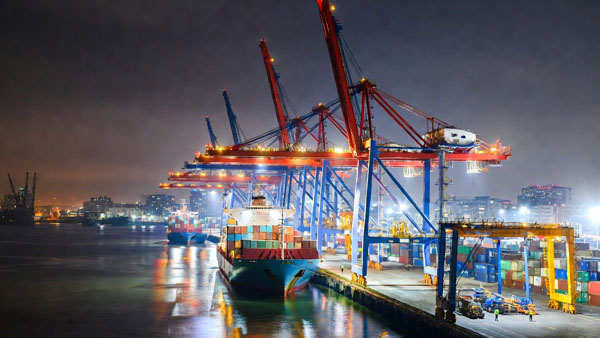
Many regional African container terminals operate with aging gantry cranes, limited container handling machinery, and constrained yard stacking capacity that fail to accommodate growing vessel load specifications. Most hubs rely on manual or semi-automated operational workflows, in contrast to automated systems adopted at modern global ports, which reduces hourly container processing output significantly.
According to UNCTAD’s 2024 Maritime Transport Review, medium and large container ports across West and East Africa record 30–40 percent lower per-vessel discharge volumes compared to international average benchmarks. This operational gap extends scheduled berthing periods and creates cumulative delays that activate standard demurrage charge protocols for berthed vessels.
Why landside connectivity gaps worsen port congestion
Developing Africa port infrastructure hubs commonly suffer from constrained access roadways, insufficient inland trucking fleets, and limited bonded warehousing capacity. These landside limitations create downstream bottlenecks that restrict the timely evacuation of discharged containers from terminal yards.
Data from the 2026 Regional Maritime Logistics Report indicates that the Lagos Ports Complex in Nigeria features limited multi-lane access corridors, resulting in average truck waiting periods of over 72 hours during regular operational cycles. Terminal yard stacking saturation halts ongoing vessel discharge activities, prolongs vessel berthing duration, and increases exposure to daily demurrage fees.
How administrative protocols create unplanned operational delays
Complex customs clearance procedures, multi-layered document verification processes, and inconsistent regional regulatory enforcement generate intermittent operational halts at African container terminals. These procedural delays overlap with infrastructure limitations and further extend vessel discharge timelines.
A common mistake is that global forwarders build logistics schedules based solely on standard ocean transit durations, without reserving buffer time for regional administrative frictions. This oversight prolongs vessel discharge cycles and leads to incremental demurrage and detention fee accumulation.
How do discharge delays translate into heavy demurrage cost burdens?
Extended vessel discharge delays at African container port infrastructure hubs trigger tiered demurrage pricing frameworks designed to compensate port authorities for prolonged berth occupancy and terminal space utilization. Local port authorities and mainstream shipping carriers apply progressive daily fee increments once vessels or container units exceed contracted free time windows.
Progressive demurrage pricing and cumulative financial pressure
Most developing African port hubs implement tiered fee structures, with daily demurrage rates increasing gradually after the standard 48–72 hour free berthing window. Vessels experiencing multi-day discharge delays due to structural infrastructure constraints often see total logistics expenses rise by 15–25 percent per container shipment.
Freightos Baltic Index (FBX) 2026 regional trade analytics show that Africa-bound container trade lanes carry elevated demurrage premium rates relative to many other global trade corridors, with port operational constraints serving as a key influencing factor.
Auxiliary fees and compounded logistics costs
Vessel discharge delays often delay container availability for consignee pickup, which can trigger additional container detention fees and terminal storage surcharges. Port fee structures across most African regions lack flexible adjustment mechanisms for delays caused by terminal equipment malfunctions or yard congestion.
This rigid pricing framework means freight forwarders bear unplanned auxiliary costs even when delays stem from systemic infrastructure limitations rather than operational errors on the forwarder’s side.
Contractual and operational reputation risks
Freight forwarding firms may face contractual penalties for delayed cargo delivery to clients, even for disruptions originating from regional Africa port infrastructure constraints. This scenario creates dual financial pressure, as operators cover port-imposed demurrage fees while addressing client compensation requirements.
Consistent delivery inconsistencies can erode profit margins and weaken long-term cooperative relationships with global shippers and consignees engaged in African trade markets.
What actionable strategies can forwarders use to mitigate demurrage risks?
Global freight forwarders require region-specific operational strategies to reduce demurrage risks linked to structural discharge delays at developing African container port infrastructure hubs. Conventional universal logistics strategies fail to address regional port bottlenecks, making customized planning and proactive risk control necessary for stable operations.
Optimize pre-shipment document preparation: Forwarders should note that incomplete or inaccurate cargo documentation represents one of the common controllable factors behind extended discharge delays in African ports. Finalizing all customs declarations, cargo manifests, and regulatory certificates 7–10 days prior to vessel arrival reduces administrative downtime and prevents the worsening of infrastructure-related congestion and associated demurrage fees.
Adopt segmented cargo booking scheduling: The recommended approach is to distribute high-volume African cargo shipments across non-peak shipping cycles. Peak trading periods increase port congestion and stretch limited terminal handling capacity, which raises the likelihood of discharge delays. Balanced shipment scheduling helps stabilize discharge timelines and lower demurrage exposure.
Negotiate customized demurrage waiver clauses: Forwarders should prioritize carrier contracts that include exception provisions for delays caused by port infrastructure limitations. Many mainstream shipping carriers offer flexible fee adjustment policies for delays verified by official port documentation, which can offset a notable portion of unplanned demurrage expenditures.
Partner with local port logistics providers: Cooperation with licensed local terminal agents delivers real-time updates on port congestion status, equipment downtime, and landside transit conditions. These local operational insights support proactive shipment schedule adjustments and reduce excessive vessel berthing and container storage duration.
Implement dynamic cargo monitoring systems: Deployment of real-time vessel tracking and terminal status monitoring tools supports early identification of potential discharge delays. Timely risk detection allows forwarders to engage with carriers promptly, file formal delay notifications, and submit fee adjustment applications before demurrage charges accumulate substantially.
Why proactive demurrage management matters for African trade competitiveness
Recurring demurrage cost pressures stemming from underdeveloped Africa port infrastructure restrict the continent’s integration into global maritime supply chains and limit steady trade expansion. For global forwarders, systematic demurrage risk management for African port operations has become a key capability for sustaining stable regional business operations.
Infrastructure gaps and long-term trade cost challenges
Volatile and elevated demurrage costs weaken market confidence in African trade lanes among global exporters and importers, which can constrain incremental foreign investment in regional maritime logistics assets. According to 2024 UNCTAD infrastructure assessment data, Africa faces a substantial annual infrastructure funding gap, with port upgrading projects remaining underfunded across numerous developing regional hubs.
This persistent infrastructure shortfall means discharge delays and structured demurrage cost pressures will continue to affect regional maritime operations, requiring forwarders to integrate targeted risk management protocols into their African service frameworks.
Operational resilience as a market advantage
Forwarders with well-structured demurrage mitigation mechanisms can reduce avoidable logistics losses and stabilize cargo delivery schedules amid regional infrastructure constraints. Reliable and cost-controlled logistics services help strengthen client trust and support steady trade growth with African emerging economies.
This type of operational resilience facilitates expanded bilateral and multilateral trade activities across diverse African regional markets.
As global supply chain diversification continues to drive greater engagement with African markets, systematic management of delay-induced demurrage risks will remain essential for mitigating the operational limitations of evolving Africa port infrastructure and supporting sustainable trade growth for global freight industry participants.
Last
Overcoming port congestion bottlenecks and chassis shortages at key latin america maritime gateways like santos and manzanillo
Latin America Gateways including the Port of Santos in Brazil and the Port of Manzanillo in Mexico serve as critical maritime trad
Next
Mitigating ocean freight cost fluctuations by monitoring upcoming surcharges linked to africa regional port infrastructure upgrades
Africa Port Infrastructure phased modernization and regional renovation projects reshape terminal operational workflows and trigge
