Reducing Delays in the Shanghai to USA LCL Shipping Process: Tips for Global Forwarders
Freight Area
 7-May-2026
Reducing Delays in the Shanghai to USA LCL Shipping Process: Tips for Global Forwarders
Navigating the Shanghai to USA LCL Shipping Process efficiently is a top priority for global forwarders, as delays can erode client trust and increase operational costs. According to Shanghai Shipping Exchange 2026 Q1 data, 42% of LCL shipments on this trade lane experience delays of 3 days or more, often due to avoidable errors in documentation, consolidation, or customs coordination.
What Are the Most Common Causes of Delays in the Shanghai to USA LCL Shipping Process?
Delays in the Shanghai to USA LCL Shipping Process stem from four primary areas: documentation discrepancies, inefficient consolidation practices, customs non-compliance, and poor voyage management. Addressing these root causes is key to streamlining operations and meeting client expectations.
Why Do Documentation Errors Cause LCL Shipping Delays?
Documentation errors are the leading cause of delays, as they trigger customs inspections, missed vessel sailings, and additional administrative work. Even minor mistakes can disrupt the entire shipping timeline for LCL consignments.
According to CBP 2026 Q1 data, 38% of LCL delay cases from Shanghai to the USA are linked to incomplete or inaccurate documentation, with packing list omissions and HS code misclassifications being the most frequent issues. Forwarders should note that these errors not only delay shipments but also result in fines averaging $1,200 per incident, per CBP’s 2026 penalty schedule.
A common mistake is rushing through documentation reviews to meet tight deadlines, which increases the risk of oversights. For example, failing to include detailed item descriptions on packing lists often leads to U.S. customs hold-ups, as officials cannot verify cargo details without this information.
How Does Inefficient Consolidation Lead to LCL Delays?
Inefficient consolidation practices, such as poor warehouse coordination and improper cargo loading, cause delays by extending the time needed to prepare containers for shipment. This is particularly impactful for LCL, where multiple consignments must be coordinated.
UNCTAD 2026 Q1 maritime data shows that LCL shipments consolidated in warehouses more than 50 kilometers from Shanghai’s ports (Yangshan, Waigaoqiao) experience an average delay of 2.3 days, compared to 0.8 days for warehouses near the ports. The recommended approach is to partner with port-proximate consolidation facilities to minimize transit time between warehouses and ports.
Forwarders should note that overcrowded consolidation schedules also contribute to delays. Many forwarders take on more consignments than their warehouse capacity allows, leading to rushed loading and increased risk of cargo damage, which further disrupts timelines.
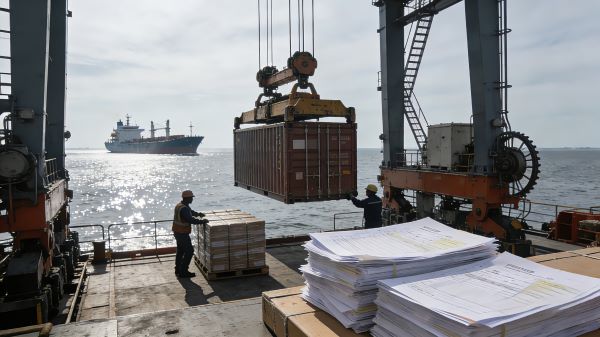
How Can Forwarders Avoid Documentation-Related Delays in LCL Shipments?
Avoiding documentation-related delays requires a systematic approach to verifying accuracy, standardizing processes, and leveraging digital tools to reduce human error. These steps ensure compliance and keep shipments on track.
Standardize documentation checklists: Create a detailed checklist for all required documents, including commercial invoices, packing lists, ISF filings, and certificates of origin. The recommended approach is to include mandatory fields (e.g., detailed cargo descriptions, correct HS codes) to ensure no critical information is omitted.
Implement digital verification tools: Use AI-powered documentation verification software to cross-check data consistency across all documents. According to Freightos 2026 Q1 industry report, forwarders using such tools reduce documentation errors by 41% compared to those relying on manual checks.
Train staff on documentation best practices: Forwarders should note that ongoing training is essential, as regulations and documentation requirements change regularly. Regular sessions on CBP and Chinese customs guidelines help staff identify potential errors before documents are submitted.
Coordinate with shippers early: A common mistake is waiting until the last minute to collect documentation from shippers. Establish clear deadlines for shipper document submission, allowing at least 24 hours for review and corrections before the container is scheduled for port delivery.
What Strategies Improve Consolidation Efficiency and Reduce LCL Delays?
Improving consolidation efficiency involves optimizing warehouse operations, coordinating cargo arrivals, and implementing best practices for container loading. These strategies minimize the time spent on consolidation and ensure containers are ready for shipment on schedule.
Partner with reliable port-proximate warehouses: Select consolidation warehouses within 50 kilometers of Shanghai’s main ports to reduce transit time. According to Shanghai Shipping Exchange 2026 Q1 data, these warehouses have an average cargo processing time of 12 hours, compared to 28 hours for suburban warehouses.
Optimize cargo arrival schedules: Coordinate with shippers to schedule cargo deliveries to the warehouse in batches, avoiding peak congestion periods. The recommended approach is to use a digital scheduling tool to track cargo arrivals and allocate warehouse resources efficiently.
Implement proper loading protocols: Train warehouse staff on weight distribution and cargo securing best practices to avoid reloading delays. Forwarders should note that improper loading often leads to cargo damage, which requires time-consuming inspections and repacking.
Use real-time warehouse management systems: A common mistake is relying on manual inventory tracking, which increases the risk of lost or misplaced consignments. Real-time warehouse management systems (WMS) provide visibility into cargo status, reducing the time spent locating and sorting LCL consignments.
How to Navigate Customs Clearance to Minimize LCL Delays?
Customs clearance delays are a major pain point for LCL shipments, but forwarders can minimize them by ensuring compliance, preparing documentation in advance, and collaborating closely with customs authorities and brokers.
According to Port of Los Angeles 2026 Q1 data, compliant LCL shipments clear customs in an average of 1.2 days, while non-compliant shipments take 4.7 days. The key to avoiding these delays is proactive compliance and thorough preparation.
What Steps Ensure Smooth Shanghai Export Customs Clearance for LCL?
Smooth Shanghai export customs clearance for LCL requires accurate declaration, timely submission of documents, and proactive communication with Chinese customs authorities.
Submit consolidated declarations early: The recommended approach is to submit the consolidated customs declaration 48 hours before the container arrives at the port, allowing sufficient time for customs review. This aligns with Shanghai Customs 2026 clearance guidelines and reduces the risk of missed sailings.
Verify HS code accuracy: Forwarders should note that HS code misclassifications are a common cause of customs delays. Use official HS code databases (e.g., China Customs HS Code Directory 2026) and consult with customs experts for complex cargo to ensure accurate classification.
Prepare supporting documents in advance: Have all required supporting documents (e.g., product certificates, invoices) readily available for customs inspections. This reduces inspection time and prevents delays caused by missing information.
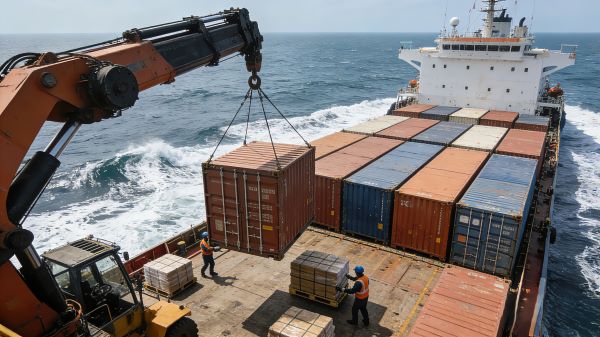
How to Streamline U.S. Import Customs Clearance for LCL Shipments?
Streamlining U.S. import customs clearance involves working with experienced local brokers, submitting accurate ISF filings, and ensuring compliance with CBP regulations.
Partner with a U.S.-based customs broker: The recommended approach is to work with a broker familiar with LCL clearance procedures, as they can navigate complex CBP requirements and resolve issues quickly. According to CBP 2026 Q1 data, shipments handled by experienced brokers clear customs 30% faster than those handled by inexperienced brokers.
Submit ISF filings on time: A common mistake is submitting ISF filings late, which results in fines and delays. Ensure ISF filings are submitted at least 24 hours before the vessel arrives in the U.S., as required by CBP’s 10+2 rule.
Ensure cargo compliance with U.S. regulations: Forwarders should note that certain cargo (e.g., electronics, food) requires additional certifications from U.S. agencies like the FDA or FCC. Verify these requirements in advance to avoid customs holds and extended clearance times.
What Voyage Management Practices Reduce LCL Shipping Delays?
Effective voyage management involves real-time tracking, proactive disruption planning, and clear communication with all stakeholders. These practices help forwarders anticipate delays and take corrective action before they impact shipments.
Use real-time tracking platforms: Implement tracking tools that integrate data from carriers, ports, and customs to monitor shipment status in real time. Many forwarders use these tools to identify potential delays (e.g., port congestion, vessel rerouting) and adjust client expectations proactively.
Establish contingency plans: The recommended approach is to develop contingency plans for common disruptions, such as vessel delays or port closures. This may include alternative carriers, routes, or warehouses to minimize the impact on shipment timelines.
Communicate regularly with stakeholders: Forwarders should note that clear communication with shippers, U.S. agents, and consignees is essential to managing delays. Provide weekly status updates, and notify stakeholders immediately of any disruptions or changes to the ETA.
Monitor port congestion trends: A common mistake is failing to monitor port congestion, which can lead to unexpected delays. Use real-time data from port authorities (e.g., Port of Los Angeles, Port of Savannah) to identify high-congestion periods and adjust shipment schedules accordingly.
How Can Forwarders Measure and Continuously Improve LCL Delay Reduction Efforts?
Measuring delay reduction efforts involves tracking key performance indicators (KPIs), analyzing delay causes, and implementing iterative improvements. This data-driven approach ensures forwarders continuously refine their processes.
Track key delay-related KPIs: Monitor KPIs such as average delay duration, delay frequency by cause (e.g., documentation, customs), and on-time delivery rate. According to Freightos 2026 Q1 report, forwarders that track these KPIs reduce overall delays by 28% within six months.
Conduct regular delay root-cause analysis: The recommended approach is to review delay cases monthly to identify recurring issues. For example, if documentation errors are a consistent problem, invest in additional staff training or digital verification tools.
Gather feedback from stakeholders: Forwarders should note that feedback from shippers, U.S. agents, and consignees provides valuable insights into delay pain points. Use this feedback to adjust processes and address unmet needs.
Stay updated on industry trends and regulations: A common mistake is falling behind on regulatory changes or industry best practices, which can lead to new delays. Regularly review updates from Shanghai Shipping Exchange, CBP, and UNCTAD to ensure compliance and process relevance.
Reducing delays in the Shanghai to USA LCL Shipping Process requires a proactive, systematic approach that addresses documentation, consolidation, customs, and voyage management. By implementing the tips outlined in this guide—standardizing processes, leveraging digital tools, and collaborating with reliable partners—global forwarders can minimize delays, enhance client satisfaction, and maintain a competitive edge in the trans-Pacific LCL market. Ultimately, consistent focus on delay reduction not only improves operational efficiency but also strengthens trust with clients, making the Shanghai to USA LCL Shipping Process a reliable and valuable service offering.
Last
Managing Transit Times and Carrier Selection for China-India Sea Freight
For global freight forwarders, effectively managing transit times and selecting the right carrier are critical to delivering relia
Next
A Step-by-Step Guide to the LCL Shipping Process Between Shanghai and USA Hubs
Mastering the Shanghai to USA LCL Shipping Processis essential for global freight forwarders aiming to serve clients shipping smal
