A Step-by-Step Guide to the LCL Shipping Process Between Shanghai and USA Hubs
Freight Area
 7-May-2026
Mastering the Shanghai to USA LCL Shipping Process is essential for global freight forwarders aiming to serve clients shipping small-batch cargo between Shanghai’s export hubs and major U.S. coastal and inland distribution centers. According to Shanghai Shipping Exchange 2026 Q1 data, the Shanghai to USA LCL trade lane accounts for approximately 39% of China’s trans-Pacific LCL export volume, with steady demand from cross-border trade and e-commerce sectors. This guide breaks down the entire process into actionable steps, addressing common pain points and providing compliant, data-backed recommendations to streamline operations for forwarders.
What Are the Key U.S. Hubs for Shanghai LCL Shipments and Their Operational Traits?
Key U.S. hubs for Shanghai LCL shipments include major West Coast ports (Los Angeles, Long Beach, Oakland) and East Coast ports (New York-New Jersey, Savannah, Charleston), each with distinct operational characteristics affecting transit time and cost. Understanding these traits helps forwarders optimize route selection and client expectations.
West Coast U.S. Hubs: Speed and Efficiency for Time-Sensitive Cargo
Los Angeles and Long Beach Ports, located 10 kilometers apart, handle the majority of Asian imports to the U.S. and are often preferred for time-sensitive LCL cargo. According to Port of Los Angeles 2026 Q1 data, these two ports together process over 72% of all Shanghai-origin LCL shipments to the U.S., with an average unloading efficiency of 37 containers per hour per crane.
Forwarders should note that Long Beach Port, with 6 container terminals including Matson’s dedicated facility, prioritizes environmental sustainability and offers faster berthing for vessels using shore power. Oakland Port, the fourth-largest U.S. container port, serves as a secondary West Coast option, often with lower terminal handling fees but slightly longer inland delivery times to the U.S. Midwest.
East Coast U.S. Hubs: Coverage for Inland U.S. Markets
New York-New Jersey Port, the largest comprehensive port on the U.S. East Coast, and Savannah Port, a deep-water facility with modern loading equipment, are critical for LCL cargo destined for the U.S. East Coast and inland regions. According to Port of Savannah 2026 Q1 data, the port’s average LCL deconsolidation time is 2.6 days, faster than many other East Coast hubs.
A common mistake is overlooking the impact of transit routes on East Coast shipments—vessels from Shanghai to East Coast hubs often transit through the Panama Canal, adding 5-7 days to the voyage compared to West Coast routes. Forwarders should clearly communicate this timeline difference to clients to avoid misunderstandings.
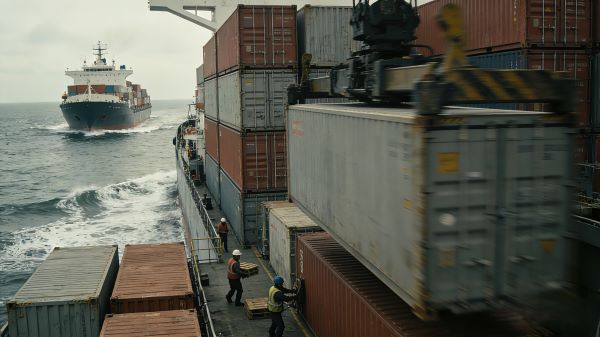
How to Complete Pre-Shipment Cargo Assessment and Documentation for Shanghai LCL Shipments?
Pre-shipment assessment and documentation are critical first steps in the Shanghai to USA LCL Shipping Process, ensuring cargo compliance with both Chinese export regulations and U.S. import requirements to prevent delays or penalties.
Conduct detailed cargo assessment: Forwarders must verify cargo weight, volume, HS code classification, and special handling requirements (e.g., fragile, hazardous, or temperature-controlled goods). The recommended approach is to use digital cargo assessment tools to reduce human error, as manual data entry often leads to discrepancies in LCL consolidation.
Verify compliance with Sino-U.S. trade regulations: Forwarders should note that certain goods, such as electronic devices with encryption capabilities or industrial machinery with specific certifications, require additional export licenses from Chinese customs authorities. For U.S.-bound cargo, compliance with CBP’s Importer Security Filing (ISF) requirements is mandatory, with penalties of up to $5,000 for late or incorrect filings, per CBP 2026 regulatory updates.
Prepare and audit all required documentation: Essential documents include commercial invoices, packing lists, bill of lading (B/L) drafts, export customs declarations, and certificates of origin (if applicable). A common mistake is incomplete packing lists that omit detailed item descriptions, which often triggers U.S. customs inspections and delays delivery by 3-5 days.
What Is the Process for LCL Cargo Consolidation and Container Vanning in Shanghai?
LCL cargo consolidation and container vanning in Shanghai involve gathering multiple small consignments into a single container, requiring careful planning to ensure safety, efficiency, and compliance with loading standards.
Selecting a Reliable Consolidation Warehouse in Shanghai
The recommended approach is to partner with consolidation warehouses located within 50 kilometers of Shanghai’s main ports (Yangshan, Waigaoqiao) to reduce transportation costs and minimize delays. According to Shanghai Shipping Exchange 2026 Q1 data, warehouses near these ports have an average cargo receiving and sorting efficiency of 125 consignments per day, 22% higher than warehouses in suburban areas.
Forwarders should note that bonded warehouses are often preferred for high-value or duty-free LCL cargo, as they allow for temporary storage without immediate customs clearance, providing flexibility for last-minute cargo additions or adjustments.
Implementing Safe and Efficient Container Vanning
Follow weight distribution guidelines: Heavy cargo (exceeding 150kg per piece) should be placed at the bottom of the container, with lighter cargo stacked on top to prevent crushing. A common mistake is uneven weight distribution, which can lead to container instability during transit and increase the risk of cargo damage.
Use appropriate packaging and securing materials: Fragile or high-value cargo should be wrapped in shock-absorbent materials and secured with straps or foam to prevent movement. Forwarders should work with shippers to ensure packaging meets international shipping standards (such as ISO 22000 for fragile goods), as inadequate packaging is a leading cause of LCL cargo damage (accounting for 32% of claims, per UNCTAD 2026 maritime safety report).
Complete container sealing and documentation: After vanning, the container must be sealed with an official high-security seal (ISO 17712 standard), and the seal number, container number, and vanning details must be recorded in the shipment management system. This ensures cargo integrity and provides a clear audit trail for customs and clients.
How to Navigate Shanghai Export Customs Clearance for LCL Shipments?
Shanghai export customs clearance for LCL shipments is a standardized process that requires accurate documentation, compliance with regulatory requirements, and proactive coordination with customs authorities to ensure timely release.
Submit consolidated customs declaration: LCL shipments use a consolidated customs declaration, where the forwarder submits a single declaration for all consignments in the container. The recommended approach is to submit the declaration 24-48 hours before the container arrives at the port to allow sufficient time for customs review, in line with Shanghai Customs 2026 clearance guidelines.
Cooperate with customs inspections: Forwarders should note that random customs inspections are common for LCL shipments, especially for cargo with complex HS codes or high-value items. Having all supporting documents (e.g., product certificates, invoices) readily available can reduce inspection time from 2-3 days to 8-12 hours.
Resolve customs discrepancies promptly: If customs identifies discrepancies in documentation or cargo details, forwarders must respond quickly to provide additional information or corrections. Delays in resolving discrepancies can lead to missed vessel sailings and additional terminal storage fees (often $160-210 per day, per Shanghai Port 2026 fee schedules).
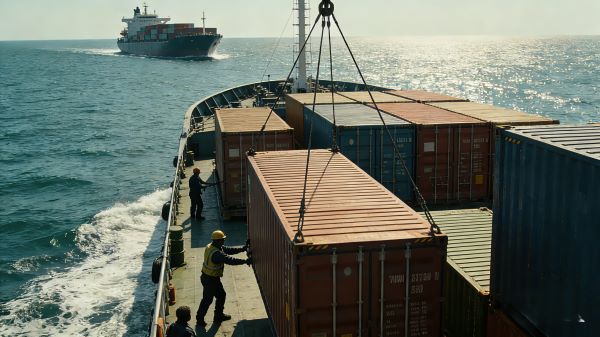
What Steps Are Involved in Trans-Pacific LCL Shipment Monitoring and Voyage Management?
Trans-Pacific LCL shipment monitoring and voyage management involve tracking cargo in real time, managing potential disruptions, and keeping clients and U.S. agents informed of shipment status throughout the voyage.
Trans-Pacific Voyage Timelines and Key Influencing Factors
According to UNCTAD 2026 global shipping data, trans-Pacific LCL voyages from Shanghai to West Coast U.S. hubs average 13-17 days, while voyages to East Coast hubs average 27-31 days. These timelines can vary due to weather conditions, port congestion, and route adjustments (e.g., rerouting around the Cape of Good Hope due to Red Sea disruptions, which adds 7-10 days to voyage time).
Use real-time tracking tools: The recommended approach is to use shipping tracking platforms that integrate data from carriers, ports, and customs to provide real-time updates on container location, estimated time of arrival (ETA), and any delays. Many forwarders use these tools to proactively identify potential issues and adjust client expectations.
Manage voyage disruptions: A common mistake is failing to prepare for voyage disruptions, such as vessel delays or port congestion. Forwarders should establish contingency plans, such as alternative carriers or routes, to minimize the impact of disruptions on client cargo.
Communicate status updates regularly: Forwarders should provide clients and U.S. agents with weekly status updates (or more frequently if disruptions occur) to keep them informed of shipment progress. This transparency builds trust and helps clients plan their own operations (e.g., warehouse receiving, inventory management).
How to Handle U.S. Port Import Clearance and LCL Deconsolidation?
U.S. port import clearance and LCL deconsolidation are critical final steps in the Shanghai to USA LCL Shipping Process, requiring close coordination with U.S.-based agents and compliance with CBP regulations.
Completing U.S. Import Customs Clearance
Forwarders should note that U.S. import customs clearance requires accurate submission of documentation, including the ISF, commercial invoice, packing list, and B/L. According to CBP 2026 data, clearance times for LCL shipments average 1-2 days for compliant cargo, but can extend to 5-7 days for non-compliant shipments or cargo subject to additional screening.
The recommended approach is to work with a reputable U.S.-based customs broker who is familiar with LCL clearance procedures and can resolve any issues quickly. This is especially important for cargo subject to additional inspections (e.g., food, cosmetics, or electronics), which require compliance with FDA or FCC regulations.
Executing LCL Deconsolidation and Delivery
Coordinate with U.S. deconsolidation warehouses: After customs clearance, the container is transported to a deconsolidation warehouse where it is unloaded, and individual consignments are sorted by consignee. Forwarders should verify that the warehouse has proper security measures (such as 24/7 surveillance) and inventory management systems to prevent cargo loss or damage.
Arrange last-mile delivery: Once consignments are sorted, forwarders coordinate with local trucking companies to deliver cargo to consignees’ addresses or warehouses. A common mistake is underestimating last-mile delivery times, especially for inland U.S. destinations (e.g., Chicago, Dallas), which can add 2-5 days to the overall process.
Complete shipment closure: After delivery, forwarders collect proof of delivery (POD) from the consignee and provide it to the shipper. This marks the completion of the LCL shipping process, and all documentation should be archived for future reference and compliance audits, as required by both Chinese and U.S. regulatory authorities.
What Best Practices Can Forwarders Adopt to Optimize the Shanghai to USA LCL Process?
Adopting best practices helps forwarders streamline operations, reduce costs, and improve client satisfaction, positioning them as reliable partners for Shanghai to USA LCL shipments.
Invest in digitalization: The recommended approach is to use digital logistics platforms for cargo tracking, documentation management, and client communication. According to Freightos 2026 industry report, forwarders using digital platforms reduce LCL operational errors by 29% and improve client satisfaction by 37% compared to those using manual processes.
Build strong partnerships: Forwarders should establish long-term relationships with Shanghai consolidation warehouses, U.S. customs brokers, and local delivery providers. These partnerships often lead to better rates, faster service, and priority handling during peak seasons (e.g., Q4 holiday备货).
Continuously train staff: A common mistake is neglecting staff training on updated regulations and best practices. Regular training on Chinese export laws, U.S. import requirements, and LCL operational procedures ensures that staff can handle complex shipments and resolve issues efficiently.
By following this step-by-step guide and adhering to best practices, global freight forwarders can navigate the Shanghai to USA LCL Shipping Process with confidence, ensuring compliant, efficient, and reliable service for their clients. As the trans-Pacific LCL market continues to evolve, forwarders who prioritize process optimization and client transparency will remain competitive in this critical trade lane.
Last
Reducing Delays in the Shanghai to USA LCL Shipping Process: Tips for Global Forwarders
Reducing Delays in the Shanghai to USA LCL Shipping Process: Tips for Global ForwardersNavigating the Shanghai to USA LCL Shipping
Next
Navigating Customs Clearance for Ocean Cargo from China to India
For global freight forwarders, mastering customs clearance for Shipping from China to India is essential to avoid delays, penaltie
