Managing High-Frequency Sea Freight from Ningbo to Busan
Freight Area
 6-May-2026
Shipping from Ningbo to Busan serves as a critical intra-Asia short-sea liner route, connecting Ningbo Zhoushan Port, China’s major eastern coastal manufacturing export gateway, with Busan Port, South Korea’s core transshipment and regional distribution hub. This shipping lane supports steady movements of industrial intermediate cargo, general breakbulk goods and cross-border e-commerce consignments throughout 2025 and 2026. Professional international freight forwarders rely on standardized SOP management and stable carrier contract partnerships to cope with dense weekly liner rotations, regular cargo consolidation demands and strict port turnaround operational requirements.
What constitutes high-frequency sea freight operations on the Ningbo to Busan trade lane?
High-frequency sea freight from Ningbo to Busan refers to scheduled short-sea liner services with multiple weekly departures, designed for rapid maritime transit, expedited port clearance and just-in-time inventory replenishment for Sino-Korean cross-border manufacturing and trading enterprises.
This regional short-sea route operates differently from long-haul deep-sea trades, focusing on short transit lead times frequent vessel rotations and flexible booking adjustment mechanisms instead of minimal spot freight rates. According to UNCTAD 2025 regional short-sea shipping performance statistics, the Ningbo-Busan corridor maintains one of the highest weekly sailing densities across all intra-Asia maritime routes. Forwarders should note that high-frequency shipping management prioritizes shipment synchronization and on-terminal loading execution over customized documentary processing for individual shipments.
Why is high-frequency Ningbo to Busan sea freight indispensable for Sino-Korean bilateral trade?
Consistent and frequent maritime shipping connectivity between Ningbo and Busan underpins stable industrial supply chain collaboration and finished goods distribution for manufacturing entities based in China and South Korea.
South Korean-invested manufacturing facilities in China and domestic Chinese export enterprises depend on this route for inbound raw material procurement logistics and outbound finished product delivery to sustain uninterrupted production schedules. According to UN Comtrade 2025 bilateral trade cargo data, industrial intermediate materials and manufacturing production accessories account for over 68% of total seaborne cargo volume exchanged between China and South Korea. The recommended approach is for forwarders to implement long-term contracted booking arrangements to align with continuous production and batch shipment cycles of Sino-Korean manufacturing clients.
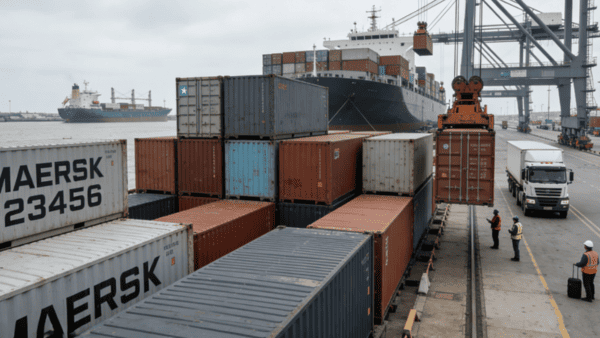
What core commodity groups are shipped via frequent Ningbo to Busan sea freight services?
Multiple mainstream cargo categories depend on regular high-frequency shipping arrangements on this route, and each commodity group requires customized container stowage planning and phased shipment scheduling to ensure transportation stability.
Industrial raw materials and production auxiliary accessories: Production-supporting commodities represent the largest cargo volume on this short-sea corridor, requiring stable weekly carrier space allocation to maintain factory continuous manufacturing operations. A common mistake is arranging irregular ad-hoc bookings for production-critical materials, which may trigger raw material supply shortages and production line suspension risks.
Finished electronic hardware and mechanical assembly components: High-precision industrial finished parts require fixed reliable liner schedules and careful container loading plans to prevent vibration impact and collision damage during short-distance ocean voyages. Forwarders should note that these sensitive goods require professional shock-resistant packaging and segregated stowage separate from heavy bulk cargo.
Cross-border e-commerce parcels and general retail merchandise: Small-batch and multi-batch retail commodities require flexible high-frequency LCL consolidation and expedited customs clearance procedures to support timely regional market distribution. The recommended approach is to launch weekly fixed consolidation schedules for e-commerce merchants to achieve continuous small-scale inventory replenishment.
Returned defective goods and temporary cross-border transit cargo: Commodity return shipments and temporary transshipment consignments feature flexible shipment time windows, requiring forwarders to provide adjustable temporary booking and simplified documentary processing support. Such cargo generally applies for simplified customs declaration schemes to shorten overall port processing lead time.
What are the verified transit time and weekly sailing frequency for this short-sea route?
The Ningbo to Busan trade lane belongs to the intra-Asia short-sea shipping network, characterized by short voyage distance, fast liner cruising speed and high-density weekly scheduled departures to support efficient cargo circulation.
How many weekly scheduled sailings are currently deployed between the two ports?
According to Drewry 2025 intra-Asia liner deployment monitoring data, the Ningbo-Busan shipping lane operates more than 18 scheduled weekly sailings operated by multiple mainstream global liner carriers, offering forwarders sufficient flexible booking options for diversified client shipment demands. High sailing density supports daily cargo container stuffing arrangements and accommodates urgent shipment requirements from various cargo owners.
What is the standard port-to-port transit duration for general FCL and LCL cargo?
The standard port-to-port sea freight transit time from Ningbo to Busan ranges from 1.5 to 3 calendar days under normal meteorological and navigational conditions. Most conventional FCL and LCL consignments can complete the entire ocean crossing and arrive at Busan port within three working days, enabling rapid cross-border cargo inventory turnover.
What key operational difficulties arise in high-frequency repetitive shipping management?
High-frequency repetitive shipment operations bring sustained operational workload for forwarding teams, with frequent booking revisions, documentary amendments and terminal loading coordination issues affecting overall service delivery stability.
Frequent booking revisions and last-minute cargo cutoff adjustments: Manufacturing and e-commerce clients often adjust shipment volumes and container stuffing schedules at short notice, requiring forwarders to modify confirmed booking plans repeatedly. A common mistake is failing to reserve flexible adjustable carrier space, resulting in additional booking cancellation and amendment surcharges.
Repetitive documentary compilation and cross-document data verification: Multiple batches of similar shipments require repeated document preparation and data validation work, which easily leads to manual data entry errors. Forwarders should note that consistent cargo data across all shipping documents is mandatory to avoid Busan customs clearance hold-ups.
Port berth congestion and temporary vessel berthing sequence changes: Peak port operation periods may cause temporary berthing delays and vessel departure schedule adjustments, interfering with planned cargo delivery timetables. The recommended approach is to monitor real-time port operational announcements and update clients regarding schedule changes in a timely manner.
Cargo incompatibility risks during high-frequency LCL consolidation: Long-term frequent LCL consolidation operations increase the risk of incompatible goods being loaded in the same container, leading to cargo contamination, damage and subsequent claim disputes. Forwarders need to implement strict cargo classification and separate management for each consolidation batch.
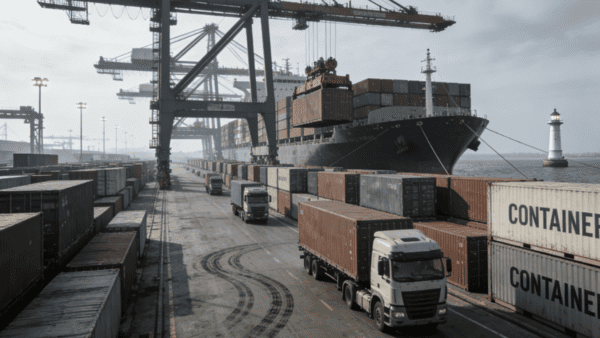
How can forwarders optimize standardized workflows for efficient high-frequency shipment management?
Unified standardized operational workflows help forwarders reduce repetitive manual work, lower operational error rates and improve overall service efficiency for high-frequency Shipping from Ningbo to Busan sea freight management.
Sign long-term fixed carrier space allocation contracts: Execute quarterly or semi-annual stable space reservation agreements with mainstream liner carriers to guarantee adequate and adjustable shipping capacity for regular batch shipments. The recommended approach is to reserve a certain proportion of flexible standby space to cope with temporary client shipment adjustments.
Adopt unified reusable document templates for batch shipments: Apply standardized documentary templates for repeated similar consignments to reduce manual data input workload and minimize amendment error probabilities. Forwarders should note that all core cargo particulars require double verification before document official issuance.
Arrange dedicated staff for daily port and liner coordination: Assign professional operational personnel to communicate and coordinate with Ningbo port terminals and liner agents for real-time loading progress and vessel dynamic updates. Timely information synchronization ensures smooth container loading and scheduled vessel departure.
Implement regular batch shipment inspection and error correction mechanisms: Carry out daily checklist inspections for batch shipments to troubleshoot booking errors, documentary discrepancies and packaging irregularities before cargo stuffing. Early inspection and rectification effectively prevent subsequent customs clearance and destination delivery complications.
How to maintain freight cost stability for long-term high-frequency cooperative projects?
Balancing effective freight cost control and consistent service quality is essential for forwarders to maintain long-term stable cooperative relationships with Sino-Korean cargo owners on this short-sea route.
What is the latest freight fluctuation trend for Ningbo to Busan spot and contract rates?
According to Freightos Baltic Index (FBX) 2026 Q1 short-sea freight monitoring data, FCL and LCL freight rates for Ningbo to Busan maintain mild periodic fluctuations without drastic price surges, providing stable cost budgeting conditions for long-term client logistics financial planning.
Why stable freight budgeting outweighs short-term low spot rates for long-term clients?
Excessive freight rate volatility and unstable low-price temporary bookings will disrupt client logistics cost budgeting and interfere with long-term profit planning. Stable and predictable freight cost arrangements help forwarders maintain steady long-term client cooperation and build credible market brand reputation.
What comprehensive benefits come with professional high-frequency shipping operation management?
Scientific and standardized high-frequency sea freight management enables forwarding companies to upgrade professional service capabilities, mitigate operational risks and consolidate long-term stable partnerships between Chinese and Korean trading enterprises.
Forwarders with mature high-frequency batch shipment management systems can deliver continuous, stable and efficient one-stop logistics solutions for manufacturing and cross-border trade clients, reducing client internal supply chain management pressure and boosting overall operational efficiency. A common mistake is focusing only on single-shipment profit margins without building standardized long-term batch operation systems, restricting sustainable business development.
Through reliable carrier cooperation mechanisms, standardized operational workflows, strict cargo inspection protocols and scientific cost control strategies, forwarders can steadily facilitate smooth Sino-Korean trade exchanges and cargo transportation. Shipping from Ningbo to Busan will continue serving as a core high-frequency short-sea logistics channel supporting stable bilateral trade and industrial supply chain cooperation between China and South Korea.
Last
Why Ningbo to Busan Sea Freight is Critical for Global Carriers
Shipping from Ningbo to Busan serves as a core intra-Asia short-sea shipping trunk line for global liner carriers. It helps shippi
Next
Supporting Retail Supply Chains via Sea Freight from Guangzhou to Dubai
Shipping from Guangzhou to Dubai acts as a critical maritime logistics pillar for global cross-border retail supply chains. It con
