Supporting Retail Supply Chains via Sea Freight from Guangzhou to Dubai
Freight Area
 6-May-2026
Shipping from Guangzhou to Dubai acts as a critical maritime logistics pillar for global cross-border retail supply chains. It connects South China’s consumer goods manufacturing and cargo consolidation hubs with Dubai’s regional distribution centres, supporting continuous inventory replenishment and re-export operations across the entire Middle East region. Professional international freight forwarders deliver stable, cost-efficient and schedule-compliant ocean shipping solutions to help retail operators maintain consistent stock levels, seasonal promotional deployment and reliable in-store shelf availability throughout 2025 and 2026.
What core function does Guangzhou-Dubai sea freight serve in modern retail logistics?
Sea freight forwarding on the Guangzhou to Dubai trade lane provides high-capacity, cost-effective bulk cargo transportation to support end-to-end retail inventory rotation for physical retail outlets, cross-border e-commerce fulfilment centres and regional wholesale distributors in the Middle East market.
How does sea freight differ from air freight for retail restocking cycles?
Air freight is limited to high-cost, time-sensitive emergency replenishment shipments only, while ocean freight offers retail businesses sustainable long-term logistics solutions for bulk cargo shipments and cyclic inventory planning. According to UN Comtrade 2025 official bilateral trade statistics, retail-focused consumer goods account for nearly 65% of total seaborne cargo volume exported from China to the UAE. Forwarders should note that retail supply chain operators prioritize vessel schedule reliability and transit stability rather than minimal freight rates to avoid costly in-store stockouts during peak sales periods.
Why do Middle East retail operators select Guangzhou as a primary sourcing hub?
Guangzhou and its surrounding industrial clusters integrate complete manufacturing, product packaging and finished-goods processing resources that fully match the procurement demands of Dubai-centred retail markets, covering apparel, home lifestyle goods, electronic accessories and daily consumer commodities.
What cargo consolidation advantages does Guangzhou Port offer retail shippers?
Guangzhou Port and its adjacent bonded logistics parks provide mature LCL cargo consolidation, warehouse stuffing and cross-docking services tailored for mixed retail commodity shipments and large-volume FCL retail orders. According to UNCTAD 2025 global port maritime performance data, Guangzhou Port maintains stable weekly liner vessel itineraries for Middle East trade routes, ensuring continuous cargo collection and on-time container loading for retail export shipments.
How does Dubai’s port infrastructure optimize retail distribution efficiency?
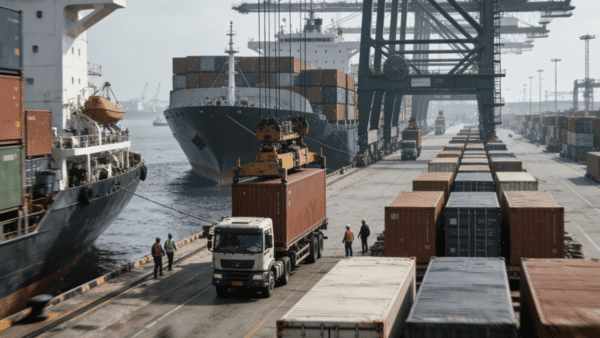
Dubai Jebel Ali Port is equipped with modern container terminal facilities, bonded warehousing storage and efficient inland drayage networks to support fast retail cargo deconsolidation, commodity sorting and last-mile delivery for local retail chains and regional re-export clients. Optimized import customs clearance procedures effectively reduce retail cargo dwell time and accelerate overall shelf replenishment lead times for local retailers.
Which core retail commodity types are shipped via Guangzhou to Dubai sea freight?
Multiple mainstream retail product categories are regularly transported on this ocean trade lane, and each cargo type requires customized packaging, container stowage arrangements and delivery scheduling aligned with seasonal retail promotion cycles and formal inventory planning workflows.
Apparel and fast fashion textile products: Seasonal fast-fashion goods represent one of the most frequent shipment volumes on this route, requiring rigid shipping scheduling aligned with retail seasonal marketing campaigns. The recommended approach is to book fixed weekly liner sailings to support frequent small-batch inventory restocking for Dubai fashion retail chains.
Home lifestyle goods and daily household necessities: High-volume, low-value household commodities occupy substantial LCL and FCL shipping capacity, with logistics planning focused on cost control instead of expedited transit times. Forwarders should note that these goods require professional moisture-proof and shock-resistant packaging to prevent cargo damage during long ocean voyages and terminal storage periods.
Consumer electronics and digital peripheral accessories: High-value electronic retail goods demand stable vessel itineraries and real-time cargo track-and-trace capabilities to avoid replenishment delays that impact retail sales performance. A common mistake is consolidating high-value electronics with heavy industrial cargo within a single LCL container, which significantly increases collision, abrasion and damage risks.
Seasonal festival and holiday promotional merchandise: Holiday-themed retail goods have rigid shipment cutoff deadlines to guarantee on-time shelf placement before peak seasonal shopping events. Forwarders must prioritize early shipping space reservation to avoid vessel rescheduling issues that cause missed promotional launch timelines.
How does sea freight schedule stability impact retail inventory management?
Predictable and consistent ocean freight transit times directly influence retail inventory turnover efficiency and accurate stock allocation planning across Dubai’s entire retail distribution network. Unreliable vessel arrivals lead to either inventory shortages or excessive overstocking, both of which reduce retail business profitability.
What is the current standard transit window for Guangzhou-Dubai retail sea freight?
According to Drewry 2025 liner shipping schedule benchmark data, standard port-to-port sea freight transit duration from Guangzhou to Dubai ranges between 25 and 35 days, subject to different carrier itineraries and seasonal voyage adjustments. Most professional retail supply chain planners adopt a 30-day average transit cycle for monthly restocking budgeting and operational planning.
What operational risks do cargo transit delays create for retailers?
Ocean shipment delays result in retail shelf stockouts, reduced promotional sales revenue and additional emergency air freight expenses for urgent replenishment orders. According to UNCTAD 2025 global supply chain disruption monitoring reports, schedule unreliability on Asia-Middle East trade lanes accounts for approximately 29% of inventory planning errors among Dubai-based retail merchants. A common mistake made by forwarders is selecting low-cost irregular tramp sailings for retail clients without disclosing elevated delay and cargo hold-up risks.
What professional forwarding tactics stabilize retail supply chain shipping operations?
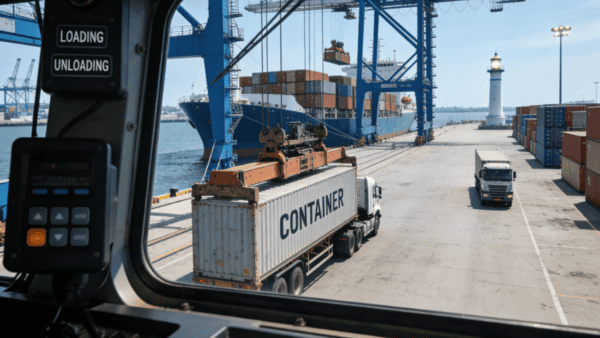
Targeted freight forwarding operational tactics help retail clients balance freight cost control, schedule reliability and cargo safety for long-term stable supply chain management on the Guangzhou-Dubai ocean freight corridor.
Maintain fixed weekly space booking for recurring retail restocking: Fixed weekly shipping space reservations with major liner carriers ensure stable container placement and prevent space shortages during peak shipping seasons. The recommended approach is for forwarders to sign quarterly capacity allocation framework agreements for long-term retail shipper partnerships.
Execute classified LCL consolidation for different retail cargo segments: Category-based cargo consolidation prevents product damage, cross-contamination and sorting discrepancies after cargo arrives at Dubai deconsolidation warehouses. Forwarders should note that mixed stowage of incompatible retail commodities often generates extra terminal handling fees and final delivery delays.
Deliver real-time shipment visibility for retail inventory teams: Regular cargo positioning and voyage progress updates enable retail inventory managers to adjust sales planning and arrange warehouse receiving preparations in advance. This transparent tracking system improves overall cross-department supply chain coordination.
Reserve additional shipping capacity ahead of peak retail seasons: Forwarders must secure extra container space one to two months before major shopping festivals to avoid freight rate surges and capacity unavailability. A common mistake is initiating shipping arrangements only after production completion, which causes forwarders to miss optimal pre-peak booking windows.
How to balance retail freight expenditure and service reliability for 2025–2026?
Retail supply chain logistics requires reasonable balance between freight expenditure management and service stability, as pursuing the lowest possible freight rates alone often leads to unplanned operational losses for retail brand operators. Forwarders need to offer balanced logistics solutions instead of single low-price options.
What is the latest freight fluctuation trend for Guangzhou-Dubai retail LCL cargo?
According to Freightos Baltic Index (FBX) 2026 Q1 latest freight monitoring data, LCL sea freight rates from Guangzhou to Dubai show mild periodic fluctuations without sharp price spikes, creating stable cost conditions for long-term retail logistics budgeting. Predictable freight movements help retail enterprises stabilize product pricing strategies and profit margins within the Middle East consumer market.
Why service reliability outweighs low freight rates for retail clients?
Low-cost yet unstable shipping services frequently cause transit delays, terminal hold-ups and extra miscellaneous charges, resulting in financial losses that far exceed initial freight savings for retail businesses. Reliable scheduled liner services protect retail sales revenue, brand reputation and long-term market share growth. Forwarders should note that retail clients consistently prioritize delivery predictability over minor freight cost differentials in formal long-term cooperation.
How do standardized forwarding services improve long-term retail partnership value?
Retail-focused standardized freight forwarding operations strengthen cooperative trust between forwarders, Chinese retail exporters and Dubai retail distributors, forming stable, sustainable long-term supply chain partnerships.
Forwarders specializing in retail supply chain support provide customized voyage scheduling, professional cargo consolidation, standardized document compliance processing and emergency disruption resolution services for clients. These value-added logistics services reduce retail internal supply chain management workload and improve overall operational efficiency. A common mistake among general forwarders is applying identical shipping protocols for both industrial cargo and retail goods, ignoring retail-specific inventory cycle characteristics.
By optimizing booking strategies, cargo consolidation management, real-time schedule monitoring and cost-balanced logistics planning, forwarders can effectively support continuous retail commodity circulation and Middle East market sales expansion. Shipping from Guangzhou to Dubai remains a core, irreplaceable logistics channel for maintaining stable and scalable retail supply chain operations between China and the Middle East region.
Last
Managing High-Frequency Sea Freight from Ningbo to Busan
Shipping from Ningbo to Busan serves as a critical intra-Asia short-sea liner route, connecting Ningbo Zhoushan Port, China’s majo
Next
Certification of Origin Procedures for Guangzhou-Dubai Sea Freight
Shipping from Guangzhou to Dubai depends on fully compliant and correctly filed certification of origin documents to facilitate ha
