What Does In Transit Mean for a Package?
Freight Knowledge
 17-Nov-2026
In transit means a package is progressing through a carrier’s network toward delivery. It may be traveling between facilities or waiting for processing at one. The status alone does not confirm its exact location, promise delivery today, or mean it is lost. Check the latest detailed event and delivery estimate together.
Your order has shipped, but the tracking page still says “In Transit.” Without a new location or delivery scan, it can be difficult to tell whether the parcel is making progress or needs attention.
The useful distinction is between a broad journey status and a specific tracking event. Understanding that difference helps you judge a quiet tracking page, recognize a request that needs action, and contact the right party with information they can investigate.
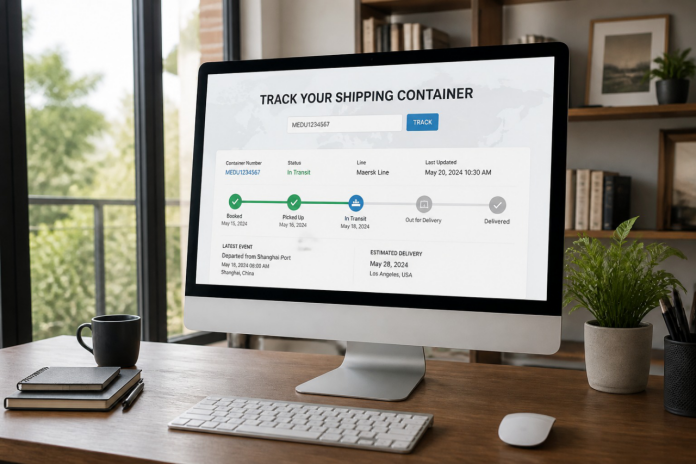
What Does “In Transit” Mean?
The phrase “in transit” means that delivery is still in progress. It covers part of the journey through the carrier’s network, rather than a single physical activity. A parcel may be on a truck, at a sorting center, or awaiting its next connection.
FedEx specifically explains that this status can apply while a package is at a facility, rather than in a moving vehicle. Tracking therefore should not be read as a live map. A timestamp tells you when an event or update was recorded; it does not necessarily show where the parcel is now.
For a recipient, the next question is whether the latest event fits the expected delivery window. “In Transit” before that window ends can be routine. The same wording after a missed estimate deserves a closer look at the history and the carrier’s guidance.
How Is In Transit Different From Other Tracking Statuses?
Tracking labels describe different stages of a shipment. Comparing them makes it easier to understand where the package is and what should happen next.
Label Created or Awaiting Carrier Acceptance
A created label means shipment information exists, but it does not by itself prove the carrier has received the parcel. If there is no acceptance event, ask the seller or sender whether it has actually been handed over.
Also read partner messages carefully. “USPS Awaiting Item” can mean another shipping partner has the parcel before its transfer to USPS. Contacting the shipper can help establish which company currently handles that leg.
In Transit or Moving Through the Network
This is the broader travel and processing stage before final delivery. UPS uses “Shipped/On the Way” for a comparable stage and notes that long-distance shipments may not receive another scan until the destination hub.
Look for arrival and departure events to understand progress. A facility arrival is useful evidence of a recorded checkpoint, but it does not automatically mean the parcel is ready for collection.
Out for Delivery
This is a later stage associated with the local delivery operation. It is a stronger indication of a delivery attempt that day than a generic in-transit message, although an unsuccessful attempt or operational disruption can still change the outcome.
Check for signature requirements, access instructions, or an updated delivery window. Avoid assuming that a package will arrive with your regular letter mail or at the same time as previous deliveries.
Delivered or Delivery Exception
“Delivered” records completion of a delivery event; inspect the location details or proof of delivery if the parcel is not where expected. An exception instead flags an issue that may change progress or timing.
Read the exception reason before acting. An address problem may require confirmation from the sender, while a network disruption may require waiting for a revised estimate.
Why Can a Package Stay In Transit Without New Updates?
A package may stay marked “In Transit” for a while because tracking updates do not always appear in real time. The reasons behind that delay vary across the shipping journey.
Sorting and Transfers Between Facilities
Parcels pass through processing points before reaching the local delivery area. They may wait for sorting or a scheduled onward connection, so the headline status can remain unchanged between milestones.
Compare the detailed history rather than counting repeated status messages. A new facility event can be useful progress even when the top of the page still says “In Transit.”
Gaps Between Tracking Scans
Tracking records checkpoints rather than every mile traveled. A departure scan followed by a quiet period does not establish that the package has stopped. It may simply be between the locations where updates are recorded.
For example, a hypothetical parcel that leaves a hub on Monday evening may show no new location on Tuesday morning. That gap alone is insufficient to diagnose a problem; compare it with the service estimate and any later events.
Customs Processing on International Routes
International parcels may pass through customs and transfer between delivery partners before reaching their destination. DHL explains that customs tracking often relies on milestone updates, so tracking information may remain unchanged while clearance is underway.
Check for any requests for additional documents, customs duties, or recipient information through the carrier's official website. A parcel may also need time to transfer to a local delivery partner after clearing customs.
For international shipments moving by sea, tracking the container can provide more visibility into the journey. Businesses can track your shipping container through JCtrans to follow shipment progress and better coordinate customs clearance and inland delivery.
Weather, Capacity, or Routing Delays
Bad weather, busy sorting centers, and changes to transportation routes can delay a package even when its tracking status remains "in transit." For example, a missed flight connection or a backlog at a distribution center may delay the next tracking update and push back the estimated delivery date.
Check the carrier's service alerts for disruptions along your package's route. If the expected delivery date has passed and tracking hasn't updated, contact the carrier with your tracking number to request more information about the delay.
How Long Can a Package Remain In Transit?
A package may remain marked "in transit" for several days without being delayed. For most domestic U.S. shipments, delivery typically takes around 1–5 business days, while economy services may take up to 7 business days. International packages can take a week or longer, depending on the destination and shipping service.
Here are some useful reference times:
l USPS: Priority Mail typically takes 2–3 days, while Ground Advantage takes 2–5 days.
l UPS and FedEx: Standard ground shipping generally takes 1–5 business days. FedEx Ground Economy can take 2–7 business days.
l International shipping: USPS Priority Mail International usually takes 6–10 business days, while DHL Parcel International Direct typically takes 3–10 business days.
These are expected delivery times, so a package may remain in transit longer if it encounters customs processing, transportation delays, or carrier backlogs.
If tracking hasn't changed for several days, compare the last scan with the estimated delivery date. Once that date has passed, contact the carrier for an update. For USPS, you can also submit a Missing Mail search starting seven days after mailing.
What Should You Do When a Package Seems Stuck In Transit?
If tracking has not changed for several days, check the latest scan and expected delivery window before assuming the package is lost. A few practical steps can help you decide what to do next.
Step 1. Check the Latest Scan and Expected Delivery Date
Enter the tracking number on the carrier’s official website. Open the full event history and record the latest location, timestamp, delivery estimate, and any exception. Confirm that you are using a shipment tracking number, not the store’s order number. You are ready to continue when you can identify the last checkpoint and whether the delivery window has passed.
Step 2. Review the Carrier’s Delay and Service Guidance
Check the service standard, relevant route alerts, and instructions shown for your tracking result. Follow any verified request for address information, clearance documents, or delivery arrangements. For an international handoff, check whether a destination partner is named. Establish whether the carrier recommends continued monitoring or permits an enquiry for this shipment.
Step 3. Contact the Shipper or Carrier With Tracking Details
If your package has passed its expected delivery date, contact the carrier or seller with your tracking number, shipping date, and latest tracking update. Ask them to check the package's location and open an investigation if needed. Save the case number and expected response date so you know when to follow up.
For businesses that regularly ship goods internationally, working with a reliable freight forwarder can also make shipment coordination and tracking easier. You can find a freight forwarding partner through JCtrans to help manage future shipments.
Conclusion
An in-transit status tells you that the delivery journey is still underway, but it cannot explain every pause. The most useful evidence is the last detailed event read alongside the service’s delivery window and any specific instruction.
Check those details first. When the estimate has passed or tracking asks for action, contact the appropriate shipper or carrier with the shipment history and a clear request for the next investigation step.
Frequently Asked Questions
What Does In Transit Mean on USPS Tracking?
USPS groups “In Transit” within its moving-through-network statuses. It indicates processing or transportation toward the delivering Post Office, rather than confirmation of final delivery. Read the latest facility event and delivery estimate for context. “USPS Awaiting Item” is different: USPS may not yet have received the parcel from the sender or shipping partner.
Can an In-Transit Package Arrive Today?
It can, but “In Transit” alone is not enough to plan around a same-day arrival. Check the current delivery estimate and whether a local delivery event appears. “Out for Delivery” is a stronger signal of an attempt that day. Continue checking for changes if access, signature arrangements, or an exception could affect delivery.
Does In Transit Mean a Package Is Lost?
No. The status does not establish loss, and a scan gap can occur during an otherwise normal journey. A missed delivery window, unresolved exception, or carrier investigation provides more useful evidence. Follow the carrier’s search guidance and keep any seller or claim deadlines in view while the shipment is being investigated.
Last
Largest Ports in the U.S.: Container Traffic, Tonnage and Shipping Choices
Los Angeles leads the 2025 container comparison, while Houston ranks first in the 2023 USACE cargo-tonnage series published in the
Next
ETD Meaning in Shipping: Departure Estimates and Schedule Changes
ETD means estimated time of departure: the expected departure of a vessel from a stated port. It supports planning but does not co
