Houthis Claim Attack on Cargo Ship Carrying Saudi Military Equipment, Renewing Concerns Over Commercial Shipping in the Bab el-Mandeb Strait
Freight Knowledge
 17-Aug-2026
Security risks to Red Sea shipping have increased again. On August 11, local time, a small cargo ship was attacked and caught fire near Yemen’s Port of Mokha, close to the entrance to the Bab el-Mandeb Strait. The Houthis subsequently claimed that the target was a vessel carrying Saudi military equipment. As further details emerged about the vessel’s identity, the nature of its cargo, and the casualties, the safety of commercial shipping through the Bab el-Mandeb Strait again drew market attention.
Key Highlights
• Attacked vessel believed to be Tihamah: The vessel is approximately 520 dwt, sails under the Tanzanian flag, and is owned and managed by an Egyptian company.
• Conflicting claims over the cargo: The Houthis claimed that the vessel was carrying Saudi military equipment, while Yemeni authorities said it was transporting food.
• Six killed and ten injured: The fatalities included four crew members and two rescuers, while another ten people were injured.
• Risks increase around the Port of Mokha: The port and surrounding area have recently experienced several rounds of attacks.
• Red Sea routes require close monitoring: Changes to sailing schedules, rerouting arrangements, and transportation costs require continued attention from freight forwarders.
Tihamah Identified as the Likely Target
According to Reuters and maritime media reports, the vessel attacked was most likely Tihamah. Publicly available information shows that the vessel is approximately 520 dwt, was built in 2024, is around 63 meters long, and sails under the Tanzanian flag. Vessel records list the Egyptian company Thubab for Marine Services as its owner and manager. The vessel had departed from the Port of Mokha in Yemen. However, the parties have provided conflicting accounts of what the vessel was carrying, which remains one of the main points of dispute surrounding the incident.
Conflicting Claims Over the Nature of the Cargo
Following the incident, the Houthis said through the Houthi-controlled Al Masirah television channel that they had struck a vessel carrying Saudi military equipment in the Bab el-Mandeb Strait. They did not disclose the name of the target vessel. Yemeni authorities, however, said that the vessel was carrying civilian food supplies.
The available information concerning the vessel’s ownership and flag is relatively clear, but the nature of its cargo remains disputed. Freight forwarders should therefore not treat the Houthi claim as confirmed before further independent information becomes available.
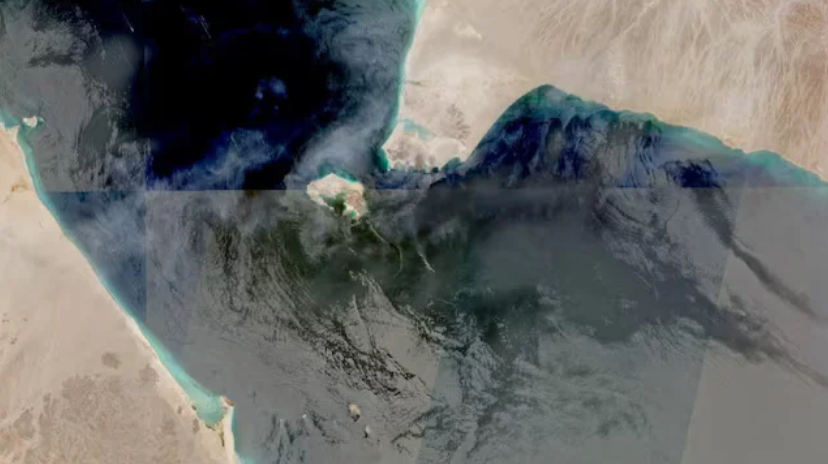
△ Bab el-Mandeb Strait
Attack Leaves Six Dead and Ten Injured
According to relevant reports, the midship section of the cargo vessel appeared to have been struck by a projectile, causing a fire. Yemeni personnel were subsequently sent to the scene to conduct rescue operations, but the situation worsened when the rescuers also came under attack.
Based on currently available information, the incident killed six people and injured ten. The fatalities included four crew members and two rescuers. The injured included seven crew members, two Coast Guard personnel, and one member of the navy. The casualty figures may be updated as the investigation continues.
Repeated Attacks Put the Mokha Area Back in Focus
The attack on the commercial vessel was not an isolated incident. Several rounds of attacks involving drones and ballistic missiles have recently occurred at the Port of Mokha and in the surrounding area. Following these repeated security incidents, the area extending from Mokha to the southern entrance to the Bab el-Mandeb Strait is drawing further attention.
For the international shipping market, the key issue is whether the attacks continue and whether carriers reassess their routing and sailing arrangements in the Red Sea and Gulf of Aden as a result.
Freight Forwarders Should Monitor Red Sea Service Changes
The Bab el-Mandeb Strait connects the Red Sea with the Gulf of Aden and is an important passage for Asia–Europe trade lanes and routes serving the Middle East and East Africa. If regional risks persist, the impact could spread to sailing schedules, rerouting arrangements, capacity, and transportation costs.
For cargo that has already been booked or is in transit, freight forwarders should promptly confirm vessel positions, estimated arrival times, and onward voyages. They should also monitor whether carriers issue security advisories or adjust their routes. For cargo scheduled to pass through the Red Sea in the near term, particular attention should be paid to the risk of schedule delays, with sufficient time allowed for possible transportation adjustments.
Sources
CCTV News, Reuters, The Maritime Executive, Seafarers’ Home, and other publicly available sources
Disclaimer
This article has been compiled from publicly available information and is intended solely for reference within the international logistics industry. For specific vessel and service arrangements, please refer to the latest notices issued by carriers, ports, and relevant authorities.
Last
Vessel and Container Shortages Disrupt Shipments as Congestion Spreads Across Singapore and Colombo, Putting Indian Exporters Under Pressure
India’s export logistics sector is facing renewed transportation pressure. As congestion worsens at Singapore and Colombo, two maj

Next
Strait of Hormuz Reopening Remains Uncertain as United States Claims Control and Iran Says Waterway Is Still Closed
Whether commercial shipping can resume through the Strait of Hormuz remains a key concern for the global shipping market. On Augus
