Maximizing container weight distribution balance for high density heavy steel coils using an advanced 40ft high load container stowage principle
Freight Knowledge
 11-Jun-2026
What Is the 40ft High Load Container Stowage Principle for Heavy Steel Coil Shipments?
The 40ft high load container stowage principle refers to standardized cargo placement, weight allocation, and lashing protocols designed for over-height, high-density freight loaded in 40ft high cube containers. This set of operational guidelines is widely adopted in industrial steel coil logistics to mitigate stowage imbalance and structural stress risks. It prioritizes uniform floor load dispersion, centralized gravity control, and balanced structural stress distribution to accommodate the unique physical properties of heavy industrial steel coils.
Unlike conventional stowage protocols for general cargo, this principle addresses concentrated point-load characteristics of steel coils and the expanded vertical capacity of high-load containers, bridging technical gaps in heavy industrial containerized shipping. It serves as a practical operational benchmark for forwarders handling overweight, high-density metal cargo in cross-border maritime transportation scenarios.
High-density heavy steel coils are essential raw materials for automotive manufacturing, structural construction, and metal fabrication sectors, with unit weights typically ranging from 8 to 28 tons. According to UNCTAD 2024 global maritime freight statistics, steel-related containerized cargo accounts for 18.7% of total 40ft high load container throughput in global trade. Industry data indicates that over 60% of steel coil maritime cargo claims are associated with improper stowage and uneven weight distribution.
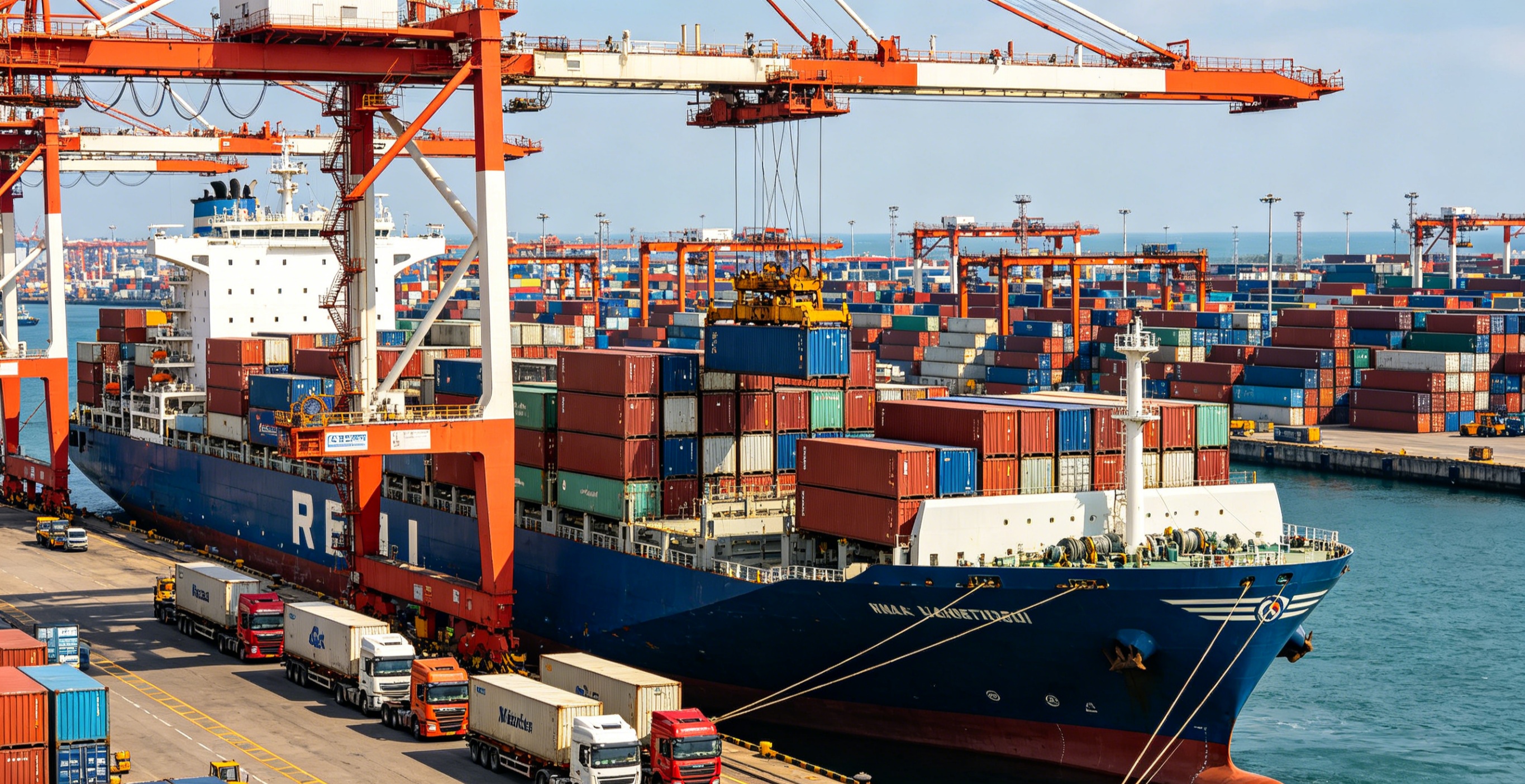
Forwarders should note that conventional general-cargo stowage methods are incompatible with steel coil transportation requirements. Concentrated dead weight can trigger structural damage to container flooring, inconsistent vessel stability parameters, and cargo displacement during transoceanic voyages. The core framework of this stowage principle includes three key dimensions: compliance with container floor load thresholds, longitudinal and transverse gravity balance, and cargo-specific securing configuration.
This guideline fully utilizes the vertical space advantages of 40ft high load containers while imposing precise controls on horizontal weight layout, keeping container gravity centers within safe tolerance ranges defined by international maritime conventions. In field operations, practitioners adjust the principle dynamically based on steel coil dimensions, unit weight, and carrier stowage plans to avoid rigid, one-size-fits-all operational arrangements.
Why Weight Distribution Balance Is Critical for Steel Coil Container Shipping Safety
Weight distribution balance acts as a fundamental safety prerequisite for 40ft high load containerized steel coil shipments, governing container structural integrity, vessel seakeeping performance, and cargo intactness throughout intermodal logistics chains. Heavy steel coils generate concentrated static and dynamic loads that impose sustained structural pressure on container floors and side panels, a risk rarely observed in light general cargo stowage scenarios.
How does unbalanced stowage affect container structural safety?
A common mistake among frontline loading operators is prioritizing loading volume efficiency over balanced weight allocation, arranging steel coils arbitrarily to maximize cargo capacity while overlooking local overloading hazards. According to Drewry 2025 maritime cargo risk assessment reports, uneven steel coil weight distribution contributes to 58% of structural deformation cases and 42% of cargo shift incidents involving 40ft high load containers in global shipping routes.
These operational irregularities result in tangible financial losses, including cargo damage compensation, port detention charges, and vessel schedule delay penalties. Such additional expenditures compress profit margins for freight forwarding firms and weaken long-term client cooperation stability in industrial cargo logistics markets.
How does gravity imbalance impact vessel navigation safety?
Unbalanced container weight distribution creates uneven deck and hold load bearing on carrying vessels, disrupting overall hull stability and anti-rolling performance. Under adverse meteorological and sea conditions such as strong winds and swell waves, containers with offset gravity centers exhibit higher probabilities of lateral shifting, stack dislocation, and onboard displacement.
Such anomalies increase maritime operational risks and may trigger emergency port diversion or cargo reinforcement procedures. Additionally, eccentric weight loading induces abnormal stress on container lifting lug points during terminal crane operations, raising equipment failure and container slippage risks at loading and discharging ports.
What business value does standardized balance stowage bring to forwarders?
Standardized weight-balanced stowage represents a core indicator of professional service capability and risk management maturity for freight forwarding enterprises. In recent years, major global carriers have progressively tightened container weight verification and stowage inspection protocols.
Shipments with non-compliant weight distribution may face shore-side rejection or mandatory re-stowage at berth, generating extra time and operational costs. Consistent adherence to balanced stowage standards helps forwarders reduce freight risk exposure, enhance client credibility, and strengthen market competitiveness in the specialized heavy industrial cargo shipping segment.
What Core Weight Distribution Rules Govern Steel Coil Stowage in 40ft High Load Containers?
Practical weight distribution criteria derived from the 40ft high load container stowage principle form the operational foundation for balanced steel coil loading. These rules cover longitudinal layout symmetry, transverse gravity centering, local point-load limitation, and overall gravity height regulation, formulated in line with container mechanical specifications and international maritime safety codes.
Longitudinal symmetrical weight layout: The recommended approach is to arrange steel coils evenly along the container’s central longitudinal axis, avoiding concentrated stacking at the front section, rear section, or door-end area. Industry operational conventions suggest controlling front-rear weight differential within 10% of total cargo mass to mitigate longitudinal gravity offset and vessel trim irregularities. For multi-coil shipments, operators disperse cargo units by quantity and weight across front, middle, and rear container zones to form uniform longitudinal load distribution.
Transverse central gravity control: All steel coil units should align with the container’s transverse centerline, with lateral gravity deviation limited within 5 centimeters in routine operations. Forwarders should note that transverse eccentric loading tends to induce container side wall stress concentration and vessel rolling instability more frequently than longitudinal imbalance. For asymmetric coil combinations, operators implement counterweight adjustment via buffered support pads and rational position rearrangement to ensure uniform transverse structural stress.
Single-point floor load limitation: Steel coils generate concentrated point loads on container flooring, requiring full compliance with UNCTAD 2024 container structural load specifications. The permissible local floor bearing pressure for individual steel coil units is capped at 4.5 tons per square meter. Field crews deploy thick wooden dunnage or steel base plates at cargo contact points to convert concentrated point loads into dispersed surface loads, preventing floor cracking and structural deformation.
Overall gravity height calibration: Leveraging the enhanced vertical clearance of 40ft high load containers, practitioners maintain the overall cargo gravity center below 2.2 meters from the container base. Elevated gravity centers reduce shipment stability and amplify cargo oscillation during vessel transit. Layered stacking of steel coils is not encouraged unless customized supportive frameworks and reinforced lashing systems are installed to secure upper-tier cargo units.
How to Optimize Stowage Operations to Achieve Maximum Weight Balance for Steel Coils?
Complying with fundamental weight distribution rules, targeted operational optimization strategies further improve stowage balance and shipment safety while utilizing the structural advantages of 40ft high load containers. Standardized procedural controls minimize human-induced errors and enable refined load distribution management.
Pre-loading cargo classification and layout planning: Prior to formal loading, forwarders categorize steel coils by unit weight, outer diameter, and inner bore specifications. Heavier, larger-diameter coils are positioned in the central gravity-stable zone of the container, while lighter, smaller units fill balancing positions at both ends. This classified layout method reduces local overloading risks arising from unregulated mixed stowage of heterogeneous coil specifications.
Real-time load data validation during loading: The recommended approach is to deploy professional container load-measuring devices to monitor regional bearing pressure throughout the loading process. Referencing Freightos Baltic Index (FBX) 2025 operational safety guidelines, crews conduct real-time data comparison and positional adjustment to keep zonal container loads within acceptable balanced ranges, reducing reliance on empirical judgment.
Gap filling and dynamic anti-shake securing: A common mistake in steel coil stowage is neglecting interstitial gaps between cargo units, which allows positional shifting and passive weight redistribution during vessel motion. Operators apply tailored wooden wedges, rubber buffer mats, and high-tensile steel lashing belts to eliminate cargo gaps and integrate discrete coils into a unified stable assembly, sustaining consistent weight distribution during full transit cycles.
Post-loading gravity recalibration and fine-tuning: Upon completion of loading works, teams conduct comprehensive verification of overall container gravity and local load uniformity. Inspectors cross-check stowage conditions against carrier stowage plans and international container transport standards, implementing minor positional adjustments for non-compliant zones to achieve stable, balanced load configuration.
What Operational Risks Arise from Non-compliant Steel Coil Stowage?
Deviations from the 40ft high load container stowage principle and balanced weight distribution standards trigger cumulative risks involving cargo integrity, container equipment safety, and operational compliance. Most freight incidents stem from recurrent minor stowage irregularities overlooked in daily field operations.
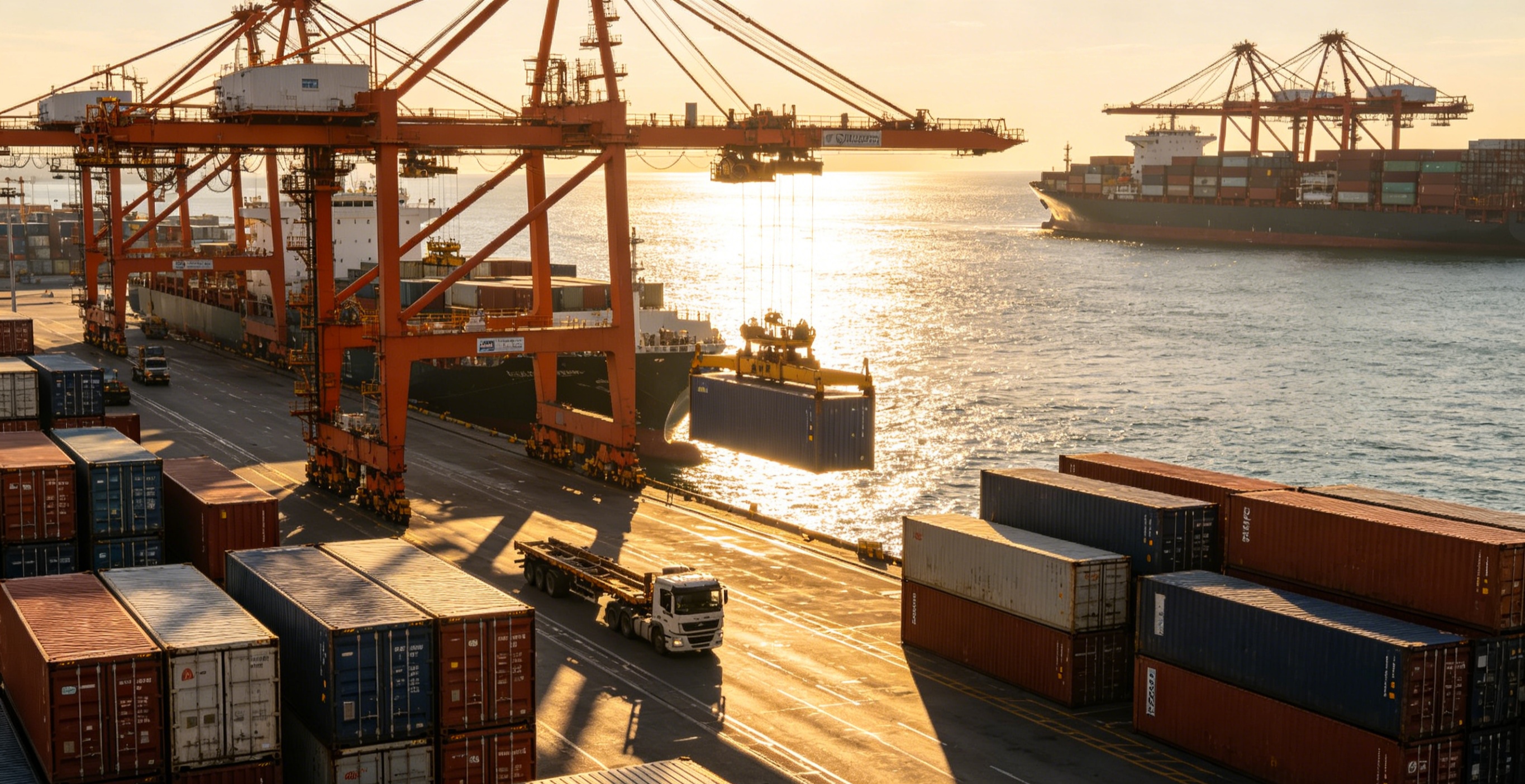
Cargo damage risks from unbalanced stowage
Unbalanced cargo layout causes continuous mutual extrusion and frictional contact between steel coils during vessel rolling and vertical jolting. Such mechanical interaction leads to edge deformation, surface abrasion, and structural collapse of individual coil units. According to ITC Trade Map 2024 global steel logistics data, the average economic loss per steel coil damage incident linked to stowage irregularities exceeds 12,000 US dollars, affecting both forwarder operational benefits and cargo owner asset value.
Container and terminal equipment safety hazards
Localized overloading of steel coils imposes excessive stress on container bottom cross beams and floor panels, resulting in permanent structural distortion and container depreciation or scrappage. Severe structural defects may suspend terminal loading operations for safety inspections, triggering vessel berthing delays and incremental terminal handling costs. Forwarders should note that damaged containers incur additional maintenance and replacement expenditures, disrupting corporate container asset turnover efficiency.
Industry compliance and credit risks
Major shipping lines and port authorities have established systematic inspection protocols for heavy steel coil cargo stowage. Non-compliant weight balance configurations may lead to cargo shipment rejection, on-site detention for rectification, and adverse records in enterprise operational credit files. Persistent non-standard operational practices weaken corporate qualification credentials in global freight cooperation networks and hinder sustained business expansion.
How Do Forwarders Sustain Standardized Stowage Management for Steel Coil Shipments?
Long-term standardized stowage management underpins risk control and service quality improvement for steel coil freight businesses, requiring procedural standardization, professional workforce training, and digital refined management. Systematic operational mechanisms stabilize stowage quality for recurrent 40ft high load container shipments.
Develop classified operational guideline documents: Forwarders should compile exclusive standard operating procedures for steel coil container transportation, specifying detailed stowage benchmarks, weight balance parameters, and lashing processes for diverse coil weights and dimensions. Internal guidelines require regular updates to align with the latest maritime safety regulations and carrier operational requirements, maintaining procedural rationality and industry compatibility.
Deliver regular professional skill training: Enterprises organize periodic training sessions focusing on 40ft high load container heavy cargo logistics, covering weight distribution mechanisms, risk identification methodologies, and standardized securing techniques. Targeted training reduces irregular empirical operations and improves the overall professional proficiency of loading and supervisory teams.
Adopt digital stowage simulation tools: The recommended approach is to utilize professional container load simulation software for pre-loading stowage scheme modeling. Digital calculation generates optimized cargo placement layouts and balanced weight allocation solutions, minimizing manual adjustment errors and enhancing stowage accuracy and operational efficiency.
Optimize multi-level pre-shipment inspection mechanisms: Implement a three-tier inspection framework consisting of operator self-inspection, team cross-inspection, and supervisor final verification for steel coil loading operations. Inspectors focus on weight distribution uniformity, cargo securing firmness, and container structural soundness to ensure full compliance with the 40ft high load container stowage principle and international freight safety specifications for every shipment.
Within the global heavy industrial freight sector with evolving safety protocols and refined risk control frameworks, scientific weight distribution management serves as a core operational capability for forwarders undertaking steel coil shipping businesses. Consistent implementation of the advanced 40ft high load container stowage principle mitigates prevalent safety hazards in high-density heavy steel coil transportation, lowers cargo damage and operational incident frequencies, helps forwarding enterprises cultivate standardized professional service capabilities, and supports steady business development in global steel product container logistics markets.
Last
Preventing highway axle overload citations during final inland drayage by auditing terminal setups against a 40ft high load container stowage principle
What Is the Link Between 40ft High Load Container Stowage Principle and Inland Drayage Axle Load Compliance?The 40ft high load con
Next
Step by step reefer technician troubleshooting manuals designed for streamlining the standard terminal yard reefer container RF ptl inspection process
A standardized reefer container rf ptl inspection process requires systematic technician troubleshooting procedures to reduce term
