Mitigating cargo damage liability risks at origin terminals by analyzing the clear CPT vs CFR difference
Freight Knowledge
 11-Jun-2026
Professional global forwarders rely on a precise understanding of the cpt vs cfr difference to clarify liability demarcation and mitigate cargo damage exposure during origin terminal handling and pre-carriage logistics operations. Cargo scratches, water damage, container deformation and partial loss frequently occur within port terminal yards, with most commercial disputes arising from inconsistent interpretation of Incoterms 2020 risk transfer rules. Logistics risk teams can optimize terminal operational protocols and reduce controllable losses through standardized differentiation of CPT and CFR contractual obligations.
What liability boundary differences exist between CPT and CFR at origin terminals?
CPT and CFR define separate risk allocation and liability scopes for cargo handling activities conducted at origin terminals and pre-carriage transit segments. CFR limits seller liability to pre-loading terminal procedures for sea freight, while CPT extends seller accountability to cover full terminal handover and first-carrier delivery across all transport modes.
Forwarders should note that common origin terminal risks include structural damage during container stuffing, compressive deformation from improper stacking, surface scratches during mechanical handling, and moisture contamination during temporary yard storage. These terminal-specific hazards receive insufficient operational attention, as most teams prioritize long-haul transit safety rather than pre-shipment terminal supervision.
A common mistake is adopting uniform liability judgment standards for terminal cargo damage without distinguishing trade term clauses. The nuanced cpt vs cfr difference reshapes liability attribution for terminal operational errors, influencing claim filing strategies and internal loss allocation for freight forwarding enterprises.
Why do terminal damage disputes differ across CFR and CPT application scenarios?
Varied risk transfer timelines under CFR and CPT generate distinct dispute frameworks for cargo damage recorded at origin terminals and pre-transit stages. CFR triggers risk transfer post vessel loading, whereas CPT transfers risk upon formal handover to the initial contracted carrier, creating mismatched liability coverage for terminal workflows.
According to UNCTAD 2024 global maritime logistics reports, a notable share of modern cargo liability disputes originate from terminal handling irregularities, rather than open-ocean transit incidents. Ambiguous Incoterms application contributes to most cross-party disputes regarding terminal damage compensation and liability sharing.
The recommended approach is to complete term-based liability classification prior to formal claim negotiations for terminal damage events. Standardized rule-based assessment helps reduce redundant communication and unproductive claim attempts caused by contractual misunderstanding.
CFR terminal liability scope: Under CFR provisions, sellers retain liability for all cargo damage and shortages occurring within origin terminals before vessel loading. Once goods cross the ship’s rail, residual terminal risks and subsequent in-transit exposure transfer to the buyer.
CPT terminal liability scope: Under CPT provisions, sellers maintain liability for terminal handling damage until verified handover to the first official carrier. Pre-carriage damage incurred after terminal departure yet before carrier acceptance falls under seller accountability.
Multi-modal dispute triggers: Forwarders should note that integrated sea-road-rail terminal operations expand dispute probabilities. Traditional CFR risk assessment frameworks struggle to adapt to hybrid multi-modal terminal workflows common in contemporary global logistics.
How does CFR guide terminal risk control for pure sea freight shipments?
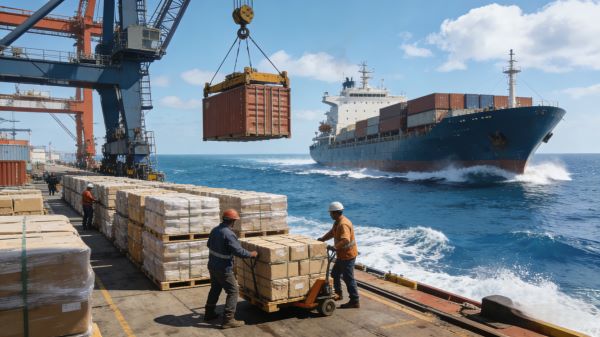
CFR’s mode restriction to sea and inland waterway transport establishes standardized terminal risk control protocols for conventional port-to-port ocean freight shipments. All pre-loading terminal workflows fall within seller supervision obligations under Incoterms 2020 CFR rules.
Pure sea freight terminal operations feature standardized procedures and limited cross-mode handover links, supporting stable risk management implementation. Forwarders can build repeatable supervision workflows to regulate stuffing, storage and loading activities for CFR-based orders.
A common mistake is scaling back terminal supervision after container stuffing completion for CFR shipments. Temporary yard storage, stacking rearrangement and final loading procedures carry persistent damage risks that require continuous operational oversight.
How does CPT improve risk supervision for complex multi-modal terminal operations?
CPT’s mode-neutral design delivers inclusive risk supervision guidelines for sophisticated multi-modal terminal operations combining sea, road and rail transport. It covers pre-carriage and cross-mode handover segments that remain unregulated under standard CFR provisions.
According to ITC Trade Map 2025 logistics risk analytics, multi-modal cargoes present higher terminal damage exposure compared to pure sea freight, due to repeated handling and cross-operator handover procedures. Structured CPT-aligned risk protocols help mitigate such operational vulnerabilities effectively.
Full-process operational documentation: The recommended approach is to maintain continuous video surveillance and detailed operational records for CPT multi-modal terminal cargoes. Complete archived data supports objective liability division during post-damage dispute resolution.
Formal cross-mode handover validation: Forwarders should note that all inter-carrier terminal handovers for CPT shipments require signed written confirmation. Unverified handover procedures create ambiguous liability boundaries for subsequent cargo anomalies.
Dynamic on-site risk evaluation: Regular terminal environment assessments covering humidity levels, stacking configurations and handling equipment status are advisable for CPT orders. Adaptive storage and handling adjustments reduce environment-induced and mechanical damage risks.
What common operational errors increase terminal liability exposure?
Operational irregularities stemming from insufficient awareness of the cpt vs cfr difference contribute to elevated terminal cargo damage liability exposure. Work routines suitable for CFR sea freight scenarios often create unaddressed liability gaps in multi-modal CPT logistics environments.
Uniform supervision across different terms: A common mistake is applying identical terminal supervision protocols to both CFR and CPT orders. CPT requires extended risk monitoring cycles, while blanket supervision strategies generate unnecessary costs for CFR shipments and insufficient oversight for CPT shipments.
Delayed handover document submission: Forwarders should note that incomplete or late document filing serves as a major barrier to liability exemption for terminal damage incidents. CPT logistics involve more handover paperwork than CFR workflows, increasing administrative risk exposure.
Neglected pre-carriage risk management: Many operational teams focus solely on terminal yard supervision while overlooking road or rail pre-carriage risks post-terminal departure. CPT rules retain seller liability for these transitional pre-carriage segments.
What differentiated strategies reduce terminal damage risks for CFR and CPT?
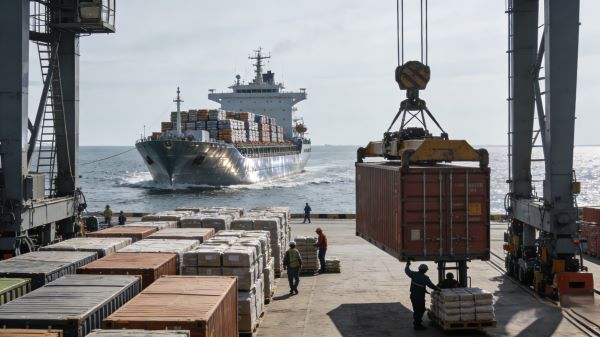
Targeted risk mitigation strategies aligned with the cpt vs cfr difference support forwarders in lowering terminal damage frequencies and standardizing liability attribution. Term-specific refined risk management represents one of the commonly adopted approaches for modern logistics operational optimization.
According to Drewry 2024 global freight risk benchmark data, logistics providers implementing term-classified terminal risk management record lower cargo damage dispute rates compared with peers relying on unified operational frameworks.
CFR-focused risk mitigation tactics: The recommended approach is to concentrate supervision resources on container stuffing, temporary yard storage and vessel loading workflows. Timely completion of post-loading risk handover documentation formalizes the conclusion of seller liability under CFR terms.
CPT-focused risk mitigation tactics: Establish extended full-cycle risk management covering terminal operations, cross-modal handovers and pre-carriage transit. Assign dedicated operational staff to track cargo status until official first-carrier acceptance.
Term-aligned insurance configuration: Forwarders should note that CFR shipments require insurance covering terminal handling and ocean transit only. CPT shipments demand integrated insurance schemes to cover multi-modal pre-carriage and terminal operational risk gaps.
How do term-based risk control systems improve forwarder service quality?
Differentiated risk control frameworks built on CPT and CFR contractual distinctions assist freight forwarding firms in stabilizing operational loss rates and sustaining reliable client service quality. As global supply chain structures continue evolving, refined risk management practices help logistics providers maintain stable market competitiveness.
According to WTO 2024 international trade service reports, logistics enterprises with standardized Incoterms-based risk management systems maintain steady client cooperation retention and controlled operational loss levels in cross-border cargo transportation businesses.
The recommended approach for forwarder teams is to integrate training on the cpt vs cfr difference into routine operational skill development. Developing differentiated terminal operation standards, insurance allocation rules and claim processing workflows supports systematic mitigation of origin terminal cargo damage liability risks.
Last
How global marine terminal operators determine what facility safety infrastructure investments justify an ISPS container port security charge
What is ISPS Port Security Charge? It is a regulated maritime security levy that licensed marine terminal operators impose on cont
Next
How operations desks manage multi modal transport planning by understanding the CPT vs CFR difference
Professional freight forwarding operations desks rely heavily on the clear cpt vs cfr difference to design accurate, cost-effectiv
