How operations desks manage multi modal transport planning by understanding the CPT vs CFR difference
Freight Knowledge
 11-Jun-2026
Professional freight forwarding operations desks rely heavily on the clear cpt vs cfr difference to design accurate, cost-effective, and risk-compliant multi-modal transport plans for global cross-border shipments. As global supply chains grow increasingly fragmented and multi-leg transportation becomes a mainstream delivery model for international cargo, the precision of forwarders’ operational decisions directly shapes shipment efficiency and liability management outcomes. A large share of routine operational errors, including irrational cost budgeting and improper risk handover arrangements, stem from inconsistent understanding of these two core Incoterms 2020 rules. For global logistics operations teams, mastering the cpt vs cfr difference serves as both a fundamental professional competency and a key prerequisite for standardized multi-modal transport planning.
What are the core definitions of CFR and CPT under Incoterms 2020?
CFR and CPT are prevalent trade terms defining cost allocation and risk transfer in international trade, with distinct applicability to transportation modes and cargo delivery scenarios. CFR (Cost and Freight) applies exclusively to sea and inland waterway transport, specifying seller obligations for cargo delivery up to port-of-shipment loading. CPT (Carriage Paid To) adapts to all transport modes including multi-modal logistics, covering seller freight liabilities to a predefined inland destination.
Forwarders should note that Incoterms 2020 separates freight payment obligations from risk transfer boundaries, which constitutes the primary cause of operational confusion between CFR and CPT. Many entry-level operations practitioners assume that full freight payment equates to complete risk transfer to buyers, while the two terms establish entirely different risk cutoff standards. This cognitive bias creates recurring gaps in cargo insurance configuration and in-transit emergency response protocols.
A common mistake is categorizing CFR and CPT as interchangeable cost-based terms for sea-associated multi-modal shipments, overlooking their mode-specific constraints and liability disparities. Cross-border shipments integrating sea, road, and rail segments cannot comply with CFR regulations due to its single-mode limitation, whereas CPT supports full adaptation to end-to-end multi-modal delivery workflows. Clarifying these definitional boundaries enables operations desks to establish standardized multi-modal transport planning frameworks.

Why does modal scope difference reshape multi modal transport scheduling?
The single-mode restriction of CFR and universal mode adaptability of CPT alter the core operational logic of multi-modal transport scheduling for freight forwarding teams. CFR is only valid for pure sea or inland waterway shipments, excluding any cargo involving land, air, or combined transport segments. CPT accommodates all single and combined transport formats, aligning well with the operational characteristics of modern global multi-modal logistics networks.
What latest industry data supports this modal application trend?
According to UNCTAD 2024 maritime trade statistics, global sea freight volume maintained a steady growth rate of 2.2% in 2024, while multi-modal freight solutions have gained growing adoption amid supply chain diversification. WTO 2024 Global Trade Outlook data indicates that diversified combined transport models are widely adopted in cross-border commercial shipments, as enterprises prioritize flexible logistics solutions to mitigate single-transport-mode risks. Pure sea freight now accounts for a moderate proportion of global cross-border cargo movements, making CPT a commonly applied term for most modern multi-modal shipment planning scenarios.
The recommended approach is to classify shipment transport structures prior to confirming trade terms in multi-modal project planning. For pure sea freight orders without subsequent inland transit segments, CFR can streamline port-centric operational workflows. For all shipments incorporating two or more transport modes, operations teams are advised to adopt CPT to maintain consistent liability rules and freight standardization across the full delivery lifecycle.
How do risk transfer rules differ between CFR and CPT in multi modal chains?
Variations in risk transfer timing represent one of the most operationally impactful distinctions between CFR and CPT, influencing cargo insurance strategy and contingency planning for multi-modal transport operations. Under CFR provisions, cargo risk transfers from sellers to buyers once goods cross the ship’s rail at the port of origin. Under CPT provisions, risk transfers upon successful cargo handover to the first contracted carrier, irrespective of subsequent transit segments.
CFR risk boundary limitations: Risk transfer under CFR occurs exclusively at the sea loading stage, placing all post-loading ocean transit risks on the buyer. For multi-modal shipments requiring inland delivery after sea freight, buyers face uncovered transit risks across land segments, which may trigger contractual claim disputes without targeted insurance arrangements.
CPT risk boundary flexibility: Risk transfer at the first carrier handover unifies liability allocation at the initial stage of multi-modal transportation. Operations desks can design integrated insurance schemes covering all transit segments, reducing the likelihood of risk coverage gaps during cross-mode cargo handovers.
Operational dispute mitigation: Forwarders should note that ambiguous risk demarcation serves as a leading contributor to cargo claim disputes in multi-modal logistics. Clear differentiation of CFR and CPT risk transfer benchmarks supports pre-emptive liability segmentation for cargo damage, loss, and delay across discrete transport stages.
A common mistake is deploying full-process insurance coverage for CFR sea shipments without adjusting risk liability cognition. As buyers assume all ocean transit risks under CFR rules, comprehensive full-coverage insurance may create redundant logistics expenditures. Conversely, insufficient insurance coverage can expose cargo owners to measurable economic losses. Targeted insurance matching based on term-specific risk rules supports refined operational risk management.
What freight cost allocation gaps exist between CFR and CPT?
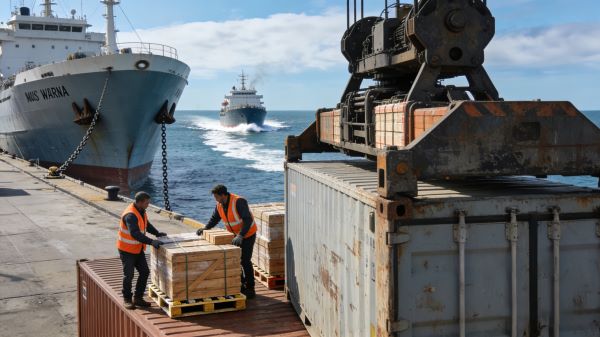
CFR and CPT feature notable disparities in freight cost coverage scope, which governs operational budgeting, customer quotation formulation, and financial settlement for multi-modal transport projects. CFR covers pre-shipment preparation costs and main ocean freight fees to the destination port, excluding inland transit charges, terminal handling fees, and cross-mode transfer expenses. CPT includes all freight expenditures required to deliver cargo to the agreed inland destination, encompassing multi-modal transfer costs and last-mile delivery fees.
How do market fluctuations affect term-based cost budgeting?
According to Freightos Baltic Index 2024 quarterly analytics, cost volatility for multi-modal combined transport tends to occur more frequently than pure sea freight, driven by fluctuating cross-terminal handling fees and regional road or rail transit surcharges. For freight forwarding operations teams, precise cost categorization enabled by the cpt vs cfr difference constitutes a key component of accurate client quotation and sustainable profit margin management.
CFR cost scope definition: Sellers bear responsibilities for cargo delivery to the departure port and main sea freight fees to the designated destination port. All destination terminal handling charges, import customs clearance fees, inland trucking expenses, and warehousing costs are allocated to buyers, simplifying front-end operational cost accounting workflows.
CPT cost scope definition: Sellers undertake all transportation-related fees until cargo reaches the contracted inland destination. Covered expenditures include cross-mode handling charges, temporary storage fees incurred during transit transfers, and regional logistics surcharges. Operations desks need to aggregate multi-segment cost data to complete comprehensive budgeting.
Quotation risk mitigation: The recommended approach is to itemize multi-modal cost components independently when preparing quotations for CPT-based orders. For CFR orders, teams only need to verify sea-related core costs, reducing the risk of cost omission caused by inconsistent trade term application.
How can operations desks optimize multi modal planning via term differentiation?
Refined multi-modal transport planning relies on operational teams aligning Incoterms rule characteristics with transport scheme design, process deployment, and carrier resource coordination. The structural differences between CFR and CPT deliver standardized operational guidelines for scalable, low-risk multi-modal logistics management.
Transport scheme alignment: Forwarders should note that CFR is compatible solely with port-to-port sea transport solutions. Door-to-port and door-to-door multi-modal delivery schemes require CPT adoption to maintain contractual compliance and operational rationality.
Carrier resource coordination: For CPT multi-modal orders, operations teams coordinate sea, land, and air carrier schedules in advance to facilitate seamless cross-segment cargo transit. CFR orders only require sea carrier confirmation and port loading arrangement, reducing overall scheduling complexity.
Document workflow optimization: CPT shipments demand end-to-end documentation covering all multi-modal transit segments, while CFR shipments only require ocean bills of lading and port loading documents. Standardizing documentation protocols based on trade term differences helps forwarders streamline operational workflows and reduce manual processing errors.
Exception response standardization: Cargo delay or damage incidents under CFR limit liability assessment to ocean transit segments. CPT incidents require full-process liability verification across all integrated transport modes. Operations desks benefit from developing differentiated exception handling protocols for the two trade terms.
A common mistake is applying CFR-centric documentation and exception handling workflows to CPT multi-modal orders. This misalignment leads to incomplete document archiving and inaccurate liability evaluation, which may place forwarders at a disadvantage during customer complaint resolution and cargo claim negotiations, impacting long-term client trust and brand credibility.
What long-term operational benefits come with mastering CPT and CFR differences?
Systematic understanding of the cpt vs cfr difference empowers freight forwarding operations desks to implement standardized process management, precise cost control, and robust risk mitigation for complex multi-modal transport scenarios. As global supply chain logistics continue to evolve, multi-modal transport solutions are gaining wider adoption compared to traditional single-mode transportation models.
What industry growth trends validate term differentiation value?
According to ITC Trade Map 2025 industry tracking data, global multi-modal freight throughput has maintained steady annual growth in recent years, supported by expanding cross-border e-commerce and diversified international trade demands. Pure sea freight maintains stable market volume growth but with a slower year-on-year increase compared to combined transport solutions. This market shift indicates that CPT will remain a widely applicable trade term for emerging logistics scenarios, while CFR will continue serving conventional port-to-port sea trade businesses.
The recommended approach for freight forwarding enterprises is to integrate cpt vs cfr difference training into routine operational skill development and assessment systems. Standardizing trade term application protocols helps reduce preventable operational errors, improve multi-modal transport planning efficiency, and support stable customer service quality and business profitability in global logistics operations.
Last
Mitigating cargo damage liability risks at origin terminals by analyzing the clear CPT vs CFR difference
Professional global forwarders rely on a precise understanding of the cpt vs cfr difference to clarify liability demarcation and m

Next
Explaining to commercial cargo owners what maritime anti terrorism compliance costs cover when an ISPS fee line shows a port security charge
What is ISPS Port Security Charge? It is a mandatory maritime anti-terrorism compliance fee levied by certified port operators to
