Identifying Bottlenecks Within the International Logistics Process
Freight Knowledge
 12-May-2026
For global freight forwarders, recognizing and addressing bottlenecks in the International Logistics Process is essential to maintaining operational efficiency, reducing costs, and meeting client expectations in an increasingly competitive global trade landscape.
What Are Bottlenecks in the International Logistics Process?
Bottlenecks in the International Logistics Process are points or stages where workflow is slowed down or halted, causing delays, increased costs, and reduced service quality for forwarders and their clients. These points often arise from inefficiencies, miscommunication, or external constraints.
Bottlenecks can occur at any stage of the logistics journey, from pre-shipment planning to post-delivery follow-up, and their impact can ripple throughout the entire process. For forwarders, failing to identify these bottlenecks can lead to missed deadlines, client dissatisfaction, and lost business opportunities.
According to UNCTAD 2026 data (as of March 2026), bottlenecks in international logistics cost the global economy an estimated $480 billion annually, with delays in customs clearance and inland transportation accounting for 68% of these losses. This data underscores the critical need for forwarders to proactively identify and resolve bottlenecks to remain competitive.
Forwarders should note that bottlenecks are not always obvious; some are subtle and develop gradually over time, making regular process reviews a necessary practice. Ignoring small inefficiencies can lead to larger, more costly bottlenecks that are harder to resolve later.
Why Is Identifying Bottlenecks Critical for Global Forwarders?
Identifying bottlenecks in the International Logistics Process is critical for forwarders because it allows them to minimize delays, reduce operational costs, and enhance client trust by ensuring reliable, consistent service delivery.
In a sector where even a 24-hour delay can result in significant financial losses for clients, forwarders that can identify and resolve bottlenecks gain a competitive edge. Clients increasingly expect end-to-end visibility and on-time delivery, and bottlenecks directly undermine these expectations.
A common mistake is assuming that bottlenecks are inevitable and accepting delays as part of doing business. This passive approach not only harms client relationships but also increases operational costs, as delays often lead to additional fees, storage charges, and rework.
The recommended approach is to view bottleneck identification as a proactive, ongoing process rather than a reactive one. By regularly assessing each stage of the logistics process, forwarders can catch inefficiencies early and implement solutions before they escalate into major issues.
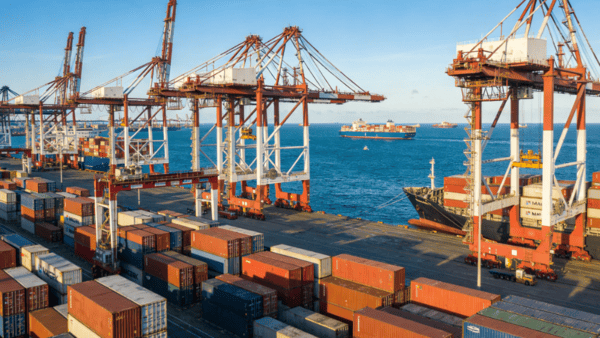
Which Stages of the International Logistics Process Are Prone to Bottlenecks?
While bottlenecks can occur at any stage, certain phases of the International Logistics Process are more prone to inefficiencies due to their complexity, reliance on multiple stakeholders, and exposure to external factors.
1. Pre-Shipment Planning: Why Do Bottlenecks Occur Here?
Pre-shipment planning is a common bottleneck area because it involves coordinating multiple tasks, verifying compliance, and aligning with client requirements—all of which can lead to delays if not managed properly.
Many forwarders face bottlenecks in pre-shipment planning due to inadequate communication with clients. For example, unclear or delayed information about cargo details, special handling requirements, or Incoterms (2020) can disrupt the entire planning process.
Unclear Client Requirements: When clients fail to provide detailed information about cargo weight, volume, or special needs (e.g., refrigeration, hazardous materials classified under IMDG Code) in a timely manner, forwarders cannot finalize carrier bookings or compliance checks, leading to delays.
Compliance Verification Delays: Failing to verify export compliance early—such as checking HS codes, required export licenses, or destination-specific regulatory requirements—can result in last-minute changes and bottlenecks.
Carrier Booking Inefficiencies: Relying on a single carrier or failing to book capacity in advance, especially during peak seasons (e.g., Q4 holiday shipping), can lead to limited availability and delays in securing transportation.
Forwarders should note that pre-shipment bottlenecks often have a cascading effect, impacting every subsequent stage of the International Logistics Process. Investing time in thorough, proactive planning can prevent these issues from arising.
2. Customs Clearance: What Makes This Stage a Common Bottleneck?
Customs clearance is one of the most frequent bottleneck stages in the International Logistics Process due to its complexity, strict regulatory requirements, and reliance on accurate documentation.
According to WCO 2026 data (as of February 2026), approximately 40% of international shipments experience delays during customs clearance, with 72% of these delays caused by incomplete or inaccurate documentation. This highlights the critical role of documentation accuracy in avoiding bottlenecks.
Inaccurate or Incomplete Documentation: Errors in commercial invoices, packing lists, or bills of lading (B/L)—such as typos in consignee information or discrepancies in cargo descriptions and HS codes—often lead to customs holds.
Lack of Regulatory Knowledge: Failing to stay updated on changes to customs regulations (e.g., new entry summary declaration requirements or updated banned item lists) can result in non-compliance and delays.
Inefficient Communication with Customs Brokers: Poor coordination with customs brokers, such as delayed submission of documents or incomplete information for entry declarations, can slow down the clearance process.
The recommended approach is to implement a rigorous documentation review process and partner with experienced customs brokers who have expertise in the destination country’s regulations. This reduces the risk of errors and speeds up clearance.
3. Inland Transportation: How Do Delays Happen Here?
Inland transportation—moving cargo from the shipper’s warehouse to ports or airports—is often overlooked but is a frequent bottleneck due to infrastructure limitations, traffic congestion, and poor coordination.
According to the Shanghai Shipping Exchange 2026 data (Q1 2026), inland transportation delays account for 30% of total logistics delays in Asia, with traffic congestion and inadequate infrastructure being the primary causes. These delays can prevent cargo from reaching ports on time, leading to missed vessel or flight deadlines.
Traffic Congestion: In major manufacturing hubs and port cities (e.g., Shanghai, Shenzhen, Singapore), traffic jams can add hours or even days to inland transportation times, especially during peak hours.
Unreliable Inland Carriers: Partnering with inland carriers that lack experience in handling international cargo (e.g., containerized goods, hazardous materials) or have poor service records can lead to delays, damage, or lost shipments.
Poor Coordination: Misalignment between warehouse pickup times, carrier schedules, and port cutoff times often results in bottlenecks, as cargo arrives too late to be loaded onto the intended vessel or flight.
A common mistake is failing to factor in additional time for inland transportation, especially in regions with known infrastructure issues. Forwarders should build buffer time into their schedules and partner with reliable inland carriers with a proven track record.
4. International Transportation: What Causes Bottlenecks in Transit?
International transportation—whether by sea, air, or rail—can experience bottlenecks due to external disruptions, capacity constraints, and poor route management.
UNCTAD 2026 data (Q1 2026) shows that 45% of maritime shipping delays are caused by port congestion, while 25% result from geopolitical disruptions (e.g., rerouting around the Suez Canal due to ongoing tensions). These bottlenecks increase transit times and raise costs for forwarders and their clients.
Port Congestion: Overcrowded ports, especially in major hubs like Shanghai, Singapore, and Los Angeles, can lead to long wait times for vessels to berth and unload cargo, with average waiting times reaching 3-5 days in Q1 2026.
Geopolitical Disruptions: Conflicts, sanctions, or changes in trade policies can force rerouting of shipments, increasing transit times and costs—for example, rerouting around the Suez Canal adds an average of 10-14 days to maritime transit times.
Capacity Constraints: During peak seasons (e.g., Q4 holiday periods), air and sea carriers often face capacity shortages, leading to delayed bookings and missed deadlines. According to Freightos Baltic Index (FBX) 2026 data, sea freight capacity for transpacific routes decreased by 8% in Q1 2026 compared to Q1 2025.
Forwarders should note that diversifying transportation routes and carriers can help mitigate these bottlenecks. For example, if sea transport is disrupted, having access to air or rail alternatives can keep shipments on track.
How Can Forwarders Identify Bottlenecks in Their Logistics Processes?
Identifying bottlenecks requires a systematic approach that combines data analysis, process reviews, and feedback from stakeholders to pinpoint inefficiencies and their root causes.
Analyze Key Performance Indicators (KPIs): Track KPIs such as transit time, on-time delivery rate, documentation error rate, and customs clearance time. An increase in any of these metrics can indicate a bottleneck.
Gather Feedback from Stakeholders: Consult with clients, carriers, customs brokers, and internal teams to identify pain points. Clients often provide valuable insights into delays they experience, while carriers can highlight issues in transportation.
Conduct Process Audits: Regularly review each stage of the International Logistics Process to identify inefficiencies. For example, auditing documentation processes can reveal recurring errors that cause customs delays.
Use Technology for Visibility: Implement cloud-based logistics tracking platforms to gain real-time visibility into cargo movement. This allows forwarders to spot delays early and identify where bottlenecks are occurring.
The recommended approach is to conduct monthly bottleneck reviews, using data and feedback to prioritize issues. Focus on bottlenecks that have the greatest impact on client satisfaction and operational costs first, as resolving these will deliver the most significant improvements.
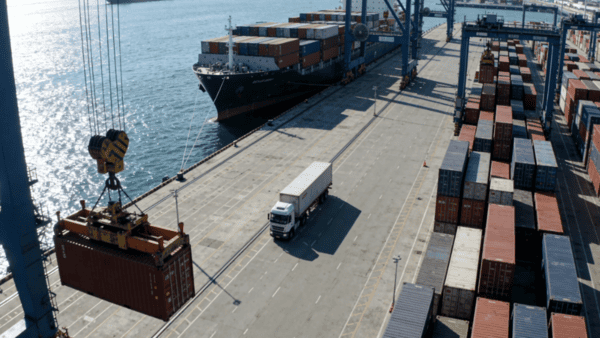
What Are Practical Solutions to Resolve Common Bottlenecks?
Resolving bottlenecks requires targeted solutions that address the root cause of the inefficiency, rather than just treating the symptoms. Below are practical strategies for common bottleneck areas.
Solutions for Pre-Shipment Planning Bottlenecks
Implement Client Onboarding Checklists: Create a standardized checklist for clients to provide all necessary cargo details, compliance information, and special requirements upfront. This reduces delays caused by missing information.
Partner with Multiple Carriers: Build relationships with multiple carriers to ensure capacity availability, especially during peak seasons. This provides flexibility if one carrier is unable to accommodate a shipment.
Automate Compliance Checks: Use compliance software to automatically verify HS codes, export licenses, and destination regulations. This reduces human error and speeds up the compliance verification process.
Solutions for Customs Clearance Bottlenecks
Establish a Documentation Review Process: Assign a dedicated team or use software to review all documentation for accuracy before submission to customs. This reduces the risk of errors that cause holds.
Partner with Local Customs Brokers: Work with customs brokers who have expertise in the destination country’s regulations. Local brokers can navigate complex requirements and resolve issues more quickly.
Adopt Electronic Documentation: Use electronic bills of lading (e-BLs) and digital declaration systems to speed up document submission and processing. The 2026 revision of China’s Maritime Law confirms e-BLs have the same legal effect as paper B/Ls.
Solutions for Inland Transportation Bottlenecks
Build Buffer Time into Schedules: Add extra time to inland transportation schedules to account for traffic congestion or unexpected delays. This ensures cargo arrives at ports or airports on time.
Partner with Reliable Inland Carriers: Conduct regular reviews of inland carriers’ performance, focusing on on-time delivery rates and cargo safety. Retain carriers with consistent performance and replace those that cause frequent delays.
Optimize Pickup and Delivery Routes: Use route optimization software to find the most efficient paths for inland transportation, reducing travel time and fuel costs.
Solutions for International Transportation Bottlenecks
Diversify Transportation Routes: Identify alternative routes for shipments to avoid congested ports or geopolitically unstable areas. For example, if the Suez Canal is disrupted, use the Cape of Good Hope as an alternative.
Book Capacity in Advance: For time-sensitive shipments, book carrier capacity well in advance, especially during peak seasons. This ensures priority access to available space.
Use Predictive Analytics: Implement predictive analytics tools to forecast potential disruptions (e.g., port congestion, weather delays) and adjust plans proactively.
How to Prevent Bottlenecks from Reoccurring?
Preventing bottlenecks from reoccurring requires a continuous improvement approach, focusing on long-term solutions rather than short-term fixes.
Forwarders should note that bottleneck prevention is an ongoing process, not a one-time task. It requires regular monitoring, feedback, and adaptation to changes in the global logistics landscape.
Invest in Staff Training: Train teams on best practices for each stage of the International Logistics Process, including compliance, documentation, and communication. Well-trained staff are less likely to make errors that cause bottlenecks.
Regularly Update Processes: Review and update logistics processes based on feedback, data, and changes in regulations or market conditions. For example, if a new customs regulation is implemented, adjust documentation processes accordingly.
Strengthen Partnerships: Build long-term relationships with carriers, customs brokers, and inland transportation providers. Strong partnerships lead to better communication, priority service, and faster resolution of issues.
Embrace Digitalization: Invest in digital tools such as logistics management software, real-time tracking platforms, and automation tools. Digitalization streamlines processes, reduces human error, and provides greater visibility—all of which help prevent bottlenecks.
A common mistake is implementing a solution without addressing the root cause of the bottleneck. For example, if a bottleneck is caused by poor communication with clients, simply hiring more staff will not resolve the issue—instead, implementing a standardized client onboarding process is needed.
Conclusion
Identifying and resolving bottlenecks in the International Logistics Process is critical for global freight forwarders looking to maintain efficiency, reduce costs, and deliver reliable service to their clients. By understanding which stages are most prone to inefficiencies, implementing systematic identification methods, and adopting targeted solutions, forwarders can minimize delays and gain a competitive edge in the global market. Remember, bottleneck management is not a reactive task but a proactive, ongoing process that requires continuous improvement, investment in technology, and strong partnerships. By prioritizing bottleneck identification and resolution, forwarders can ensure the smooth flow of the International Logistics Process, meet client expectations, and achieve long-term success in the dynamic world of international trade.
Last
Comparing Route Reliability Among Global Shipping Companies
For freight forwarders, selecting the right partners from global shipping companies is critical to maintaining client trust and op
Next
Visualizing the End-to-End International Logistics Process
For global freight forwarders, understanding the end-to-end International Logistics Process is essential to delivering reliable, e
