Visualizing the End-to-End International Logistics Process
Freight Knowledge
 12-May-2026
For global freight forwarders, understanding the end-to-end International Logistics Process is essential to delivering reliable, efficient services and maintaining competitive advantages in a dynamic global trade landscape. This article breaks down each stage of the process, highlights common challenges, and offers actionable insights tailored to forwarders’ daily operations.
What Is the End-to-End International Logistics Process?
The end-to-end international logistics process refers to the complete sequence of activities that move goods from the seller’s warehouse in one country to the buyer’s location in another, covering planning, transportation, customs clearance, and final delivery. It integrates multiple stakeholders, including carriers, customs authorities, and warehousing providers, to ensure seamless cargo flow.
Unlike domestic logistics, international logistics involves cross-border regulations, varying cultural and operational standards, and longer transit times, making coordination and visibility critical. Forwarders play a pivotal role as intermediaries, bridging gaps between different parties and navigating complex requirements to keep the process on track.
According to WTO 2025 data, global merchandise trade volume increased by 3.1% in 2025, with Asian exports growing by 8.2%—outpacing other regions. This growth underscores the increasing demand for streamlined international logistics processes, as forwarders are tasked with handling more cargo while maintaining efficiency and compliance.
Why Is Visualizing the International Logistics Process Important for Forwarders?
Visualizing the international logistics process helps forwarders identify bottlenecks, anticipate delays, and communicate effectively with clients and partners. It transforms abstract steps into tangible, trackable milestones, reducing errors and improving overall service quality.
In an industry where even small delays can lead to significant financial losses, visualization enables proactive problem-solving. For example, if a forwarder can see that a cargo shipment is stuck in customs due to incomplete documentation, they can quickly intervene to resolve the issue before it escalates. This level of visibility also enhances client trust, as shippers can track their goods in real time and receive accurate updates.
Forwarders should note that visualization is not just about tracking cargo; it also involves mapping out each stakeholder’s responsibilities, understanding regulatory requirements for different destinations, and aligning internal processes with external partners. Without this holistic view, forwarders risk miscommunication, missed deadlines, and compliance violations that can damage their reputation and bottom line.
A common mistake is assuming that basic tracking tools are sufficient for visualization. Many forwarders rely on outdated systems that only provide limited information, such as departure and arrival times, without capturing the nuances of each stage. This lack of detail can lead to unexpected delays, especially when dealing with complex routes or high-value cargo.
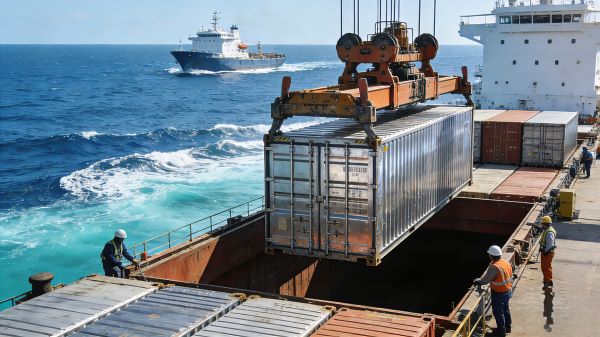
How to Break Down the End-to-End International Logistics Process?
The end-to-end international logistics process can be divided into six core stages, each with distinct tasks, requirements, and challenges. Forwarders need to master each stage to ensure smooth cargo movement and client satisfaction.
1. Pre-Shipment Planning: What Do Forwarders Need to Prepare?
Pre-shipment planning is the foundation of a successful international logistics process, involving everything from understanding client requirements to ensuring compliance with export regulations. It sets the stage for all subsequent activities and reduces the risk of costly mistakes.
Confirm Client Requirements: Work closely with the shipper to clarify cargo details, including type, weight, volume, and special handling needs (e.g., refrigeration, hazardous materials). Also, confirm the Incoterms (2020) agreed upon, as this determines responsibility for costs and risks at each stage.
Verify Export Compliance: Check the export regulations of the origin country, including banned or restricted items, required licenses, and documentation. For example, shipments from China may require a Commercial Invoice, Packing List, and Export Declaration, while hazardous goods need additional certificates such as the International Maritime Dangerous Goods (IMDG) Code certificate.
Select Transportation Mode: Choose between sea, air, rail, or road transport based on cargo characteristics, transit time, and cost. According to UNCTAD 2025 data, over 82% of world trade volume is carried by sea, making it the most common mode for large shipments, while air transport is often used for high-value or time-sensitive cargo.
Book Carriers and Partners: Secure space with reliable carriers and coordinate with warehousing, packaging, and inland transportation providers. The recommended approach is to establish long-term partnerships with multiple carriers to ensure flexibility, especially during peak seasons or when facing disruptions.
Forwarders should note that pre-shipment planning requires attention to detail, as even small oversights can lead to delays. For example, failing to verify the correct HS code for a product can result in customs penalties or shipment holds. It is also important to communicate with the shipper regularly to address any last-minute changes, such as adjustments to cargo volume or delivery deadlines.
2. Cargo Packaging and Labeling: How to Ensure Cargo Safety and Compliance?
Cargo packaging and labeling are critical for protecting goods during transit and ensuring compliance with international standards and destination country regulations. Improper packaging or labeling can lead to damage, delays, or even rejection of the shipment.
Choose Appropriate Packaging Materials: Select materials based on the cargo’s fragility, weight, and transportation mode. For example, fragile goods may require foam padding or wooden crates, while bulk goods can use standard cartons. For large or heavy equipment, as seen in RRS Supply Chain’s 2025 case, stretch film + wooden pallets are often recommended to protect against damage during transit.
Comply with Labeling Requirements: Ensure labels include essential information, such as the shipper’s and consignee’s contact details, cargo description, weight, volume, and any special handling instructions (e.g., “Fragile,” “Keep Refrigerated”). For international shipments, labels should be in English or the local language of the destination country.
Adhere to Destination-Specific Rules: Some countries have strict labeling requirements, such as Brazil’s mandate to include the consignee’s CNPJ/CPF tax number and NCM code on labels, or the EU’s requirement for CE certification labels on electronics.
Inspect Packaging Quality: Conduct a pre-shipment inspection to ensure packaging is secure and meets the required standards. A common mistake is cutting corners on packaging to save costs, which often results in damaged cargo and expensive claims.
The recommended approach is to work with professional packaging providers who have experience in international logistics, especially for high-value or sensitive cargo. These providers can ensure that packaging meets both transportation and regulatory requirements, reducing the risk of damage and delays.
3. Inland Transportation: How to Move Cargo to the Port or Airport?
Inland transportation involves moving cargo from the shipper’s warehouse to the port, airport, or rail terminal— a stage often overlooked but critical to the overall efficiency of the international logistics process. Delays in inland transportation can push back the entire shipment timeline.
Select the Right Inland Carrier: Choose a carrier with experience in handling international cargo and a reliable network in the origin country. Factors to consider include transit time, cost, and the carrier’s ability to handle special cargo (e.g., oversized equipment).
Coordinate Pickup and Delivery Times: Align pickup times with the shipper’s schedule and delivery times with the carrier’s cutoff for loading. This requires close communication between the forwarder, shipper, and inland carrier to avoid bottlenecks.
Track Inland Shipment: Use tracking tools to monitor the cargo’s movement from the warehouse to the port/airport. This visibility allows forwarders to intervene if there are delays, such as traffic jams or mechanical issues with the transport vehicle.
Prepare for Loading: Ensure the cargo is properly loaded onto the inland transport vehicle, with adequate securing to prevent shifting during transit. For oversized cargo, this may involve specialized equipment or permits.
Forwarders should note that inland transportation can be particularly challenging in regions with poor infrastructure or heavy traffic. In such cases, it is advisable to build extra time into the timeline to account for potential delays. Additionally, working with local inland carriers who have knowledge of local roads and regulations can help streamline this stage.
4. Customs Clearance: What Are the Key Steps for Forwarders?
Customs clearance is one of the most complex stages of the international logistics process, involving compliance with the import/export regulations of both the origin and destination countries. Forwarders play a critical role in ensuring that all documentation is complete and accurate to avoid delays or penalties.
Prepare Required Documentation: Gather all necessary documents, including Commercial Invoice, Packing List, Bill of Lading (B/L) or Air Waybill (AWB), Export/Import Declaration, and any special certificates (e.g., origin certificate, fumigation certificate for wooden packaging).
Verify Documentation Accuracy: Check that all documents are consistent, with no discrepancies in cargo description, weight, volume, or consignee information. A common mistake is typos or missing information on the B/L, which can lead to customs holds.
Submit Declarations to Customs: File the export/import declaration with the relevant customs authorities, either electronically or in person. Many countries now require electronic declarations, such as the EU’s ENS (Entry Summary Declaration) or the US’s ISF (Importer Security Filing).
Handle Customs Inspections: Be prepared for random or targeted customs inspections, which may involve physical examination of the cargo. Forwarders should have all documentation readily available and be able to answer any questions from customs officials.
Pay Duties and Taxes: Calculate and pay any applicable duties, taxes, or fees on behalf of the shipper or consignee. The recommended approach is to use duty calculation tools or work with a customs broker to ensure accuracy and avoid overpayment or underpayment.
According to 2026 data from the World Customs Organization (WCO), approximately 32% of international shipments experience delays due to incomplete or inaccurate documentation. This highlights the importance of thorough documentation checks and working with experienced customs brokers, especially for complex shipments or destinations with strict regulations. Forwarders should also stay updated on changes to customs rules, such as Sudan’s 2026 ACD pre-declaration requirement, to ensure compliance.
5. International Transportation: How to Manage Cargo in Transit?
International transportation is the core of the logistics process, involving moving cargo across borders via sea, air, rail, or a combination of modes (multimodal transport). Forwarders must manage this stage carefully to ensure cargo arrives on time and in good condition.
Monitor Cargo in Real Time: Use advanced tracking tools to monitor the cargo’s location, temperature (for refrigerated goods), and condition throughout transit. Many carriers offer real-time tracking platforms that allow forwarders and clients to access updates 24/7.
Manage Transit Risks: Identify and mitigate potential risks, such as piracy, weather delays, or geopolitical disruptions. For example, UNCTAD 2025 data shows that Suez Canal transits fell by 68% by mid-2025, forcing ships to reroute around the Cape of Good Hope and increasing transit times and costs by an average of 15%.
Communicate with Carriers: Maintain regular communication with the carrier to receive updates on any delays or issues. If a delay occurs, forwarders should notify the client immediately and work with the carrier to find a solution, such as rebooking on the next available vessel or flight.
Handle Multimodal Transport: For shipments using multiple modes (e.g., sea + rail + road), coordinate closely with each carrier to ensure seamless transfer of cargo. This requires clear documentation and communication to avoid delays at transfer points.
The recommended approach is to diversify transportation options and build relationships with multiple carriers to mitigate risks. For example, if sea transport is disrupted due to a chokepoint issue, forwarders can switch to air transport for time-sensitive cargo. Additionally, investing in cargo insurance is a wise decision to protect against loss or damage during transit.
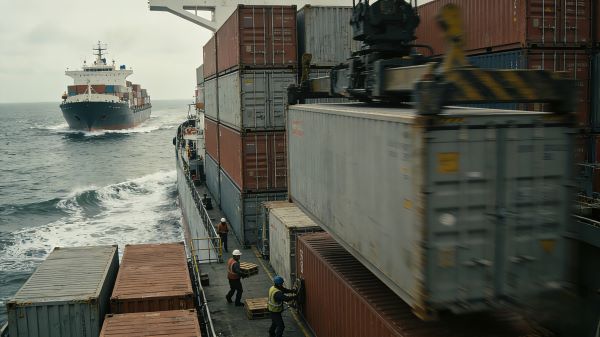
6. Post-Delivery: What Are the Final Steps for Forwarders?
Post-delivery is the final stage of the international logistics process, involving confirming delivery, resolving any issues, and closing out the shipment. This stage is crucial for maintaining client satisfaction and building long-term relationships.
Confirm Delivery: Verify with the consignee that the cargo has been delivered in good condition and on time. Obtain a delivery receipt or proof of delivery (POD) to confirm completion of the shipment.
Resolve Post-Delivery Issues: Address any problems that arise after delivery, such as damaged cargo, missing items, or incorrect delivery. Work with the carrier and insurance provider to file claims and compensate the client if necessary.
Close Out Documentation: Organize and store all shipment documentation, including B/L/AWB, customs declarations, and delivery receipts. This documentation is essential for record-keeping, compliance audits, and future reference.
Gather Client Feedback: Ask the client for feedback on the service to identify areas for improvement. This feedback can help forwarders refine their processes and enhance client satisfaction.
A common mistake is neglecting post-delivery follow-up, which can lead to unresolved issues and dissatisfied clients. Forwarders should make it a priority to follow up with clients after delivery, address any concerns promptly, and use feedback to improve their services.
What Are the Common Challenges in the International Logistics Process, and How to Overcome Them?
Global freight forwarders face numerous challenges in managing the end-to-end international logistics process, from regulatory changes to supply chain disruptions. Understanding these challenges and implementing effective solutions is key to success.
Challenge 1: Regulatory Compliance Complexity
Regulations vary widely between countries and are constantly changing, making it difficult for forwarders to stay compliant. For example, the EU updated its REACH regulations in 2025, adding new restrictions on chemical substances, while countries like Malaysia have added new energy efficiency labeling requirements in 2025.
The recommended approach is to invest in compliance training for staff and use specialized software to track regulatory changes. Working with local customs brokers and legal experts can also help forwarders navigate complex regulations and avoid penalties. Forwarders should note that non-compliance can result in significant fines, shipment holds, or even legal action, so it is essential to prioritize compliance.
Challenge 2: Supply Chain Disruptions
Supply chain disruptions, such as natural disasters, geopolitical conflicts, or port congestion, can cause significant delays and increase costs. According to UNCTAD 2025 data, rerouting due to chokepoint disruptions has increased global vessel ton-mile demand by 4% and container ship demand by 13% compared to 2024.
To overcome this challenge, forwarders should build resilience into their supply chains by diversifying carriers and routes. They should also maintain clear communication with clients and partners to keep them informed of any disruptions and provide alternative solutions. Additionally, using predictive analytics tools can help forwarders anticipate potential disruptions and take proactive measures.
Challenge 3: Visibility and Tracking Limitations
Many forwarders struggle with limited visibility into the international logistics process, especially for shipments using multiple modes of transport. This lack of visibility can lead to delays, miscommunication, and client dissatisfaction.
The recommended approach is to adopt advanced logistics technology, such as cloud-based tracking platforms and IoT devices, to enhance visibility. These tools allow forwarders to track cargo in real time, monitor conditions, and share updates with clients. Forwarders should also work with carriers and partners who offer integrated tracking systems to ensure seamless visibility across all stages of the process.
How Can Forwarders Optimize the International Logistics Process?
Optimizing the international logistics process can help forwarders improve efficiency, reduce costs, and enhance client satisfaction. Below are practical strategies tailored to the needs of global货代 companies.
Adopt Digitalization: Implement digital tools for documentation, tracking, and communication to streamline processes and reduce human error. For example, electronic Bill of Lading (e-BL) systems can speed up documentation processing and reduce the risk of lost or damaged paper documents. The 2026 revision of China’s Maritime Law confirms that e-BLs have the same legal effect as paper B/Ls, making them a viable option for forwarders.
Build Strategic Partnerships: Establish long-term partnerships with carriers, customs brokers, and inland transportation providers. These partnerships can provide forwarders with better rates, priority access to capacity, and support during disruptions. For example, partnering with a customs broker who has expertise in a specific region can help streamline customs clearance.
Invest in Staff Training: Ensure staff have the knowledge and skills to handle the complexities of international logistics, including regulatory compliance, documentation, and crisis management. Regular training on new regulations and technologies can help forwarders stay ahead of the curve.
Focus on Client-Centric Services: Tailor services to meet the specific needs of each client, such as providing customized tracking updates, flexible delivery options, and dedicated account managers. This client-centric approach can help forwarders differentiate themselves from competitors and build long-term relationships.
Continuously Analyze and Improve: Regularly review the international logistics process to identify bottlenecks and areas for improvement. Use data analytics to track key performance indicators (KPIs), such as transit time, on-time delivery rate, and client satisfaction, and make adjustments as needed.
Forwarders should note that optimization is an ongoing process, not a one-time task. As global trade and logistics evolve, forwarders must adapt their processes and technologies to stay competitive. By focusing on efficiency, compliance, and client satisfaction, forwarders can successfully navigate the complexities of the end-to-end International Logistics Process.
In conclusion, the end-to-end International Logistics Process is a complex, multi-stage journey that requires careful planning, coordination, and attention to detail. For global freight forwarders, visualizing each stage, understanding common challenges, and implementing optimization strategies are essential to delivering reliable, efficient services. By mastering the process, forwarders can not only meet the growing demands of global trade but also build trust with clients and achieve long-term success in the industry. The International Logistics Process will continue to evolve with technological advancements and regulatory changes, and forwarders who embrace these changes will be well-positioned to thrive in the global marketplace.
Last
Identifying Bottlenecks Within the International Logistics Process
For global freight forwarders, recognizing and addressing bottlenecks in the International Logistics Process is essential to maint
Next
Dispute Resolution: Why Does the THC Fee Vary Across Ports?
In the global freight forwarding industry, THC Fee (Terminal Handling Charge) disputes are common, often stemming from inconsisten
