Consolidator Secrets: What is Less than Container Load (LCL)?
Freight Knowledge
 12-May-2026
For forwarders navigating the complex landscape of international shipping, understanding Less than Container Load (LCL) is essential to serving clients effectively and optimizing operational efficiency. What is LCL, and how do consolidators leverage it to deliver value? This guide unpacks the core of LCL shipping, sharing insider secrets that help forwarders enhance their services.
What Exactly is Less than Container Load (LCL) Shipping?
Less than Container Load (LCL) refers to a shipping method where multiple shippers’ goods are consolidated into a single full container, as each shipper’s cargo is insufficient to fill an entire container on its own. It is a cost-effective solution for small to medium-sized consignments, widely utilized in global trade.
Unlike Full Container Load (FCL), where one shipper’s goods occupy an entire container, LCL enables forwarders to combine smaller consignments from different clients bound for the same destination. This method maximizes container utilization, reduces shipping costs for individual shippers, and expands market access for businesses with limited cargo volume.
According to UNCTAD 2025 data (the latest available as of April 2026), LCL shipments account for approximately 37% of global containerized trade, an increase from 35% in 2024. This growth is driven by the expanding role of small and medium-sized enterprises (SMEs) in cross-border trade, highlighting LCL’s growing significance as a cornerstone of international logistics and a critical service for forwarders to master.
How Do LCL Consolidators Operate? Key Secrets Unveiled
LCL consolidators serve as the backbone of LCL shipping, responsible for collecting, sorting, consolidating, and deconsolidating cargo to ensure seamless transit. Their operations involve a series of coordinated steps that demand precision, industry expertise, and robust network connections.
Forwarders should note that successful consolidators do not merely combine random shipments; they strategically match cargo based on destination, commodity type, weight, and volume to optimize container space and minimize costs. This strategic matching is one of the most closely guarded secrets of top consolidators, as it directly impacts profitability and service quality.
The Importance of Consolidator Network Strength
A common mistake among less experienced forwarders is overlooking the importance of a consolidator’s network strength. Leading consolidators (often referred to as “lead consolidators”) maintain established partnerships with carriers, port authorities, and destination agents. These relationships enable them to secure preferential rates, prioritize cargo handling, and resolve operational issues promptly.
For example, consolidators with partnerships with major ocean carriers can often negotiate lower FCL rates, which they pass on to forwarders and their clients in the form of competitive LCL pricing. This network advantage also ensures faster resolution of port delays or documentation discrepancies, reducing the risk of costly disruptions for forwarders and their clients.
Cargo Compatibility: A Critical Consolidator Focus
Another secret of effective consolidators is their rigorous focus on cargo compatibility. They carefully screen shipments to avoid combining incompatible commodities—such as hazardous materials with fragile goods, or perishables with dry cargo—to prevent damage, delays, or compliance violations. This attention to detail reduces the risk of cargo claims and enhances client trust, a key differentiator in the competitive forwarder industry.
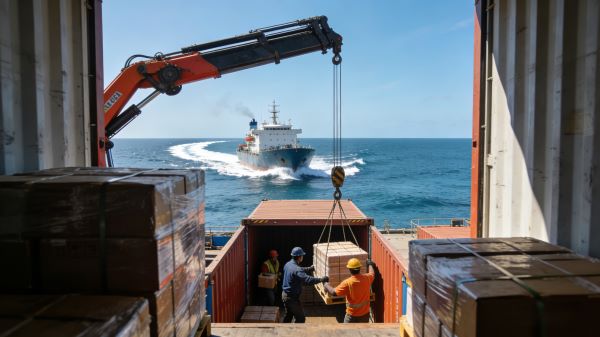
What Are the Core Benefits of LCL for Forwarders and Their Clients?
LCL shipping offers a range of benefits for both forwarders and their clients, making it a versatile and valuable service in international logistics. These benefits extend beyond cost savings, encompassing flexibility, accessibility, and market expansion opportunities.
Benefits for Forwarders
For forwarders, LCL allows them to serve a broader client base, including SMEs and businesses with small shipment volumes that would otherwise be unable to afford FCL shipping. By offering LCL services, forwarders can expand their service portfolio, build long-term client relationships, and generate steady revenue streams.
According to Freightos 2025 data, forwarders that offer LCL services report a 24% higher client retention rate compared to those that focus solely on FCL. This is because LCL enables forwarders to meet the diverse needs of SMEs, which are increasingly driving global trade growth.
Benefits for Clients
For clients, the primary benefit of LCL is cost efficiency. Instead of paying for an entire container, clients only pay for the space their cargo occupies, making international shipping more accessible for small businesses. Additionally, LCL offers flexibility, as clients can ship smaller quantities more frequently, reducing inventory holding costs and allowing them to respond quickly to market demand.
The recommended approach for forwarders is to highlight these benefits to their clients, emphasizing how LCL can help them expand into new markets without the financial burden of FCL shipping. By positioning LCL as a strategic logistics solution rather than just a cost-saving option, forwarders can add value and differentiate themselves from competitors.
What Are the Common Challenges of LCL Shipping, and How to Overcome Them?
While LCL offers significant benefits, it also presents unique challenges that forwarders must navigate to ensure smooth operations. These challenges include longer transit times, higher risk of cargo damage, and complex documentation requirements.
Addressing Longer Transit Times
One of the most common challenges in LCL shipping is longer transit times compared to FCL. This is because consolidators must collect enough cargo to fill a container before it departs, which can lead to delays if cargo is late or insufficient. Additionally, deconsolidation at the destination port adds extra time to the shipping process.
Practical Mitigation Strategies
Mitigate transit time delays: Forwarders should set clear expectations with clients about LCL transit times, accounting for consolidation and deconsolidation periods. Partnering with consolidators that have consistent cargo volumes can help reduce delays, as they are more likely to fill containers quickly.
Reduce cargo damage risk: LCL cargo is handled multiple times during consolidation and deconsolidation, increasing the risk of damage. Forwarders should advise clients to use proper packaging, including sturdy cartons, protective padding, and clear labeling, to protect their goods. Additionally, working with consolidators that have strict handling protocols and comprehensive insurance coverage can provide added protection.
Manage documentation complexity: LCL requires detailed documentation, including a consolidated bill of lading (CBL) for the entire container and house bills of lading (HBL) for each individual shipment. A common mistake is incomplete or inaccurate documentation, which can lead to customs delays and additional fees. Forwarders should implement thorough document checks and train their teams to ensure compliance with international shipping regulations.
The Role of Proactive Communication
Forwarders should note that proactive communication is key to overcoming LCL challenges. Keeping clients informed about the status of their shipments, including any delays or issues, helps manage expectations and build trust. Additionally, maintaining open lines of communication with consolidators and destination agents allows forwarders to resolve problems quickly and minimize disruptions.
How to Calculate LCL Shipping Costs? A Guide for Forwarders
LCL shipping costs are calculated differently than FCL, and understanding this pricing structure is essential for forwarders to provide accurate quotes to their clients and maintain profitability. The core of LCL pricing is based on volume or weight, whichever is higher—known as the “chargeable weight.”
The recommended approach for forwarders is to familiarize themselves with the key components of LCL pricing, which include basic freight, handling fees, terminal charges, and additional surcharges. Basic freight is typically quoted per cubic meter (CBM) or per ton (1,000 kg), with the chargeable weight determined by whichever is greater. For example, if a shipment is 3 CBM and weighs 2 tons, the chargeable weight would be 3 CBM, as volume is higher than weight.
Latest LCL Rate Data
According to the Shanghai Shipping Exchange (SSE) March 2026 data (the latest available), the average LCL rate from Shanghai to Los Angeles is $89 per CBM, while the rate from Shanghai to Rotterdam is $76 per CBM. These rates include basic freight but exclude additional surcharges such as fuel surcharges (BAF), currency adjustment factors (CAF), and terminal handling charges (THC), which fluctuate based on market conditions.
Key Components of LCL Pricing
Basic Freight: The cost of transporting the consolidated container from the origin port to the destination port, quoted per CBM or ton.
Handling Fees: Fees charged by the consolidator for collecting, sorting, and consolidating the cargo, as well as deconsolidating it at the destination.
Terminal Charges: Fees charged by the port authorities for using terminal facilities, including loading, unloading, and temporary storage.
Additional Surcharges: Variable fees such as BAF, CAF, and THC, which can fluctuate based on market conditions, fuel prices, and currency exchange rates.
A common mistake among forwarders is underquoting LCL costs by failing to account for additional surcharges. To avoid this, forwarders should work closely with consolidators to obtain comprehensive quotes that include all fees, and clearly communicate these costs to their clients to prevent disputes.
What Compliance Considerations Apply to LCL Shipping?
Compliance is a critical aspect of LCL shipping, as forwarders and consolidators must adhere to international regulations, customs requirements, and industry standards to avoid penalties, delays, and legal issues. This is particularly important given the strict compliance requirements of relevant Chinese regulations governing advertising, internet information services, and social media platform operations.
Documentation Compliance
Forwarders should note that compliance starts with accurate and transparent documentation. All LCL shipments require a complete set of documents, including commercial invoices, packing lists, bills of lading, and any necessary permits or certificates (such as certificates of origin or inspection certificates). Inaccurate or incomplete documentation can lead to customs detention, fines, or even the seizure of goods.
Hazardous Goods Compliance
Another key compliance consideration is the transportation of hazardous goods. LCL shipments containing hazardous materials must comply with the International Maritime Dangerous Goods (IMDG) Code, which classifies hazardous goods and outlines packaging, labeling, and handling requirements. A common mistake is failing to properly classify hazardous goods or provide the required documentation, which can result in serious safety risks and legal consequences.
The recommended approach for forwarders is to implement a robust compliance program, including regular training for staff on international regulations and customs requirements. Working with consolidators that have a strong compliance track record can also help mitigate risks, as they are more likely to have established processes to ensure compliance with all relevant standards.
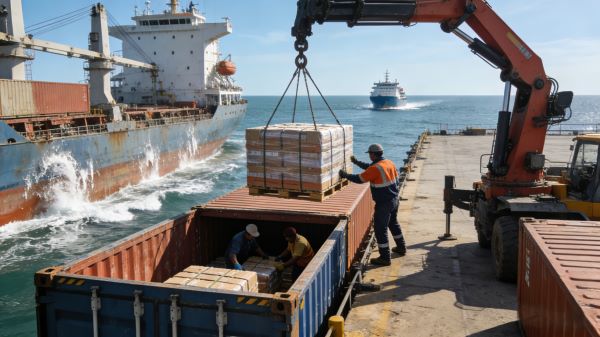
How Can Forwarders Choose the Right LCL Consolidator?
Choosing the right LCL consolidator is a critical decision for forwarders, as it directly impacts service quality, cost efficiency, and client satisfaction. With numerous consolidators available in the market, forwarders need to evaluate potential partners based on key criteria to ensure a successful collaboration.
Key Evaluation Criteria for Consolidators
Evaluate network coverage: Look for consolidators with a strong network of origin and destination agents, particularly in the regions where your clients ship most frequently. A consolidator with a global network can offer more reliable service and faster transit times.
Check industry experience: Consolidators with years of experience in LCL shipping are more likely to have the knowledge and expertise to handle complex shipments, resolve issues quickly, and ensure compliance. Look for consolidators that specialize in the types of cargo your clients ship (e.g., fragile goods, hazardous materials).
Assess pricing transparency: Choose a consolidator that provides clear, detailed quotes with no hidden fees. Transparent pricing helps forwarders provide accurate quotes to their clients and avoid unexpected costs.
Review customer service: A consolidator with responsive customer service is essential, as it allows forwarders to quickly resolve issues and get updates on shipment status. Look for consolidators that offer 24/7 support and clear communication channels.
Verify insurance coverage: Ensure the consolidator has adequate insurance coverage to protect against cargo damage, loss, or delay. This provides peace of mind for both forwarders and their clients.
A common mistake is choosing a consolidator based solely on price, without considering other factors such as service quality and compliance. While cost is an important consideration, prioritizing quality and reliability can help forwarders avoid costly delays and claims, and build stronger client relationships.
What Does the Future Hold for LCL Shipping? Trends for Forwarders to Watch
The LCL shipping industry is constantly evolving, driven by technological advancements, changing global trade patterns, and increasing demand for sustainable logistics. Forwarders that stay ahead of these trends can position themselves for success and better serve their clients.
Global Trade Growth and LCL Demand
According to WTO 2025 data (released in January 2026), global trade is expected to grow by 3.5% in 2026, with SMEs accounting for 40% of this growth. This will likely lead to increased demand for LCL shipping, as SMEs continue to expand their cross-border operations. Additionally, the rise of e-commerce has led to smaller, more frequent shipments, further boosting LCL demand.
Digitization of LCL Operations
One key trend is the digitization of LCL operations. Many consolidators are investing in digital platforms that allow forwarders to track shipments in real time, manage documentation online, and obtain quotes quickly. This digitization improves efficiency, reduces errors, and enhances the customer experience, making it a valuable tool for forwarders.
Sustainability in LCL Shipping
Another trend is the growing focus on sustainability. As global awareness of environmental issues increases, forwarders and consolidators are increasingly adopting eco-friendly practices, such as optimizing container loading to reduce fuel consumption, using alternative fuels, and minimizing packaging waste. The recommended approach for forwarders is to partner with consolidators that prioritize sustainability, as this can help attract environmentally conscious clients and comply with evolving regulations.
In conclusion, Less than Container Load (LCL) is a vital component of international shipping, offering cost-effective and flexible solutions for small to medium-sized shipments. For forwarders, understanding LCL, leveraging the secrets of successful consolidators, and navigating the challenges of LCL shipping are essential to growing their business and serving their clients effectively. By staying informed about industry trends, prioritizing compliance, and choosing the right consolidator partners, forwarders can unlock the full potential of LCL and position themselves as trusted advisors in the global logistics industry. Whether you are new to LCL or looking to enhance your existing services, mastering what is LCL and how to leverage it effectively is key to long-term success in the competitive forwarder market.
Last
Shared Space: Explaining What is LCL to Small-Scale Shippers
For global freight forwarders working with small-scale shippers, explaining What is LCL (Less than Container Load) clearly is key
Next
Business Scale: Why What is Termed FCL Suits Large Importers
For global freight forwarders serving large importers, understanding What is FCL (Full Container Load) is vital to delivering tail
