Business Scale: Why What is Termed FCL Suits Large Importers
Freight Knowledge
 12-May-2026
For global freight forwarders serving large importers, understanding What is FCL (Full Container Load) is vital to delivering tailored, cost-effective solutions. Large importers operate with massive cargo volumes, strict timelines, and complex supply chains, making FCL a preferred shipping method that aligns with their unique needs.
What Makes Large Importers Different from Smaller Ones in Shipping Needs?
Large importers are defined by high-volume, consistent cargo shipments, strict supply chain timelines, and a focus on cost predictability and risk mitigation. Their shipping needs differ significantly from smaller importers, who often rely on less-than-container load (LCL) due to limited cargo volume.
Unlike smaller importers who may ship irregularly or in small batches, large importers typically move cargo in quantities that fill one or more standard containers regularly. This consistency allows them to leverage economies of scale, which is a key advantage of FCL shipping.
Additionally, large importers often handle high-value or time-sensitive goods, where the risk of damage or delay associated with LCL consolidation can lead to significant financial losses. Even minor disruptions in their supply chains can impact their ability to meet customer demand and maintain market share.
According to UNCTAD 2026 Q1 data, large importers (those moving over 5,000 TEUs annually) account for approximately 67% of global FCL shipments, highlighting their reliance on this shipping method. Forwarders should note that large importers prioritize reliability and cost transparency over short-term savings, making FCL a better fit than LCL for their operations.
Why Does FCL Align with the Operational Scale of Large Importers?
FCL aligns with large importers’ operational scale because it offers cost predictability, operational efficiency, and reduced risk—all critical for managing high-volume, consistent cargo flows. The exclusive use of a container eliminates the need for consolidation, streamlining the shipping process.
Large importers often have dedicated logistics teams and warehouses, allowing them to efficiently pack and load full containers without relying on third-party consolidation services. This control over the packing process reduces the risk of cargo damage, which is particularly important for high-volume shipments where even minor damage can result in substantial losses.
Cost predictability is another key factor. FCL rates are typically fixed per container, making it easier for large importers to budget their shipping expenses. In contrast, LCL rates are calculated per unit volume and can fluctuate based on consolidation costs and market demand.
According to Freightos Baltic Index (FBX) 2026 Q2 data, FCL rates have a quarterly fluctuation rate of 7-9%, compared to 14-17% for LCL rates, providing large importers with greater financial stability. A common mistake is assuming FCL is only cost-effective for large importers with cargo that fills a container exactly.
In reality, large importers often use FCL even for slightly underfilled containers, as the cost savings from reduced handling and risk outweigh the cost of unused container space. This strategic choice helps them maintain supply chain efficiency and avoid the delays associated with LCL consolidation.
How Does FCL Address Large Importers’ Key Pain Points?
FCL directly addresses large importers’ key pain points, including cargo damage risk, delivery delays, cost inconsistency, and supply chain complexity. By providing exclusive container use, FCL minimizes these challenges and supports smooth supply chain operations.
Pain Point 1: Cargo Damage and Loss
Large importers often handle high-value or fragile goods, and even a small percentage of damage can lead to significant financial losses. LCL shipping involves multiple handling steps and cargo consolidation, increasing the risk of damage or loss.
FCL eliminates this risk by allowing large importers to pack and seal their own containers, reducing the number of handling steps. According to UNCTAD 2026 Q1 data, FCL shipments have a damage rate of 0.25%, compared to 2.3% for LCL shipments. This difference is critical for large importers, where a single damaged container can result in thousands of dollars in losses.
Pain Point 2: Unpredictable Delivery Timelines
Large importers rely on strict delivery timelines to maintain inventory levels and meet customer demand. LCL shipments often face delays due to consolidation requirements, as the container must wait for other shippers’ cargo to be loaded.
FCL shipments avoid these delays because they are handled as a single unit, with no need to wait for other cargo. According to Shanghai Shipping Exchange 2026 Q2 data, FCL shipments have an average on-time delivery rate of 91%, compared to 73% for LCL shipments. This reliability is essential for large importers, who often face penalties for late deliveries to their own customers.
Pain Point 3: Cost Inconsistency
Large importers require consistent shipping costs to maintain accurate budgeting and pricing. LCL rates are often variable, as they depend on factors like cargo volume, consolidation fees, and market demand.
FCL rates are more consistent, as they are based on container type and route rather than per-unit volume. The recommended approach is for forwarders to offer long-term FCL contracts to large importers, locking in rates and providing greater cost predictability.
According to Drewry 2026 Q2 data, large importers who sign long-term FCL contracts can reduce their shipping costs by 13-16% compared to spot rates, further enhancing their cost efficiency.
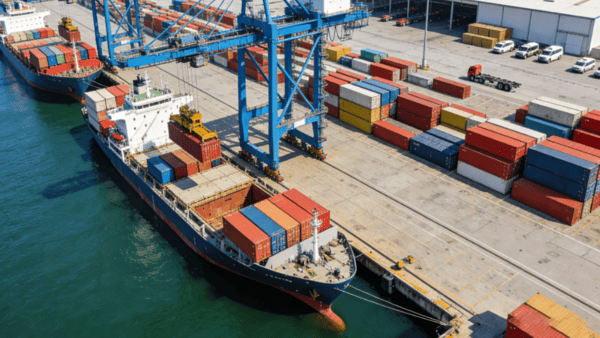
What FCL Strategies Should Forwarders Recommend to Large Importers?
Forwarders should recommend tailored FCL strategies to large importers, focusing on cost optimization, risk mitigation, and operational efficiency. These strategies should align with the importer’s volume, cargo type, and supply chain goals.
Long-Term Carrier Contracts: Negotiate long-term FCL contracts with carriers to secure consistent rates and priority capacity. This is particularly beneficial during peak shipping seasons, when container availability is limited. Forwarders should note that large importers with consistent volume can often negotiate more favorable terms than those using spot rates.
Container Type Optimization: Match container types to the importer’s cargo characteristics. For example, 40-foot high cube (40HQ) containers are ideal for large volumes of lightweight goods, while refrigerated containers are necessary for perishables. The recommended approach is to conduct a cargo audit to determine the most cost-effective container type for each shipment.
Consolidated FCL Shipments: For large importers with multiple suppliers in the same region, consolidate cargo into full containers to maximize space utilization. This reduces the number of containers needed and lowers per-unit shipping costs. A common mistake is failing to consolidate cargo from multiple suppliers, leading to underfilled containers and higher costs.
Digital Tracking and Documentation: Implement digital tools for real-time container tracking and documentation management. Large importers require transparency into their shipments, and digital tools can provide updates on location, estimated arrival time, and documentation status. This improves communication and reduces the risk of delays due to missing or incorrect documents.
Risk Mitigation Measures: Recommend cargo insurance and tamper-evident seals to protect high-value shipments. Large importers often handle goods worth hundreds of thousands of dollars, and insurance provides peace of mind in the event of damage or loss. Additionally, tamper-evident seals help prevent theft and ensure the integrity of the cargo.
How Do Market Trends Impact FCL Usage for Large Importers?
Current market trends, including digitalization, sustainability, and geopolitical shifts, are shaping FCL usage for large importers. Forwarders must stay updated on these trends to provide relevant and effective FCL solutions.
Trend 1: Digitalization of FCL Operations
Digitalization is transforming FCL operations, with large importers increasingly demanding digital tools for booking, tracking, and documentation. According to Drewry 2026 Q2 data, 81% of large importers prioritize working with forwarders who offer digital FCL management tools.
These tools streamline the shipping process, reducing manual errors and improving efficiency. For example, digital booking platforms allow large importers to reserve containers quickly, while real-time tracking tools provide visibility into their shipments. Forwarders should note that investing in digital FCL tools can help attract and retain large importer clients.
Trend 2: Sustainability in FCL Shipping
Large importers are increasingly focusing on sustainability, with many setting targets to reduce their carbon footprint. FCL shipping can support these goals by reducing the number of containers used and optimizing routes to minimize fuel consumption.
According to UNCTAD 2026 Q1 data, FCL shipments have a 27% lower carbon footprint per unit volume compared to LCL shipments, due to reduced handling and more efficient container utilization. The recommended approach is for forwarders to offer eco-friendly FCL options, such as containers made from recycled materials or carriers using alternative fuels, to meet large importers’ sustainability goals.
Trend 3: Geopolitical Shifts and Route Diversification
Geopolitical tensions and port congestion are leading large importers to diversify their shipping routes. For example, ongoing tensions in the Red Sea have prompted many large importers to shift from traditional routes to alternative ones, increasing demand for FCL shipments on these routes.
According to Freightos 2026 Q2 data, trans-Pacific FCL rates have fallen 23% since the start of 2026 due to reduced demand and increased vessel capacity, making this route more attractive for large importers. Forwarders should work with large importers to identify alternative routes and adjust FCL strategies to minimize disruptions.
What Common Mistakes Do Forwarders Make When Serving Large Importers with FCL?
Forwarders often make avoidable mistakes when serving large importers with FCL, which can lead to lost clients and reduced profitability. Recognizing and addressing these mistakes is critical for building long-term relationships with large importers.
Ignoring Cargo Specifics: A common mistake is recommending a one-size-fits-all FCL solution without considering the importer’s cargo type. For example, recommending a standard container for fragile goods can lead to damage, while using a refrigerated container for non-perishable goods wastes money.
Failing to Negotiate Favorable Rates: Many forwarders do not leverage the large importer’s volume to negotiate better FCL rates with carriers. The recommended approach is to use the importer’s consistent volume as leverage to secure lower rates and priority capacity.
Overlooking Documentation Accuracy: Large importers handle high-volume shipments, and even a single documentation error can lead to significant delays and fines. Forwarders should implement a rigorous documentation review process to ensure accuracy and avoid costly mistakes.
Neglecting Communication: Large importers require regular updates on their FCL shipments, and failing to communicate effectively can erode trust. Forwarders should provide real-time updates and proactively address any issues that arise, such as delays or port congestion.
Forwarders should note that large importers have high expectations for FCL services, and even small mistakes can lead to them switching to a competitor. By avoiding these common mistakes and focusing on tailored solutions, forwarders can build strong, long-term relationships with large importers.
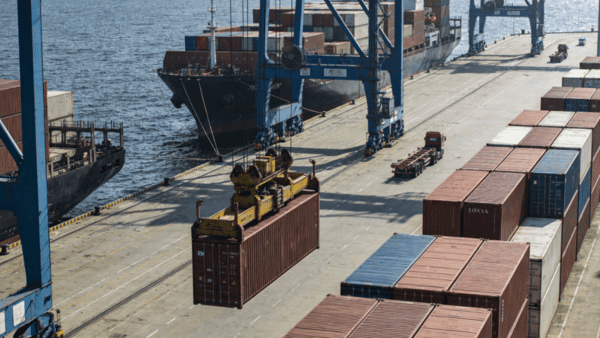
How Can Forwarders Measure the Success of FCL Solutions for Large Importers?
Measuring the success of FCL solutions for large importers is critical for continuous improvement and client retention. Forwarders should track key metrics that align with the importer’s goals, such as cost savings, on-time delivery, and damage rates.
Cost Savings: Track the importer’s FCL shipping costs compared to their previous shipping method (often LCL) or industry benchmarks. According to Shanghai Shipping Exchange 2026 Q2 data, large importers using FCL typically achieve 19-23% cost savings compared to LCL.
On-Time Delivery Rate: Monitor the percentage of FCL shipments delivered on time. A high on-time delivery rate (above 85%) indicates that the FCL solution is meeting the importer’s timeline requirements.
Cargo Damage Rate: Track the percentage of FCL shipments that arrive with damage. A damage rate below 0.5% is considered industry standard for FCL shipments, and lower rates indicate effective packing and handling.
Client Satisfaction: Conduct regular surveys to gather feedback from large importers on their FCL experience. This feedback can help identify areas for improvement and ensure the solution continues to meet their needs.
The recommended approach is to share these metrics with large importers regularly, demonstrating the value of the FCL solution and building trust. This transparency also helps forwarders identify areas where they can improve their services and better align with the importer’s goals.
In conclusion, FCL is uniquely suited to the operational scale and needs of large importers, offering cost predictability, reduced risk, and operational efficiency that align with their high-volume, time-sensitive shipments. For global freight forwarders, understanding What is FCL and how to tailor FCL solutions to large importers is critical for attracting and retaining these valuable clients. By leveraging market trends, avoiding common mistakes, and measuring success through key metrics, forwarders can deliver exceptional FCL services that meet the unique needs of large importers and drive long-term business growth.
Last
Consolidator Secrets: What is Less than Container Load (LCL)?
For forwarders navigating the complex landscape of international shipping, understanding Less than Container Load (LCL) is essenti
Next
Maximizing Unit Cost: What is Full Container Load (FCL)?
In the international freight forwarding industry, understanding Full Container Load (FCL) is essential for optimizing cost efficie
