Avoiding carrier space rejection penalties drafting a Hazardous Materials Chemicals routing ocean logistics freight standard booking compliance SOP
Freight Experience
 25-Jun-2026
A standardized Hazardous Chemicals Ocean Freight Booking SOP helps global forwarding practitioners reduce carrier space rejection risks and avoid contractual penalties in hazardous material ocean logistics operations. In recent years, international maritime carriers have continuously upgraded dangerous goods compliance review standards to improve vessel navigation safety. According to World Shipping Council 2024 official inspection data, 11.39 percent of government-inspected cargo shipments contain safety and documentation deficiencies, with non-standard booking and unreasonable routing planning serving as common contributing factors.
Why do carriers generate frequent rejection on hazardous chemical booking applications?
Carrier booking rejection for hazardous chemicals refers to formal space reservation denial caused by non-compliant documents, inappropriate routing selection or unqualified cargo packing conditions during application submission. It acts as a common operational risk in cross-border dangerous goods maritime transportation.
Major ocean carriers formulate independent hazardous goods access rules based on vessel structural parameters, route risk grades and local port supervision policies. Any mismatch between forwarder operational behaviors and carrier compliance clauses may trigger formal audit rejection and subsequent shipment schedule delays.
Forwarders should note that carrier audit mechanisms for hazardous materials cover full-process operational details rather than only obvious document errors. Minor deviations in routing planning, stowage classification and hazard declaration may also lead to review failure in internal carrier audit systems.
According to UNCTAD 2025 Review of Maritime Transport, unstable routing arrangements and irregular booking procedures are typical human-induced factors that raise detention and rejection frequencies for hazardous chemical shipments on global mainstream shipping lanes.
What operational losses arise from booking rejection and penalty incidents?
Hazardous chemical booking rejection and penalty incidents bring multi-dimensional operational losses to forwarding enterprises, involving time efficiency loss, economic expenditure and long-term cooperative credit impacts.
Frequent carrier space rejection disrupts pre-confirmed shipment schedules and delivery plans. Such disruptions break the continuity of cross-border supply chain arrangements and affect stable cooperation between shippers and overseas buyers.
Non-compliant booking operations that violate carrier contractual provisions may result in corresponding penalty charges. Accumulated rejection records also weaken enterprise credit qualifications in carrier cooperative systems, affecting subsequent space resource reservation stability.
A common mistake is that many grassroots forwarding teams focus merely on direct penalty costs while ignoring implicit losses including customer trust attenuation and restricted cooperative qualifications caused by repeated booking failures.
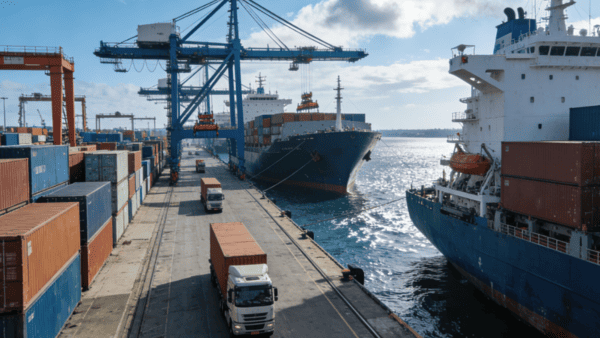
What core booking errors easily trigger carrier rejection and penalties?
Improper booking operations and unscientific routing layouts are typical inducements for carrier compliance penalties and space denial in hazardous chemical freight businesses.
Inaccurate routing matching for hazard categories: Different hazardous chemical UN classifications correspond to differentiated carrier route approval standards. Some forwarders adopt conventional general cargo routes for corrosive, flammable or reactive chemicals, causing systematic booking audit rejection.
Incomplete dynamic compliance documentation: Carriers require real-time updated safety data sheets, hazard certification files and routing approval materials for dangerous goods shipments. Submitting expired documents or missing key certification contents leads to routine audit failure.
Unreasonable stowage and space application: Hazardous chemicals have strict space occupation and cargo isolation specifications. Excessive space application or inaccurate stowage description fails to meet carrier safety load standards, resulting in invalid space allocation arrangements.
Neglecting temporary route restriction policies: Core shipping routes and hub ports adjust hazardous goods access rules according to seasonal changes and regional supervision requirements. Failure to track updated policy adjustments causes invalid booking applications and forced cargo rescheduling.
How to optimize routing planning to mitigate booking rejection risks?
Scientific routing planning is an essential pre-operation step to reduce hazardous chemical booking rejection probability. It realizes reasonable matching between cargo hazard attributes and carrier compliance requirements.
The recommended approach is to build a classified routing selection system based on UN hazard classification standards, forming targeted route planning rules for different hazardous chemical categories.
Classify cargo hazard levels prior to route selection: Sort hazardous chemicals by UN numbers and hazard grades, mark goods with strict transportation restrictions, and avoid routes with high historical rejection rates for corresponding hazardous categories.
Verify latest carrier route compliance rules: Check updated dangerous goods operation guidelines of target carriers, confirm route risk tolerance ranges, and exclude routes with temporary hazardous cargo suspension restrictions.
Evaluate full-port transit supervision conditions: Inspect hazardous goods inspection capacity and entry standards of departure, transit and destination ports to prevent route planning failures caused by port supervision differences.
Reserve alternative compliant shipping routes: Prepare 1 to 2 alternative qualified routes for high-risk chemical shipments. This measure reduces shipment suspension risks when main routes encounter temporary policy adjustments or audit failures.
How to standardize document submission to pass carrier audits stably?
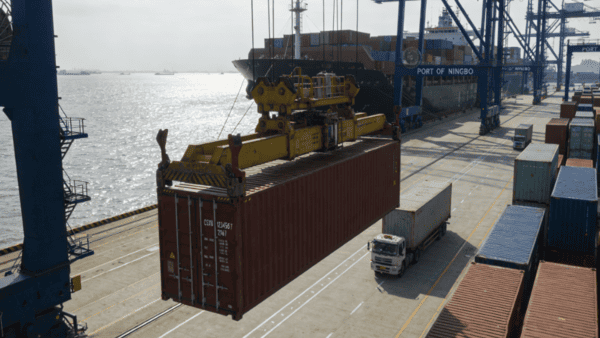
Standardized document submission mechanisms reduce manual errors in declaration links and improve the passing rate of hazardous chemical booking audits.
Update certification documents dynamically: Regularly sort out enterprise dangerous goods certification files, eliminate expired qualification documents, and ensure all submitted materials match the latest IMDG Code provisions and carrier requirements.
Unify cargo declaration information standards: Keep consistent descriptions of cargo names, UN numbers, hazard classes and packing group information across all documents. Unified data standards reduce audit doubts from carrier compliance teams.
Add professional risk explanation attachments: For special hazardous chemicals with complex attributes, supplement targeted risk explanation and safe operation instructions to assist carriers in completing risk assessment efficiently.
What long-term mechanisms help stabilize booking compliance performance?
Stable hazardous chemical booking compliance requires enterprises to establish long-term standardized management mechanisms rather than temporary remedial operations.
Forwarders should note that carrier compliance review standards for dangerous goods update iteratively with international maritime regulations. Sustained team learning and process optimization are necessary for stable operational output.
According to Drewry 2025 maritime industry tracking data, forwarding enterprises with standardized hazardous goods booking management systems maintain lower rejection and penalty frequencies in chemical freight businesses.
Enterprises can organize regular internal training focusing on updated carrier rules, routing restriction policies and common error prevention methods. Systematic training improves team awareness of compliance risks and reduces manual operational deficiencies.
Establishing internal booking case archives is also a practical optimization method. Enterprises can summarize typical rejection cases and penalty incidents, form internal operational guidelines, and accumulate compliant routing and booking experience for different hazardous chemical categories.
As global maritime safety supervision becomes increasingly rigorous, standardized booking and routing management has become a basic professional capability for forwarding enterprises undertaking hazardous chemical logistics businesses. A complete and executable Hazardous Chemicals Ocean Freight Booking SOP effectively avoids carrier space rejection and penalty risks, stabilizes shipment efficiency, and improves the overall compliance level of cross-border hazardous material ocean transportation services.
Last
Training new sales staff on Hazardous Export Chemicals securing Ocean Carrier freight approvals using a standard booking checklist SOP
A structured Hazardous Chemicals Ocean Freight Booking SOP provides standardized training frameworks for forwarding enterprises to

Next
Streamlining dangerous cargo approvals applying a strict Hazardous Industrial Chemicals safe ocean transport freight compliance booking manual SOP
A standardized Hazardous Chemicals Ocean Freight Booking SOP helps global forwarders optimize dangerous cargo approval workflows a
