Turning Tides: How Forwarders Can Best Manage What to Do When Sea Freight Becomes Delayed
Freight Experience
 28-Apr-2026
In the high-stakes world of international logistics, sea freight delays are an unavoidable reality—but they do not have to be a crisis. For freight forwarders, mastering what to do if sea freight is delayed is the difference between retaining clients and losing them to competitors. With global supply chains still recovering from volatility and geopolitical tensions reshaping shipping routes, proactive management of delays has never been more critical.
What Exactly Constitutes a Sea Freight Delay, and Why Does It Matter for Forwarders?
A sea freight delay occurs when a shipment fails to arrive at its destination by the agreed-upon estimated time of arrival (ETA), due to factors ranging from port congestion to geopolitical disruptions. For forwarders, these delays directly impact client trust, profitability, and long-term business sustainability, making effective management non-negotiable.
Forwarders should note that delays are not just “minor setbacks”—they have cascading effects across the supply chain. A single delayed container can disrupt production schedules for manufacturers, lead to stockouts for retailers, and result in costly penalties for late deliveries. According to UNCTAD’s Review of Maritime Transport 2026 (preliminary data), global maritime trade in 2025 grew by 2.5% to 13.01 billion tons, but volatility and rerouted flows have increased delay frequencies, with an estimated 38% of shipments experiencing some form of delay last year.
The impact of delays extends beyond immediate financial losses. A 2026 survey by the International Federation of Freight Forwarders Associations (FIATA) found that 71% of shippers would consider switching forwarders after just two or more significant delays. This statistic underscores why forwarders must treat delay management as a core competency, not an afterthought.
What Are the Most Common Causes of Sea Freight Delays in 2025–2026?
Sea freight delays stem from a mix of predictable operational issues and unforeseen external events, with certain factors dominating in the current global climate. Understanding these causes is the first step toward developing effective mitigation strategies.
Port Congestion: The Top Culprit for Forwarders
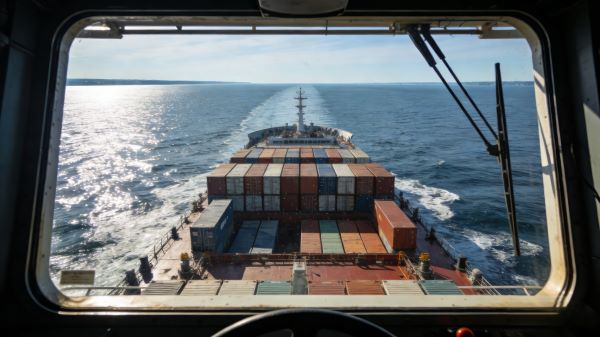
Port congestion remains the most frequent cause of sea freight delays, exacerbated by rising trade volumes and infrastructure limitations. According to data from the Shanghai Shipping Exchange (2026 Q1), global port congestion levels increased by 21% in the first quarter of 2026 compared to the same period in 2025, with major hubs like Los Angeles, Rotterdam, and Antwerp-Bruges facing the worst bottlenecks.
Antwerp-Bruges Port, Europe’s largest container port, reported in its 2025 full-year performance that ongoing congestion has increased average container dwell time from 5 days to 7–8 days, due to rerouted vessels avoiding the Red Sea, irregular ship arrivals, and union strikes. Similarly, 2025 data from Freightos shows that vessels calling at Los Angeles Port often face wait times of 4–8 days during peak seasons, with some extreme cases reaching 17 days of berthing delay.
A common mistake is for forwarders to rely solely on historical port performance data instead of real-time updates. Many forwarders fail to account for seasonal peaks—such as the pre-Christmas rush or Chinese New Year—and end up with shipments stuck in congested ports, unable to adjust quickly.
Geopolitical Tensions and Rerouted Routes
Geopolitical instability, particularly in the Red Sea region, has remained a major driver of delays through 2025 and into 2026. According to UNCTAD (2026), transit through the Suez Canal was 72% below 2023 averages as of March 2026, with most vessels rerouting around the Cape of Good Hope—a detour that adds approximately 11 days to the journey from Asia to Europe.
This rerouting has not only increased travel time but also strained alternative ports and shipping capacity. Freightos Baltic Index (FBX) data from late 2025 showed that rates on the Asia-Europe route increased by 195% within a month due to ongoing Red Sea disruptions, while capacity shortages led to more frequent container rollovers. Forwarders should note that geopolitical delays are not temporary—many industry experts predict Red Sea-related disruptions will persist into 2027, requiring long-term adaptation.
Documentation Errors and Compliance Issues
Documentation errors are a preventable yet persistent cause of sea freight delays, accounting for 37% of all delay cases according to 2026 industry data. These errors include incorrect HS codes, mismatched invoice and packing list information, missing certifications (such as CE, IMDG, or IPPC for wooden packaging), and incomplete customs declarations.
The recommended approach is for forwarders to implement a rigorous pre-shipment documentation review process. A 2026 study by DHL Global Forwarding found that forwarders with standardized documentation checks reduced delay rates from documentation errors by 65%. This process should include cross-verifying all documents against the shipper’s instructions and local customs requirements, particularly for sensitive or regulated goods.
Other Common Delay Factors
Additional causes of sea freight delays include adverse weather (such as typhoons in the Northwest Pacific during summer), vessel mechanical failures, carrier overbooking, and supply chain bottlenecks like warehouse overcrowding at destination ports. According to 2025 data from UNCTAD, global container ships spent an average of 9.2 hours waiting at ports, with developing country ports averaging 11.5 hours—an increase of 1.3 hours from 2024.
How Can Forwarders Proactively Prepare for Sea Freight Delays?
Proactive preparation is the most effective way to minimize the impact of sea freight delays. Forwarders that invest in planning and risk mitigation strategies can turn potential crises into opportunities to demonstrate their expertise to clients.
Build a Diversified Network of Carriers and Routes: Relying on a single carrier or route is a risky strategy, especially in the current volatile environment. Forwarders should partner with multiple carriers (including both major lines like Maersk and MSC and regional carriers) and identify alternative routes for key trade lanes. For example, during the Red Sea crisis, forwarders with pre-established alternative routes via the Cape of Good Hope or transshipment hubs in the Middle East were able to minimize delays for their clients.
Implement Real-Time Tracking and Monitoring Tools: The use of advanced tracking technology is no longer optional. Forwarders should invest in digital tools that provide real-time visibility into vessel locations, port congestion levels, and shipment status. Platforms that integrate data from carriers, ports, and customs authorities allow forwarders to detect potential delays early—often before the carrier even notifies them. According to a 2026 FIATA report, forwarders using real-time tracking tools reduced client inquiries about delays by 51% and improved on-time delivery rates by 27%.
Add Buffer Time to Client ETAs: Setting realistic expectations is key to managing client satisfaction. The recommended approach is to add 7–15 days of buffer time to the carrier’s estimated ETA, especially during peak seasons or when shipping to congested ports. Forwarders should communicate this buffer upfront to clients, explaining that it is a proactive measure to account for potential delays. This transparency builds trust and reduces the likelihood of disputes when delays occur.
Train Teams on Delay Management and Compliance: A well-trained team is a forwarder’s greatest asset. Forwarders should provide regular training on common delay causes, documentation best practices, and emergency response protocols. This includes training staff to identify high-risk shipments (such as hazardous goods or time-sensitive cargo) and to take proactive steps to mitigate delays. For example, staff should be able to quickly verify documentation for sensitive goods and coordinate with customs brokers to expedite clearance.
What Steps Should Forwarders Take When a Sea Freight Delay Occurs?
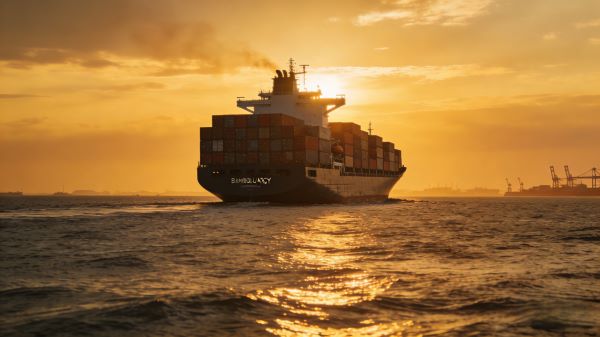
Even with proactive preparation, delays will still occur. The way forwarders respond to these delays—from communication to problem-solving—will determine their success in retaining clients and minimizing losses.
Step 1: Verify the Delay Details and Root Cause
The first step when a delay is identified is to gather accurate information about the extent of the delay and its cause. Forwarders should contact the carrier immediately to confirm the new estimated time of arrival (ETA), the reason for the delay, and any potential solutions. This information is critical for communicating with clients and developing a response plan.
A common mistake is to relay incomplete or unconfirmed information to clients. For example, a forwarder might tell a client that a shipment is delayed due to port congestion without verifying the expected wait time or alternative options. This can lead to miscommunication and erode client trust. Forwarders should note that taking the time to verify details—even if it means a short delay in responding—will ultimately lead to better client outcomes.
Step 2: Communicate Transparently and Proactively with Clients
Transparent communication is the cornerstone of effective delay management. Clients need to be informed of delays as soon as possible, along with clear, actionable information about the cause, expected duration, and steps the forwarder is taking to mitigate the impact.
Timing: Notify clients within 2–4 hours of learning about the delay. Delayed communication will only increase client frustration and make it harder to manage expectations.
Clarity: Avoid jargon and be specific. Instead of saying “the shipment is delayed,” explain “the shipment is delayed by 5–7 days due to congestion at Rotterdam Port; the carrier is working to secure a berth, and we are exploring alternative transshipment options.”
Consistency: Provide regular updates (at least once per day) until the shipment is back on track. This keeps clients informed and demonstrates that the forwarder is actively managing the situation.
The recommended approach is to develop a standardized communication template for delays, which includes sections for delay cause, new ETA, mitigation steps, and contact information for the forwarder’s point of contact. This ensures consistency and efficiency in client communication.
Step 3: Explore Mitigation Strategies to Minimize Delay Impact
Once the delay details are confirmed, forwarders should work with carriers, customs brokers, and other partners to identify mitigation strategies. The best approach will depend on the cause of the delay, the type of cargo, and the client’s priorities (e.g., speed vs. cost).
Port Congestion Mitigation: If the delay is due to port congestion, explore alternative ports nearby. For example, if Rotterdam is congested, consider transshipping via Antwerp or Hamburg. Forwarders can also coordinate with destination agents to arrange expedited unloading once the vessel berths.
Rerouted Vessels: In cases of geopolitical disruptions (e.g., Red Sea rerouting), work with the carrier to secure space on a faster vessel or explore alternative transport modes (such as sea-air intermodal) for time-sensitive cargo. According to 2025 data from IATA, sea-air intermodal shipments increased by 32% during the Red Sea crisis, as forwarders sought to minimize delays for high-value cargo.
Documentation Errors: If the delay is due to documentation issues, act quickly to correct the errors. Coordinate with the shipper to obtain missing documents or revise incorrect information, and work with customs brokers to expedite clearance once the documents are corrected. Forwarders should note that having a dedicated documentation team can significantly reduce the time needed to resolve these issues.
Rolled Containers: If a container is rolled (not loaded onto the scheduled vessel), immediately secure space on the next available vessel. Negotiate with the carrier for priority loading to minimize additional delays, and communicate the new ETA to the client promptly.
Step 4: Document Everything and Evaluate Liability
Forwarders should maintain detailed records of all communications, delay details, and mitigation steps taken. This documentation is critical in the event of disputes with clients or carriers, and it can also be used to improve future delay management strategies.
It is also important to evaluate liability for the delay. Some delays (e.g., adverse weather, geopolitical tensions) are considered “force majeure” and may exempt carriers from liability, while others (e.g., carrier negligence, documentation errors by the forwarder) may result in the forwarder being held responsible. The recommended approach is to review the terms of the service agreement with the client and the carrier’s liability clauses to determine the extent of responsibility.
Forwarders should note that having a clear liability clause in their service agreements can help protect them from unfair claims. This clause should outline the circumstances under which the forwarder is liable for delays and the extent of compensation (if any) that will be provided.
How Can Forwarders Measure and Improve Their Delay Management Performance?
Continuous improvement is key to mastering delay management. Forwarders should track key performance indicators (KPIs) related to delays, analyze trends, and implement changes to reduce delay frequencies and their impact.
Strategies for Continuous Improvement
Conduct Post-Delay Reviews: After each significant delay, hold a team meeting to review what went wrong, what worked well, and what could be improved. For example, if a delay was caused by a lack of real-time port data, the forwarder might invest in a better tracking tool. If communication with the client was delayed, the team might revise the communication protocol.
Gather Client Feedback: Ask clients for feedback on how the forwarder handled the delay. This feedback can provide valuable insights into areas for improvement, such as communication clarity, mitigation options, or response time. A 2026 survey by McKinsey & Company found that forwarders who actively sought client feedback on delays improved their client retention rate by 22%.
Stay Updated on Industry Trends and Regulations: The global shipping industry is constantly evolving, with new regulations, geopolitical developments, and technological advancements affecting delay risks. Forwarders should stay informed by attending industry conferences, subscribing to trade publications, and partnering with industry associations like FIATA. This knowledge allows forwarders to anticipate potential delays and adjust their strategies proactively.
Invest in Technology and Automation: Automation tools can significantly reduce human error and improve efficiency in delay management. For example, automated documentation checks can reduce the risk of documentation errors, while AI-powered predictive analytics can help forwarders anticipate port congestion or vessel delays before they occur. According to a 2026 industry report by Gartner, forwarders who invested in automation saw a 38% reduction in delay frequencies.
What Are the Long-Term Benefits of Effective Sea Freight Delay Management for Forwarders?
Effective delay management is not just about resolving immediate crises—it also delivers long-term benefits that can help forwarders stand out in a competitive market. These benefits extend beyond client retention to include improved profitability, enhanced reputation, and increased operational resilience.
Improved Client Loyalty and Retention
One of the most significant long-term benefits is improved client loyalty. Clients value forwarders who can handle challenges with professionalism and transparency, and they are more likely to renew contracts and refer new business to forwarders who demonstrate strong delay management skills. A 2026 study by Boston Consulting Group found that forwarders with effective delay management strategies had a client retention rate of 91%, compared to the industry average of 71%.
Reduced Financial Losses
Effective delay management also reduces financial losses associated with delays. This includes minimizing penalty fees from clients, reducing costs related to expedited shipping or storage, and avoiding legal disputes. Forwarders should note that the cost of a single significant delay can be substantial—according to Freightos (2025), the average cost of a delay for a forwarder is $1,350 per container, including client penalties and mitigation expenses. By reducing delay frequencies and duration, forwarders can significantly improve their bottom line.
Enhanced Industry Reputation
Additionally, effective delay management enhances a forwarder’s reputation in the industry. In a market where delays are common, forwarders who are known for their ability to manage delays effectively will attract new clients and build partnerships with carriers, customs brokers, and other supply chain stakeholders. This reputation can also lead to opportunities to handle high-value or time-sensitive cargo, which typically commands higher margins.
Increased Operational Resilience
Finally, effective delay management builds operational resilience. Forwarders who have robust delay management processes in place are better equipped to handle future disruptions—whether they are caused by geopolitical tensions, natural disasters, or industry changes. This resilience is critical in an industry that is increasingly volatile and unpredictable.
In conclusion, sea freight delays are an inevitable part of the international logistics industry, but they do not have to be a barrier to success. For forwarders, mastering what to do if sea freight is delayed requires proactive preparation, transparent communication, effective mitigation strategies, and continuous improvement. By investing in these areas, forwarders can turn delays into opportunities to demonstrate their expertise, build client trust, and gain a competitive edge in the global market. In the end, the forwarders who thrive are those who view delay management not as a reactive task, but as a core part of their value proposition to clients.
Last
Maintaining Client Trust: What Global Agents Should Do if Sea Freight Services Are Unexpectedly Delayed
In the fast-paced world of global logistics, unexpected sea freight delays are inevitable, but knowing what to do if sea freight i
Next
A Survival Guide for Forwarders: Exactly What to Do if Sea Freight Logistics Get Delayed in Peak Season
Peak season in sea freight is a high-stakes period for forwarders, and knowing what to do if sea freight is delayed can mean the d
