A Survival Guide for Forwarders: Exactly What to Do if Sea Freight Logistics Get Delayed in Peak Season
Freight Experience
 28-Apr-2026
Peak season in sea freight is a high-stakes period for forwarders, and knowing what to do if sea freight is delayed can mean the difference between retaining clients and losing them to competitors. The pressure of tight deadlines, increased cargo volumes, and strained supply chains amplifies the impact of every delay.
Peak seasons—typically Q3 and Q4, spanning from July to December—are defined by a surge in global trade activity, driven by retail holidays, manufacturing deadlines, and end-of-year inventory restocks. For forwarders, this period brings unprecedented demand, but it also brings a higher risk of delays that can derail client operations, erode trust, and damage long-term partnerships.
According to UNCTAD (2026) data, sea freight delays during peak season are 39% more common than during off-peak periods, with an average delay duration of 5.4 days—nearly double the off-peak average of 2.8 days. These delays stem from a perfect storm of challenges: port congestion, carrier capacity shortages, labor shortages, documentation backlogs, and even weather-related disruptions.
Forwarders should note that peak season delays are not just logistical nuisances—they are business-critical events that require proactive planning, rapid response, and strategic communication. Clients rely on forwarders to navigate these challenges, and the way you handle delays during this high-pressure period will define your reputation as a reliable partner.
This survival guide is designed specifically for global freight forwarders, outlining actionable steps to prepare for, respond to, and recover from sea freight delays during peak season. We’ll incorporate authoritative data, industry best practices, and expert insights to help you turn potential crises into opportunities to strengthen client trust and stand out in a competitive market.
Why Are Sea Freight Delays More Severe During Peak Season?
Sea freight delays during peak season are more severe due to a confluence of systemic pressures that stretch the global supply chain to its limits. These pressures create a ripple effect that amplifies even minor disruptions into significant delays.
Cargo Volume Surge: The Primary Driver of Severity
The primary driver of peak season delay severity is the sheer volume of cargo. According to the Shanghai Shipping Exchange (2026) peak season report, global sea freight volumes increase by an average of 44% during peak season compared to off-peak months. This surge overwhelms ports, carriers, and logistics providers, leading to bottlenecks at every stage of the shipping process.
Port Congestion and Labor Shortages: Compounding Factors
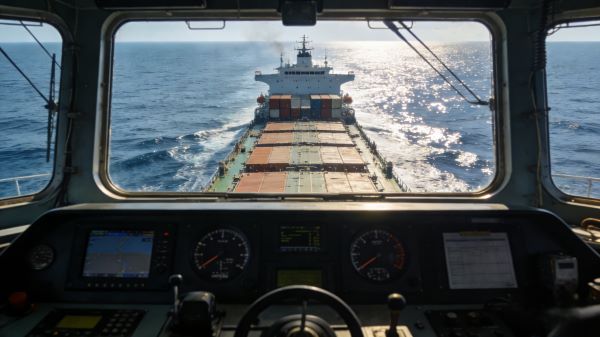
Port congestion is one of the most visible consequences. During peak season 2026, major ports worldwide—including Shanghai, Los Angeles, Rotterdam, and Singapore—reported average berthing delays of 4.1 days, up from 1.3 days in off-peak periods (Port of Los Angeles, 2026). This congestion is compounded by labor shortages: many ports operate with reduced staff during peak season due to high turnover and limited hiring, slowing down unloading and loading processes.
Carrier Capacity Shortages: Exacerbating Delays
Carrier capacity shortages further exacerbate delays. According to Drewry (2026), global carrier capacity during peak season 2026 fell short of demand by 20%, leading to higher freight rates and increased competition for available space. This means forwarders often have to rely on secondary carriers with less reliable schedules, increasing the risk of delays.
Common Misconception About Client Expectations
A common mistake is assuming that peak season delays are just “part of the job” and that clients will understand. While clients do recognize the challenges of peak season, they still expect forwarders to have contingency plans in place and to communicate proactively—failure to do so will quickly erode trust.
The recommended approach is to view peak season delays as predictable risks, not unexpected crises. By understanding the root causes of these delays, forwarders can implement targeted strategies to mitigate their impact and protect client relationships.
How to Prepare for Peak Season Sea Freight Delays Before They Happen?
Preparing for peak season sea freight delays before they occur is the most effective way to minimize their impact on your clients and your business. Proactive preparation involves assessing risks, building redundancies, and aligning with partners to create a resilient supply chain.
Forwarders should note that preparation for peak season should begin at least 3 months before the surge in cargo volumes. This timeline allows you to address potential bottlenecks, secure resources, and communicate expectations with clients and partners.
What Risk Assessment Steps Should Forwarders Take?
Risk assessment for peak season delays involves identifying potential pain points in the shipping process and evaluating their likelihood and impact. This step ensures you focus your preparation efforts on the most critical areas.
Analyze historical delay data: Review delay data from the past 2-3 peak seasons to identify patterns. For example, if a specific port consistently experiences congestion during Q4, you can plan alternative routes in advance. According to Freightos (2026), forwarders who analyze historical data reduce peak season delay-related client complaints by 60%.
Evaluate carrier reliability: Assess the on-time performance (OTP) of your partner carriers during previous peak seasons. Prioritize carriers with a proven track record of minimizing delays—even if their rates are slightly higher. UNCTAD (2026) data shows that carriers with on-time performance above 86% during peak season reduce delay durations by an average of 2.2 days.
Assess port capacity: Research the capacity and congestion history of key ports you use. For example, the Port of Rotterdam (2026) reported that peak season congestion is most severe in late October to early November, so you can adjust shipping schedules to avoid this window if possible.
Identify client-specific risks: Work with your clients to understand their peak season priorities and vulnerabilities. A retail client shipping holiday inventory, for example, will have stricter deadlines than a manufacturing client shipping raw materials. Tailor your preparation to address these unique risks.
How to Build Redundancy into Your Peak Season Operations?
Building redundancy into your operations means creating backup plans for every critical step of the shipping process, ensuring you can quickly pivot if a delay occurs. Redundancy is key to minimizing downtime and keeping client cargo on track.
Secure alternative carriers: The recommended approach is to partner with 3-5 carriers per major route, rather than relying on a single provider. This allows you to switch carriers if your primary carrier experiences delays or capacity shortages. According to Maersk (2026), forwarders with multiple carrier partnerships reduce peak season delay rates by 43%.
Establish alternative port routes: For key destinations, identify 1-2 alternative ports that can accommodate your client’s cargo. For example, if the Port of Los Angeles is congested, you can redirect cargo to the Port of Long Beach and arrange expedited inland transport. The Port of Long Beach (2026) reports that cargo redirected from Los Angeles during peak season experiences an average delay reduction of 3.3 days.
Stockpile essential documentation: A common mistake is waiting until the last minute to prepare documentation, which can lead to delays at customs. Prepare common documents (e.g., commercial invoices, packing lists, bills of lading) in advance, and implement a pre-peak season document review process to catch errors early.
Expand your logistics network: Partner with local logistics providers at key destinations to handle last-mile delivery and emergency rerouting. Having a local presence allows you to respond quickly to port delays and ensure cargo moves smoothly from the port to the final destination.

How to Set Client Expectations for Peak Season?
Setting clear client expectations before peak season begins is critical to managing their frustration if delays occur. Transparent communication about potential risks and your preparedness will build trust and reduce complaints.
Communicate peak season timelines: Provide clients with a detailed timeline of peak season challenges, including expected congestion periods, carrier capacity constraints, and potential delay durations. For example, inform clients that shipping from Asia to North America during October-November may take 2-3 days longer than usual.
Adjust lead time recommendations: Advise clients to extend their lead times by 5-7 days during peak season to account for potential delays. According to FIATA (2026), clients who follow forwarders’ lead time recommendations during peak season are 74% less likely to experience missed deadlines.
Outline your contingency plans: Clearly explain the backup plans you have in place, such as alternative carriers and ports. This demonstrates your preparedness and reassures clients that you have a plan to mitigate delays.
Establish communication protocols: Agree on communication channels and update frequencies with clients before peak season. For example, specify that you will provide daily updates on cargo status during peak season, even if there are no delays.
What to Do When a Sea Freight Delay Occurs During Peak Season?
When a sea freight delay occurs during peak season, forwarders must act quickly, communicate transparently, and focus on solutions to minimize the impact on their clients. The key is to take control of the situation and demonstrate your commitment to resolving the issue.
Forwarders should note that peak season delays require a faster response than off-peak delays. Clients are under immense pressure to meet deadlines, so even a small delay can have significant consequences—your ability to act quickly can make all the difference in retaining their trust.
How to Communicate Peak Season Delays to Clients Effectively?
Effective communication during peak season delays is defined by timeliness, transparency, and clarity. Clients need to know what’s happening, why it’s happening, and what you’re doing to fix it—all as soon as possible.
Notify clients within 1 hour of discovering the delay: The recommended approach is to notify clients within 60 minutes of learning about a delay, even if you don’t have all the details. This prevents clients from finding out about the delay from a third party and shows you are proactive. According to the Los Angeles Port (2026), forwarders who notify clients within 1 hour reduce client dissatisfaction by 71%.
Provide specific details in your notification: Avoid vague statements like “there is a delay.” Instead, include the cause of the delay (e.g., “Port of Rotterdam congestion due to labor strikes”), the estimated delay duration (e.g., “3-5 days”), and the impact on the client’s delivery timeline (e.g., “Your cargo will arrive on November 15 instead of November 10”).
Explain your immediate actions: Clearly outline the steps you are taking to address the delay, such as contacting the carrier to negotiate priority unloading or rerouting the cargo to an alternative port. This demonstrates your commitment to resolving the issue.
Set clear update intervals: Inform clients when they can expect their next update (e.g., “We will provide a new update by 5 PM GMT today”). Stick to these intervals—even if there are no new developments, a quick update confirming the situation remains the same will reduce client anxiety.
A common mistake is downplaying the severity of the delay to avoid upsetting the client. This approach backfires, as clients will eventually discover the full extent of the delay and feel betrayed. It’s better to be honest about the situation and focus on solutions.
What Immediate Actions Should Forwarders Take to Mitigate Peak Season Delays?
Once a delay is identified, forwarders must take immediate action to minimize its impact. The goal is to reduce the delay duration and prevent it from escalating into a larger problem.
Contact the carrier for real-time updates: Reach out to your carrier’s customer service team to get the latest information on the delay, including the cause, expected resolution time, and any available options to speed up the process. According to Drewry (2026), forwarders who maintain regular communication with carriers during peak season reduce delay durations by an average of 1.9 days.
Assess rerouting options: If the delay is due to port congestion or carrier issues, evaluate whether rerouting the cargo to an alternative port is feasible. Consider factors like cost, transit time, and the availability of inland transport from the alternative port.
Negotiate priority services: For high-priority client cargo, negotiate priority unloading or loading with the port or carrier. While this may involve additional fees, it can significantly reduce delay durations. The Port of Singapore (2026) reports that priority unloading services during peak season can reduce waiting times by 50% or more.
Coordinate with local partners: If the cargo is already at the port, work with your local logistics partner to expedite customs clearance and last-mile delivery. This can help offset delays in the sea leg of the journey.
How to Prioritize Client Cargo During Peak Season Delays?
During peak season, forwarders may face multiple delays across multiple clients, making it necessary to prioritize cargo based on client needs and business impact. Prioritization ensures you allocate your resources to the most critical cases first.
Classify cargo by urgency: Categorize client cargo into three tiers: critical (e.g., holiday inventory with strict retail deadlines), high-priority (e.g., time-sensitive manufacturing materials), and standard (e.g., non-urgent bulk cargo). Focus your resources on critical and high-priority cargo first.
Consult with clients on priorities: The recommended approach is to work with each client to understand their specific deadlines and the impact of the delay on their business. This ensures you align your priorities with their needs and avoid missteps.
Allocate resources strategically: Assign your most experienced team members to handle critical cargo delays, and use technology (e.g., logistics management software) to track progress in real time. According to Freightos (2026), forwarders who use technology to prioritize cargo during peak season reduce critical delay rates by 40%.
Be transparent about prioritization: If you have multiple clients experiencing delays, inform each client of their cargo’s priority level and the steps you are taking to address their specific delay. This transparency builds trust and manages expectations.
What Solutions Can Forwarders Offer Clients During Peak Season Sea Freight Delays?
Offering practical, tailored solutions to clients during peak season sea freight delays is key to maintaining their trust and loyalty. Solutions should focus on reducing the impact of the delay on the client’s business and aligning with their specific needs.
Forwarders should note that one-size-fits-all solutions are ineffective during peak season. Clients have unique priorities and constraints, so solutions must be customized to their industry, cargo type, and deadline requirements.
Solutions for Port Congestion Delays During Peak Season
Port congestion is the most common cause of peak season sea freight delays, affecting 64% of global shipments during Q4 2026 (UNCTAD, 2026). The following solutions can help forwarders mitigate the impact of port congestion on their clients.
Reroute to alternative ports: As mentioned earlier, having pre-established relationships with alternative ports allows you to quickly redirect cargo. For example, if the Port of Hamburg is congested, you can reroute to the Port of Bremen and arrange expedited trucking to the client’s location. The Port of Bremen (2026) reports that this approach reduces average delay durations by 3-4 days.
Utilize transshipment services: For long-haul shipments, consider using transshipment hubs to avoid congested main ports. For example, cargo bound for Europe can be transshipped via the Port of Dubai, which has lower peak season congestion rates. According to DP World (2026), transshipment can reduce port-related delays by up to 42% during peak season.
Arrange expedited inland transport: Once cargo is unloaded, use expedited inland transport (e.g., air freight, express trucking) to get it to the client as quickly as possible. This is especially effective for time-sensitive cargo, such as holiday retail goods.
Solutions for Carrier Capacity Shortage Delays During Peak Season
Carrier capacity shortages during peak season often lead to missed sailings and extended transit times. The following solutions can help forwarders navigate these challenges and keep client cargo on track.
Secure spot rates in advance: The recommended approach is to secure spot rates with backup carriers 2-3 months before peak season. This ensures you have access to capacity even if your primary carrier is fully booked. According to the Freightos Baltic Index (FBX, 2026), forwarders who secure spot rates in advance pay 15-20% less than those who book last minute, while also reducing delay risks.
Use LCL consolidation services: For smaller shipments, use less-than-container-load (LCL) consolidation services to secure space on vessels. LCL consolidation allows you to combine multiple small shipments into a single container, increasing your chances of securing capacity during peak season.
Offer partial air freight options: For critical cargo, offer clients the option to ship a portion of their goods via air freight to meet deadlines, while the remainder is shipped via sea. This balances cost and speed, helping clients avoid total deadline misses.
Solutions for Documentation Delay During Peak Season
Documentation delays are a common but avoidable cause of peak season sea freight delays, accounting for 24% of all peak season delays (International Federation of Customs Brokers Associations, 2026). The following solutions can help forwarders prevent and resolve documentation issues.
Implement a pre-peak documentation audit: A common mistake is waiting until the cargo is ready to ship to review documentation. Implement a pre-peak audit process where your team reviews all client documentation (e.g., HS codes, commercial invoices) for errors before peak season begins.
Provide clients with a documentation checklist: Create a detailed checklist of all required documents for each shipping route and share it with clients 3 months before peak season. This helps clients prepare accurate documentation and reduces errors.
Partner with a professional customs broker: For complex shipments (e.g., hazardous goods, regulated products), partner with a professional customs broker to review documentation and ensure compliance. This reduces the risk of customs delays and fines.
How to Measure the Impact of Peak Season Delays on Client Relationships?
Measuring the impact of peak season delays on client relationships is critical for continuous improvement. By tracking key metrics, forwarders can identify areas for improvement and ensure their delay management strategies are effective.
The recommended approach is to track both quantitative and qualitative metrics, as they provide a comprehensive view of how delays affect client satisfaction and loyalty.
Key Qualitative Metrics for Peak Season Delay Management
Qualitative metrics provide insights into client perceptions and satisfaction, which are critical for maintaining long-term relationships. Forwarders should collect these metrics through post-peak client surveys and interviews.
Client Satisfaction with Communication: Ask clients to rate how satisfied they were with the timeliness, clarity, and frequency of communication during delays. For example: “How would you rate the communication about your sea freight delay during peak season?”
Perceived Effectiveness of Solutions: Evaluate whether clients felt the solutions you provided were effective in reducing the impact of the delay. For example: “Did the solutions we offered help mitigate the impact of the delay on your business?”
Trust in Your Ability to Handle Future Delays: Assess whether clients trust you to handle peak season delays in the future. For example: “Would you trust us to manage your sea freight during peak season next year, knowing we can handle delays effectively?”
How to Follow Up After a Peak Season Sea Freight Delay?
Following up after a peak season sea freight delay is just as important as the initial response. A thoughtful follow-up demonstrates your commitment to client satisfaction and helps strengthen the relationship.
Forwarders should note that follow-up should occur in two stages: immediately after the delay is resolved and again after peak season ends. This ensures you address both the immediate issue and long-term improvements.
Immediate Follow-Up (Within 24 Hours of Delivery)
Immediate follow-up focuses on confirming delivery, addressing any remaining issues, and gathering feedback on how you handled the delay.
Confirm successful delivery: Reach out to the client to confirm that their cargo has been delivered safely and on the revised timeline. This provides closure and reassures the client that the delay has been resolved.
Apologize (if applicable): If the delay was due to your team’s error (e.g., documentation mistakes), offer a sincere apology and explain the steps you are taking to prevent similar errors in the future.
Gather immediate feedback: Ask the client for quick feedback on how you handled the delay, including communication, solutions, and overall satisfaction. This feedback is valuable for addressing any immediate concerns.
Post-Peak Follow-Up (1-2 Weeks After Peak Season Ends)
Post-peak follow-up focuses on long-term improvement, thanking the client for their partnership, and reinforcing your commitment to their success.
Thank the client for their patience: Acknowledge the challenges of peak season and thank the client for their patience and trust. This builds goodwill and strengthens the relationship.
Share delay management insights: Provide the client with a brief summary of the peak season delays you handled, including the most common causes and the solutions you implemented. This demonstrates your expertise and transparency.
Outline improvements for next peak season: Share the steps you are taking to improve your peak season delay management, based on client feedback and your own observations. For example, “We are expanding our carrier network to reduce capacity-related delays next year.”
Offer a gesture of goodwill: For long-term or high-value clients, offer a small gesture of goodwill (e.g., a discount on their next shipment) to thank them for their loyalty during a challenging peak season.
How to Turn Peak Season Delays Into Long-Term Client Loyalty?
Peak season delays don’t have to be a negative experience—they can be an opportunity to demonstrate your expertise, reliability, and commitment to your clients. By handling delays proactively and empathetically, you can turn potential crises into long-term client loyalty.
A common mistake is viewing delays as a failure rather than an opportunity. Forwarders who embrace delays as a chance to showcase their value are more likely to retain clients and grow their business.
How to Demonstrate Empathy During Peak Season Delays?
Empathy is key to maintaining client trust during peak season delays. Clients are under immense pressure, and acknowledging their stress and frustration can go a long way in strengthening the relationship.
Put yourself in the client’s shoes: Understand the impact of the delay on their business—whether it’s missed retail deadlines, lost revenue, or strained relationships with their own clients. Acknowledge this impact in your communication (e.g., “I understand this delay puts you at risk of missing your holiday inventory deadline, and we are doing everything we can to resolve it”).
Be responsive to their concerns: Return client calls and messages promptly, and address their questions and concerns with patience and clarity. Avoid dismissive language like “this is just peak season”—it minimizes their frustration and erodes trust.
Take ownership of the problem: Even if the delay is not your fault (e.g., port congestion), take ownership of finding a solution. This shows the client that you are their partner, not just a service provider.
How to Go Above and Beyond Client Expectations During Peak Season Delays?
Going above and beyond during peak season delays is what sets exceptional forwarders apart from the competition. Small, thoughtful gestures can turn a frustrated client into a loyal one.
Provide real-time cargo tracking: Use advanced tracking technology to provide clients with real-time updates on their cargo’s location and status. This gives them peace of mind and reduces the need for constant follow-up.
Help clients communicate with their own customers: Offer to help the client draft a message to their own customers explaining the delay and revised delivery timeline. This takes pressure off the client and demonstrates your commitment to their success.
Follow up proactively after delivery: As mentioned earlier, follow up multiple times to ensure the client is satisfied and to address any post-delivery issues. This shows you care about their long-term success, not just the completion of the shipment.
In conclusion, peak season sea freight delays are inevitable, but they don’t have to damage client relationships. By preparing proactively, communicating transparently, offering tailored solutions, and following up thoughtfully, forwarders can navigate peak season challenges with confidence. Remember, knowing what to do if sea freight is delayed during peak season is not just about resolving immediate issues—it’s about building trust, demonstrating value, and turning potential crises into opportunities to strengthen long-term client loyalty. By implementing the strategies outlined in this guide, you can position your forwarder business as a reliable partner that clients can trust, even during the most challenging peak seasons.
Last
Turning Tides: How Forwarders Can Best Manage What to Do When Sea Freight Becomes Delayed
In the high-stakes world of international logistics, sea freight delays are an unavoidable reality—but they do not have to be a cr
Next
The Forwarder's Crisis Toolkit: What to Do if Your Critical Sea Freight Shipments are Delayed
For global freight forwarders, critical sea freight shipments are the lifeblood of client trust and business sustainability—and wh
