Inaugural JCtrans U.S. Regional Conference Explores New Opportunities in North America
JCtrans News
 21-Sep-2026
The inaugural JCtrans U.S. Regional Conference was held in Las Vegas from September 7 to 9.
The event brought together 381 logistics professionals representing 259 companies from more than 50 countries and regions to discuss the North American market, compliance risks, operational challenges, and cross-border cooperation. In addition to the opening ceremony, panel forum, featured presentation, and One-on-One Meetings, the program included a welcome reception, business dinner, and city tour, providing participants with further opportunities to connect.
The three-day event centered on one question: How can global logistics companies find reliable partners in North America and turn market opportunities into business?
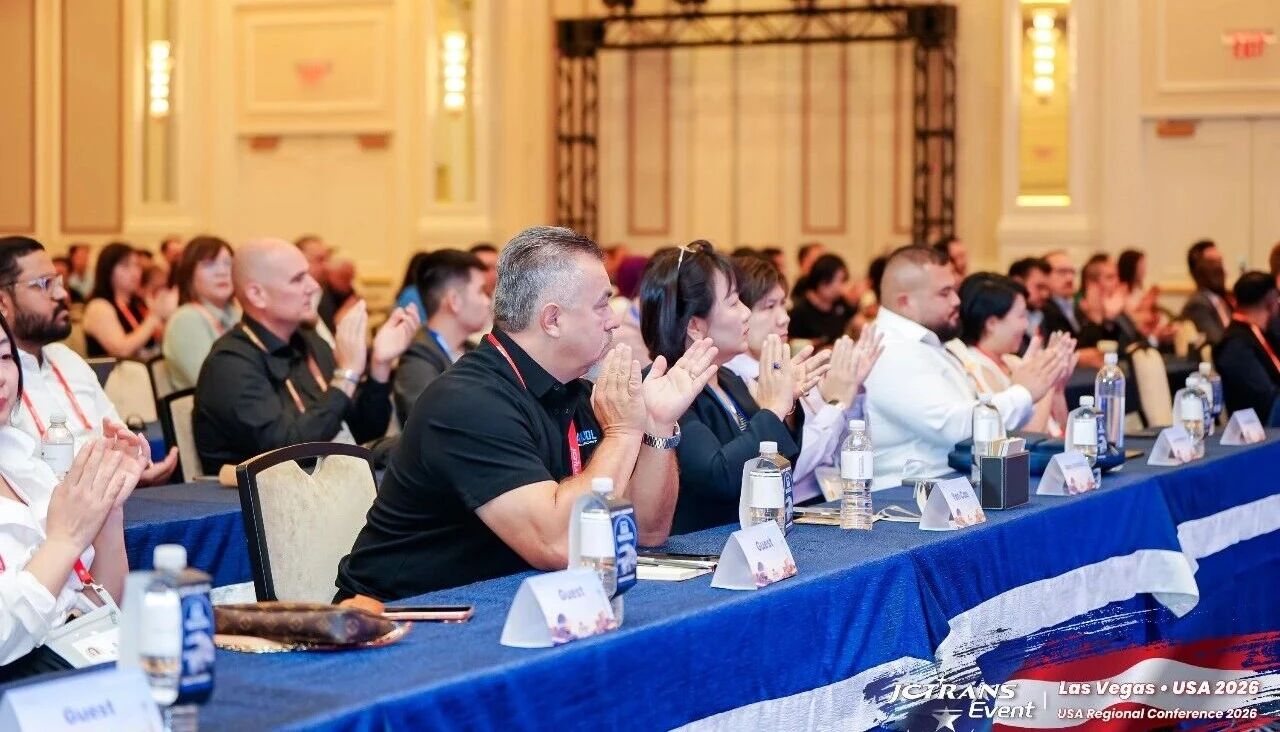
PART 01 | Opening Ceremony
At the opening ceremony, Tesla, Vice President of Global Conferences and Business School at JCtrans, explained why the United States was selected for the regional conference and the types of connections JCtrans aims to create for logistics companies worldwide.
She noted that the United States is connected not only to one market, but to the world. As global trade continues to develop, cross-border logistics companies have an increasingly urgent need for reliable partners. By holding the conference in the United States, JCtrans aimed to bring logistics companies from different countries and regions closer to the North American market and help them identify opportunities based on actual cargo, trade lanes, and business needs.
For a platform that supports international logistics transactions, simply connecting companies is not enough. The more important questions are: “Who can I trust?” and “Who can I do business with?” This is why JCtrans introduced the concept of “digital trust.” A company’s identity, credentials, business activities, service record, and cooperation history can all contribute to trust, providing verifiable information to support relationships that previously depended largely on experience and long-term contact. Trust does not have to be based solely on perception; it can also be verified. JCtrans aims to make reputable companies easier to find, evaluate, and work with.
At the same time, face-to-face engagement remains important. JCtrans hopes participating companies can find partners that meet their needs and discuss actual cargo, trade lanes, and business opportunities.
“The world needs more connections built on trust.”
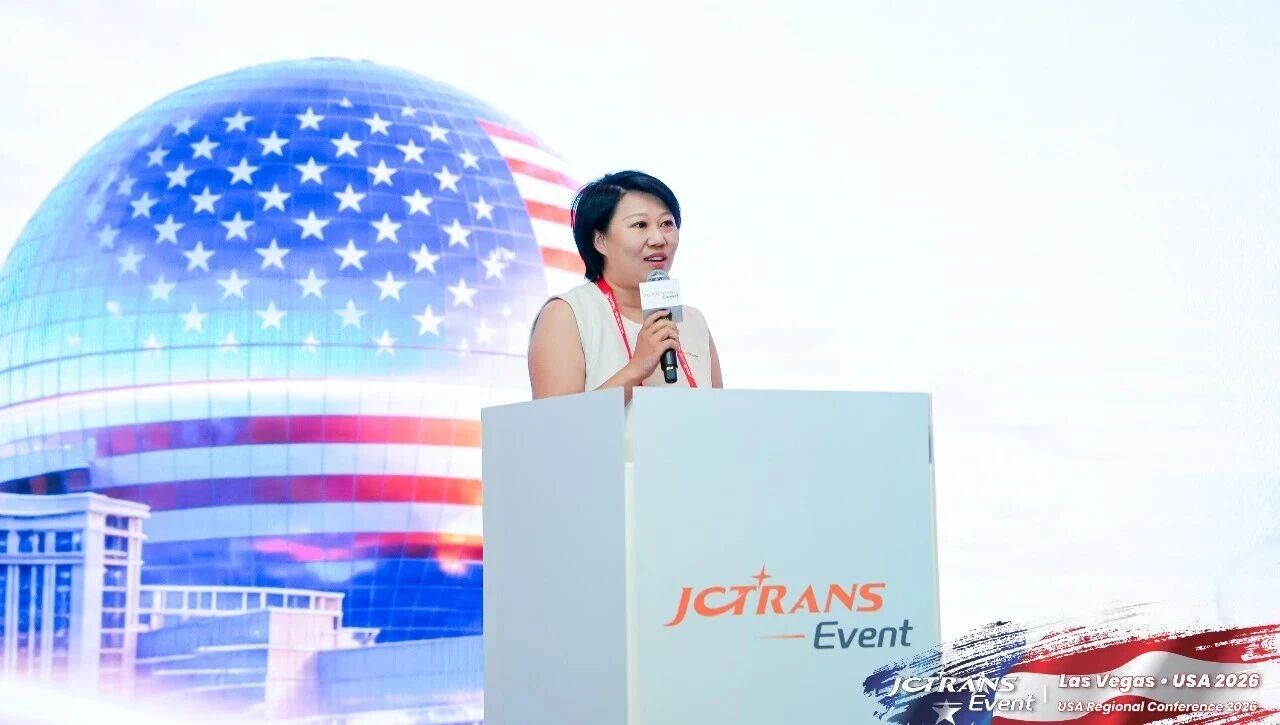 △ Tesla
Bella Wang, Vice President of Global Sales at JCtrans, then gave a presentation on the platform’s capabilities. Networks can create opportunities, but platforms must go further by helping companies identify reliable partners, work together more efficiently, reduce cooperation risks, and achieve tangible results.
JCtrans continues to strengthen its platform capabilities around these objectives. JC Verified, for example, uses third-party verification to provide greater transparency into companies’ credentials, professional capabilities, and business reputation, reducing the need for members to establish trust from scratch with every potential partner. JC Premium, Data Compass, and JC Pay provide further support in areas including risk protection, business operations, and cross-border payments.
More opportunities lead to more transactions. These transactions generate more data, which strengthens business credibility and trust and, in turn, creates new opportunities. Ultimately, JCtrans aims to help members turn more connections into business.
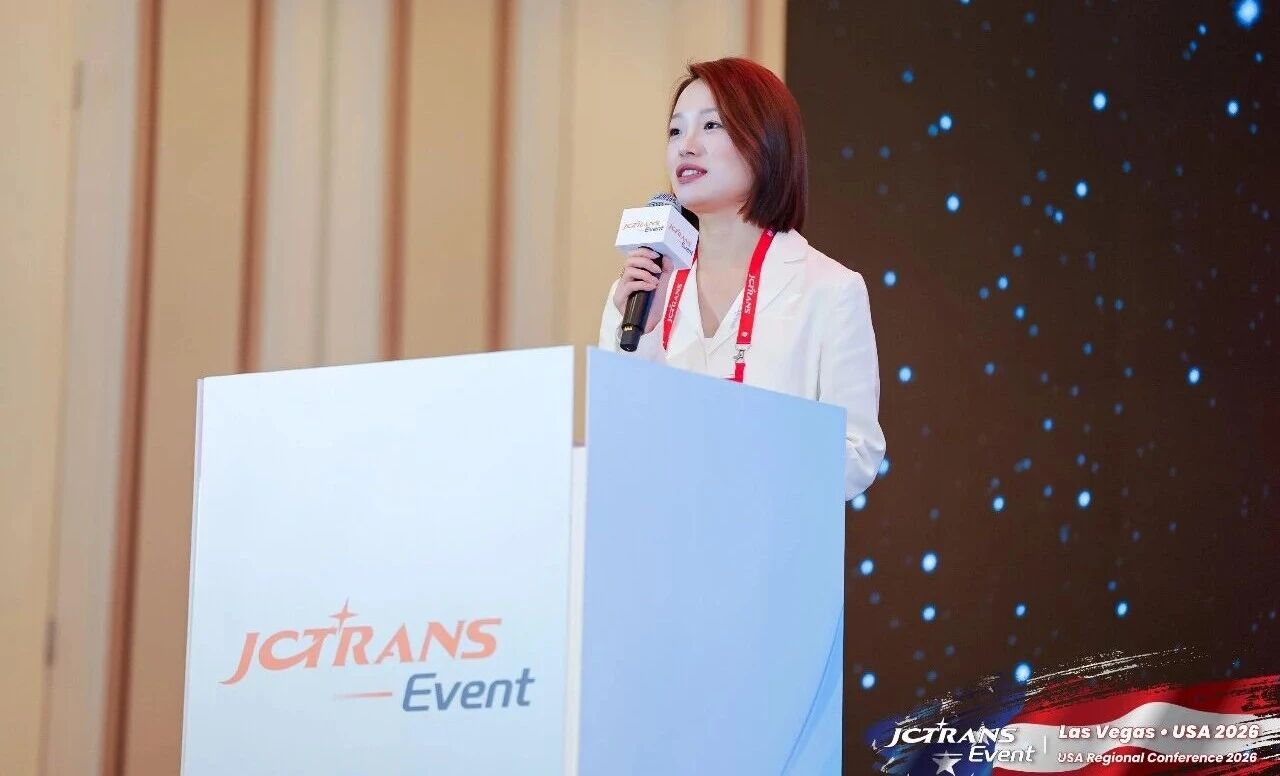
△ Bella Wang
PART 02 | Panel Forum
Following the opening ceremony, representatives from several logistics companies took part in a panel discussion. Under the theme “Rules, Risks, and the Future,” the moderator raised three questions based on the practical realities of the U.S. market. The panelists shared their approaches based on their experience in different markets.
Compliance Imperatives: Where Are the Greatest Risks in U.S. Freight Operations?
As trade requirements and enforcement priorities continue to change, which compliance risks are most often overlooked in freight moving into and out of the United States? How can supply chain partners—including freight forwarders, customs brokers, warehousing providers, and carriers—work more closely to reduce operational errors and clearly define their respective responsibilities? Drawing on experience in the United States, the United Kingdom, India, and other markets, the panelists discussed regulatory changes, information verification, document management, and the clear allocation of responsibilities.
Operational Challenges: How Can Companies Limit Market Disruption and Keep Cargo Moving?
What are the greatest challenges affecting logistics operations across different markets today? When port congestion, schedule changes, capacity fluctuations, or inland transportation disruptions occur, what practical strategies can companies use to limit the impact, control additional costs, and keep cargo moving? In response to unpredictable market conditions, the panelists highlighted contingency planning, stronger information sharing among stakeholders, and flexible routing.
Collaboration for Growth: How Can Logistics Partnerships Create More Business Opportunities?
Looking ahead, where are the greatest opportunities to strengthen logistics partnerships between the United States and international markets? How can freight forwarders combine their expertise and market resources to expand their service capabilities, enter new markets, and turn cooperation into shared business value? The panelists discussed complementary expertise, resource coordination, information transparency, and the joint development of trade lanes.
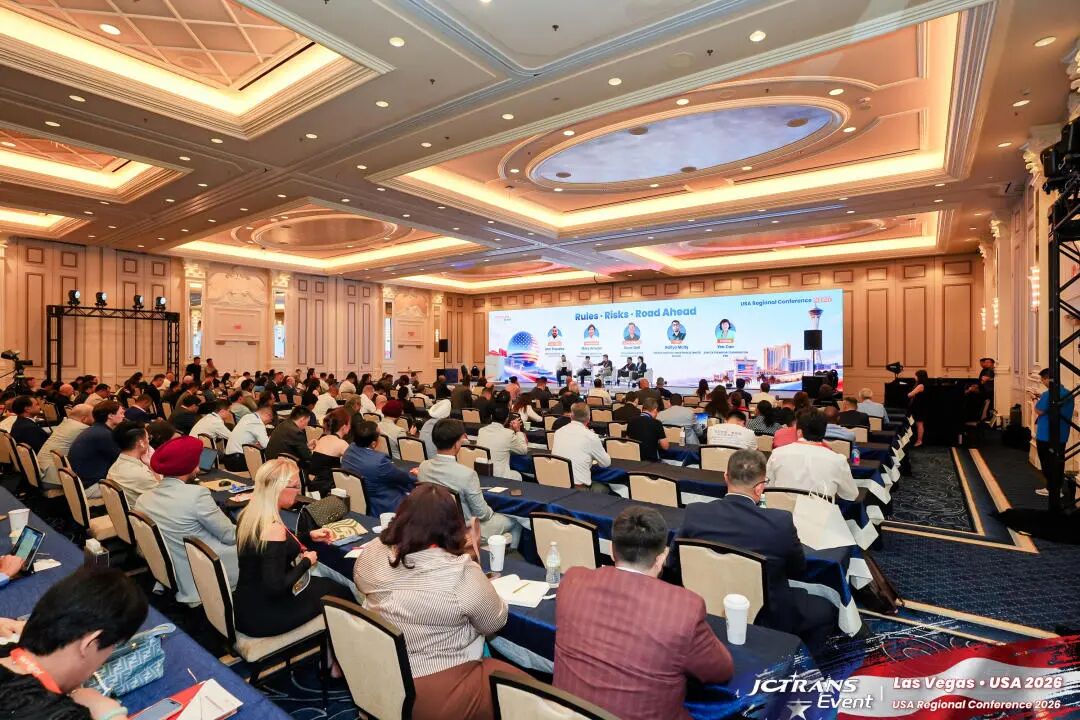
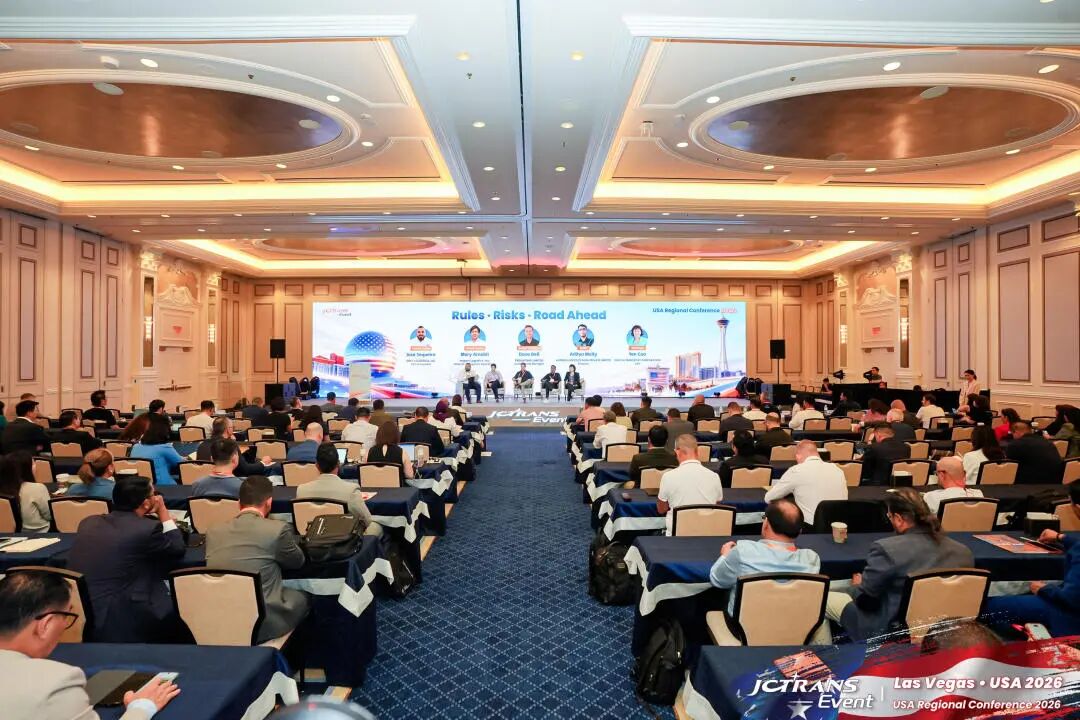
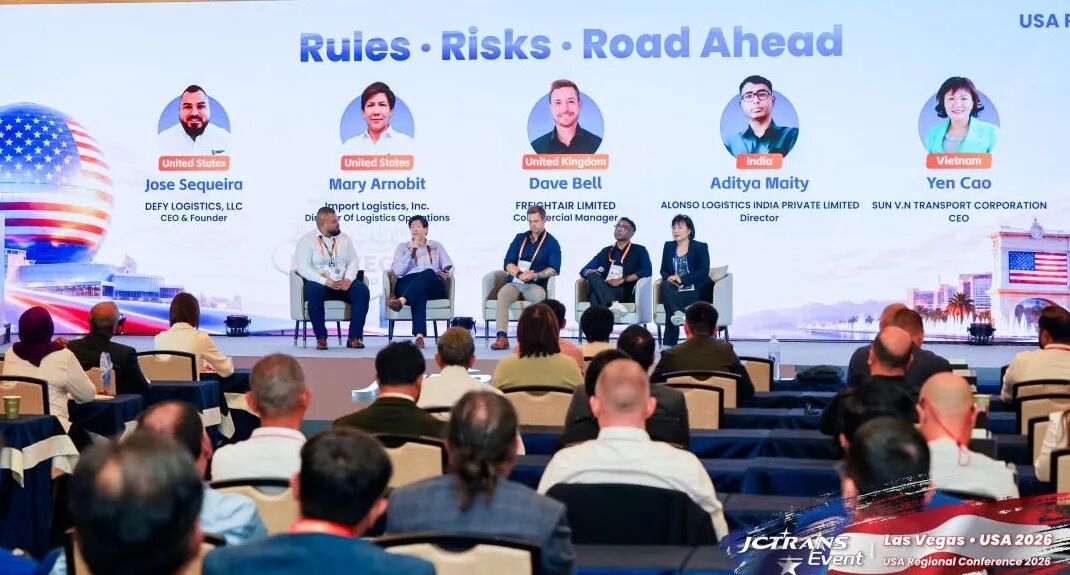
△ Panel Forum
PART 03 | Featured Presentation
Compliance and operational readiness are essential before entering the U.S. market.
During the featured presentation, “Ready for U.S. Trade? Compliance & Operating Readiness for Global Freight Forwarders,” Mauricio Larenas, CEO of ATLANTIC PACIFIC TARIFFS, INC., addressed compliance and day-to-day operations in the U.S. market. He focused on the compliance obligations of freight forwarders entering the United States, agency relationships, and alignment between documentation and actual operations. He emphasized that companies should not leave all compliance matters to their U.S. agents. Instead, they should define their own responsibilities and scope of operations in advance to reduce business risks.
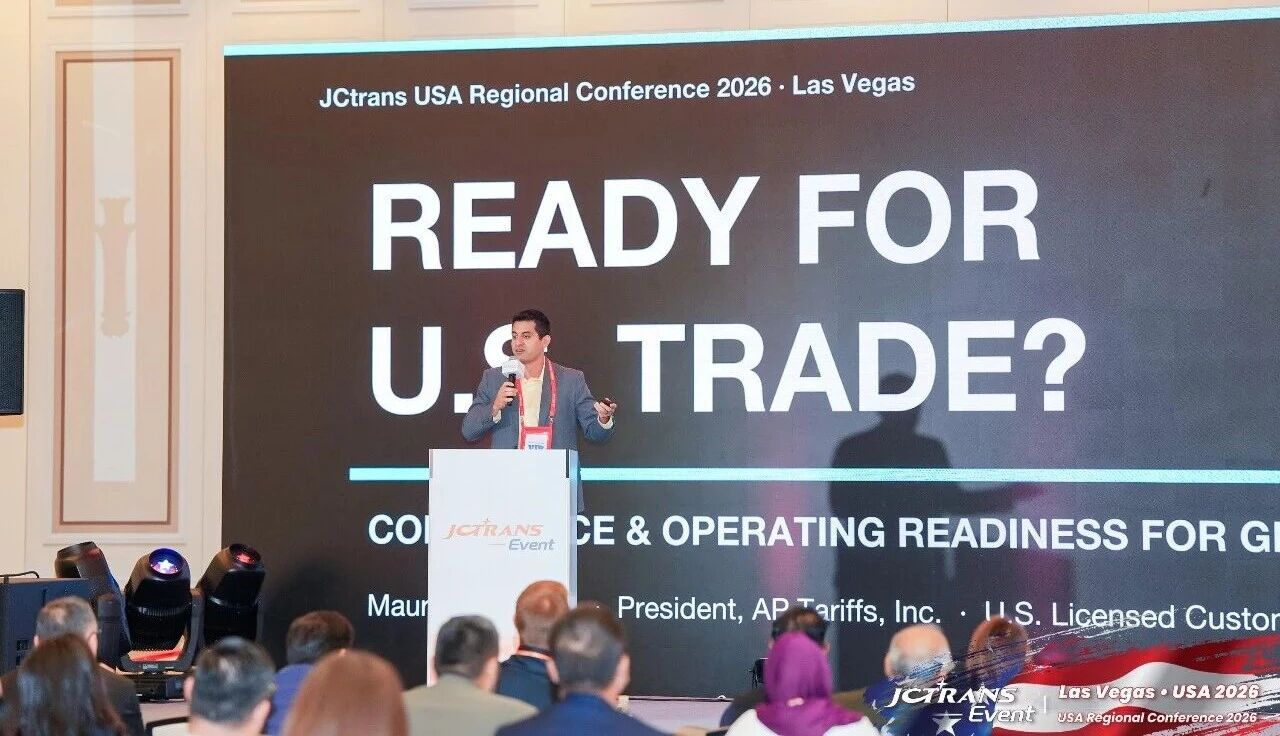
△ Mauricio Larenas
PART 04 | One-on-One Meetings
Multiple rounds of One-on-One Meetings focused on specific cooperation opportunities.
The U.S. Regional Conference included multiple rounds of One-on-One Meetings. Participating companies discussed agency partnerships in the U.S. market, trade lane capabilities, destination services, customer needs, and regional market expansion.
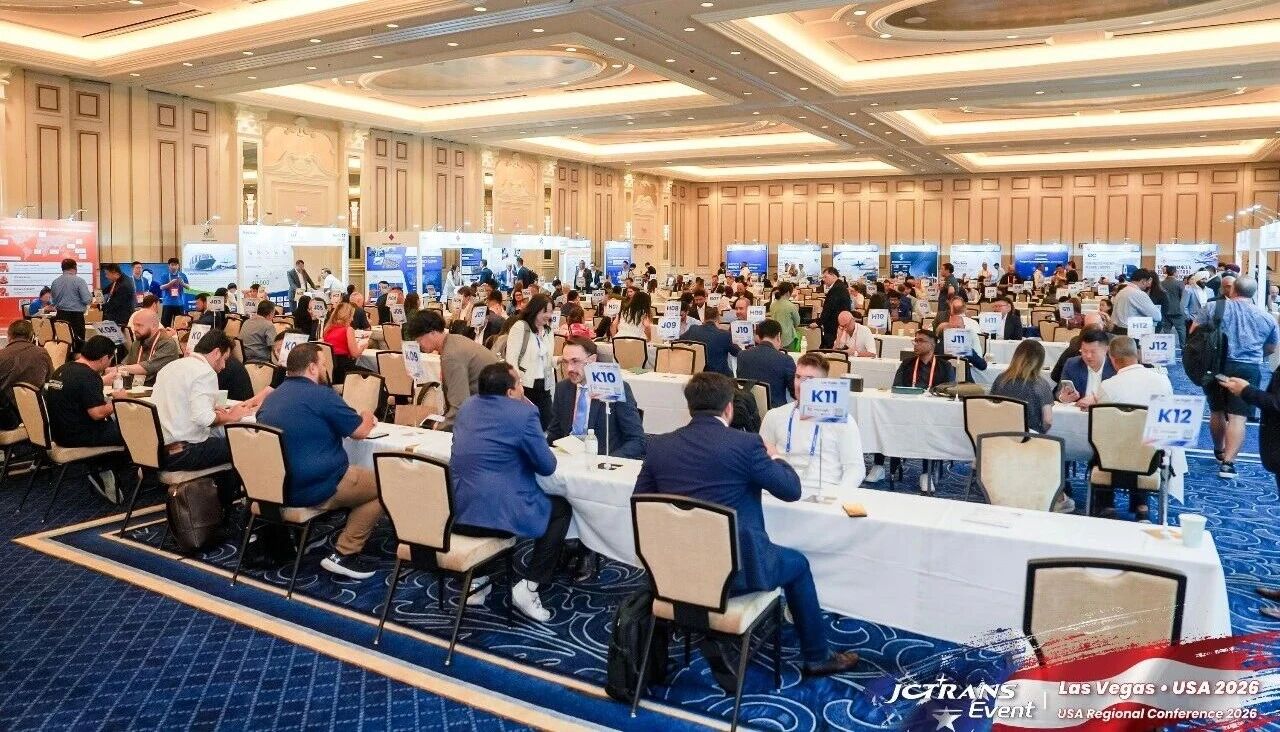
△ One-on-One Meetings
The meetings focused on specific business needs. Customer relationships, destination service capabilities, and expertise in particular market segments all provided starting points for further cooperation.
From meeting a new partner to discussing a specific trade lane, customer segment, or regional market, many partnerships begin with face-to-face conversations.
PART 05 | Welcome Reception and Business Dinner
During the conference, the organizers hosted a welcome reception and business dinner, allowing conversations to continue beyond the formal program.
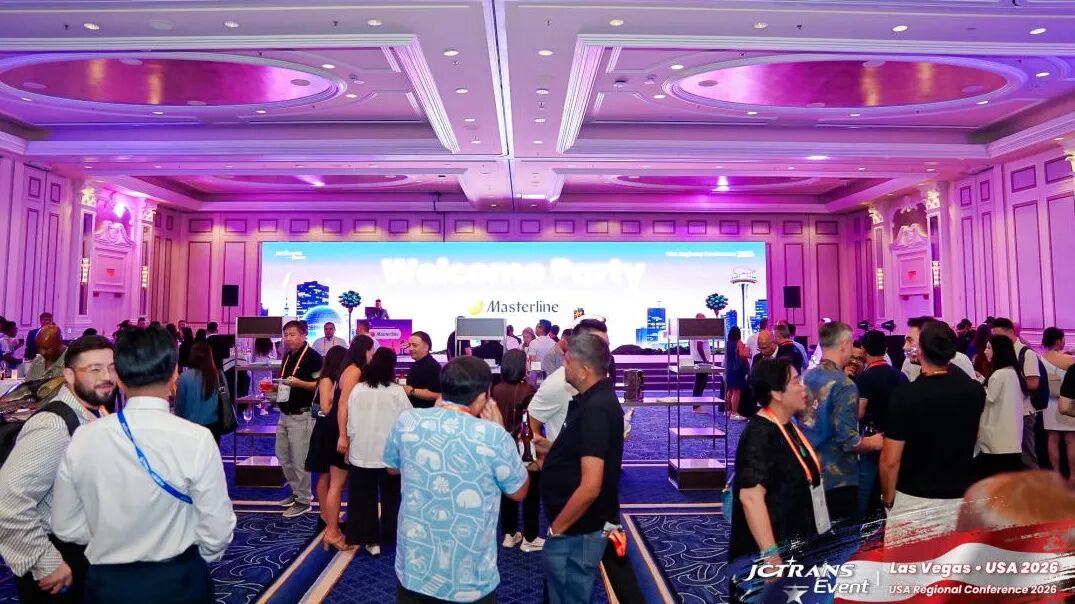
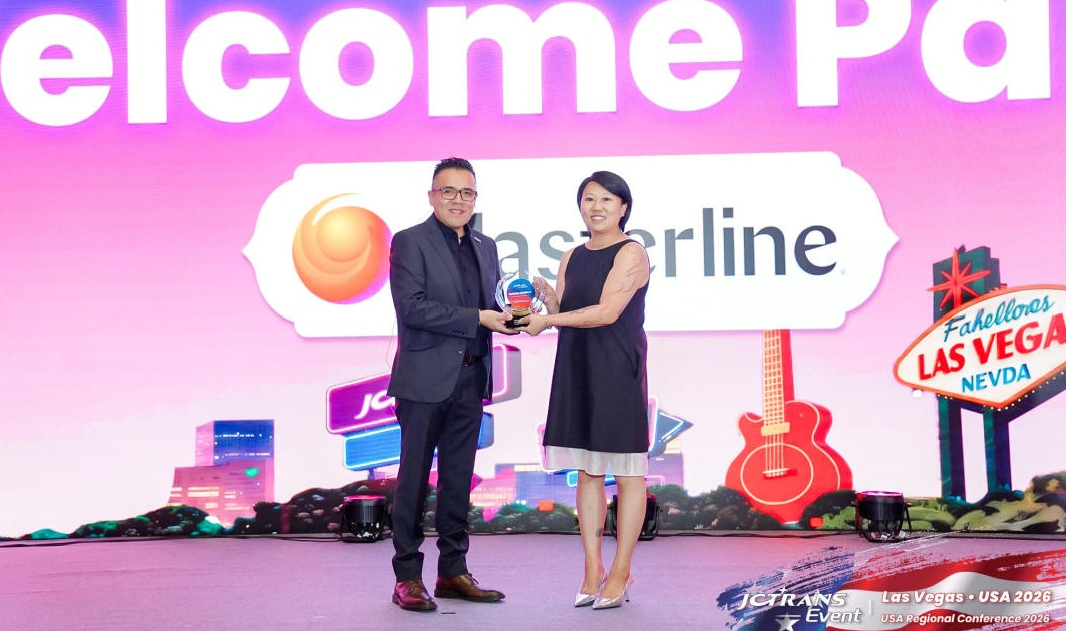
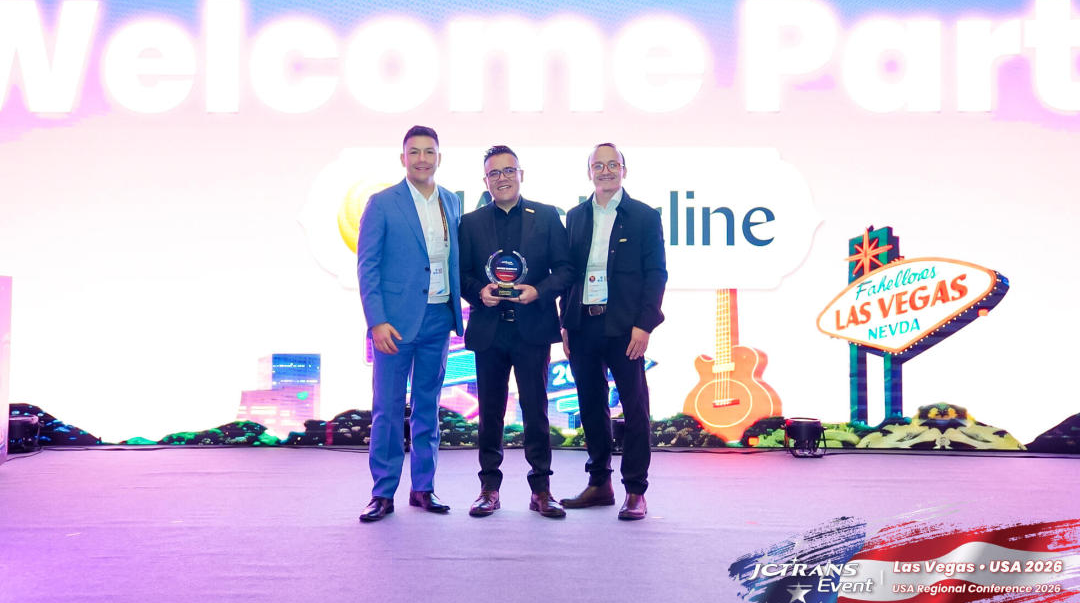
△ Welcome Reception
Sponsored by MASTERLINE COLOMBIA S A S
The business dinner included the Social Media Challenge Awards ceremony and interactive activities. Music, dancing, and other entertainment gave logistics professionals from different countries and regions an opportunity to get to know one another and continue their conversations in a relaxed setting.
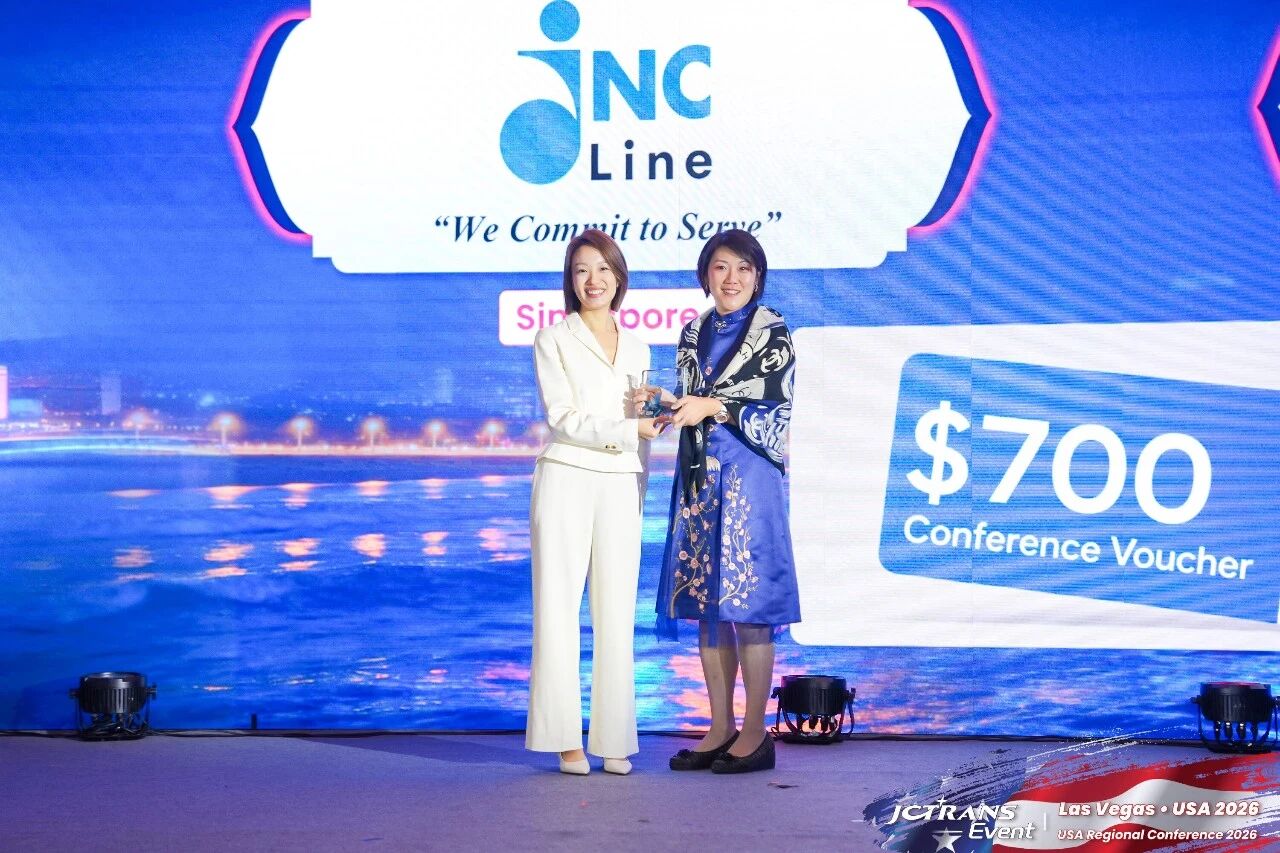
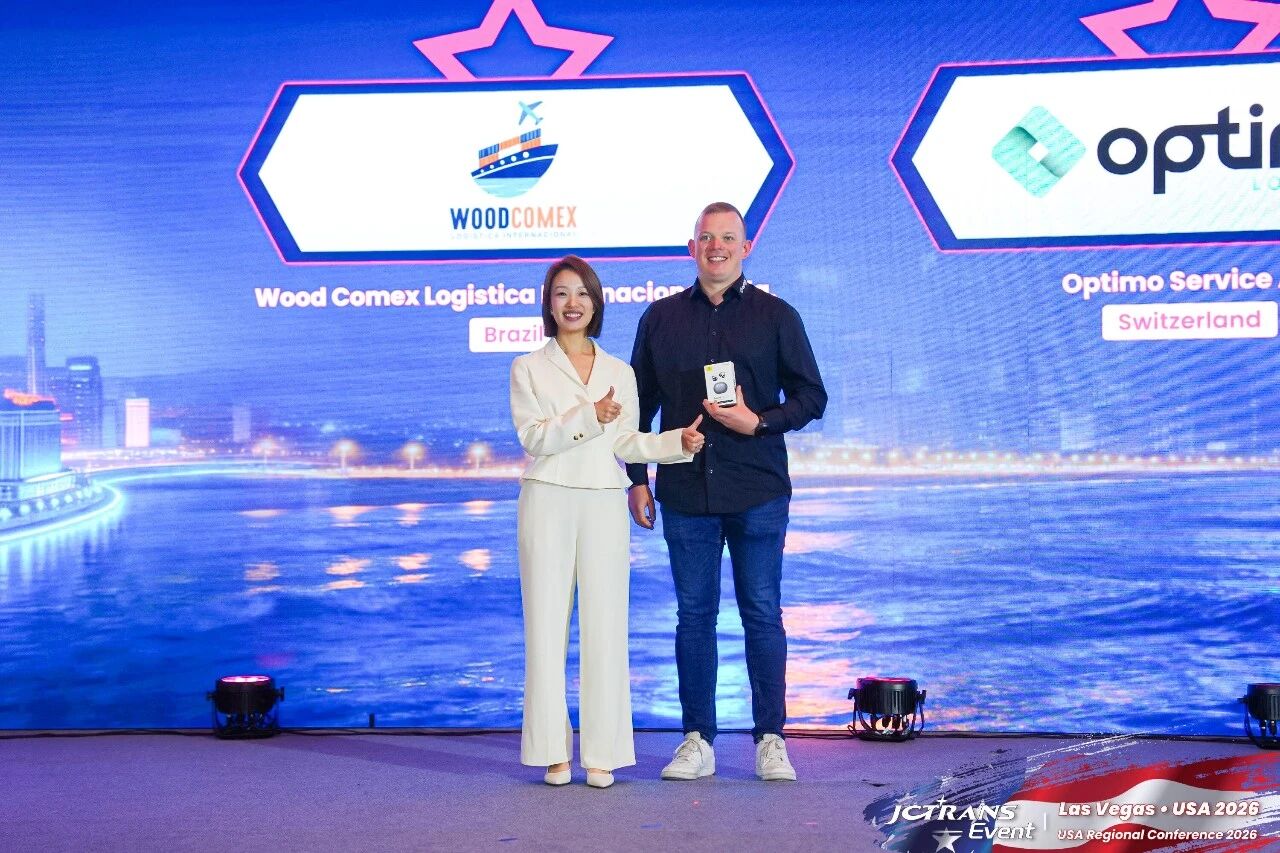

From business discussions around the conference tables to face-to-face conversations at the reception and dinner, potential partnerships began to take shape through each introduction and exchange.
A New Chapter in North America Begins with One Meeting
Over three days, the program moved from market insights and regulatory discussions to risk management and business meetings. It all came down to one word: connection.
The connections JCtrans aims to create go beyond introducing companies to one another. More importantly, the platform seeks to help companies find partners that meet their needs, support trust with verifiable information, provide Transaction Protection, and give each meeting the potential to develop into long-term business.
North America is a new focal point in JCtrans’s global business network and a starting point for further cross-border cooperation. JCtrans will continue to connect logistics companies worldwide with regional markets, bringing more resources, capabilities, and concrete business opportunities together on the platform.
Last
JC Verified Member Benefits Expand: Six New Benefits for Filtered Search, Visibility, and Inquiries
Freight forwarders looking for overseas agents usually consider more than one company. They use the Company Directory to filter co
Next
JCtrans membership benefits upgrade - Data Compass is now live
“Why are we getting fewer customers lately?”“We’re receiving inquiries, so why aren’t they converting into business?”“Our sales te
