How pharmaceutical logistics providers maintain strict reefer tracking on containers from europe to south america ocean freight routes

Freight Area

5-Jun-2026

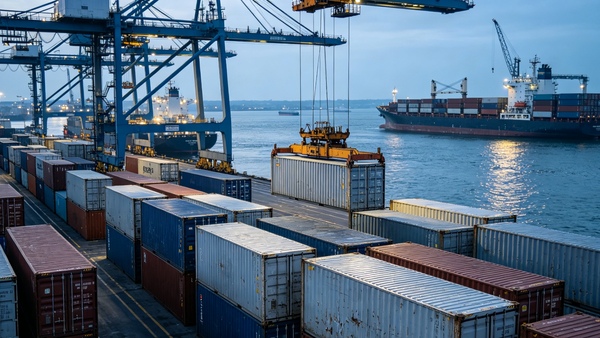
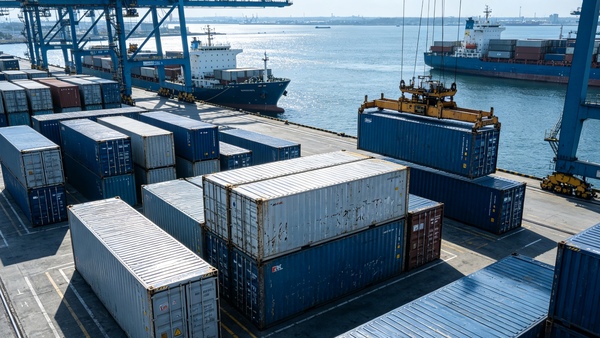
Europe to South America Ocean freight routes serve as a vital cold chain corridor for cross-border pharmaceutical consignments, requiring standardized and rigorous reefer container monitoring to preserve drug stability and meet global healthcare logistics compliance rules. Pharmaceutical commodities carry stringent temperature and humidity control requirements, making structured reefer tracking a fundamental service standard for logistics providers operating on these long-haul intercontinental ocean lanes.


Why reefer tracking standards differ for pharmaceutical ocean freight


Pharmaceutical reefer tracking refers to full-cycle digital monitoring and recorded data governance of temperature, humidity, and ventilation parameters inside refrigerated containers for medical cargo shipments. This regulatory-driven framework follows stricter protocols than conventional cold chain logistics for general consumer goods.


What unique risks affect pharma cargo on Europe to South America ocean routes?


Long-haul Europe to South America Ocean sailing schedules typically span 25 to 35 days, involving variable maritime weather conditions and multi-port handling procedures across different continents. Extended transit durations raise the probability of environmental parameter shifts, mechanical unit malfunctions, and human operating errors that compromise pharmaceutical cargo integrity.


According to UNCTAD 2024 maritime cold chain research, intercontinental ocean pharmaceutical shipments register higher temperature fluctuation exposure rates compared with regional short-sea trades. Seasonal high ambient temperatures along South American coastal zones and inconsistent terminal power supply at secondary regional ports create recurring operational challenges for reefer unit stability.


Forwarders should note that most prescription medicines, vaccine products, and biological laboratory reagents require sustained temperature control between 2°C and 8°C throughout the entire transit window. Even brief temperature deviations outside specified ranges may result in cargo degradation and measurable financial losses for pharmaceutical shippers.


What core tracking systems support pharmaceutical reefer container management


Specialized pharmaceutical logistics operators deploy integrated intelligent monitoring systems to enable real-time data acquisition, remote anomaly alerts, and end-to-end traceability for reefer container shipments. These digital platforms establish stable technical support for compliant cold chain operations on cross-continental ocean routes.


Which functional modules support reliable long-haul ocean tracking?


Real-time environmental parameter collection: High-precision sensing devices installed within reefer containers capture internal temperature and humidity data at fixed 15-minute intervals during Europe to South America Ocean voyages. Collected datasets synchronize with cloud-based logistics platforms to reduce data missing risks caused by local device downtime.


Remote electromechanical fault diagnosis: Intelligent platforms continuously monitor the operational status of reefer compressors, ventilation assemblies, and power supply modules. The system generates automated alert notifications when operational parameters deviate from preset thresholds, allowing technical teams to conduct remote troubleshooting and preliminary maintenance assessments.


GPS vessel and container tracking: High-sensitivity GPS tracking modules record container sailing coordinates and port entry and exit timestamps throughout transportation. Logistics practitioners correlate geographical route changes with internal environmental variations to support structured cause analysis for abnormal fluctuations.


Compliant data archiving and report generation: The system automatically compiles standardized cold chain records that align with EU GDP and FDA logistics documentation requirements. Complete archived records facilitate routine customs clearance and product quality inspections across European and South American destination territories.


A common mistake is over-reliance on factory-built container tracking hardware without auxiliary independent sensing devices. Original embedded equipment may encounter signal interruption or power suspension during prolonged transoceanic navigation, creating gaps in cargo environmental documentation.


How logistics teams implement manual tracking and intervention mechanisms


Automated intelligent systems require complementary manual professional oversight for pharmaceutical cold chain ocean transportation. Standardized human-led operational workflows support timely risk response and uninterrupted monitoring for reefer containers during extended ocean transit.


What standardized workflows sustain tracking continuity?


Pre-voyage systematic equipment inspection: Professional technical teams conduct comprehensive debugging and performance testing for reefer temperature control units, sensors, and power systems before cargo loading at Northern Europe gateway ports. Simulated temperature regulation tests help identify latent mechanical risks prior to vessel departure.


Round-the-clock remote operational surveillance: Logistics teams arrange dedicated shift-based personnel to oversee real-time reefer operational data. Staff monitor parameter variations during open-sea navigation and port transshipment stages to initiate response protocols for emerging anomalies within reasonable timeframes.


On-site equipment verification at transshipment hubs: Local cooperative technicians at intermediate transshipment ports perform physical inspections of reefer container operating status. On-site sensor calibration and environmental condition logging eliminate monitoring blind spots during cargo dwelling periods at regional terminals.


Post-arrival data reconciliation and sorting: Upon vessel arrival at South American destination ports, logistics personnel organize full-cycle tracking datasets to verify continuity and data authenticity. Sorted formal records provide complete cold chain compliance files for consignee confirmation and official inspections.


The recommended approach is to adopt a dual supervision framework that combines automated intelligent system monitoring with periodic manual professional inspections. This integrated mode helps lower anomaly oversight probabilities for long-distance pharmaceutical cold chain transportation.


What compliance standards regulate pharma reefer tracking on ocean routes


Cross-border pharmaceutical ocean transportation follows unified global cold chain quality control frameworks and regional market access regulations. Systematic compliance constraints standardize all tracking and recording procedures adopted by logistics service providers.


Which core regulations apply to Europe to South America pharmaceutical shipping?


European Union Good Distribution Practice (GDP) guidelines and FDA cold chain management protocols serve as primary compliance benchmarks for pharmaceutical exports originating from Europe. Major South American destination countries, including Brazil and Argentina, maintain localized regulatory frameworks for imported healthcare commodity transportation and documentation.


According to WTO 2024 global pharmaceutical trade compliance data, a notable proportion of pharmaceutical cargo clearance delays between Europe and South America stem from incomplete or inconsistent cold chain tracking documentation. Structured and continuous data archiving serves as a key prerequisite for stable cross-border market access.


Forwarders should note that South American nations adopt differentiated verification standards for temperature tracking records. Logistics providers need to adjust data formatting and reporting structures based on destination country requirements to reduce clearance delay risks.


How to optimize reefer tracking stability for long-haul ocean transportation


Prolonged transit cycles and complex maritime operating environments create persistent challenges for consistent reefer tracking performance. Targeted operational optimization measures improve the overall controllability of pharmaceutical cargo transportation quality.


What practical strategies mitigate common tracking risks?


Install redundant multi-source sensing devices: Auxiliary temperature and humidity sensors equipped with backup power supplies can be deployed inside reefer containers. These redundant devices sustain data recording functions during main system interruptions, preserving full-cycle data integrity.


Implement scientific container stowage planning: Optimized cargo stowage layouts prevent blockage of internal ventilation ducts and airflow channels. Uniform air circulation reduces localized temperature discrepancies and maintains stable internal environmental conditions.


Adopt seasonal monitoring adjustment protocols: Logistics teams adjust monitoring frequencies and equipment debugging schedules according to seasonal climate variations. Enhanced surveillance during high-temperature seasons in South America offsets increased environmental interference with reefer stability.


Establish structured emergency response protocols: Predefined resolution procedures address common operational issues such as minor temperature drift and temporary power fluctuations. Fast coordination mechanisms with port maintenance teams reduce the duration and impact of mechanical anomalies on cargo quality.


In summary, refined end-to-end reefer tracking management constitutes a core professional capability for pharmaceutical logistics service providers. Data-driven monitoring, standardized manual workflows, and full regulatory compliance collectively sustain pharmaceutical cargo safety and consistent service quality for Europe to South America Ocean freight routes.

Last

Evaluating scheduling reliability metrics for multi carrier alliances running from northern europe to south america via ocean strings

Europe to South America Ocean liner services operated by multi-carrier alliances sustain cross-continental containerized trade flo

Next

How electronics freight forwarders handle customs import pre clearance protocols for flights leaving china to australia air freight hubs

China to Australia Air Freight serves as a vital cross-border logistics channel for electronic and precision component shipments,