A Wave of Container Ship Orders Spans Sizes from 1,800 to 22,000 TEUs
Logistics News
 9-Sep-2026
The container ship newbuilding market has seen a series of new orders in recent weeks, covering vessel sizes from 1,800 TEU feeder ships to 22,000 TEU ultra-large container vessels. According to recent data from DynaLiners, several batches of newbuildings are scheduled for delivery between 2027 and 2030. Buyers include major liner operators, established shipowners, and new market entrants. Rather than being concentrated in a single vessel class, the latest investment spans multiple container ship segments.
Key Highlights
• Multiple vessel sizes: Recent container ship orders cover capacities ranging from 1,800 to 22,000 TEUs.
• COSCO orders: COSCO SHIPPING Holdings has ordered 18 vessels, including twelve 22,000 TEU LNG dual-fuel container ships.
• Delivery schedule: Several batches are due for delivery around 2028, although their impact on capacity will depend on cargo growth and the pace at which older vessels leave the fleet.
Orders Span Container Ships from 1,800 to 22,000 TEUs
Recently disclosed orders show new investment in feeder ships, midsized container vessels, and ultra-large container ships. Peter Döhle has ordered two additional 14,000 TEU container ships, expanding its 14,000 TEU newbuilding programme at Hudong-Zhonghua Shipbuilding to six vessels. The two latest ships are scheduled for delivery in 2028. Yang Ming Marine Transport has also signed contracts with Hanwha Ocean for six 13,000 TEU-class LNG dual-fuel container ships. Each vessel will have a capacity of up to 13,650 TEUs, with deliveries scheduled between 2028 and 2029.
Meanwhile, Thenamaris has ordered four 3,200 TEU container ships, while Bayraktar Shipping has placed orders for two 1,800 TEU vessels, with options for two more. Samsung Heavy Industries has also secured orders for two 13,000 TEU container ships. Valued at approximately USD 323 million, the vessels are scheduled for delivery in 2028. The shipyard has not disclosed the buyer, so current market speculation remains unconfirmed.
The orders cover several market segments, ranging from 1,800–3,200 TEU regional and feeder vessels to midsized and large ships of 13,000–14,000 TEUs, as well as 22,000 TEU ultra-large container vessels. Shipowners are investing not only in large vessels for mainline services but also in the smaller ships needed for regional trades and feeder networks.
COSCO Expands Fleet as Established Owners and New Entrants Place Orders
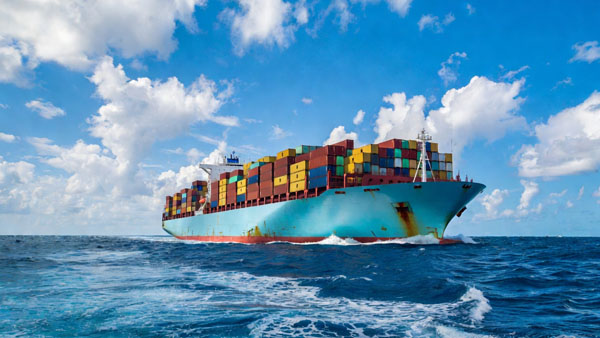
COSCO SHIPPING Holdings has placed the largest order in the latest round, involving 18 vessels with a combined capacity of approximately 283,000 TEUs and a total value of around USD 3 billion. The order includes twelve 22,000 TEU LNG dual-fuel container ships and six 3,200 TEU vessels, with deliveries scheduled between 2028 and 2030.
Major liner operators are not the only buyers placing new orders. Xiamen Xinliansheng Shipping Co., Ltd., a new Chinese market entrant, has ordered one 2,000 TEU container ship for delivery in July 2027. The order shows that newcomers are also beginning to acquire container shipping assets.
The latest orders come from several types of buyers. Major liner operators are continuing to expand their mainline capacity, established shipowners are adding small and midsized vessels in response to regional demand, and new entrants are beginning to establish a presence in the container shipping market.
Concentrated Deliveries Raise Questions About Future Overcapacity
With several batches of newbuildings scheduled for delivery around 2028, shipowners are securing fleet capacity several years in advance. However, an increase in newbuilding orders does not necessarily mean that the container shipping market will immediately face overcapacity. Future supply and demand will depend on the pace of newbuilding deliveries, growth in global cargo volumes, the scrapping of older vessels, and adjustments to capacity across individual trade lanes.
Vessels of around 22,000 TEUs are primarily suited to high-volume deep-sea services, while ships of 1,800–3,200 TEUs are more commonly deployed on regional routes and feeder connections. Ships in the 13,000–14,000 TEU range occupy the middle segment and can be deployed on several major deep-sea trades. The arrival of these different vessel classes will therefore affect different parts of the container shipping network.
For shippers and freight forwarders, the increase in newbuilding orders alone does not mean that freight rates will inevitably decline. The key issue is whether continued cargo growth can absorb the large number of vessels scheduled for delivery between 2027 and 2030, and whether carriers manage effective capacity by removing ships from service, scrapping older vessels, or adjusting their networks. If fleet growth significantly outpaces demand, capacity pressure on deep-sea trades could become more pronounced, with potential implications for freight rates and space availability.
Sources and Disclaimer
Sources include DynaLiners, Yang Ming Marine Transport, COSCO SHIPPING Holdings, relevant shipyards, and other publicly available shipping industry information. This article is provided for informational purposes only for the international logistics and freight forwarding industry. Order and delivery details remain subject to the latest disclosures from shipowners, shipyards, and other relevant companies.
Last
New Cargo Ship Suffers Engine-Room Fire off Taiwan After Leaving China
A newly delivered cargo vessel en route from China to the North Atlantic suffered an engine-room fire in waters near Taiwan. Shipp
Next
MSC Introduces Two New Surcharges Totaling USD 91 per TEU from September 15
MSC will introduce two new surcharges on shipments from Asia to selected destinations in the eastern Mediterranean and Black Sea.
