CBP Considers Expanded Import Data Disclosures; Carriers and Freight Forwarders May Need to Prepare Documentation Earlier
Logistics News
 8-Sep-2026
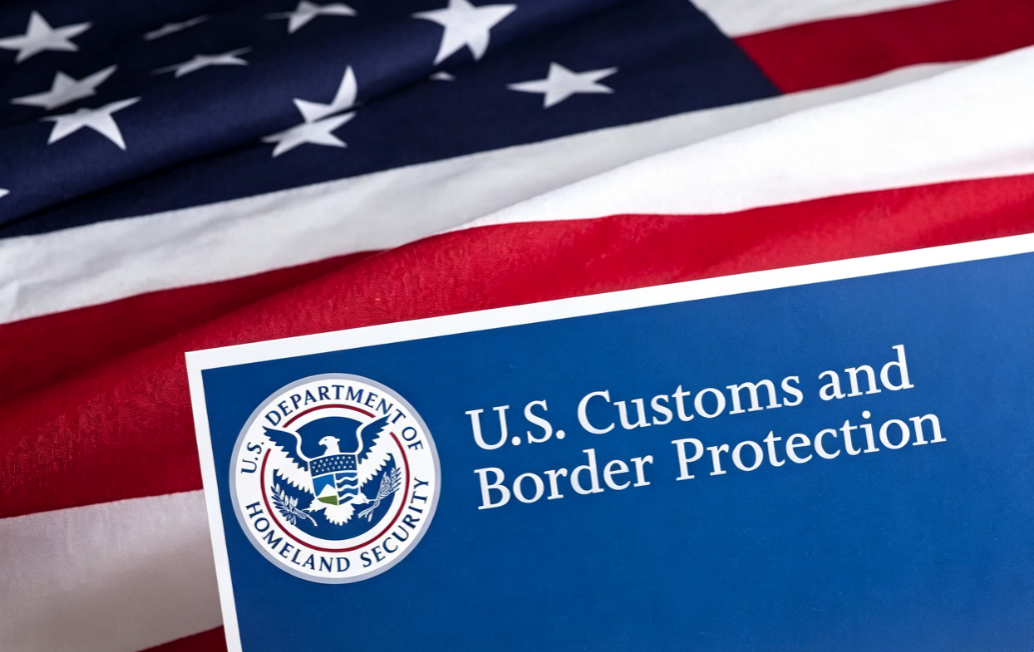
U.S. Customs and Border Protection (CBP) is considering broader disclosure requirements for the supply chains of goods imported into the United States. On September 2, CBP published an advance notice of proposed rulemaking (ANPRM) titled “Heightened Import Disclosures for Supply Chain Visibility,” seeking industry comments on the identification of supply chain parties, foreign export documentation, cargo tracing, and the timing of import data submissions. The ANPRM does not itself impose any new requirements, and no new mandatory documentation cut-off times have been introduced. However, if CBP proceeds with formal regulations, carriers, non-vessel-operating common carriers (NVOCCs), freight forwarders, and importers may need to adjust their documentation and data submission procedures.
Key Highlights
• Expanded disclosures under consideration: CBP is considering broader disclosure requirements for U.S. imports, but no new requirements have taken effect.
• Additional supply chain information: Information on supply chain parties, foreign export documentation, and cargo tracing may become subject to additional disclosure requirements.
• Earlier documentation deadlines possible: If data must be submitted earlier, carriers, NVOCCs, and freight forwarders may need to prepare documentation sooner.
What Import Data Is CBP Seeking?
The ANPRM is intended to give CBP greater visibility into the supply chains of goods imported into the United States. CBP is considering the more detailed identification of raw material suppliers, foreign manufacturers, shippers, exporters, sellers, and other parties involved in the supply chain. It is also examining the use of standardized Global Business Identifiers (GBIs).
CBP is seeking comments on whether parties involved in imports should be required to collect, retain, or submit certain documents prepared during the foreign export process. These could include export declarations, commercial invoices, packing lists, certificates of origin, export licenses, and transport documents.
The ANPRM contains 64 questions for importers, carriers, NVOCCs, customs brokers, freight forwarders, and other industry participants. The questions cover current data management practices, technological capabilities, and potential implementation costs.
Why Could Earlier Data Requirements Affect Documentation Cut-Offs?
For the ocean shipping industry, the timing of import data submissions is one of the most important issues raised by the ANPRM. If CBP eventually requires complete cargo and supply chain information at an earlier stage, carriers, NVOCCs, and freight forwarders may need to collect, verify, and transmit documentation earlier in the process, before cargo is loaded. Documentation procedures and cut-off times at overseas ports of loading could also change.
Shipments with incomplete data could face more stringent risk screening. However, these are potential effects that would arise only if formal regulations are adopted. CBP has not announced any new documentation cut-off times for carriers or required freight forwarders to change their current procedures.
No New Requirements Yet; Comments Due December 1
The ANPRM remains open for public comment as CBP assesses the feasibility and practical effects of the measures under consideration. Comments must be submitted by December 1, 2026. CBP may use the feedback to develop a formal notice of proposed rulemaking (NPRM), which would provide further details on the parties covered, the information required, and how the requirements would be implemented.
Companies handling U.S. imports do not need to change their current documentation deadlines in response to the ANPRM. They can, however, begin reviewing whether their records on supply chain parties and foreign export documentation are complete and whether the relevant data can be transmitted effectively. Additional checks may be particularly useful for shipments involving multi-tier supplier networks, third-country transshipment, or complex country-of-origin chains.
For carriers, NVOCCs, freight forwarders, and importers, the ANPRM signals a move toward earlier access to import data, more detailed identification of supply chain parties, and stronger end-to-end cargo tracing. If formal regulations are eventually adopted, the impact could extend beyond customs declarations to booking, document collection, and documentation cut-off procedures.
Sources and Disclaimer
Sources include U.S. Customs and Border Protection (CBP), the Federal Register, Seatrade Maritime, and publicly available international logistics information. This article is provided solely for reference by the international logistics and freight forwarding industry. Specific requirements remain subject to the latest notices issued by CBP and other relevant authorities.

Last
CMA CGM Subsidiary CEVA Faces Lawsuit Over Employee Data Allegedly Stolen in Cyberattack
CEVA Logistics, a subsidiary of the CMA CGM Group, is facing legal action over a cyberattack in late July. On August 24, former CE

Next
Global Containership Fleet Set to Surpass 34 Million TEU, with Another 10 Million TEU Possible Within Five Years
The global containership fleet is approaching a new capacity milestone. According to BIMCO, total fleet capacity was close to 34 m
