Three China-Linked VLCCs Change Course as Only Nine Vessels Transit the Strait of Hormuz in a Single Day
Logistics News
 25-Aug-2026
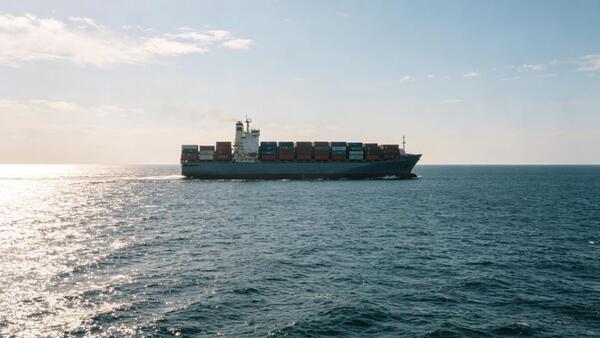
Commercial shipping through the Strait of Hormuz has yet to return to normal. According to Bloomberg, three China-linked very large crude carriers (VLCCs) recently changed course near the strait. Two reversed course and sailed away, while the third was waiting near the entrance to the strait. A small number of vessels continue to transit the waterway, but overall traffic remains far below normal levels.
Key Highlights
• Three VLCCs change course: The China-linked vessels involved are Sea V, Hestia, and Erecter.
• Daily transits remain low: Kpler data show that only one vessel transited the strait on August 16 and nine vessels on August 18.
• Sharp decline in traffic: Before the conflict, approximately 130 vessels transited the Strait of Hormuz each day.
• Normal shipping has not resumed: Some vessels are switching off AIS, waiting, or reversing course, and the presence of some traffic does not mean that navigation has returned to normal.
Three VLCCs Change Course as Shipowners Continue to Assess Risks Cautiously
The three vessels involved are Sea V, Hestia, and Erecter. Sea V, which was carrying Iraqi crude oil, had been sailing from the Persian Gulf toward the Strait of Hormuz before changing course. It is now waiting near the entrance to the strait. Hestia sailed from waters off Oman into the Persian Gulf before reversing course and sailing away. Erecter, which had been heading toward Iraq, also turned back.
No publicly available information has yet provided a clear explanation for the three vessels’ changes in course. Recent vessel movements, however, suggest that such temporary adjustments are not isolated incidents. Some shipowners are revising voyage plans in response to maritime security conditions, with waiting, rerouting, and course changes becoming increasingly common responses.
The three vessels are not “Chinese tankers” in the conventional sense. Bloomberg described them as “China-linked,” mainly because they are Hong Kong-flagged and vessel data indicated that Chinese crew members were aboard. Describing them as China-linked VLCCs is therefore more accurate than suggesting that Chinese tankers are collectively withdrawing from the area.
Only Nine Vessels Transit the Strait on August 18 as Traffic Falls to Low Levels
The Strait of Hormuz is not completely blocked, and some vessels are still attempting to enter or leave the Persian Gulf. Actual transit volumes, however, have fallen significantly.
Kpler data show that only one vessel transited the Strait of Hormuz on August 16, while nine vessels passed through on August 18. Other data indicate that daily traffic was approximately three vessels around August 17. Before the conflict, an average of approximately 130 vessels transited the strait each day.
These figures show that the issue is not simply whether any vessels are passing through the strait, but that overall traffic is far below normal levels. Although the number of transits on August 18 increased from the preceding days, it remained substantially below the pre-conflict daily average.
Some VLCCs have continued to attempt to enter or leave the Persian Gulf. Certain vessels have sailed with AIS signals switched off before resuming position transmissions, while others have waited near the strait or changed course. Commercial shipping has not stopped completely, but shipowners remain highly cautious about transiting the strait.
The situation is therefore more accurately described as follows: vessels are still transiting the Strait of Hormuz, but traffic has fallen sharply and commercial shipping has not returned to normal.
Lower Traffic Could Affect More Than the Tanker Market
For cargo owners, shipowners, and freight forwarders involved in Persian Gulf trade, low transit volumes mean that voyage planning remains highly uncertain. Tankers waiting or changing course at short notice could affect loading times, departure arrangements, and the remainder of the voyage. If shipowners continue to reduce operations on higher-risk voyage legs, transportation costs could rise and schedules could become less reliable.
The potential impact is particularly important for bulk shipments of Middle East crude oil and refined petroleum products. The Strait of Hormuz connects the Persian Gulf with the Gulf of Oman and is a major route for Middle East energy exports. If traffic remains low for an extended period, port loading operations, tanker deployment, and cargo arrival schedules for Asian buyers could all face further disruption.
The market has already seen ship-to-ship (STS) transfers, changes to loading locations, and the use of alternative export routes. If traffic through the strait remains low, these arrangements could become more common. The volume they can handle, however, will depend on vessel availability, maritime security conditions, and port operations.
For freight forwarders and trading companies, the key issue at this stage is not simply whether the Strait of Hormuz is open or closed. They should instead monitor whether individual voyages are operating as scheduled, whether vessels are being rerouted at short notice, and whether ports and shipowners are adjusting their transportation arrangements. Shipments involving the Persian Gulf region require sufficient schedule and transit-time buffers.
The course changes involving the three China-linked VLCCs, together with the continued low level of daily traffic through the Strait of Hormuz, indicate that the waterway has not returned to normal operations. The presence of some traffic shows only that shipping has not stopped completely. A sustained recovery in traffic and greater stability in voyage schedules would be needed before commercial navigation through the Strait of Hormuz could be considered back to normal.
Sources
Bloomberg, Kpler, vessel-tracking data, and other publicly available shipping information. This article is provided solely for reference within the international shipping, freight forwarding, and supply chain industries. Specific vessel routes, port arrangements, and operating plans are subject to the latest information from the relevant shipowners, carriers, and authorities.
Last
112 Containers Inspected, Illegal Tobacco Found in 91 as China and Australia Step Up Checks
The Australian Border Force (ABF) and the anti-smuggling authorities of China Customs recently worked together to uncover a transn
Next
MSC Starts Construction of Another 21,700 TEU Containership as Changhong International Continues Work on Large Containership Orders
MSC is continuing to expand and renew its fleet of ultra-large containerships. On August 18, Zhoushan Changhong International Ship
