Maersk Fleet Tops 4.7 Million TEU as Newbuildings and Chartering Take on Greater Importance
Logistics News
 25-Aug-2026
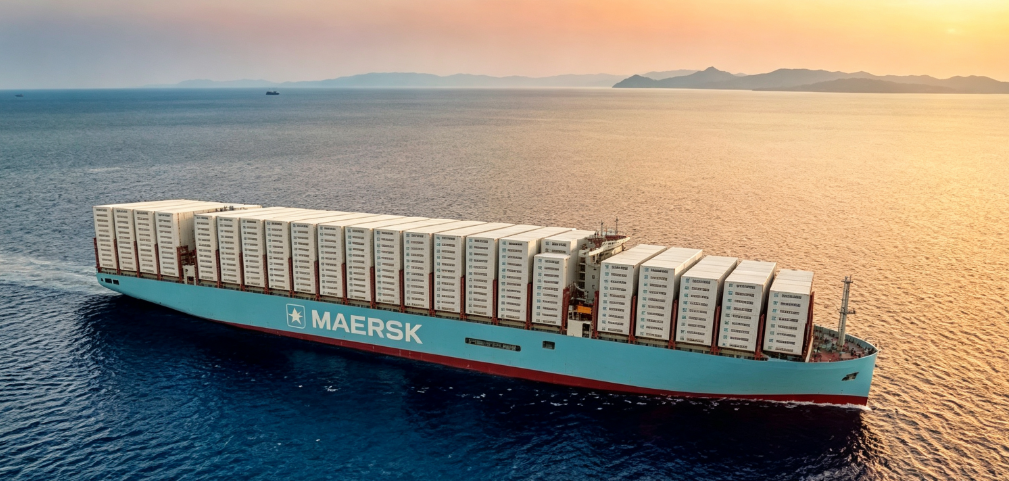
The latest industry data show that Maersk’s operated fleet has exceeded 4.7 million TEU, moving beyond the capacity range it had maintained for years. Maersk has long followed a relatively cautious fleet strategy, with newbuildings used mainly to replace older vessels. As global container shipping demand grows, however, the carrier is adjusting its capacity strategy, with newbuildings and chartering taking on greater importance.
Key Highlights
• Fleet capacity: Maersk’s operated fleet has exceeded 4.7 million TEU.
• Capacity range: The carrier is moving beyond its long-standing capacity range.
• Newbuilding order: Maersk ordered eight 18,600 TEU LNG dual-fuel containerships in 2026.
• Future capacity growth: Chartered tonnage, newbuildings, and fleet renewal could jointly support further capacity growth.
• Potential freight rate impact: Continued newbuilding deliveries across the global fleet could affect ocean freight rates.
Why Has Maersk’s Fleet Exceeded 4.7 Million TEU?
In recent years, Maersk has not expanded its fleet as aggressively as some other major container carriers. Instead, it has placed greater emphasis on capacity discipline, with newbuildings used primarily to replace older vessels. As global container volumes continue to grow, however, this strategy is beginning to change.
The increase beyond 4.7 million TEU is also supported by new vessel orders. In February 2026, Maersk ordered eight 18,600 TEU LNG dual-fuel containerships from China’s New Times Shipbuilding, with delivery scheduled for 2029–2030. Maersk is therefore not only adjusting the size of its existing fleet but also adding a new generation of large containerships.
Why Is Maersk Adjusting Its Capacity Strategy?
Global container volumes continue to grow, while major carriers including MSC and CMA CGM are steadily expanding their fleets. If Maersk maintains a relatively low rate of capacity growth over the long term, it could face pressure on slot availability and market share on certain routes.
Maersk’s focus is therefore shifting from simply controlling fleet size to balancing business growth, market competition, and capacity costs. Its recent order for large LNG dual-fuel vessels also shows that the company is using fleet renewal and additional newbuildings to secure capacity for future network requirements.
How Could Maersk Add Container Shipping Capacity?
Newbuildings are not the only option. Chartering is also an important tool for adjusting Maersk’s fleet. Compared with ordering new vessels, chartering provides faster access to existing tonnage and allows carriers to adjust fleet size in response to market conditions.
Maersk could therefore use a combination of newbuildings, chartered tonnage, and the replacement of older vessels. Large vessels could be deployed on mainline services, while chartered ships could meet temporary capacity requirements. As older vessels are gradually phased out, new dual-fuel ships could further improve the fleet structure.
Maersk’s expansion may therefore involve more than simply adding TEU capacity. It could also include simultaneous adjustments to fleet size and vessel composition.
Could Fleet Expansion Affect Ocean Freight Rates?
As Maersk adds capacity, the global containership orderbook remains high. If global fleet growth significantly outpaces cargo volume growth as large numbers of new vessels are delivered over the next few years, the market could face renewed overcapacity, while competition for cargo among container carriers could intensify.
For freight forwarders and exporters, changes to Maersk’s fleet could ultimately affect service networks, slot availability, vessel deployment, and ocean freight rates. In addition to monitoring Maersk’s newbuilding deliveries, freight forwarders and exporters should also monitor its chartering activity, the retirement of older vessels, and changes in global container volumes.
From surpassing 4.7 million TEU to ordering 18,600 TEU LNG dual-fuel containerships, these developments indicate that Maersk’s fleet strategy is no longer focused solely on controlling capacity. The carrier is also preparing additional capacity for the next stage of business growth.
Disclaimer
This article is based on information from Maersk, industry organizations, and other publicly available sources. It is provided solely for reference within the international logistics and shipping industries. Specific fleet, order, schedule, and capacity arrangements are subject to the latest disclosures from the relevant carrier.
Last
MSC Has Acquired 500 Secondhand Containerships as Fleet Nears 7.4 Million TEU, Alphaliner Reports
MSC has reached another milestone in its fleet expansion. According to the latest Alphaliner data, the carrier has acquired 500 se
Next
United States Lifts CoE Restrictions on Vessels Arriving After Calls at Nigerian Ports: Additional Security Requirements No Longer Apply
The United States has lifted security requirements that had applied for more than 12 years to vessels arriving after calls at Nige
