Seven MSC Vessels Transit the Bab el-Mandeb, Potentially Accelerating a Return to Suez
Logistics News
 21-Aug-2026
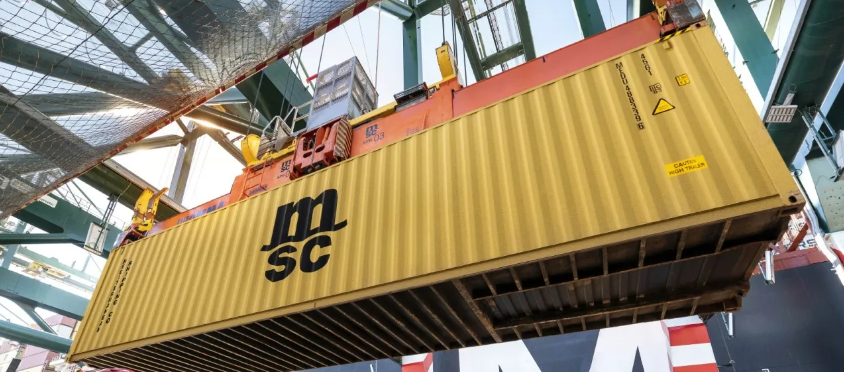
Following the partial resumption of Red Sea sailings by Maersk and CMA CGM, MSC has also begun testing transits through the Bab el-Mandeb. The latest data show that seven MSC vessels have passed through the strait over the past two weeks. Although MSC has not formally announced a full return to the Suez route, major liner operators are reassessing their Cape of Good Hope diversions. If more vessels resume sailing through the Red Sea and the Suez Canal, Asia–Europe voyages could be shortened by 7–14 days, with possible implications for sailing schedules, effective capacity, and ocean freight rates.
Key Highlights
• Seven MSC transits in two weeks: The vessel movements indicate that MSC is testing the Red Sea route.
• Dark transits: All seven vessels reportedly switched off their AIS transponders during passage, indicating continued caution over Red Sea security.
• No full resumption announced: MSC has not issued a formal notice confirming a complete return to the Suez route.
• Maersk shifts capacity back: Approximately 30% of Maersk’s relevant cargo volumes have returned to the Red Sea and the Suez Canal.
• Shorter Asia–Europe voyages: Returning to the Suez route could reduce transit times by approximately 7–14 days.
• Freight rates continue to decline: Asia–Europe rates have fallen for six consecutive weeks, and returning capacity could add further market pressure.
MSC Tests Red Sea Route as Seven Vessels Transit the Bab el-Mandeb
According to Linerlytica, seven MSC vessels have passed through the Bab el-Mandeb over the past two weeks, mainly on voyages from Europe and the Mediterranean to Asia. All seven vessels reportedly made “dark transits” through the strait by switching off their Automatic Identification System (AIS) transponders, limiting the public visibility of their positions and movements to reduce the risk of detection and attack by Houthi forces.
This indicates that MSC remains cautious about security conditions in the Red Sea. Although its vessels have begun testing passages through the Bab el-Mandeb, the use of dark transits shows that the carrier does not yet regard the route as having returned to normal operations. The current situation is therefore more accurately described as phased testing and a limited resumption rather than a full MSC return to the Suez route.
MSC has not issued a formal notice announcing a full resumption of Suez services. If the scope of its transits expands, other liner operators that continue to divert around the Cape of Good Hope may also reassess their current routing, potentially accelerating the return of Asia–Europe services to the Red Sea.
Maersk and CMA CGM Move First as Red Sea Resumption Expands
Maersk and CMA CGM have already resumed some Red Sea sailings. Maersk has shifted approximately 30% of its relevant cargo volumes back to the Red Sea and the Suez Canal, while services including MECL, ME11, and AE19 have undergone routing adjustments. As security conditions change, Maersk is gradually returning some capacity previously diverted around the Cape of Good Hope to the Suez route.
After widespread diversions around the Cape of Good Hope, some services are now returning to the Red Sea. If MSC adds more Red Sea sailings, other carriers may reconsider their Suez routings. Any full resumption, however, will continue to depend on security conditions and actual operating performance.
Asia–Europe Voyages Could Be Shortened by 7–14 Days
Carriers are reconsidering the Suez route not only because of changing security conditions but also because of operating costs and schedule efficiency. Rerouting around the Cape of Good Hope reduced exposure to Red Sea security risks but significantly extended voyages. A return to the Suez Canal could shorten one-way Asia–Europe transit times by approximately 7–14 days and improve vessel turnaround.
Congestion at Asian ports, however, continues to affect sailing schedules. According to Linerlytica, congestion remains high at some major Chinese ports. Vessel backlogs caused by typhoons have pushed waiting times at ports in Shanghai, Ningbo, and Shenzhen to as long as 12 days. If port delays continue, the importance of shorter sea voyages could increase further for carriers.
Returning Capacity Could Add Pressure as Asia–Europe Freight Rates Continue to Fall
Asia–Europe ocean freight rates remain under pressure as Red Sea services gradually resume. According to the Shanghai Containerized Freight Index (SCFI), rates from Asia to Northern Europe recently fell by 14%, while rates to the Mediterranean declined by 17%. Rates have now fallen for six consecutive weeks. Linerlytica believes that cargo volumes on the trade may have reached a short-term peak and that demand momentum remains weak.
If more vessels end their Cape of Good Hope diversions and return to the Suez route, capacity previously absorbed by longer voyages will be released, potentially increasing effective capacity on Asia–Europe services. With limited cargo growth and weakening freight rates, returning capacity could add further market pressure. The key issue is therefore not which carrier returns to the Red Sea first, but how many vessels and how much capacity ultimately return to the Suez route.
Red Sea services are moving toward a gradual resumption, but a full return remains some way off. Freight forwarders and trading companies should closely monitor service announcements and sailing schedule changes from MSC, Maersk, CMA CGM, and other carriers. If the scope of Suez transits continues to expand, Asia–Europe transit times, schedule reliability, and ocean freight costs could change accordingly.
Source Note
This article has been compiled from publicly available information from MSC, Maersk, CMA CGM, Linerlytica, Seatrade Maritime, and the Shanghai Containerized Freight Index (SCFI). It is provided solely for industry reference. Please refer to the latest carrier notices for specific routes, sailing schedules, and transportation arrangements.
Last
Cargo Ship Struck by Multiple Unidentified Projectiles and Declared a Complete Constructive Loss as Red Sea Security Risks Persist
Maritime security in the Red Sea has again drawn industry attention. On August 17, local time, a cargo ship was struck by multiple
Next
Strike Disrupts Cargo Operations at Six Major German Ports as 11,000 Workers Stop Work
German ports are once again being affected by ongoing wage negotiations. On the evening of August 17, local time, the German servi
