Shipowner Pays Nearly USD 4 Million for Earlier Panama Canal Transit as Congestion Raises Schedule and Cost Concerns
Logistics News
 14-Aug-2026
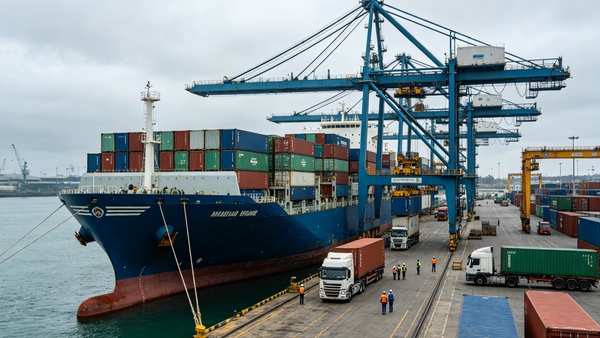
The owner of a containership has paid nearly USD 4 million to secure an earlier passage through the Panama Canal, bringing auction prices for transit slots back into focus. On August 11, local time, Bloomberg reported that the owner of Seaspan Benefactor had paid approximately USD 4 million in a Panama Canal transit-slot auction. The price was close to a record high, drawing renewed attention to congestion at the canal and its impact on global shipping.
Key Highlights
• USD 4 million for earlier transit: Seaspan Benefactor secured an earlier canal passage through an auction.
• Large vessels face waits of around 10 days: Waiting times for Neopanamax vessels have increased significantly.
• Auction prices rise sharply: Recent average auction prices for Neopanamax vessels have reached approximately USD 2.5 million.
• Geopolitical risks increase demand: Risks involving the Strait of Hormuz and Bab el-Mandeb are increasing demand for alternative routes.
• Water levels remain a key variable: El Niño continues to place pressure on the Panama Canal’s transit capacity.
What Was the Shipowner Bidding for with USD 4 Million?
The Panama Canal generally schedules vessel transits through a reservation system and also holds auctions for transit slots. Shipowners can bid to secure an earlier passage through the canal. As waiting times have increased, the cost of obtaining greater schedule certainty has also risen sharply.
According to reports, the owner of Seaspan Benefactor paid approximately USD 4 million to secure a more predictable transit time. The vessel is approximately 337 metres long, has a capacity of around 10,100 TEU, and is chartered and operated by ONE. Publicly available schedule information indicates that the vessel is expected to transit the Panama Canal before continuing to ports including Houston and Mobile in the United States.
Waiting Times Reach Around 10 Days as Congestion Worsens
The high auction price reflects longer vessel waiting times. Recent data indicate that Neopanamax vessels travelling from the Pacific to the Atlantic are now waiting approximately 10 days, one of the highest levels recorded since May.
For shipowners, several additional days of waiting increase more than fuel and crew operating costs. Delays can also disrupt subsequent port calls and the vessel’s next voyage. If an earlier leg is delayed, later sailing schedules may also be affected. For freight forwarders, the main concerns are changes to estimated arrival times, transshipment connections, and cargo delivery schedules.
Changes in Global Routing Send More Vessels Toward the Panama Canal
The latest congestion is not entirely the result of conditions at the Panama Canal itself. Global shipping routes are being adjusted, while security risks around the Strait of Hormuz and Bab el-Mandeb are changing vessel and cargo flows. Some transportation demand that previously moved through the affected areas is beginning to seek alternative routes, increasing demand for Panama Canal transits between Asia and the Americas.
The changes affect not only containerships but also the transportation of LPG, LNG, crude oil, and refined petroleum products. As more vessels compete for limited transit capacity, waiting times and auction prices for earlier transit slots can rise.
Lower Water Levels Create Another Capacity Constraint
In addition to higher vessel volumes, the Panama Canal is facing pressure on its water supply. Canal operations rely heavily on freshwater from surrounding lakes to operate the locks, while changes in rainfall associated with El Niño have made water management more difficult.
The Panama Canal has previously adjusted draught restrictions for large vessels on several occasions. If transit conditions tighten further, some large vessels may need to revise their stowage plans or reduce cargo loads to meet draught requirements. For container shipping, this could affect effective vessel capacity and space allocation while adding further uncertainty to canal transits.
When Transit Time Carries a Multimillion-Dollar Price
A containership owner’s willingness to pay nearly USD 4 million for an earlier Panama Canal transit shows that schedule certainty, rather than access alone, has become increasingly scarce. When arranging Asia–United States shipments, global freight forwarders need to include canal waiting times, schedule volatility, and additional charges in their overall shipment cost calculations rather than comparing base ocean freight rates alone.
If congestion continues and auction prices for earlier transit slots rise further, carriers may adjust their routes, capacity deployment, and sailing schedules to reduce the risk of delays. The impact of Panama Canal congestion could then spread to shipping capacity, freight rates, estimated arrival times, and final delivery schedules. Freight forwarders handling the affected routes should therefore continue to monitor canal conditions and the latest carrier schedules.
Sources
Bloomberg, the Panama Canal Authority, Argus, and publicly available industry information
Disclaimer
This article is based on publicly available information and is provided solely for reference within the international logistics industry. Sailing schedules, transit arrangements, and charges remain subject to the latest notices issued by carriers and the Panama Canal Authority.
Last
Another Container Ship Targeted in U.S. Military Operation: Vela Nova Disabled as Risks Rise in the Gulf of Oman
Another incident has affected commercial shipping in the Gulf of Oman. On August 11, local time, the U.S. Central Command (CENTCOM
Next
Israel Raises Strong Objections to Hapag-Lloyd's USD 4.2 Billion Acquisition of ZIM Ahead of Key September 9 Regulatory Meeting
Hapag-Lloyd’s proposed USD 4.2 billion acquisition of Israeli shipping company ZIM is entering a critical stage of regulatory revi
