FESCO and Kalyon Suspend Black Sea Russia Services as Logistics Capacity Through Novorossiysk Tightens
Logistics News
 11-Aug-2026
Shipping security risks in the Black Sea continue to rise, prompting changes to regional logistics operations. Following a series of attacks on merchant vessels, Russia’s FESCO and Türkiye’s Kalyon have suspended services involving Russian Black Sea ports. The service suspensions are reducing container shipping capacity through key ports including Novorossiysk, tightening maritime logistics links serving southern Russia and changing Eurasian cargo routing.
Key Highlights
• Service suspensions: Russia’s FESCO and Türkiye’s Kalyon have suspended Black Sea services involving Russian ports.
• Security concerns: Repeated attacks on merchant vessels and crew reluctance to operate on Russia-related voyages have increased navigation risks.
• Logistics changes: Import capacity through Novorossiysk is under pressure, forcing Asian cargo onto alternative routes.
• Industry data: Energy loading volumes at major Black Sea ports have fallen significantly, reducing regional export capacity.
• Overall impact: War-risk insurance premiums, logistics costs, and transit times on Black Sea routes are all under pressure.
Repeated Vessel Attacks Prompt FESCO and Kalyon to Suspend Services
Several serious incidents have recently affected commercial shipping in the Black Sea. The Russian container vessel Yanina sank, LDR Yasar was damaged in an attack, and the Turkish ro-ro vessel Nadezhda was struck by a drone near Novorossiysk, leaving three crew members seriously injured.
The deteriorating security situation has led carriers to adjust their operations. Kalyon announced a suspension of services, stating that current risks had exceeded acceptable operating levels and that crews were widely unwilling to undertake Russia-related voyages, making safe operations difficult to maintain.
FESCO subsequently suspended its Black Sea services, further reducing regional container shipping capacity.
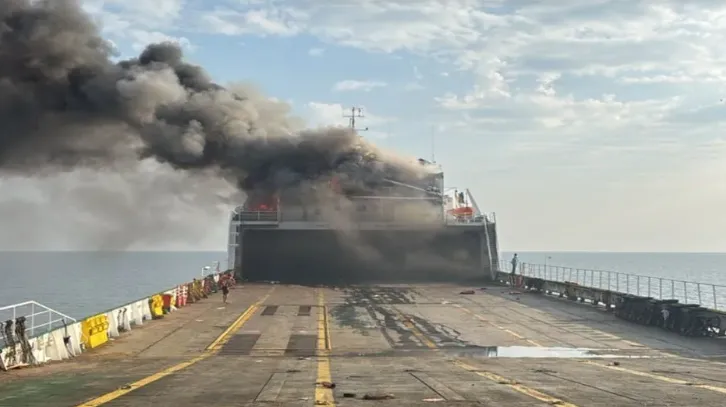
△Nadezhda
Novorossiysk Import Capacity Tightens as Asian Cargo Is Rerouted
Novorossiysk is Russia’s largest Black Sea container hub and a key gateway for Asian cargo entering southern Russia. Following the suspension of services by FESCO and Kalyon, direct Black Sea import options have become more limited, forcing Asian cargo to use alternative routes.
Two main alternatives are currently being used. One is to discharge cargo at ports in Russia’s Far East and move it by inland rail to European Russia. The other is to route cargo through the Baltic Sea and enter Russia via ports such as St. Petersburg.
Both options increase transport distance and add transshipment and inland transport costs, resulting in higher logistics expenses and longer transit times.
Black Sea Disruptions Affect Energy and General Cargo Exports
The impact of the Black Sea security situation now extends across ports and cargo types, affecting shipping on both the Russian and Ukrainian sides.
Major Ukrainian ports including Odesa continue to face attacks, reducing merchant vessel calls and disrupting exports of key commodities such as grain and steel.
Russian shipping capacity has also declined. According to industry estimates, crude oil loading volumes at major Black Sea and Sea of Azov ports, including Novorossiysk, have fallen significantly. Shipments of Kazakh crude through the Caspian Pipeline Consortium (CPC) have also declined, leaving regional energy exports operating at substantially lower levels.
Türkiye’s Ministry of Foreign Affairs has warned that continued deterioration in Black Sea security could further affect global grain and energy supply chains.
Higher shipping risks are also increasing operating costs. War-risk insurance premiums for vessels calling at Black Sea ports have reportedly risen from around 1% of vessel value to as much as 2%, while daily tanker operating costs have increased sharply.
Security Risks Are Increasingly Affecting Carrier and Crew Operations
The current security risks are no longer limited to individual vessel incidents or damage to port facilities. They are increasingly affecting carrier operations and crew deployment, with service suspensions and crew refusals now disrupting regular route operations.
The impact extends across booking, ocean transport, port calls, and transshipment. If security conditions in the Black Sea do not improve, additional carriers may suspend or adjust services, further reducing available regional shipping options.
Operational Alerts and Recommended Actions for Freight Forwarders and Trading Companies
Freight forwarders and trading companies should continue to monitor carrier service suspensions, port changes, and rerouting notices.
Cargo routing should be adjusted in advance where necessary, with particular attention to possible congestion on Far East rail corridors and at Baltic ports. Costs, insurance arrangements, and delivery lead times for Black Sea-related shipments should also be reassessed, with sufficient operational buffers maintained.
Companies handling related import and export shipments should also monitor the risk of port delays, transit delays, and cargo damage and adjust transportation plans as conditions change.
Sources
International shipping media, BIMCO industry reports, official carrier announcements, and public statements from Türkiye’s Ministry of Foreign Affairs
Timeliness Note
As of August 7, 2026, FESCO and Kalyon have suspended their Black Sea services involving Russian ports. Any resumption or further service adjustments are subject to the latest carrier notices.
Disclaimer
The information in this article is sourced from publicly available channels and is provided solely for industry reference. It does not constitute commercial advice, booking guidance, or logistics operating guidance.
Last
Maersk Removes Shanghai from Dragon Service as Qilin Takes Over Direct Shanghai-Australia Cargo from August 21
Maersk has announced a major adjustment to its Asia–Oceania Dragon service. Effective from the ONE San Diego 634S voyage on August
Next
Red Sea Risks Rise as Houthis Target Saudi Vessels and UKMTO Issues Gulf of Aden Navigation Alerts
Shipping security risks in the Red Sea and Gulf of Aden have risen again. On August 5, local time, the Houthis announced attacks o
