17 Empty Containers Lost Overboard off Sri Lanka as Navigation Risks Rise During the South Asian Monsoon Season
Logistics News
 7-Aug-2026
On August 1, the Maldives-flagged general cargo vessel MSS Graphene encountered severe sea conditions west of the Port of Colombo, Sri Lanka, causing 17 empty containers to fall overboard. No injuries were reported, and the vessel and its remaining cargo were undamaged. Some of the containers have washed ashore along Sri Lanka’s southern coast. Sri Lankan maritime authorities have issued a navigation warning and begun recovery operations. This article outlines the incident and the navigation risks affecting South Asian routes during the monsoon season.
Key Highlights
• Incident overview: Seventeen empty containers fell overboard from MSS Graphene after the vessel encountered severe sea conditions in Sri Lankan waters.
• Response: The crew immediately secured the remaining containers, the vessel resumed its voyage, and maritime authorities issued a navigation warning.
• Navigation hazard: Drifting containers may move with ocean currents and create difficult-to-detect hazards in shipping lanes.
• Industry alert: The South Asian monsoon season remains active, increasing weather-related transportation risks on Indian Ocean routes.
Containers Lost Overboard in Sri Lankan Waters
The vessel involved was MSS Graphene, a Maldives-flagged general cargo vessel operated by a national shipping company in the Maldives. Built in 2002 and measuring 142.7 metres in length, it is a conventional ocean-going general cargo vessel. At the time of the incident, it was operating a cross-border service from Malé to the Port of Colombo, carrying cargo within the South Asian region.
On August 1, local time, the vessel encountered strong winds, heavy seas, and other adverse conditions approximately 17 nautical miles west of Colombo. The vessel began rolling heavily, causing the securing arrangements for 17 empty containers stowed on deck to fail. All 17 containers fell overboard.
Following the incident, the crew immediately inspected and reinforced the securing arrangements for the remaining containers and cargo to prevent further losses. After confirming that the hull and onboard equipment were undamaged, the vessel resumed its voyage. No injuries were reported, and the remaining cargo was intact.
Maritime Authorities Issue Navigation Warning and Begin Recovery Operations
After falling overboard, the empty containers continued to drift with Indian Ocean currents, creating difficult-to-detect obstacles in nearshore shipping lanes. These containers could lead to collisions, hull damage, and other secondary maritime incidents.
To protect navigation safety, the Sri Lanka Coast Guard issued a navigation warning, advising vessels passing through the area to maintain a careful lookout, keep clear of floating objects, and proceed with caution.
Local maritime search and rescue teams have begun locating, searching for, and recovering the containers. The operation is intended to remove hazards from shipping lanes and limit the impact on major maritime routes in South Asia.
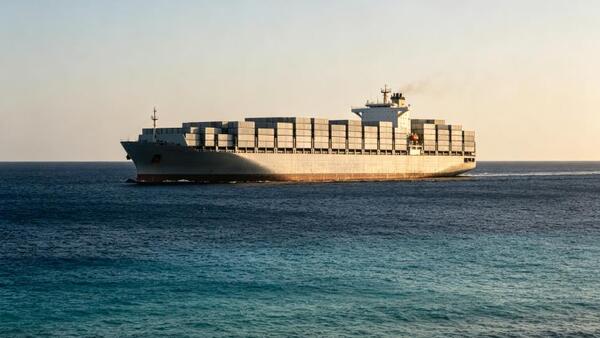
Monsoon Season Raises Risks on Indian Ocean Routes
Extreme weather has become more frequent in recent years, with strong winds, heavy seas, and sudden convective weather contributing to incidents involving containers lost overboard, cargo damage, and severe vessel movement.
Although only empty containers were lost in this incident and no direct cargo losses were reported, the recovery operation will create additional costs for the carrier. The incident also highlights weaknesses in managing sea-condition risks on South Asian routes. Containers that are not recovered promptly may continue to threaten navigation safety and generate additional costs related to channel clearance and maritime response.
The southwest monsoon generally lasts from June to September, bringing strong winds and swells to waters around Sri Lanka and India’s west coast. The South Asian monsoon is currently active, and conditions around Sri Lanka, India’s west coast, and the Arabian Sea remain complex and changeable. Frequent strong winds and heavy seas have increased uncertainty for shipping operations.
For carriers, freight forwarders, and trading companies operating on South Asian routes, severe weather remains a major cause of containers being lost overboard, cargo shifting, and transportation delays.
Operational Alerts and Recommended Risk-Control Measures for Shipping and Logistics Companies
Given the current sea conditions in South Asian waters, logistics companies are advised to closely monitor Indian Ocean monsoon developments and marine weather warnings and to adjust transportation plans around periods of severe wind and heavy seas.
Deck cargo and containers should be secured in strict accordance with applicable standards, with stronger safety inspections completed before departure. When passing through higher-risk waters around Sri Lanka and Colombo, vessels should reduce speed where appropriate, navigate cautiously, and take steps to limit excessive rolling.
Companies should also monitor maritime navigation warnings, allow sufficient schedule buffers, and prepare for weather-related delays and additional operating costs.
Sources
Sri Lankan maritime authorities and publicly available shipping information
Timeliness Note
As of early August 2026, local recovery operations remain ongoing, and risks from adverse sea conditions in South Asian waters continue.
Disclaimer
The information in this article is sourced from publicly available channels and is provided solely for industry reference. It does not constitute commercial advice or logistics operating guidance.
Last
Evergreen Tightens SOC Compliance Requirements, Issues Restricted Container Prefix List, and Rejects Non-Compliant Containers
Evergreen Marine has announced new acceptance requirements for shipper-owned containers (SOCs), including a restricted list of hig
Next
Merchant Vessel Attacked in the Strait of Hormuz as UKMTO Issues Navigation Alert and Middle East Shipping Risks Continue to Rise
On the evening of August 3, a maritime security incident occurred along a key shipping route in the Middle East. According to an o
