22 China-Linked Vessels Transit the Red Sea Safely as Risk Levels Diverge Across Two Key Middle East Shipping Corridors
Logistics News
 7-Aug-2026
The latest Middle East shipping developments in August 2026 show diverging risk levels between the Red Sea and the Strait of Hormuz. Maritime monitoring data shows that 22 China-linked vessels passed safely through the Bab el-Mandeb Strait without incident. Meanwhile, another merchant vessel attack was reported near the Strait of Hormuz. On July 31, an LNG carrier was struck and caught fire near Oman, adding to uncertainty in energy shipping and prompting shipowners to adjust their sailing plans.
Key Highlights
• Improved Red Sea conditions: Between late July and early August, 22 China-linked vessels passed safely through the Bab el-Mandeb Strait without any security incidents.
• Diverging risks: Red Sea traffic showed limited improvement, while an attack on an LNG carrier near the Strait of Hormuz increased security concerns.
• Contrasting conditions: Saudi-linked tankers faced greater risks during the same period, with several vessels reportedly attacked or forced to reroute.
• Industry response: Shipowners are adjusting routes as conditions change, while Middle East shipping risk controls are expanding from individual waterways to the wider region.
Red Sea Traffic Improves as 22 China-Linked Vessels Transit Without Incident
According to monitoring data from maritime risk intelligence company Windward, 22 China-linked vessels passed through the Bab el-Mandeb Strait and called at Saudi ports between July 20 and August 2. No attacks, warnings, or other security incidents were reported during their voyages.
The data covers vessels linked to Chinese shipowners, operators, charterers, and cargo interests, rather than only Chinese-flagged vessels.
Their safe passage was not attributed solely to flag status. It was also linked to long-standing coordination arrangements associated with China’s role as the largest buyer of Saudi crude oil. The vessels concerned had completed loading before the Houthis’ restrictions on Saudi-linked shipping took effect.
However, risks in the Red Sea have not been fully resolved. During the same monitoring period, several Saudi-linked tankers were reportedly attacked or forced to divert. Regional navigation conditions therefore remain complex, with improvement limited to certain vessel groups and operations.
Security Incident Near the Strait of Hormuz Keeps Risks High
In contrast to the limited improvement in the Red Sea, security risks near the Strait of Hormuz increased again.
On July 31, the United Kingdom Maritime Trade Operations (UKMTO) issued a navigation alert following an attack on a merchant vessel near Oman, where signs of an explosion were reported.
Shipping company GasLog later confirmed that the vessel involved was its LNG carrier GasLog Shanghai. The vessel was struck by an unidentified projectile on the port side in the engine-room area near Oman, causing a fire.
All crew members were reported safe, and the vessel’s condition later stabilized. Damage assessments and an investigation into the cause of the incident are under way. UKMTO also issued a navigation security alert following the attack.
The Strait of Hormuz is a major global energy shipping route, carrying around one-fifth of the world’s seaborne crude oil as well as significant volumes of LNG. Security incidents in the area may directly affect energy freight rates, insurance costs, and supply chain stability.
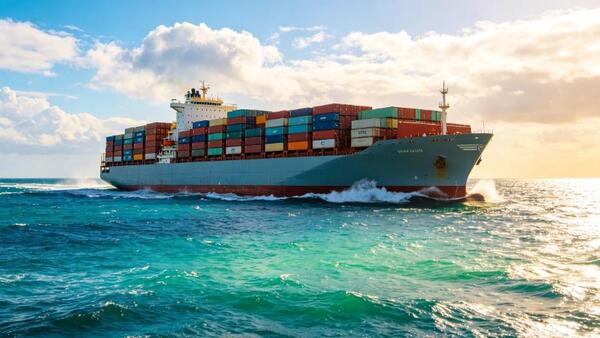
Shipowners Adjust Middle East Operations
In response to the diverging risk levels across the two waterways, shipowners are adjusting their operating plans for Middle East routes.
Monitoring data shows that several very large crude carriers (VLCCs) have rerouted via the Cape of Good Hope to avoid higher-risk waters near the Strait of Hormuz. Some vessels have also extended their waiting time at Gulf anchorages and adjusted departure plans according to current security conditions.
Temporary suspension or restriction of AIS transmissions and changes to vessel routes have also become more common in higher-risk waters. These measures are used to reduce vessel exposure to location tracking in areas where security risks are elevated.
Industry risk controls are no longer focused only on the Red Sea. They now extend to the Strait of Hormuz, the Gulf of Aden, and other key shipping points across the region.
Industry Summary and Market Outlook
Middle East shipping is now facing different risk conditions across its two main waterways. Traffic in parts of the Red Sea has resumed, and risks appear more manageable for certain vessels, but they have not been eliminated. Near the Strait of Hormuz, repeated security incidents continue to keep risks at a high level.
Market attention is no longer limited to whether vessels can transit these waterways. Route adjustments, insurance rate movements, the stability of energy shipments, and changes in shipowners’ risk-control strategies are also being closely monitored.
For freight forwarders and trading companies, Middle East shipping risks have expanded from individual routes to the wider region. Companies should closely monitor navigation developments and prepare alternative transportation arrangements in advance to reduce the impact of schedule delays and cost fluctuations.
Sources
Windward, UKMTO, and publicly available maritime information
Timeliness Note
As of early August 2026, the divergence in risk levels between the Red Sea and the Strait of Hormuz remains. Any subsequent changes will be subject to the latest official announcements.
Disclaimer
The information in this article is sourced from publicly available channels and is provided solely for industry reference. It does not constitute commercial advice or logistics operating guidance.
Last
Ho Chi Minh City Waives Port-Related Charges for Three Years, Potentially Reducing Overall Logistics Costs by Up to 0.8%
Ho Chi Minh City will waive port-related charges for three years from July 2026. Charges related to port infrastructure, service f
Next
MSC Seeks USD 230,000 from Shipper Over Container Fire as Compliance Requirements Tighten for Electric Vehicle Shipments
Compliance controls across the global shipping industry continue to tighten, with carriers taking stronger action against shippers
