With a Sharp Drop in Carrier Contract Rates, Is Now the Best Time for Chinese Shippers to Layout German Backend Warehousing?
Logistics News
 30-Apr-2026
Since 2026, the international shipping market has witnessed drastic changes. The carrier contract rates for shipping from China to Germany have plummeted by more than 30% on some routes. This change has prompted many Chinese shippers and freight forwarders to re-examine their backend layout in Europe. For freight forwarders focusing on the German market, how to leverage the dividend of low carrier contract rates to assist shippers in laying out German backend warehousing has become a key proposition for seizing market share.
What Are the Specific Performances of the Sharp Drop in Carrier Contract Rates for Shipping from China to Germany?
The sharp drop in carrier contract rates for shipping from China to Germany refers to the market phenomenon where, since the second quarter of 2026, the Long-Term Agreements (LTA) and spot rates launched by major shipping companies for routes from China to Germany have both dropped significantly, with a decline rate significantly higher than the global average.
According to the latest data from the Freightos Baltic Index (FBX) in June 2026, the carrier contract rate for 20GP shipping from China to Germany has decreased by 32.7% compared with the end of the first quarter, and the 40GP rate has dropped by 29.5%, marking the largest single-quarter drop since 2025. Among them, the LTA for 20GP on the Shanghai-Hamburg route has dropped from 1,850 US dollars per container in the first quarter to the current 1,240 US dollars per container, while the 40GP contract rate on the Ningbo-Bremen route has decreased from 2,200 US dollars per container to 1,550 US dollars per container.
Freight forwarders need to note that this sharp drop in carrier contract rates is not an isolated case but the result of adjustments in the global shipping market's supply and demand and the optimization of regional routes. This low-price trend is expected to last until the end of the third quarter of 2026, providing a window of opportunity for freight forwarders to assist shippers in laying out backend warehousing.
Why Does the Sharp Drop in Carrier Contract Rates Become an Opportunity to Layout German Backend Warehousing?
The reason why the sharp drop in carrier contract rates is regarded as the best opportunity to layout German backend warehousing is that the reduction in shipping costs has significantly lowered shippers' first-mile transportation costs. Meanwhile, the supporting advantages of Germany's local warehousing market have formed a superimposed effect with the demand potential of the European consumer market.
What Are the Core Advantages of German Backend Warehousing?
In addition to the external opportunity of reduced shipping costs, Germany's own warehousing advantages also provide inherent support for shippers' layout, especially its geographical location, logistics supporting facilities, and policy environment, which can effectively enhance shippers' competitiveness in the European market.
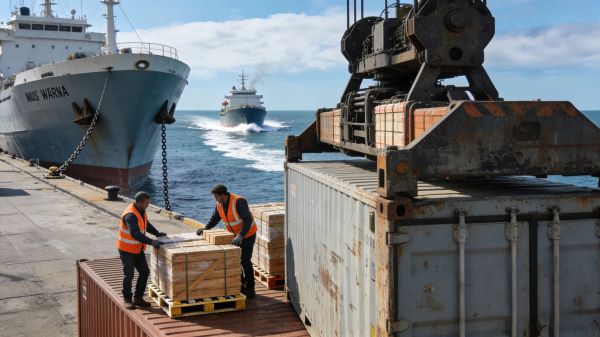
Superior Geographical Location: Located in the center of Europe, the warehousing facilities at core ports such as Hamburg and Bremen can quickly radiate to Western Europe, Central and Eastern Europe, and other regions, enabling goods to be delivered to major European consumer markets within 2-3 days and greatly improving customer experience.
Improved Logistics Support: According to data from the official website of the Port of Hamburg in June 2026, more than 200 professional warehousing enterprises are gathered within 50 kilometers of the Port of Hamburg, providing one-stop services such as goods storage, sorting, labeling, and local delivery. With a warehousing automation rate of 78%, labor costs are significantly reduced.
Friendly Policy Environment: The German government provides tax incentives for cross-border e-commerce warehousing enterprises. Qualified warehousing facilities can enjoy a 15% reduction in corporate income tax, and the customs clearance process is simplified. The average customs clearance time for goods after arrival at the port is only 1-2 days, which is better than that of other European countries.
The recommended approach is that freight forwarders can, according to the type of goods (such as fast-moving consumer goods and mechanical equipment), give priority to recommending warehousing facilities around core ports such as Hamburg and Bremen. This not only leverages port advantages to reduce last-mile transportation costs but also uses improved supporting facilities to improve operational efficiency.
What Preparations Do Freight Forwarders Need to Make to Assist Shippers in Laying Out German Backend Warehousing?
Faced with the opportunity of the drop in carrier contract rates, as the core partner of shippers, freight forwarders need to make preparations from three dimensions: warehousing selection, cost accounting, and risk prevention and control, so as to help shippers achieve an efficient and low-cost warehousing layout.
How to Select Suitable German Backend Warehousing Resources?
The selection of warehousing resources directly determines the effect of shippers' layout. Freight forwarders need to conduct a comprehensive evaluation from multiple dimensions according to shippers' needs to avoid blind selection, which may lead to increased subsequent operational costs.
Give Priority to Port Surrounding Warehousing: Prioritize warehousing facilities within 10-50 kilometers of core ports for shipping from China to Germany, such as the Port of Hamburg and the Port of Bremen. This can reduce the short-distance transportation cost of goods from the port to the warehouse, saving an average of 80-120 euros per container in short-distance freight.
Verify the Qualifications of Warehousing Enterprises: It is necessary to verify whether the warehousing enterprise has ISO9001 logistics quality management system certification and a professional customs clearance supporting team to avoid problems such as goods detention and damage due to insufficient qualifications.
Match Goods Storage Needs: For special goods such as fragile goods and precision equipment, select warehouses with constant temperature, moisture-proof, and anti-theft facilities; for fast-moving consumer goods, select warehouses with fast sorting and labeling capabilities to ensure that goods are quickly put on the shelves for sale.
Freight forwarders need to note that when selecting warehousing resources, they should not only focus on warehousing rent but also comprehensively consider factors such as the warehouse's supporting services and geographical location. This avoids substandard service quality due to low rent, which would increase shippers' hidden costs.
How to Prevent and Control Potential Risks of German Backend Warehousing Layout?
Although there is an opportunity to layout German backend warehousing, there are also certain potential risks. Freight forwarders need to assist shippers in risk prevention and control to avoid losses caused by uncontrolled risks.
Prevent and Control Market Fluctuation Risks: Pay close attention to the trend of carrier contract rates for shipping from China to Germany, sign Long-Term Agreements (LTA) with shipping companies in advance to lock in low prices, and avoid increased shipping costs due to rate rebounds. Meanwhile, sign flexible lease agreements with warehousing enterprises to adjust the warehousing area according to changes in cargo volume and reduce vacancy costs.
Prevent and Control Customs Clearance and Compliance Risks: According to the latest policies of German customs, assist shippers in preparing complete customs clearance documents (such as commercial invoices, packing lists, and certificates of origin) to ensure that the goods information is true and accurate. This avoids customs clearance delays due to incomplete documents or false declaration of goods value. At the same time, remind shippers to comply with German warehousing compliance requirements, such as goods labeling and environmental protection standards, to avoid violations and penalties.
Prevent and Control Goods Safety Risks: Select warehousing enterprises with complete security facilities and supporting cargo insurance. Purchase sufficient transportation insurance and warehousing insurance for goods to cope with sudden situations such as goods damage and loss. Regularly assist shippers in checking warehoused goods to ensure that the quantity and status of goods are correct.
A common misunderstanding is that some freight forwarders ignore risk prevention and control and only focus on cost advantages, leading to problems such as customs clearance delays and goods loss for shippers, which in turn affects cooperative reputation. Freight forwarders need to integrate risk prevention and control into the entire process of warehousing layout, predict risks in advance, and formulate response plans.
What Key Points Do Freight Forwarders Need to Grasp When Laying Out German Backend Warehousing Now?
In addition to making the above preparations, freight forwarders also need to grasp the following key points in combination with market demand and their own advantages, so as to better assist shippers in seizing the opportunity of the drop in carrier contract rates and realizing an efficient layout of German backend warehousing.
Key Point 1: Precisely Match Shippers' Needs and Optimize Warehousing Recommendation Strategies
Different types of shippers have different needs for warehousing. Freight forwarders need to provide targeted solutions: for cross-border e-commerce shippers, focus on recommending warehouses with fast sorting, labeling, and one-piece dropshipping capabilities; for traditional trade shippers, focus on recommending warehouses with bulk goods storage and transshipment capabilities. According to data from ITC Trade Map Q2 2026, cross-border e-commerce goods account for 32% of China's exports to Germany, and traditional mechanical goods account for 28%. Freight forwarders can optimize their warehousing recommendation strategies based on this data.
Key Point 2: Integrate Own Resources and Provide One-Stop Logistics Services
Freight forwarders can use their own shipping company resources and customs clearance resources to provide shippers with one-stop services of "shipping + customs clearance + warehousing + last-mile delivery", reducing shippers' operational costs and communication costs. At the same time, they should strengthen cooperation with local German warehousing enterprises and agents, establish stable cooperative relations, ensure the quality of warehousing services, and improve shipper cooperation stickiness.
Key Point 3: Focus on Long-Term Development and Assist Shippers in Strategic Planning
The drop in carrier contract rates is a short-term opportunity, but the layout of German backend warehousing is a long-term strategy. Freight forwarders need to assist shippers in long-term planning, adjust the warehousing layout and operational strategies according to changes in European market demand, and avoid layout mistakes caused by short-term interest orientation. Freight forwarders need to note that laying out German backend warehousing not only helps shippers reduce costs but also enhances their competitiveness in the European market, enabling long-term stable development.
In summary, the sharp drop in carrier contract rates for shipping from China to Germany in 2026 has indeed provided a rare opportunity for Chinese shippers to layout German backend warehousing. The significant reduction in shipping costs, coupled with the core advantages of Germany's local warehousing, has made the layout cost-performance ratio reach a high level in recent years. For freight forwarders, as long as they do a good job in warehousing selection, cost accounting, and risk prevention and control, and precisely match shippers' needs, they can leverage this opportunity to improve their service capabilities and seize market share. In the future, with the continuous optimization of the shipping market from China to Germany and the steady recovery of the European consumer market, shippers who lay out German backend warehousing in advance will gain more significant competitive advantages, and freight forwarders will also achieve the upgrading and development of their own businesses in the process of assisting shippers in layout.
Last
What Are the Hidden Costs of Shipping from China to the US_
As the core logistics method for Sino-US trade, shipping from China to the US carries 55.3% of the global container volume from As
Next
Aftermath of the Hamburg Port Strike: Which Ocean Freight Route is the Most Stable for Containers Shipped from China Now?
Although the recent Hamburg Port strike has reached a salary agreement and operations are gradually resuming, the aftermath persis
