How to Calculate Ocean Freight: A Comprehensive Guide for Freight Forwarders
Logistics News
 28-Apr-2026
1. Why is Calculating Ocean Freight Important?
Calculating ocean freight accurately is of paramount importance in the freight forwarding industry. Ocean freight is a significant component of the overall cost of international trade. For shippers, an accurate calculation helps in budgeting and pricing their products competitively. If the ocean freight is miscalculated, it can lead to unexpected costs, squeezing profit margins. For freight forwarders, precise calculation is crucial for providing accurate quotes to clients, winning business, and maintaining good relationships. Additionally, understanding how to calculate ocean freight enables freight forwarders to optimize shipping routes and choose the most cost - effective carriers.
2. What are the Key Factors in Calculating Ocean Freight?
How Does the Type of Goods Affect the Calculation?The type of goods being shipped has a substantial impact on ocean freight calculation. Hazardous goods, for example, require special handling, storage, and transportation procedures. Shipping lines often charge higher rates for hazardous goods due to the increased risks involved. According to industry reports by Maersk, the freight rate for shipping hazardous chemicals can be 2 - 3 times higher than that for non - hazardous general cargo. Bulky or oversized goods also influence the calculation. Since they take up more space on the vessel, the freight is often calculated based on the volume they occupy rather than just the weight. For instance, a large piece of construction equipment may have a relatively low weight but a large volume, and the shipping line will charge accordingly.
What Role Does the Weight and Volume of Goods Play?Weight and volume are fundamental factors in ocean freight calculation. Shipping lines typically use two main methods: weight - based and volume - based (also known as measurement ton). The weight - based method charges according to the actual weight of the goods, usually measured in metric tons (MT). The volume - based method charges based on the cubic volume of the goods, measured in cubic meters (m³). In many cases, the shipping line will choose the higher of the two charges. For example, if a shipment of lightweight but voluminous items like foam products has a calculated volume - based charge higher than the weight - based charge, the volume - based rate will be applied.
How Do the Origin and Destination Ports Impact the Freight?The origin and destination ports can significantly affect ocean freight. Ports with high demand and limited capacity may have higher freight rates. For example, ports in major economic centers like Shanghai, Rotterdam, and Los Angeles often have higher rates due to the large volume of goods passing through. Additionally, the distance between the origin and destination ports plays a role. Longer distances generally result in higher freight charges. According to data from the Shanghai Shipping Exchange, the ocean freight from Asia to Europe is typically higher than that for shorter - distance intra - Asian routes. Moreover, the infrastructure and handling efficiency of the ports can also influence the cost. Ports with advanced facilities and efficient operations may have lower associated costs, while those with congestion or outdated infrastructure may lead to additional charges.
What is the Significance of the Shipping Route?The shipping route is another crucial factor. Some routes are more popular and have more frequent sailings, which can sometimes result in more competitive rates due to higher competition among shipping lines. On the other hand, less - traveled routes may have higher costs as the shipping lines need to cover their fixed costs with fewer shipments. For example, a direct shipping route between two major ports may offer more competitive rates compared to an indirect route that involves transshipment. Transshipment can add to the cost as it involves additional handling and waiting times at transshipment ports.
How Do Market Conditions Affect Ocean Freight?Market conditions, including supply and demand, fuel prices, and geopolitical factors, have a major impact on ocean freight. When the demand for shipping space is high relative to the supply of available vessels, freight rates tend to increase. For example, during peak seasons for certain industries like the holiday gift - giving season, the demand for shipping consumer goods rises, driving up the freight rates. Fuel prices also play a significant role. As fuel is a major cost for shipping lines, an increase in fuel prices usually leads to higher freight charges. Geopolitical factors such as trade disputes, sanctions, or unrest in certain regions can also disrupt shipping operations and cause freight rates to fluctuate.
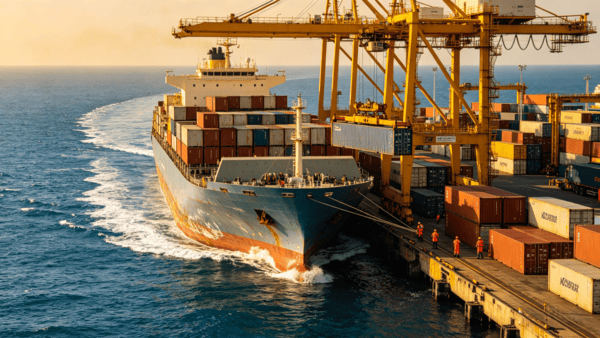
3. What are the Different Methods of Calculating Ocean Freight?
What is the Weight - Based Calculation Method?The weight - based calculation method is straightforward. The freight rate is determined based on the actual weight of the goods. For example, if the freight rate is $100 per metric ton and the goods weigh 5 metric tons, the ocean freight would be $100 x 5 = $500. This method is commonly used for heavy - weight goods such as metals, machinery, and bulk commodities. However, it's important to note that different shipping lines may have different standards for measuring weight, such as gross weight (including packaging) or net weight (excluding packaging).
What is the Volume - Based Calculation Method?The volume - based calculation method, or measurement ton method, calculates the freight based on the cubic volume of the goods. The volume is usually measured in cubic meters. For instance, if the freight rate is $80 per cubic meter and the volume of the goods is 10 cubic meters, the ocean freight would be $80 x 10 = $800. This method is often applied to lightweight but voluminous goods like textiles, furniture, and some consumer products. Some shipping lines may use a conversion factor to convert between weight and volume, especially when determining which charge (weight - based or volume - based) is higher.
How Does the Freight All - Inclusive (FAK) Method Work?The Freight All - Inclusive (FAK) method is a simplified approach. It uses a single rate for all types of goods, regardless of their weight, volume, or nature. This rate is usually based on an average of the rates for different types of goods. For example, a shipping line may set a FAK rate of $120 per freight unit (which could be a container or a certain weight/volume combination). This method is convenient for shippers with a diverse range of goods as it simplifies the calculation process. However, it may not be the most cost - effective option for all types of shipments, especially those with very high - value or specialized goods.
What is the Commodity - Specific Rate Method?The commodity - specific rate method involves setting different freight rates for different types of commodities. Shipping lines determine these rates based on factors such as the demand for the commodity, its value, and the handling requirements. For example, high - value electronics may have a different rate compared to agricultural products. This method allows shipping lines to price their services more accurately according to the characteristics of the goods. Shippers need to be aware of these commodity - specific rates as they can vary significantly depending on the market conditions and the shipping line's policies.
4. What are the Additional Charges in Ocean Freight?
What are Bunker Adjustment Factor (BAF) Charges?The Bunker Adjustment Factor (BAF) is an additional charge that reflects the fluctuations in fuel prices. Since fuel is a major cost for shipping lines, when fuel prices increase, the BAF charge is adjusted upwards, and vice versa. The BAF is usually calculated as a percentage of the basic freight rate. For example, if the basic freight rate is $1000 and the BAF is 10%, the BAF charge would be $1000 x 0.1 = $100. According to industry data from Drewry, BAF charges can vary significantly over time, sometimes accounting for a substantial portion of the total ocean freight cost.
What are Currency Adjustment Factor (CAF) Charges?The Currency Adjustment Factor (CAF) is related to fluctuations in currency exchange rates. Shipping lines may face financial risks due to changes in exchange rates, especially if they have significant costs in one currency and receive payments in another. The CAF charge is used to offset these risks. It is also calculated as a percentage of the basic freight rate. For example, if the basic freight rate is $800 and the CAF is 5%, the CAF charge would be $800 x 0.05 = $40. The CAF can change regularly based on currency market movements.
What are Terminal Handling Charges (THC)?Terminal Handling Charges (THC) cover the costs associated with handling the goods at the port terminals. This includes loading and unloading the goods from the vessel, stacking them in the terminal, and any associated administrative costs. THC can vary depending on the port and the type of goods. For example, containerized goods may have a different THC rate compared to break - bulk goods. In some regions, THC is standardized, while in others, it can be negotiated between the shipper and the shipping line. According to industry reports, THC can account for a significant portion of the overall port - related costs.
What are Peak Season Surcharges (PSS)?Peak Season Surcharges (PSS) are applied during periods of high demand for shipping services. As mentioned earlier, during peak seasons, the demand for shipping space increases, and shipping lines may introduce PSS to balance supply and demand and increase their revenue. PSS is usually a fixed amount or a percentage of the basic freight rate. For example, during the holiday shipping season, a shipping line may add a PSS of $200 per container or 15% of the basic freight rate. Shippers should be aware of these peak seasons and plan their shipments accordingly to avoid or minimize PSS charges.
5. What are the Common Misconceptions in Calculating Ocean Freight?
Is the Published Freight Rate the Final Cost?A common misunderstanding is that the published freight rate by the shipping line is the final cost. In reality, there are often additional charges such as BAF, CAF, THC, and PSS that need to be added to the basic freight rate. Shippers and freight forwarders should always inquire about these additional charges to get an accurate estimate of the total ocean freight cost. For example, a shipping line may publish a basic freight rate of $1500 per container, but with BAF, CAF, THC, and PSS, the final cost could be significantly higher.
Do All Shipping Lines Calculate Freight in the Same Way?Some may assume that all shipping lines calculate ocean freight in the same way. However, different shipping lines may have different methods of calculating weight, volume, and additional charges. They may also have different commodity - specific rates. For example, one shipping line may use a different conversion factor between weight and volume, or may have a different policy regarding the application of BAF and CAF. Freight forwarders need to be familiar with the calculation methods of different shipping lines to provide accurate quotes to their clients.
Can Ocean Freight Rates Not Change?There is a misconception that ocean freight rates are fixed. In fact, ocean freight rates are highly volatile and can change frequently due to market conditions, fuel price fluctuations, and geopolitical factors. Shippers and freight forwarders should stay updated on these changes to plan their shipments effectively. For example, a sudden increase in fuel prices can lead to an immediate increase in BAF and ultimately the overall ocean freight cost.
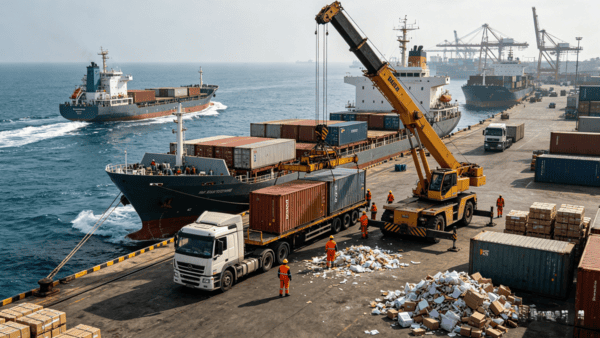
6. How to Calculate Ocean Freight Step - by - Step?
What is the First Step in Calculating Ocean Freight?The first step is to determine the type, weight, and volume of the goods. This requires accurate measurement and classification of the goods. For example, if shipping a consignment of machinery, the exact weight of each piece and the overall volume of the shipment need to be determined. The type of goods will also help in identifying if there are any special requirements or charges, such as for hazardous goods.
How to Identify the Origin and Destination Ports?Next, clearly identify the origin and destination ports. Research the characteristics of these ports, including their location, capacity, infrastructure, and any port - specific charges. This information can be obtained from port authorities, shipping line websites, or freight forwarder databases. For example, if the origin port is known for congestion, it may be necessary to factor in potential additional costs or longer lead times.
How to Select the Shipping Route?Based on the origin and destination ports, select the most suitable shipping route. Consider factors such as direct vs. indirect routes, transshipment points, and the frequency of sailings. A direct route may be more expensive but faster, while an indirect route with transshipment may be cheaper but have longer transit times. Freight forwarders can use their expertise and market knowledge to recommend the best route for the client's needs.
How to Obtain Freight Rates from Shipping Lines?Contact multiple shipping lines to obtain their freight rates. Provide them with detailed information about the goods, origin, destination, and shipping route. Be sure to ask about all possible additional charges. Some shipping lines may offer better rates based on the volume of the shipment or the relationship with the shipper. For example, a large - volume shipper may be able to negotiate a lower rate with a shipping line.
How to Calculate the Total Ocean Freight?Once the basic freight rate and all additional charges are known, calculate the total ocean freight. First, determine the basic freight based on the weight - based or volume - based method, or the FAK or commodity - specific rate method. Then, add all the additional charges such as BAF, CAF, THC, and PSS. For example, if the basic freight is $2000, BAF is $200, CAF is $100, THC is $300, and PSS is $150, the total ocean freight would be $2000 + $200 + $100 + $300 + $150 = $2750.
7. What are the Expert Tips for Calculating Ocean Freight?
Why Should Freight Forwarders Stay Informed about Market Trends?Freight forwarders should stay informed about market trends, including changes in freight rates, fuel prices, and demand - supply dynamics. By keeping an eye on these trends, they can anticipate rate changes and provide timely advice to their clients. For example, if they notice a trend of increasing fuel prices, they can suggest that clients book their shipments earlier to avoid potential BAF increases.
How Can Freight Forwarders Negotiate Better Rates?Freight forwarders can negotiate better rates with shipping lines by leveraging their volume of business, long - term relationships, and market knowledge. They can also bundle shipments from multiple clients to increase their bargaining power. For example, if a freight forwarder can show that they have a large volume of regular shipments, the shipping line may be more willing to offer a discounted rate.
Why is Accurate Documentation Important?Accurate documentation is crucial for calculating ocean freight. Incorrect information about the weight, volume, or type of goods can lead to miscalculation of the freight. It can also cause problems during customs clearance and with the shipping line. For example, if the declared weight of the goods is incorrect, the shipping line may charge additional fees or even refuse to accept the shipment.
How Can Freight Forwarders Use Technology to Calculate Freight?Freight forwarders can use advanced freight - calculation software and online tools to streamline the calculation process. These tools can take into account all the factors involved in ocean freight calculation, including weight, volume, origin, destination, and additional charges. They can also provide real - time rate updates based on market conditions. For example, some software can automatically calculate the total ocean freight based on the inputted data and the latest rates from multiple shipping lines.
8. Conclusion and Key Takeaways
Calculating ocean freight is a complex but essential aspect of freight forwarding. By understanding the key factors, different calculation methods, additional charges, avoiding common misconceptions, following the step - by - step process, and taking expert tips, freight forwarders can accurately calculate ocean freight, provide competitive quotes to clients, and optimize shipping operations. Remember, a thorough understanding of how to calculate ocean freight is vital for success in the international freight forwarding business.
Last
Bill of Lading: A Comprehensive Guide for Freight Forwarders
1.What is a Bill of Lading?A bill of lading is a multifaceted legal document issued by a carrier to a shipper. It details the type
Next
Customs Clearance Process: A Comprehensive Guide for Freight Forwarders
1. What is the Customs Clearance Process?The customs clearance process refers to the series of procedures and formalities that goo
