EXW Trade Term: A Comprehensive Guide for Freight Forwarders
Logistics News
 27-Apr-2026
What is EXW Trade Term?
EXW, short for Ex Works, is an Incoterm (International Commercial Term) that represents one of the most basic and straightforward trade arrangements in international business. Under EXW, the seller's obligation is simply to make the goods available at their premises or another named place (such as a factory, warehouse, etc.). The buyer then assumes all responsibilities, costs, and risks associated with taking the goods from that point and transporting them to the final destination.
What are the Core Elements of EXW Trade Term?
Who are the Involved Parties in an EXW Transaction?In an EXW transaction, the two main parties are the seller and the buyer. The seller is responsible only for having the goods ready at the agreed-upon location. This includes ensuring that the goods are in the condition specified in the contract, properly packaged, and labeled. The buyer, on the other hand, has a much more extensive set of responsibilities. They must arrange for the collection of the goods from the seller's premises, handle all transportation, including inland and international shipping, obtain any necessary export and import licenses, and clear the goods through customs at both the origin and the destination.
How is Cost Allocated in an EXW Transaction?
What are the Seller's Costs?The seller's costs in an EXW transaction are relatively limited. They mainly include the cost of producing or sourcing the goods, packaging them to a condition suitable for transportation, and any local handling charges up to the point of making the goods available. For example, if a seller in China manufactures electronic components and is selling them under EXW terms, their costs would be the raw material costs, manufacturing costs, and the cost of packaging the components into cartons. There are no costs related to transportation or customs clearance on the seller's part.
What are the Buyer's Costs?The buyer bears a wide range of costs. These include the cost of transporting the goods from the seller's premises to the port of shipment, ocean freight (if applicable), insurance for the goods during transit, import duties and taxes at the destination, and any inland transportation costs from the port of arrival to the final destination. For instance, if a buyer in the United States is purchasing the Chinese-made electronic components under EXW terms, they would need to pay for the trucking to get the components from the Chinese factory to the port, the cost of shipping the components across the ocean, insurance for the journey, and all the import-related costs when the components reach the US, as well as the cost of transporting the components from the US port to their warehouse.
When Does Risk Transfer in an EXW Transaction?Risk transfer in an EXW transaction occurs when the buyer takes over the goods at the seller's premises or the named place. At this moment, the buyer becomes responsible for any loss or damage to the goods. For example, if the goods are damaged while being loaded onto the truck at the seller's factory, and the risk has already transferred to the buyer, the buyer will bear the loss.
What are the Document Requirements in an EXW Transaction?The seller is typically required to provide the buyer with basic documents such as a commercial invoice, which details the goods, their quantity, and the price. A packing list may also be provided to show the details of how the goods are packaged. However, the seller is not responsible for providing documents related to transportation or customs clearance. The buyer has to obtain all the necessary transportation documents, such as bills of lading (if shipping by sea), and handle all customs-related documentation.
How is EXW Trade Term Applied in the Real-World?
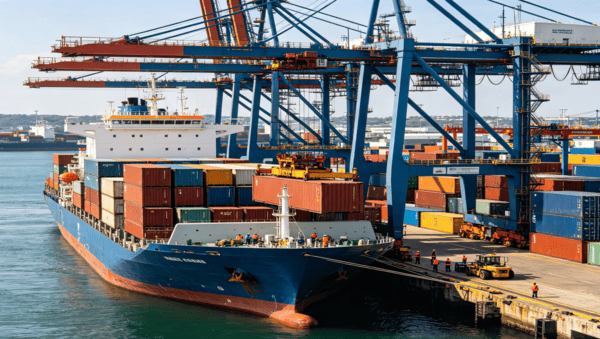
Consider a scenario where a small-scale handicraft producer in India has an order from a retailer in France. The Indian producer operates on EXW terms. The handicrafts are produced and stored in the producer's workshop. The French retailer arranges for a freight forwarder to pick up the goods from the workshop. The freight forwarder then transports the goods to the nearest port in India, arranges for the export clearance, and ships the goods to a port in France. Once the goods arrive in France, the retailer is responsible for importing the goods, paying the import duties, and transporting the goods to their stores. In this case, the Indian producer only has to make the handicrafts available at their workshop, while the French retailer manages all aspects of getting the goods from India to France.
What are the Common Misconceptions about EXW Trade Term?
Is the Seller Responsible for Any Transportation-Related Costs?A common misunderstanding is that the seller has some responsibility for transportation-related costs in an EXW transaction. In fact, the seller has no obligation to arrange or pay for any transportation. The buyer is entirely responsible for all transportation-related expenses, from the moment they pick up the goods from the seller's premises. For example, some may think that the seller should at least help with getting the goods to a nearby transportation hub, but this is not the case under EXW terms.
Does the Seller Need to Ensure the Goods Reach the Destination?Some might assume that the seller has an obligation to ensure that the goods reach the destination in an EXW transaction. However, the seller's responsibility ends once they make the goods available at the agreed-upon location. It is the buyer's responsibility to ensure the safe and timely transportation of the goods to the final destination. If there are any issues during transportation, such as delays or damage to the goods, the buyer is responsible.
What is the Step-by-Step Process in an EXW Transaction?
What is the First Step in an EXW Transaction?The first step is the negotiation of the contract between the buyer and the seller. They need to agree on the price, quantity, quality of the goods, and the EXW terms. This includes specifying the location where the goods will be made available by the seller.
What Does the Seller Do After Contract Negotiation?After the contract is negotiated, the seller proceeds to prepare the goods. This involves manufacturing or sourcing the goods, ensuring they meet the quality standards specified in the contract. The seller also needs to package and label the goods appropriately for transportation.
How Does the Buyer Arrange for Goods Collection?The buyer then arranges for the collection of the goods from the seller's premises. This may involve hiring a freight forwarder or a transportation company. The buyer needs to communicate with the seller about the collection schedule and ensure that all necessary arrangements are in place.
What are the Buyer's Responsibilities for Transportation and Customs?Once the goods are collected, the buyer is responsible for all aspects of transportation. This includes inland transportation to the port of shipment, booking the shipping space (if by sea), and arranging for insurance. The buyer also has to handle the export clearance at the origin and the import clearance at the destination. They need to submit all the necessary documents to the customs authorities and pay the relevant duties and taxes.
What Happens if There are Issues with the Goods?If there are any issues with the goods, such as damage or non-compliance with the contract terms, the buyer can raise a claim against the seller. However, it is important to note that the burden of proof lies with the buyer. The buyer needs to provide evidence that the goods were not in the condition specified in the contract when they were made available by the seller.
What are the Fees and Costs in an EXW Transaction?
What Costs Does the Seller Bear in an EXW Transaction?The seller's costs are mainly related to the production or sourcing of the goods and packaging. As mentioned earlier, this includes raw material costs, manufacturing costs, and packaging costs. According to industry reports by Armstrong & Associates, packaging costs can vary depending on the type of goods, but on average, it can account for 5-10% of the total cost of the goods for regular consumer products.
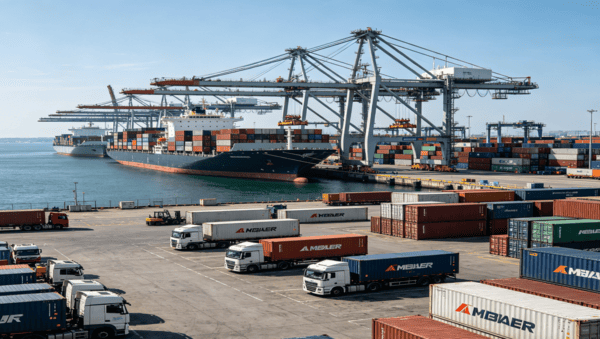
What Costs Does the Buyer Bear in an EXW Transaction?The buyer's costs are extensive. Inland transportation costs from the seller's premises to the port of shipment can be significant, especially if the distance is long. Ocean freight costs, if shipping by sea, are a major part of the expenditure, which can vary depending on factors such as the volume of goods, the distance between ports, and market rates. Insurance costs, import duties and taxes, and inland transportation costs at the destination all add up to the buyer's expenses. For example, if importing high-value consumer goods, the import duties can be as high as 20-30% of the value of the goods, and ocean freight can also be a substantial amount depending on the shipping route.
What are the Expert Tips for Dealing with EXW Trade Term?
Why Should Freight Forwarders Understand the EXW Term Thoroughly?Freight forwarders play a crucial role in EXW transactions. A deep understanding of the EXW term enables them to provide accurate advice to their clients. They can help the buyer in planning the transportation, choosing the right carriers, and optimizing the costs. For the seller, they can assist in ensuring that the goods are prepared in a way that meets the buyer's requirements. This knowledge also allows forwarders to anticipate potential issues and proactively address them.
Why is Communication Key in EXW Transactions?Open and clear communication between the buyer and the seller is essential in EXW transactions. The buyer needs to communicate their collection schedule clearly to the seller to ensure that the goods are ready. The seller, on the other hand, should provide the buyer with all the necessary information about the goods, such as their condition, packaging details, etc. Any misunderstandings can lead to delays or additional costs. For example, if the buyer fails to inform the seller about a change in the collection date, it may cause the seller to incur extra storage costs.
Why Should Freight Forwarders Assist with Documentation?Freight forwarders should assist the buyer with the documentation process. Since the buyer is responsible for all transportation and customs-related documents in an EXW transaction, the forwarder's expertise can be invaluable. They can help the buyer in preparing and submitting the correct documents to avoid delays in customs clearance. For example, they can ensure that the commercial invoice and packing list are accurate and in the format required by the customs authorities.
Why Should Freight Forwarders Stay Informed about Market Rates?Freight forwarders need to stay updated on market rates, including inland transportation rates, ocean freight rates, insurance premiums, and import duty rates. Fluctuations in these rates can significantly impact the cost of the transaction. By being informed, forwarders can provide clients with accurate cost-estimates and timely advice. For instance, if there is an increase in ocean freight rates, the forwarder can help the buyer in exploring alternative shipping options or negotiating better rates with the carriers.
Conclusion and Key Takeaways
The EXW trade term is a fundamental concept in international trade, offering a simple and clear-cut arrangement where the buyer takes on a significant amount of responsibility. By understanding its core elements, real-world applications, avoiding common misconceptions, following the step-by-step process, and taking expert advice, freight forwarders can better assist their clients in EXW-based trade transactions. Remember, a comprehensive understanding of the EXW trade term is essential for successful international freight forwarding operations.
Last
FOB Trade Term: A Comprehensive Guide for Freight Forwarders
What is FOB Trade Term?The FOB (Free on Board) trade term is an Incoterm (International Commercial Term) pivotal in international
Next
DDP Trade Term: A Definitive Guide for Freight Forwarders
What is DDP Trade Term?DDP, short for Delivered Duty Paid, is an Incoterm that places the maximum obligation on the seller in inte
