Africa logistics routing breakdowns through key entry ports like vohemar madagascar
Freight Solutions
 22-May-2026
Optimized africa logistics routing depends on scientific port selection and phased transit planning, especially for insular African regions where secondary gateway ports such as Vohemar in Madagascar deliver indispensable regional cargo distribution capabilities. Global freight forwarders commonly encounter operational challenges caused by fragmented maritime access, constrained port infrastructure, and inconsistent customs clearance protocols across African island trade lanes.
What role does Vohemar Port play in African regional logistics networks
Vohemar Port functions as a regional maritime gateway in northern Madagascar, handling localized import and export cargo flows to supplement core mainstream ports within the African cross-border logistics ecosystem.
According to 2025 official port data from Marinelink, Vohemar is categorized as a regional service port under Madagascar’s national port governance framework. It primarily serves the Sava region of northern Madagascar, receiving inbound construction materials, industrial machinery and consumer goods, while exporting local cash crops including vanilla and cloves.
Toamasina Port remains Madagascar’s dominant maritime hub, handling over 75 percent of the country’s total container throughput. In contrast, Vohemar Port focuses exclusively on short-haul regional feeder services and inland cargo distribution. This differentiated positioning makes it a viable alternative routing option for forwarders seeking to mitigate congestion risks at primary national terminals.
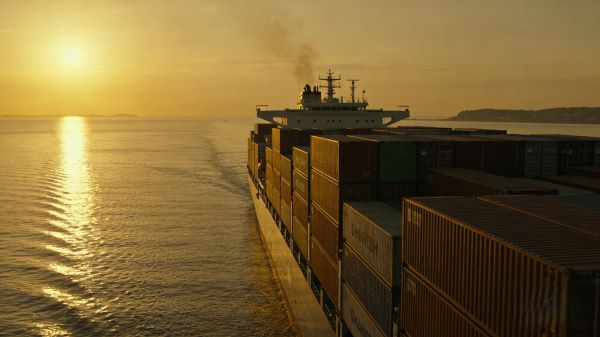
Forwarders should note that Vohemar Port lacks deep-water berthing infrastructure for large container vessels. Most full-container vessels anchor at offshore roadsteads, and cargo is transferred ashore via lighterage operations, forming distinctive operational characteristics for local africa logistics routing arrangements.
What core routing constraints affect Vohemar and Madagascar northern trade lanes
Logistics corridors covering northern Madagascar face four structural bottlenecks, including infrastructure limitations, feeder service instability, inland transit constraints, and non-standard customs clearance procedures.
Shallow berth depth prohibits large vessel direct berthing
Vohemar Port features shallow berth water depth and limited draft capacity compared with international deep-water container terminals. Such physical constraints prevent large-tonnage container vessels from direct quay berthing, mandating offshore anchorage and lighterage transshipment for nearly all containerized cargo.
A common mistake is that many forwarders apply standard deep-water port scheduling frameworks to Vohemar-bound shipments. Ignoring mandatory lighterage workflows leads to underestimated transit lead times and rushed document submission, which easily trigger cargo dwell delays.
Irregular feeder services undermine scheduling stability
According to the UNCTAD 2025 Maritime Transport Review, secondary regional ports across Africa maintain lower liner service frequency and weaker schedule reliability than mainstream hub terminals. Vohemar’s maritime operations rely heavily on intermittent feeder routes connecting Toamasina Port and adjacent Indian Ocean transshipment hubs.
Unstable feeder vessel schedules raise blank sailing risks and extend cargo waiting cycles. This operational volatility weakens shipment scheduling predictability for commercial and industrial cargo serving northern Madagascar markets.
Deficient inland road infrastructure restricts final-mile delivery
Northern Madagascar’s inland road network features uneven pavement and limited all-weather traffic capacity. Seasonal monsoon rainfall further degrades road accessibility, slowing container trucking and bulk cargo distribution from Vohemar terminals to inland consumption areas.
Regional customs discrepancies prolong clearance cycles
According to 2025 Madagascar General Customs operational reports, secondary regional ports implement differentiated documentary review standards compared with national core hubs. Manual verification procedures adopted at local terminals extend overall clearance lead time for import and in-transit cargo.
Why diversifying African port routing combinations matters for forwarders
Multi-port diversified routing strategies reduce over-reliance on congested primary African hubs and strengthen supply chain resilience for cross-border africa logistics routing deployment.
Major African hub ports regularly encounter seasonal congestion, labor restructuring impacts and policy iteration adjustments. Over-reliance on single gateway routes concentrates delay risks and undermines cargo turnover efficiency for long-term shipment arrangements.
The recommended approach is to adopt hierarchical port matching based on cargo attributes and delivery deadlines. Primary hubs undertake large-volume long-haul deep-sea shipments, while secondary gateways such as Vohemar cater to regional short-haul feeder transportation and localized distribution demands.
Forwarders should note that diversified routing layouts effectively disperse operational risks. This flexible scheduling mode improves shipment controllability and delivers more predictable delivery outcomes for end clients.
What optimized routing workflows apply to Vohemar Port shipments
Standardized multi-stage operational workflows enable forwarders to adapt to Vohemar’s unique port conditions and minimize avoidable delays in regional African logistics operations.
Reserve feeder vessel slots in advance: The recommended approach is to confirm feeder vessel schedules two to three weeks prior to cargo arrival. Early slot reservation mitigates blank sailing disruptions and ensures continuous cargo transshipment from major hubs to Vohemar terminals.
Reserve sufficient buffer for lighterage operations: Pre-set dedicated lead time for offshore anchorage and shore-based lighterage transfer processes. Full consideration of transshipment cycles prevents tight scheduling that causes cargo dwell accumulation and terminal detention.
Adopt localized customs declaration protocols: Prepare and submit declaration documents in strict accordance with secondary port review specifications. Targeted document standardization reduces supplementary data requests and accelerates on-site clearance procedures.
Implement segmented inland transit scheduling: Divide long-haul inland transportation into segmented routes with interim warehousing handover. This operational method bypasses damaged road sections and seasonal traffic restrictions in northern Madagascar.
What common routing errors disrupt Madagascar regional logistics efficiency
Multiple recurring operational errors are major contributors to schedule disruptions and incremental logistics costs for shipments passing through Madagascar’s secondary port gateways.
Mechanically replicating mainstream port routing logic: A common mistake is applying deep-water hub port operational rules to secondary ports requiring mandatory lighterage transshipment. Such mismatched operation leads to insufficient lead time allocation and systematic schedule delays.
Neglecting seasonal climate interference: Northern Madagascar’s rainy season restricts offshore lighterage operations and inland road transportation. Ignoring seasonal operational limitations increases cargo detention probability and transit time volatility.
Underestimating secondary port clearance lead time: Forwarders often apply hub-port clearance benchmarks to Vohemar shipments. Labor-intensive manual review procedures at regional ports create unplanned cargo holding periods and schedule deviations.
Lacking alternative feeder route reserves: Over-reliance on single feeder carriers leaves no flexible contingency solutions during blank sailings or vessel rescheduling, resulting in passive shipment delays.
What long-term strategies stabilize African island logistics routing
Sustained standardized operational optimization helps reduce routing volatility and build robust logistics systems for African island secondary port businesses.
Establish multi-level port resource pools: Build stable cooperative networks covering primary hub ports, regional secondary terminals and local feeder carriers. Diversified resource reserves support flexible route switching during congestion and schedule fluctuations.
Formulate seasonal operational guidelines: Summarize annual climate patterns, shipping schedule fluctuations and inland transit restrictions of African island regions. Develop reusable seasonal routing optimization and risk avoidance specifications.
Track port upgrading and policy updates dynamically: Monitor official terminal renovation plans and customs procedural adjustments. According to 2025 Artelia Group port assessment data, Madagascar is promoting systematic infrastructure upgrades for secondary ports to align with international operational standards.
Provide differentiated cargo allocation suggestions: Classify shipments by cargo value, delivery urgency and shipment volume. Deliver targeted port-matching solutions to balance operational costs and delivery stability for long-term client projects.
What is the future development trend of secondary African port routing
Ongoing infrastructure renovation and trade facilitation reforms will steadily improve the operational efficiency and strategic value of secondary African port gateways within global logistics networks.
According to the UNCTAD 2025 Maritime Transport Review, African regional port development focuses on optimizing hub-and-spoke logistics frameworks. Regional governments continue investing in secondary port renovation, lighterage system optimization and inland road connectivity enhancement to alleviate hub port congestion pressure.
Madagascar’s port authority is advancing standardized management reforms for regional terminals, including unified documentary review mechanisms and standardized terminal operation specifications. These reforms will narrow the efficiency gap between primary and secondary ports across the country.
Forwarders should note that secondary ports such as Vohemar will gain growing strategic significance in niche regional trade markets. Proficient utilization of these emerging gateways represents one of the commonly adopted approaches for forwarders to optimize African regional supply chain layouts.
In summary, thorough comprehension of secondary port operational characteristics, avoidance of conventional routing misconceptions, and adoption of flexible multi-port combination strategies can effectively optimize africa logistics routing systems, enabling global forwarders to deliver stable, cost-efficient and highly controllable cargo transportation services across African island and coastal trade regions.
Last
Preparing your europe ocean freight strategy for incoming green port emission penalties
Updated European maritime decarbonization policies are reshaping cost and operational frameworks for europe ocean freight, requiri
Next
China europe railway lcl consolidation advantages for mid tier electronics shippers
China europe railway LCL consolidation has become a viable and cost-efficient logistics solution for mid-tier electronics exporter
