Bulk cargo shipping vessel chartering practices for major mineral and agricultural exporters
Freight Solutions
 21-May-2026
For major mineral and agricultural exporters, bulk cargo shipping vessel chartering is a critical link in the global supply chain, as it directly impacts cost efficiency, delivery timeliness, and supply chain stability. Mastering scientific chartering practices enables forwarders to better serve their clients and gain a competitive edge in the industry.
What is bulk cargo shipping vessel chartering and why is it important for exporters
Bulk cargo shipping vessel chartering refers to the process where forwarders or exporters rent entire vessels or specific cargo space to transport large quantities of unpackaged goods such as minerals and agricultural products. It is important because it ensures stable transportation capacity and flexible scheduling for large-volume exporters.
What characteristics make bulk cargo shipping vessel chartering different from general cargo chartering
Bulk cargo shipping vessel chartering differs from general cargo chartering mainly due to the characteristics of bulk goods and the scale of transportation. Bulk goods are usually unpackaged, large in volume, and low in unit value, requiring specialized vessels and loading/unloading equipment.
According to UNCTAD 2026 data (as of March 2026), bulk cargo shipping accounts for 43% of global maritime trade volume, with mineral and agricultural products accounting for 79% of total bulk cargo shipments. This data highlights the huge demand for bulk cargo vessel chartering in global trade.
Forwarders should note that bulk cargo vessel chartering requires more detailed planning than general cargo chartering, including accurate calculation of cargo volume, selection of appropriate vessel types, and confirmation of loading/unloading port capabilities. Any oversight may lead to increased costs or delivery delays.
Why do major mineral and agricultural exporters rely on vessel chartering
Major mineral and agricultural exporters rely heavily on bulk cargo vessel chartering due to the large volume of their shipments and the need for stable transportation. Unlike small-volume goods, bulk goods such as iron ore, coal, and grain cannot be efficiently transported by regular liner services.
According to UN Comtrade 2025 data, the top 10 mineral exporters in the world ship an average of 12.8 million tons of bulk cargo per year, while the top 10 agricultural exporters ship an average of 8.5 million tons per year. Such large volumes make vessel chartering a cost-effective transportation method for these exporters.
A common mistake is that some forwarders underestimate the importance of long-term charter agreements for bulk cargo shipping. For major exporters with stable shipment volumes, long-term charters can lock in transportation costs and avoid the impact of market price fluctuations.
What types of bulk cargo vessels are suitable for mineral and agricultural exports
Choosing the right type of bulk cargo vessel is a key part of chartering practices, as different bulk goods have different requirements for vessel structure, loading capacity, and loading/unloading efficiency. The choice directly affects transportation costs and delivery timeliness.
What are the common types of bulk cargo vessels and their applicable scenarios
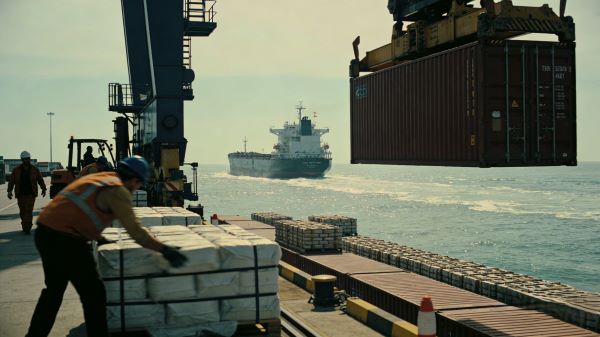
Common types of bulk cargo vessels include Handysize, Handymax, Panamax, Capesize, and Supramax, each with unique specifications and applicable scenarios. Selecting the appropriate type based on cargo characteristics and transportation routes is crucial.
Handysize vessels: With a deadweight tonnage (DWT) of 10,000-35,000 tons, these vessels are suitable for transporting small batches of bulk cargo such as agricultural products (wheat, corn) to ports with limited draft. They are often used for short-haul routes between neighboring countries.
Handymax vessels: With a DWT of 35,000-50,000 tons, they are more flexible than Handysize vessels and can carry larger volumes of cargo. They are commonly used for transporting minerals such as bauxite and agricultural products to medium-sized ports.
Supramax vessels: With a DWT of 50,000-60,000 tons, these vessels balance capacity and flexibility. They are widely used for transporting coal, iron ore, and grain, and can call at most major ports around the world.
Panamax vessels: With a DWT of 60,000-80,000 tons, they are designed to pass through the Panama Canal. They are suitable for long-haul routes between the Americas, Asia, and Europe, transporting large quantities of minerals and agricultural products.
Capesize vessels: With a DWT of over 100,000 tons, they are the largest bulk cargo vessels and are mainly used for transporting iron ore and coal on long-haul routes such as from Australia to China. They require deep-water ports for loading and unloading.
How to match vessel types with mineral and agricultural cargo characteristics
Matching vessel types with cargo characteristics is essential to ensure safe and efficient transportation. Different bulk goods have different physical and chemical properties, which require corresponding vessel designs and equipment.
The recommended approach is to first analyze the cargo’s density, moisture content, and flowability, then select a vessel with appropriate cargo holds, ventilation systems, and loading/unloading equipment. This can avoid cargo damage and improve transportation efficiency.
Mineral cargo (iron ore, coal): These goods are dense and have high weight per unit volume, so Capesize or Panamax vessels with large DWT are preferred. Vessels should be equipped with strong cargo holds and efficient ship’s cranes to handle large volumes quickly.
Agricultural cargo (grain, soybeans): These goods are prone to moisture and spoilage, so vessels with good ventilation systems and moisture-proof cargo holds are required. Handymax or Supramax vessels are often used, as they can provide more flexible scheduling for seasonal shipments.
Bulky mineral products (bauxite, limestone): These goods have irregular shapes and may require special cargo holds to prevent shifting during transit. Handymax or Supramax vessels with adjustable cargo hold partitions are suitable for such shipments.
What are the key steps in bulk cargo shipping vessel chartering
Bulk cargo shipping vessel chartering involves a series of complex steps, from market research to contract signing and post-charter management. Following a scientific process can help forwarders avoid risks and ensure smooth transportation.
How to conduct market research before chartering a vessel
Market research is the foundation of successful vessel chartering, as it helps forwarders understand market trends, vessel supply and demand, and price fluctuations. Comprehensive research can help select the most cost-effective charter plan.
According to Freightos Baltic Index (FBX) 2026 Q1 data, bulk cargo vessel charter rates fluctuate by an average of 16-21% per quarter, so timely market research is essential to lock in favorable rates.
Analyze market supply and demand: Check the current number of available bulk cargo vessels in the target route, as well as the volume of cargo waiting to be shipped. A surplus of vessels may lead to lower charter rates, while a shortage may drive rates up.
Monitor charter rate trends: Use data from FBX, Drewry, and other authoritative sources to track changes in charter rates over the past 3-6 months. Identify seasonal trends (e.g., higher rates during agricultural harvest seasons) to choose the best charter time.
Research port conditions: Understand the loading/unloading capacity, draft, and operational efficiency of the origin and destination ports. Ensure that the selected vessel can call at these ports and that loading/unloading can be completed on schedule.
Evaluate shipowner reputation: Research the shipowner’s safety record, vessel maintenance status, and on-time delivery rate. Choosing a reputable shipowner can reduce the risk of vessel breakdowns and delivery delays.
How to negotiate and sign a charter party agreement
The charter party agreement is a legally binding document that defines the rights and obligations of both the forwarder (charterer) and the shipowner. Careful negotiation and clear terms are essential to avoid disputes.
Forwarders should note that key terms in the charter party agreement must be clearly defined, including charter rate, laytime, demurrage, and cargo liability. Ambiguous terms may lead to disputes and additional costs.
Negotiate charter rate: Based on market research, put forward a reasonable charter rate and negotiate with the shipowner. Consider factors such as vessel type, route, and charter period. Long-term charters usually have lower rates than short-term charters.
Define laytime and demurrage: Laytime is the time allowed for loading and unloading cargo, while demurrage is the penalty for exceeding laytime. Clearly specify the laytime calculation method and demurrage rate to avoid disputes.
Clarify cargo liability: Specify the responsibilities of the shipowner for cargo damage, loss, or delay during transit. Include provisions for insurance coverage and compensation standards in case of accidents.
Include force majeure clauses: Define force majeure events (e.g., natural disasters, port strikes) and the corresponding responsibilities of both parties. This can protect both parties from losses caused by unforeseen events.
How to manage the charter process after signing the agreement
Post-charter management is crucial to ensure that the charter agreement is implemented smoothly and that any issues are resolved in a timely manner. Effective management can help avoid delays and additional costs.
The recommended approach is to assign a dedicated person to track the vessel’s status, coordinate with the shipowner and ports, and monitor the loading/unloading process. Regular communication with all parties can ensure that potential issues are identified and resolved early.
Track vessel position and status: Use real-time tracking tools to monitor the vessel’s location, speed, and estimated arrival time. This can help predict potential delays and adjust plans accordingly.
Coordinate loading/unloading arrangements: Communicate with the origin and destination ports in advance to ensure that loading/unloading equipment and personnel are ready. Provide the port with detailed cargo information to facilitate efficient operations.
Handle unexpected issues: In case of vessel breakdowns, port congestion, or bad weather, work with the shipowner to develop alternative plans. For example, arrange for a replacement vessel or adjust the delivery schedule.
Conduct post-charter review: After the completion of the shipment, review the charter process to identify areas for improvement. Analyze costs, delays, and other issues to optimize future chartering practices.
What are the common risks in bulk cargo vessel chartering and how to avoid them
Bulk cargo vessel chartering involves various risks, including market risks, operational risks, and legal risks. Understanding these risks and taking preventive measures can help forwarders minimize losses and ensure smooth transportation.
What are the main risks in bulk cargo vessel chartering
The main risks in bulk cargo vessel chartering include charter rate fluctuations, vessel delays, cargo damage, and legal disputes. These risks can arise from market changes, operational errors, or unforeseen events.
According to Drewry 2026 data (as of February 2026), 33% of bulk cargo chartering disputes are caused by ambiguous charter party terms, while 29% are due to vessel delays. This highlights the importance of risk prevention in chartering practices.
Charter rate fluctuation risk: Bulk cargo charter rates are affected by market supply and demand, fuel prices, and global economic conditions. Sudden rate increases can lead to higher transportation costs for forwarders.
Vessel delay risk: Delays can occur due to vessel breakdowns, bad weather, port congestion, or loading/unloading inefficiencies. Delays may result in demurrage costs and missed delivery deadlines for exporters.
Cargo damage risk: Bulk cargo may be damaged due to improper stowage, moisture, or physical impact during transit. This can lead to compensation claims from exporters and damage to the forwarder’s reputation.
Legal dispute risk: Disputes may arise between forwarders and shipowners due to ambiguous charter party terms, breach of contract, or differences in understanding of responsibilities.
How to avoid common risks in bulk cargo vessel chartering
Avoiding common risks in bulk cargo vessel chartering requires careful planning, effective communication, and strict contract management. Forwarders should take proactive measures to mitigate risks and protect their interests.
A common mistake is that some forwarders fail to conduct sufficient due diligence on the shipowner and vessel before chartering. This can lead to vessel breakdowns, cargo damage, and other unexpected issues.
Lock in charter rates through long-term agreements: For forwarders with stable cargo volumes, signing long-term charter agreements can lock in rates and avoid the impact of market fluctuations. This is particularly effective for major mineral and agricultural exporters with regular shipments.
Choose reputable shipowners and well-maintained vessels: Conduct thorough research on the shipowner’s safety record, vessel age, and maintenance history. Select vessels that have passed international safety certifications (such as IMO MARPOL) to reduce the risk of breakdowns.
Ensure proper cargo stowage and handling: Work with the shipowner to develop a detailed stowage plan based on the cargo’s characteristics. Ensure that the vessel is equipped with appropriate loading/unloading equipment and that personnel are trained in proper handling procedures.
Clarify contract terms and resolve disputes in a timely manner: Ensure that all terms in the charter party agreement are clear and unambiguous. In case of disputes, try to resolve them through negotiation or mediation before resorting to legal action.
How to optimize bulk cargo vessel chartering costs for exporters
Cost optimization is a key goal of bulk cargo vessel chartering for forwarders, as it directly affects their profit margins and ability to serve clients. By adopting scientific cost control measures, forwarders can reduce transportation costs while ensuring service quality.
What factors affect bulk cargo vessel chartering costs
Bulk cargo vessel chartering costs are affected by various factors, including charter rates, fuel prices, laytime, demurrage, and port charges. Understanding these factors can help forwarders identify cost-saving opportunities.
According to Shanghai Shipping Exchange 2026 Q1 data, fuel costs account for 36-41% of total chartering costs, while port charges account for 16-21%. This indicates that optimizing fuel consumption and port operations can significantly reduce costs.
Charter rates: The most direct factor affecting chartering costs, which is determined by market supply and demand, vessel type, and charter period.
Fuel prices: Fluctuations in global fuel prices affect the shipowner’s operating costs, which are often passed on to the charterer through fuel surcharges (bunker adjustment factor, BAF).
Laytime and demurrage: Exceeding laytime can lead to high demurrage costs, which are a major cost driver in bulk cargo chartering.
Port charges: Including loading/unloading fees, berthing fees, and pilotage fees, which vary by port and can significantly affect total costs.
What are the effective cost optimization strategies for chartering
Effective cost optimization strategies for bulk cargo vessel chartering include optimizing vessel selection, improving loading/unloading efficiency, and negotiating favorable contract terms. These strategies can help forwarders reduce costs without compromising service quality.
The recommended approach is to adopt a comprehensive cost management approach, considering all cost factors and balancing short-term and long-term benefits. This can help forwarders achieve sustainable cost optimization.
Optimize vessel selection: Choose a vessel with the appropriate DWT and loading/unloading efficiency for the cargo volume. Avoid renting a larger vessel than needed, as this will increase charter costs unnecessarily.
Improve loading/unloading efficiency: Coordinate with ports to optimize loading/unloading schedules and use efficient equipment. Reducing laytime can minimize demurrage costs and improve vessel utilization.
Negotiate favorable fuel surcharge terms: When signing the charter party agreement, negotiate a fixed fuel surcharge or a formula based on market fuel prices. This can avoid the impact of sudden fuel price increases.
Consolidate cargo shipments: For forwarders with multiple clients shipping bulk cargo to the same destination, consolidate shipments to fill the vessel’s cargo space. This can reduce the cost per unit of cargo and improve cost efficiency.
What are the emerging trends in bulk cargo shipping vessel chartering
The bulk cargo shipping vessel chartering industry is constantly evolving, driven by technological advancements, environmental regulations, and changes in global trade patterns. Forwarders who stay up-to-date with these trends can gain a competitive advantage.
How is technology transforming bulk cargo vessel chartering
Technology is playing an increasingly important role in bulk cargo vessel chartering, improving efficiency, transparency, and risk management. New technologies are changing the way forwarders conduct market research, track vessels, and manage charter processes.
AI-powered market analysis: Use artificial intelligence to analyze market data, predict charter rate trends, and identify the best charter opportunities. This can help forwarders make more informed decisions and lock in favorable rates.
Real-time vessel tracking: Use IoT sensors and GPS technology to track vessel position, speed, and cargo status in real-time. This provides forwarders and exporters with greater visibility and helps predict potential delays.
Digital charter platforms: Online platforms that connect forwarders with shipowners, enabling faster negotiation and contract signing. These platforms also provide access to market data and vessel information, improving efficiency.
Blockchain for contract management: Use blockchain technology to store and verify charter party agreements, reducing the risk of fraud and disputes. Blockchain also improves transparency and traceability in the charter process.
How are environmental regulations affecting bulk cargo vessel chartering
Environmental regulations are becoming increasingly strict around the world, affecting the design, operation, and chartering of bulk cargo vessels. Forwarders must adapt to these regulations to avoid non-compliance and additional costs.
According to UNCTAD 2026 data (as of March 2026), over 62% of bulk cargo vessels will need to comply with new environmental regulations by 2027, including lower sulfur emissions and improved energy efficiency. This will have a significant impact on chartering practices.
Sulfur emission regulations: International Maritime Organization (IMO) regulations require bulk cargo vessels to use low-sulfur fuel (with sulfur content not exceeding 0.5%) or install scrubbers to reduce sulfur emissions. This may increase fuel costs and affect charter rates.
Energy efficiency requirements: New regulations (such as IMO’s EEXI and CII) require vessels to improve energy efficiency, which may lead to the phasing out of older, less efficient vessels. Forwarders may need to charter newer vessels with higher energy efficiency, which may have higher charter rates.
Carbon neutrality goals: Many countries and companies have set carbon neutrality goals, which are driving the adoption of alternative fuels (e.g., LNG, hydrogen) in bulk cargo shipping. Forwarders may need to consider the environmental impact of vessels when chartering.
For major mineral and agricultural exporters, bulk cargo shipping vessel chartering is a critical component of their global supply chain. By understanding the key principles of chartering, selecting the right vessel type, managing risks effectively, and optimizing costs, forwarders can provide reliable and efficient transportation services. Staying up-to-date with emerging trends and adapting to environmental regulations will also help forwarders remain competitive in the ever-changing bulk cargo shipping industry. Ultimately, mastering bulk cargo shipping vessel chartering practices is essential for forwarders to meet the needs of their clients and succeed in the global trade market.
Last
Critical reefer container shipping temperature errors that ruin perishable cargo ocean voyages
Perishable cargo relies on precise temperature control to maintain its value and usability during ocean transit, and reefer contai
Next
When Flights Aren't Enough: Executing and Activating Air Charter Contingencies
In the fast-paced world of global freight forwarding, unforeseen disruptions often render regular air cargo services inadequate. A
