Expanding into Africa: Operational Insights for Vohemar and Major Port Transshipments
Freight Solutions
 21-May-2026
As global forwarders seek to tap into Africa’s growing trade potential, understanding African Port Transshipment is critical to unlocking efficient supply chains. This article explores operational nuances of Vohémar Port and key African transshipment hubs, offering actionable insights to navigate challenges and capitalize on opportunities.
What Is African Port Transshipment and Why Does It Matter for Global Forwarders?
African Port Transshipment refers to the process of transferring cargo between vessels at an African port, connecting origin and destination routes that lack direct shipping services. It is a cornerstone of African trade, enabling global forwarders to reach landlocked nations and smaller feeder ports efficiently.
Latest Trade Data Highlighting Transshipment Importance
According to WTO 2025 data, Africa’s exports are projected to grow by 6.1%, the fastest rate globally, making transshipment increasingly vital for forwarders looking to expand their footprint on the continent. China-Africa trade reached 3481 billion US dollars in 2025, as reported by China’s General Administration of Customs, further underscoring the need for robust transshipment strategies. In the first quarter of 2026 alone, China-Africa trade volume reached 646.56 billion yuan, a year-on-year increase of 23.7%, reflecting the growing demand for efficient transshipment solutions.
Key Considerations for Forwarders in African Transshipment
Forwarders should note that African Port Transshipment is not a one-size-fits-all solution; success depends on understanding regional differences in infrastructure, regulations, and market dynamics. Unlike transshipment in more mature markets, African hubs often face unique challenges, from shallow drafts to inconsistent customs clearance procedures, which require tailored operational approaches.
The recommended approach is to prioritize transshipment hubs that align with your client’s cargo type and destination. For example, Vohémar Port in Madagascar serves as a key gateway for agricultural exports, while larger hubs like Mombasa and Durban cater to a broader range of cargo, including full container load (FCL), less than container load (LCL), and bulk goods. By matching hub capabilities to cargo needs, forwarders can minimize port detention and reduce overall logistics costs.
What Makes Vohémar Port a Unique Player in African Port Transshipment?
Vohémar Port, located on Madagascar’s northeastern coast, is a specialized transshipment hub focused on agricultural cargo, with unique strengths and limitations that forwarders must consider. Its strategic location in the Indian Ocean makes it a viable option for connecting to East African and Asian markets, particularly for time-sensitive agricultural commodities.
Cargo Specialization of Vohémar Port
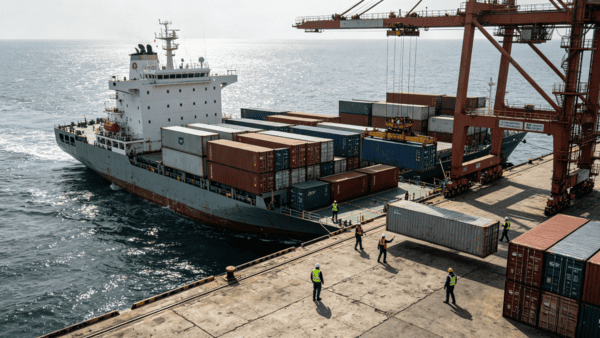
One of Vohémar’s primary characteristics is its cargo focus: the port handles core exports including vanilla, cloves, and lychee, along with imports such as agricultural machinery, construction materials, and consumer goods, according to World Ports Directory 2025 data. This specialization makes it an ideal transshipment point for forwarders managing breakbulk agricultural cargo to or from Madagascar and neighboring regions, such as the Comoros and Seychelles.
Infrastructure Constraints and Operational Limitations
However, Vohémar faces notable infrastructure constraints. The port is relatively shallow compared to major African hubs, with draft restrictions that require vessels with deeper drafts to moor at anchorage points off the coast, relying on barges for cargo transshipment. Cargo handling equipment is basic, including shore cranes and forklifts, and facilities for containerized cargo are still developing, which can impact loading and unloading efficiency.
A common mistake is assuming Vohémar can handle large container volumes or heavy bulk cargo. Forwarders should note that the port’s limitations make it better suited for breakbulk agricultural goods rather than large-scale container transshipment. Overlooking these constraints can lead to costly delays, missed sailings, and damaged cargo, particularly for perishable commodities.
The recommended approach for leveraging Vohémar Port is to partner with local freight forwarders and logistics agents who understand the port’s operational nuances. Local agents can provide real-time updates on draft conditions, coordinate anchorage and barge services for deeper-draft vessels, and navigate local logistics challenges. This partnership ensures that cargo moves smoothly through the port, even with its infrastructure limitations.
Which Major African Ports Are Key for Transshipment, and How Do They Compare?
Beyond Vohémar, several major African ports serve as critical transshipment hubs, each with distinct capabilities, challenges, and market focuses. These hubs are essential for forwarders looking to cover broad regions of Africa, including landlocked countries that rely entirely on transshipment for their import and export activities.
Mombasa Port (Kenya): A leading East African transshipment hub, Mombasa handles over 90% of import and export cargo for landlocked countries like Ethiopia, South Sudan, and Uganda. According to UNCTAD 2025 data, Mombasa’s transshipment volume increased by 5.7% in 2024, driven by growing trade in East Africa. It offers modern container handling facilities, including gantry cranes and container yards, but faces challenges with rail connectivity and occasional port congestion during peak seasons.
Durban Port (South Africa): The busiest port in Southern Africa, Durban handles 60% of South Africa’s import and export cargo and serves as a transshipment hub for the Southern African Development Community (SADC). However, it struggles with port inefficiencies, with an average detention time of 6.2 days in 2025, as noted in the South African Port Operations Report 2025. Forwarders often use Durban for bulk cargo transshipment, particularly minerals and agricultural products, due to its deep-water berths.
Onne Port (Nigeria): A modern deep-water industrial port in West Africa, Onne specializes in oil and gas equipment and manufacturing raw materials. It features dedicated bulk terminals, bonded warehouses, and multimodal connections to Nigeria’s rail network. Challenges include inconsistent customs inspection standards and scattered local agent resources, which require careful coordination to avoid delays.
Lome Port (Togo): A rising transshipment hub in West Africa, Lome benefits from its free trade zone status and access to ECOWAS markets. It serves as a gateway for Chinese light industrial goods, construction materials, and used vehicles entering West Africa. Its strengths include preferential berthing rights for partner carriers and streamlined customs procedures for certain cargo types, reducing clearance time by 30% compared to other West African ports.
Conakry Port (Guinea): An emerging transshipment hub in West Africa, Conakry Port achieved a container throughput of 416,892 TEUs in 2025, marking a significant milestone in its infrastructure modernization efforts. It serves as a key gateway for Guinea’s mineral exports and is increasingly used for transshipment to neighboring West African countries.
Forwarders should note that each of these hubs caters to different regional markets and cargo types. For example, Mombasa is ideal for East African transshipment, while Durban focuses on Southern Africa, and Onne, Lome, and Conakry serve West African needs. Understanding these differences allows forwarders to select the most efficient hub for each client’s requirements, rather than relying on a single hub for all African transshipment needs.
How Can Forwarders Overcome Infrastructure Challenges in African Port Transshipment?
Infrastructure limitations are among the most significant challenges in African Port Transshipment, ranging from shallow drafts and outdated equipment to poor inland connectivity. Addressing these challenges requires proactive planning and strategic partnerships with local logistics stakeholders.
Conduct Pre-Shipment Infrastructure Assessments: Before selecting a transshipment hub, verify key infrastructure details such as draft limits, cargo handling equipment availability, and storage capacity. For Vohémar, this means confirming anchorage options for deeper-draft vessels and checking the availability of specialized equipment for agricultural cargo. The recommended approach is to use port official website data or local agent insights for the most accurate, up-to-date information.
Partner with Local Logistics Providers: Local agents and logistics firms have firsthand knowledge of port operations, including workaround solutions for infrastructure gaps. For example, in Vohémar, local partners can arrange barge services to transfer cargo from deep-draft vessels to the port’s shallow berths. In Mombasa, local providers can coordinate rail or truck transport to bypass inland connectivity issues.
Optimize Cargo Packaging and Loading: Given the variable equipment quality in some African ports, forwarders should use durable packaging that can withstand manual handling (common in ports with limited mechanization). For Vohémar’s agricultural cargo, this means using moisture-resistant packaging to protect perishables during transshipment. A common mistake is using packaging designed for modern, fully mechanized ports, which can lead to damage in African hubs with basic equipment.
Plan for Contingency Hubs: Infrastructure disruptions, such as port congestion or equipment breakdowns, are common in African ports. Forwarders should identify alternative transshipment hubs for each route to avoid delays. For example, if Durban is congested, forwarders can use Cape Town or Port Elizabeth as backup options for Southern African transshipment.
According to UNCTAD’s 2025 Maritime Transport Assessment Report, global ports are under pressure to modernize, but many African ports lag behind in digitalization and infrastructure upgrades. This means forwarders must take a proactive approach to infrastructure challenges, rather than relying on port authorities to resolve issues.
How to Navigate Customs and Regulatory Complexities in African Port Transshipment?
Customs and regulatory inconsistencies across African countries are major barriers to efficient African Port Transshipment, with varying documentation requirements, inspection protocols, and tariff structures that can cause costly delays and cargo detention.
Regional Differences in Customs Procedures
Forwarders should note that customs procedures vary widely even between neighboring countries. For example, Nigeria requires pre-shipment inspections (PSI) and specific documentation for agricultural and industrial goods, while Kenya mandates compliance with KEBS (Kenya Bureau of Standards) certifications for certain products. Failing to understand these differences can result in cargo detention, fines, or even seizure by local customs authorities.
Invest in Regional Regulatory Knowledge: Train teams on the specific customs requirements of key African countries or partner with local compliance experts. This includes understanding documentation needs (such as certificates of origin, MSDS, and import permits) and tariff classifications. The recommended approach is to maintain a database of regulatory updates for each transshipment hub, as requirements can change frequently.
Implement Pre-Compliance Checks: Before cargo departs the origin port, verify that all documentation is complete and compliant with the destination country’s requirements. For transshipment through Vohémar, this includes confirming that agricultural cargo meets Madagascar’s phytosanitary standards and that all export documents are properly authenticated. A common mistake is rushing documentation, which leads to errors and delays at customs.
Leverage Digital Customs Platforms: Many African countries are adopting digital customs systems, such as single-window platforms, to streamline processes. Forwarders should use these platforms to submit documentation electronically, reducing processing times. For example, Kenya’s electronic customs system (iCMS) allows for pre-clearance of cargo, minimizing delays at Mombasa Port.
Build Relationships with Customs Authorities: Establishing positive relationships with local customs officials can help resolve issues quickly. Local agents can facilitate these relationships, as they have existing connections and understand the nuances of customs enforcement in each country. This is particularly valuable in ports with inconsistent inspection standards, such as Onne Port in Nigeria.
According to ITC Trade Map 2025 data, customs delays account for 28% of total transit time in African Port Transshipment, highlighting the importance of proactive regulatory compliance. By prioritizing compliance and building local relationships, forwarders can significantly reduce these delays and improve client satisfaction.
What Strategies Improve Cost Efficiency in African Port Transshipment?
Cost efficiency is a key concern for forwarders operating in African Port Transshipment, with factors like port fees, carrier rates, and inland transport costs contributing to overall expenses. Implementing targeted strategies can help reduce costs without compromising service quality.
Holistic Cost-Management Approach
The recommended approach is to adopt a holistic cost-management strategy that considers all stages of the transshipment process, from carrier selection to inland delivery. This involves balancing short-term cost savings with long-term reliability, as choosing the cheapest option can often lead to higher costs from delays or damage.
Negotiate Volume-Based Rates with Carriers: Many shipping lines offer discounted rates for forwarders with consistent transshipment volume. For example, forwarders handling regular cargo through Mombasa or Durban can negotiate lower rates by committing to a certain number of TEUs per month. Forwarders should note that volume-based rates are often more favorable than spot rates, particularly in volatile markets.
Optimize Cargo Consolidation: Consolidating smaller shipments into larger containers or bulk loads can reduce per-unit transshipment costs. This is particularly effective for Vohémar’s agricultural cargo, where consolidating multiple small consignments of vanilla or cloves can lower port fees and carrier charges. A common mistake is shipping small consignments individually, which increases costs and reduces efficiency.
Minimize Detention and Demurrage Fees: Detention and demurrage fees are a significant cost driver in African ports, often resulting from delays in cargo pickup or documentation errors. Forwarders can reduce these fees by coordinating closely with local agents to ensure timely cargo delivery and by submitting documentation well in advance of arrival. For example, in Durban, where average detention time is 6.2 days in 2025, pre-clearance can help avoid extended storage fees.
Choose the Right Inland Transport Partners: Inland transport costs can account for up to 40% of total transshipment costs in Africa, according to industry estimates. Forwarders should partner with reliable inland transport providers who offer competitive rates and timely delivery. For example, in East Africa, partnering with providers that have access to Mombasa’s rail network can reduce road transport costs and delays.
According to the Freightos Baltic Index (FBX) 2025 data, shipping rates from Shanghai to West Africa increased by 42% in the first quarter of 2026, reaching $4,892 per TEU, while rates to South Africa rose by 38% to $4,758 per TEU. These cost increases make it even more critical for forwarders to implement efficient cost-management strategies to remain competitive. Additionally, the Shanghai Shipping Exchange reported that China’s export container comprehensive运价 index averaged 1084.95 points in February 2026, reflecting ongoing market volatility.
How to Mitigate Risks in African Port Transshipment?
African Port Transshipment involves a range of risks, including geopolitical instability, cargo theft, weather-related disruptions, and regulatory changes. Forwarders must implement risk-mitigation strategies to protect their clients’ cargo and maintain service reliability.
Region-Specific Risk Assessment
Forwarders should note that risk mitigation in African transshipment requires a proactive, region-specific approach. Risks vary significantly across the continent: for example, West Africa faces higher rates of cargo theft, while East Africa is more prone to weather-related disruptions, such as cyclones that can impact ports like Mombasa.
Invest in Cargo Insurance: Comprehensive cargo insurance is essential for mitigating risks in African Port Transshipment. This includes coverage for damage, theft, detention, and delays. The recommended approach is to work with insurance providers that specialize in African trade, as they understand the unique risks of the region, such as piracy in the Gulf of Guinea and political unrest in certain countries.
Monitor Geopolitical and Weather Conditions: Stay updated on geopolitical developments, such as political unrest or trade restrictions, that could impact transshipment routes. For example, Red Sea and Strait of Hormuz tensions in 2025 forced vessels to reroute, increasing transit times and costs. Similarly, monitor weather conditions, particularly during cyclone season in the Indian Ocean, which can disrupt operations at Vohémar and Mombasa.
Implement Real-Time Cargo Tracking: Real-time tracking systems (such as GPS and IoT-enabled devices) allow forwarders to monitor cargo throughout the transshipment process, enabling quick response to delays or disruptions. Many local agents offer tracking services, and forwarders can also use digital platforms to share tracking information with clients. This transparency helps build trust and allows for proactive problem-solving.
Diversify Transshipment Routes: Relying on a single transshipment hub or route increases vulnerability to disruptions. Forwarders should diversify their routes, using multiple hubs to spread risk. For example, if Mombasa is affected by a cyclone, forwarders can redirect cargo through Dar es Salaam or Djibouti.
UNCTAD’s 2025 report warns that global maritime trade is entering a period of increased uncertainty, with geopolitical tensions and climate change driving up risks. For forwarders operating in Africa, this means risk mitigation is no longer optional but a critical component of successful transshipment operations.
What Future Trends Will Shape African Port Transshipment?
African Port Transshipment is evolving rapidly, driven by infrastructure investments, digitalization, and changing global trade patterns. Forwarders who stay ahead of these trends will be better positioned to capitalize on growth opportunities and maintain a competitive edge.
Global Trade Outlook and African Market Potential
According to UNCTAD 2025 data, global maritime trade is projected to grow by only 0.5% in 2025, the slowest rate in recent years. However, Africa’s trade growth is expected to outpace the global average, with a projected growth rate of 6.1% in 2025, making it a key market for forwarders. China’s continued investment in African infrastructure, through initiatives like the Belt and Road, is further boosting transshipment demand.
Digitalization of Port Operations: More African ports are adopting digital technologies, such as port community systems (PCS) and electronic documentation, to streamline transshipment processes. For example, Mombasa Port is implementing a digital tracking system to reduce congestion and improve efficiency, while Durban Port is piloting blockchain technology for cargo documentation.
Infrastructure Investments: Governments and international organizations are investing in African port infrastructure to address limitations. For example, Madagascar is exploring upgrades to Vohémar Port’s cargo handling facilities to accommodate more containerized cargo, while Guinea has completed significant upgrades to Conakry Port, increasing its container throughput to over 400,000 TEUs in 2025. These investments will expand transshipment capacity and improve efficiency in the coming years.
Regional Integration: African regional trade blocs, such as ECOWAS and SADC, are working to harmonize customs procedures and improve cross-border connectivity. This will reduce regulatory inconsistencies and make transshipment across regional borders more efficient. Forwarders should leverage these integration efforts to expand their service offerings across multiple African countries.
Focus on Sustainability: The global shipping industry is moving toward decarbonization, and African ports are beginning to adopt sustainable practices. This includes investments in green energy (such as solar-powered cargo handling equipment) and eco-friendly port operations. Forwarders should consider sustainability when selecting transshipment hubs, as clients are increasingly prioritizing environmentally responsible supply chains.
The recommended approach is to stay informed about these trends and adapt strategies accordingly. For example, investing in digital tools to leverage port digitalization, or partnering with hubs that are undergoing infrastructure upgrades, can help forwarders remain competitive in a changing market.
Expanding into Africa’s transshipment market requires a deep understanding of regional nuances, proactive planning, and strategic partnerships. By focusing on Vohémar’s specialized capabilities and leveraging the strengths of major African hubs, forwarders can navigate challenges and unlock the continent’s growing trade potential. African Port Transshipment is not without its complexities, but with the right insights and strategies, forwarders can build reliable, efficient supply chains that drive growth for both their business and their clients.

Last
Deep Dive into African Logistics: Avoiding Delays in Key Regional Transshipment Hubs
As global freight forwarders tap into Africa’s growing trade potential, mastering African Port Transshipment is essential to minim
Next
The Flexibility of Rail: How LCL Solutions Accelerate Cross-Border Trade Efficiency
In an era of volatile global supply chains, Europe Rail LCL has emerged as a flexible and reliable solution for forwarders navigat
