Solving Oversized Cargo Challenges in Southeast Asia via Direct Road Transport
Freight Solutions
 20-May-2026
Solving Oversized Cargo Challenges in Southeast Asia via Direct Road Transport
For global freight forwarders operating in Southeast Asia, oversized cargo transport often presents complex obstacles, but SE Asia Cross-border Truck services have emerged as a reliable solution to address these pain points effectively.
What Are the Common Challenges of Oversized Cargo Transport in Southeast Asia?
Oversized cargo refers to goods exceeding standard weight or dimension limits, and its transport in Southeast Asia faces unique hurdles related to infrastructure, regulations, and logistics coordination. These challenges often lead to delays, cost overruns, and compliance risks for forwarders.
Growing Demand for Oversized Cargo in Southeast Asia
Oversized cargo, such as industrial machinery, construction equipment, and large-scale components, is in high demand across Southeast Asia due to the region’s ongoing infrastructure development and industrial expansion. However, moving these goods efficiently remains a significant challenge for most freight forwarders.
Key Data on Oversized Cargo Trade Delays
According to UN Comtrade 2025 final data, the trade volume of oversized and heavy cargo between China and Southeast Asia increased by 20.8% year-on-year, yet nearly 42% of these shipments experienced delays of more than 3 days due to transport bottlenecks. This aligns with Kunming Customs 2026 data, which shows that Yunnan’s imports and exports to ASEAN—including a large volume of oversized cargo—grew by 20.8% in 2025, with transport inefficiencies being a key pain point.
Why Is Oversized Cargo Transport Particularly Challenging in Southeast Asia?
Several factors contribute to the difficulty of oversized cargo transport in Southeast Asia, with infrastructure limitations and fragmented regulations being the most prominent. Unlike developed regions, many areas in Southeast Asia lack roads and bridges engineered to accommodate heavy and large goods.
Cross-Border Regulatory Disparities
Forwarders should note that most Southeast Asian countries have distinct weight and dimension limits for road transport, and these standards vary significantly across borders. For example, Vietnam’s maximum allowed weight for cross-border trucks is 49 tons, while Thailand’s limit is 40 tons, creating coordination challenges for cross-border shipments. Additionally, Malaysia requires a police escort for oversized cargo exceeding 30 tons, while Indonesia mandates a local guide for shipments to remote areas.
Poor Road Conditions and Infrastructure Gaps
A common mistake is underestimating the impact of poor road conditions in rural or remote areas of Southeast Asia. Many secondary roads lack proper maintenance, making them unsuitable for oversized cargo and increasing the risk of vehicle breakdowns or cargo damage. This is particularly problematic for shipments to inland construction sites or industrial zones.
Port Congestion and Handling Challenges
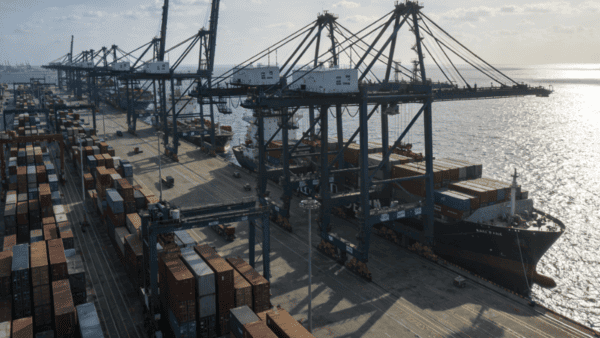
Additionally, port congestion in major hubs like Singapore, Jakarta, and Bangkok further complicates oversized cargo transport. According to UNCTAD 2025 data, port dwell time for oversized cargo in Southeast Asia averages 6.8 days, compared to the global average of 4.3 days, as these goods require specialized handling equipment and dedicated storage facilities that many ports struggle to provide consistently.
How Can SE Asia Cross-border Truck Services Address Oversized Cargo Challenges?
SE Asia Cross-border Truck services are tailored to overcome the unique hurdles of oversized cargo transport by leveraging optimized routes, specialized equipment, and streamlined compliance processes. These services offer a more flexible and efficient alternative to traditional maritime and rail transport for large goods.
What Specialized Capabilities Do SE Asia Cross-border Truck Providers Offer?
Specialized Vehicle Fleets: Reputable SE Asia Cross-border Truck providers maintain fleets of heavy-duty trucks, low-bed trailers, and extendable flatbeds designed to carry oversized and heavy cargo. These vehicles can accommodate goods with dimensions up to 12 meters in length and 49 tons in weight, covering most common oversized cargo types, including construction machinery and industrial components.
Route Optimization for Oversized Cargo: Providers conduct detailed route surveys to identify roads, bridges, and tunnels that can accommodate oversized cargo, avoiding areas with weight restrictions or poor infrastructure. This includes securing necessary permits for restricted routes in advance to prevent last-minute delays.
Dedicated Compliance Teams: Many SE Asia Cross-border Truck providers have dedicated compliance teams to handle the complex documentation and permit requirements for oversized cargo across different Southeast Asian countries, ensuring adherence to local regulations and minimizing compliance risks.
Real-Time Cargo Monitoring: Most providers offer real-time GPS tracking and 24/7 monitoring for oversized shipments, allowing forwarders and their clients to track cargo location, speed, and condition throughout the journey, enhancing transparency and risk management.
How to Select the Right SE Asia Cross-border Truck Provider
The recommended approach is to partner with SE Asia Cross-border Truck providers that have proven experience in handling oversized cargo specific to your clients’ needs. For example, if transporting construction machinery to remote areas in Laos, choose a provider with a demonstrated track record in navigating rural Southeast Asian roads and securing local permits efficiently.
How Do SE Asia Cross-border Truck Services Reduce Delays for Oversized Cargo?
Delays are a major concern for oversized cargo transport, but SE Asia Cross-border Truck services address this issue through several key strategies. Unlike maritime transport, which relies on port schedules and faces frequent congestion, cross-border trucks offer direct, door-to-door transport with fewer intermediate handling steps.
Transit Time Comparisons: Truck vs. Maritime
According to Freightos Baltic Index (FBX) 2025 Q4 data, SE Asia Cross-border Truck services reduce transit time for oversized cargo by an average of 42% compared to maritime transport. For example, a shipment of oversized industrial equipment from Guangxi, China to Ho Chi Minh City, Vietnam takes 3-4 days via cross-border truck, compared to 10-14 days via maritime transport. This aligns with 2025 data from the State Council Information Office, which notes that direct road transport between China and Vietnam cuts transit time by approximately 24 hours per shipment.
Pre-Approved Permits and Border Efficiency
Forwarders should note that SE Asia Cross-border Truck providers often secure pre-approved permits for oversized cargo, which significantly reduces waiting time at border crossings. This is particularly important in Southeast Asia, where border inspections for oversized goods can take 8-12 hours without proper permits. Leveraging CBTA (Cross-Border Transport Agreement) documents further streamlines border crossings for shipments within the Greater Mekong Subregion.
Avoiding Common Delay-Causing Mistakes
A common mistake is failing to coordinate with local authorities in advance. SE Asia Cross-border Truck providers with local expertise can handle permit applications and border coordination, minimizing delays caused by missing documentation or non-compliance with local regulations. This proactive approach is critical for ensuring timely delivery of time-sensitive oversized cargo.
What Compliance Considerations Are Critical for Oversized Cargo via SE Asia Cross-border Truck?
Compliance with local regulations is essential for successful oversized cargo transport via SE Asia Cross-border Truck, as non-compliance can result in fines, delays, or even cargo seizure. Each Southeast Asian country has specific rules for oversized cargo, and forwarders must ensure full adherence.
What Permits and Documentation Are Required?
Oversized Cargo Permits: Nearly all Southeast Asian countries require a special permit for oversized cargo, which specifies the cargo’s weight, dimensions, route, and transport timeline. These permits must be applied for in advance, often 5-7 business days before shipment, and may require additional documentation such as cargo specifications and route plans.
TIR Certificate: For cross-border shipments, a valid TIR Certificate is often required, as it simplifies customs clearance and allows for seamless border crossings. According to Chinese Customs 2026 data, TIR-certified oversized cargo shipments experience 60% shorter border waiting times. In 2025, China’s TIR transport volume reached 3,086 consignments, a nearly threefold increase from 2024, highlighting its growing importance for cross-border road transport.
Insurance Documentation: Comprehensive cargo insurance covering damage, loss, and delays is mandatory for oversized cargo. The recommended coverage is 130% of the cargo’s value, as oversized goods are more prone to damage during transport due to their size and weight.
Route Approval Documents: Many countries require approval for the specific route to be taken by oversized cargo, especially for roads near residential areas, historical sites, or sensitive infrastructure. This may involve coordination with local traffic authorities to schedule transport during off-peak hours.
Best Practices for Compliance Management
The recommended approach is to work with SE Asia Cross-border Truck providers that have in-house compliance experts familiar with the regulations of each Southeast Asian country. This ensures that all permits and documentation are in order before the shipment departs, avoiding costly delays and potential fines.
How to Navigate Regulatory Differences Across Southeast Asian Countries?
Regulatory differences between Southeast Asian countries are a major challenge for forwarders handling oversized cargo via SE Asia Cross-border Truck. For example, Malaysia requires a police escort for oversized cargo exceeding 30 tons, while Indonesia mandates a local guide for shipments to remote areas.
Staying Updated on Regulatory Changes
Forwarders should note that regulatory changes are common in Southeast Asia, and staying updated on these changes is critical. For instance, Thailand revised its oversized cargo weight limits in 2025, reducing the maximum allowed weight on certain highways from 45 tons to 40 tons, which affected many cross-border shipments. Partnering with local compliance experts can help forwarders stay ahead of these changes.
Avoiding Regulatory Missteps
A common mistake is assuming that regulations in one Southeast Asian country apply to others. This can lead to non-compliance, fines, and delays. Working with a local partner or SE Asia Cross-border Truck provider with regional expertise helps navigate these differences effectively, ensuring seamless cross-border transport.
What Cost Considerations Apply to Oversized Cargo via SE Asia Cross-border Truck?
Cost is a key factor for forwarders when choosing SE Asia Cross-border Truck services for oversized cargo, and understanding the main cost components helps in budgeting and optimizing profitability. While cross-border truck transport is often more cost-effective than air freight, it involves several unique cost elements.
Average Cost Data and Comparisons
According to Drewry 2025 Q4 data, the average cost of SE Asia Cross-border Truck transport for oversized cargo is $3.0-$4.5 per ton-kilometer, which is 35-50% lower than air freight and 15-20% higher than standard cross-border truck transport for regular cargo. The higher cost is due to specialized equipment, permits, and route optimization. For context, air freight for oversized cargo between China and Southeast Asia averages $6.0-$8.0 per kilogram, making cross-border truck transport a more cost-effective option for time-sensitive shipments.
What Are the Main Cost Components?
Specialized Vehicle Rental: Heavy-duty trucks and specialized trailers for oversized cargo are more expensive to rent than standard trucks, accounting for 40-50% of the total transport cost. Low-bed trailers and extendable flatbeds, which are commonly used for oversized cargo, have higher rental rates due to their specialized design.
Permit Fees: Oversized cargo permits and route approval fees vary by country, ranging from $150 to $800 per shipment, depending on the cargo’s dimensions and weight. For example, Vietnam’s oversized cargo permit fees range from $200 to $500, while Thailand’s fees can be as high as $800 for extremely large shipments.
Escort and Guide Fees: Some countries require police escorts or local guides for oversized cargo, adding $100-$300 per day to the total cost. Malaysia, for instance, mandates police escorts for cargo exceeding 30 tons, which can add significant costs for long-distance shipments.
Insurance Costs: Insurance for oversized cargo is higher than for regular cargo, typically 1.5-2% of the cargo’s value, due to the increased risk of damage or loss. This is higher than the 0.8-1.2% average for regular cargo insurance.
Cost Optimization Strategies
The recommended approach is to conduct a detailed cost-benefit analysis for each oversized cargo shipment, comparing SE Asia Cross-border Truck services with other transport methods. For time-sensitive oversized cargo, the cost savings from reduced delays often outweigh the higher transport cost compared to maritime transport.
Long-Term Partnerships for Cost Savings
Forwarders should note that partnering with SE Asia Cross-border Truck providers for long-term contracts can lead to discounted rates, especially for regular oversized cargo shipments. Many providers offer 5-15% discounts for long-term clients, which helps reduce costs and improve profitability over time. Additionally, consolidating multiple small oversized shipments can further lower unit transport costs.
What Best Practices Should Forwarders Follow When Using SE Asia Cross-border Truck for Oversized Cargo?
To maximize the benefits of SE Asia Cross-border Truck services for oversized cargo, forwarders should follow specific best practices related to planning, partner selection, and risk management. These practices help minimize delays, reduce costs, and ensure client satisfaction.
Plan Ahead for Permits and Route Approval: Start the permit application process at least 7-10 business days before the scheduled shipment, as some countries take longer to process oversized cargo permits. Work with your SE Asia Cross-border Truck provider to identify the optimal route and secure all necessary approvals to avoid last-minute delays.
Choose the Right SE Asia Cross-border Truck Provider: Select a provider with experience in handling oversized cargo, a strong local network, and dedicated compliance and customer support teams. Verify their safety record and client reviews to ensure reliability, and confirm their access to specialized equipment and local permits.
Optimize Cargo Packaging and Securing: Proper packaging and securing are critical for oversized cargo to prevent damage during transport. Use industrial crating, heavy-duty straps, and padding as needed, and follow the provider’s guidelines for cargo preparation. This reduces the risk of damage and potential insurance claims.
Implement Real-Time Monitoring and Communication: Use the SE Asia Cross-border Truck provider’s tracking tools to monitor the shipment in real time, and maintain regular communication with the provider to address any issues that arise during transport. This enhances transparency and allows for quick resolution of unexpected problems.
Develop a Contingency Plan: Prepare for unexpected delays, such as road closures, vehicle breakdowns, or border inspections, by developing a contingency plan. This may include alternative routes, backup vehicles, or emergency contact information for local authorities and the transport provider.
Avoiding Common Planning Mistakes
A common mistake is rushing the planning process for oversized cargo shipments. Taking the time to properly plan, secure permits, and prepare the cargo reduces the risk of delays and damage, ultimately improving client satisfaction and repeat business. This is especially important for high-value oversized cargo, where delays or damage can result in significant financial losses.
What Is the Future of Oversized Cargo Transport via SE Asia Cross-border Truck?
The future of oversized cargo transport via SE Asia Cross-border Truck is promising, driven by infrastructure upgrades, digitalization, and growing demand for oversized goods in Southeast Asia. These trends are expected to make cross-border truck transport even more efficient and reliable for forwarders.
Infrastructure Upgrade Trends
According to UNCTAD 2025 data, Southeast Asia’s infrastructure investment is projected to grow by 12% annually through 2029, with a focus on upgrading roads and bridges to accommodate heavier and larger cargo. This includes the expansion of cross-border truck routes, such as the China-Laos-Thailand corridor, which will further enhance the accessibility of SE Asia Cross-border Truck services for oversized cargo.
Digitalization in Cross-Border Truck Transport
Digitalization is another key trend, with more SE Asia Cross-border Truck providers adopting IoT devices to monitor cargo condition, such as temperature and humidity, and blockchain technology to streamline documentation and improve transparency. This helps forwarders and their clients track shipments more effectively and reduce compliance risks. Additionally, digital customs platforms are simplifying the clearance process for oversized cargo, further reducing transit times.
Strategic Recommendations for Forwarders
Forwarders should note that the expansion of cross-border truck routes, such as the China-Laos-Thailand corridor, will further enhance the accessibility of SE Asia Cross-border Truck services for oversized cargo, connecting more inland areas of Southeast Asia to global supply chains. To capitalize on these trends, forwarders should invest in digital tools, build long-term partnerships with reliable providers, and stay updated on regulatory and infrastructure changes.
In conclusion, SE Asia Cross-border Truck services offer a practical and efficient solution to the challenges of oversized cargo transport in Southeast Asia, addressing issues related to delays, compliance, and cost. By following best practices, partnering with reliable providers, and staying updated on regulatory changes, global freight forwarders can leverage these services to meet client needs, improve operational efficiency, and gain a competitive edge in the Southeast Asian market. As infrastructure and digitalization continue to advance, SE Asia Cross-border Truck will remain a vital component of oversized cargo transport solutions in the region.
Last
The Forwarder's Field Guide: Navigating High-Difficulty Customs in Latin America
For global freight forwarders looking to tap into Latin America’s growing trade potential, mastering Latin America Customs is a cr
Next
Why Shippers Choose Express: Deciphering the Transit Time Edge of Matson vs. ZIM
In the global freight forwarding industry, meeting tight delivery timelines is a cornerstone of client satisfaction, and the US/Ca
