How to Optimize General Cargo Shipping: A Deep Dive into Tax-Inclusive DDP Solutions
Freight Solutions
 19-May-2026
In the complex landscape of global logistics, general cargo forwarders are constantly seeking efficient, cost-effective shipping solutions, and General Cargo Sea DDP (Delivered Duty Paid) has emerged as a reliable option to streamline operations and enhance client satisfaction. This article explores how to optimize general cargo shipping through in-depth analysis of tax-inclusive DDP solutions, addressing key challenges and providing actionable strategies for forwarders worldwide.
What Is General Cargo Sea DDP, and Why Is It Valuable for Forwarders?
General Cargo Sea DDP refers to a shipping arrangement where the seller (or forwarder acting on their behalf) assumes full responsibility for transporting general cargo via sea, handling both origin and destination customs clearance, and covering all taxes and duties until delivery to the buyer’s named place of destination. According to the International Chamber of Commerce (ICC) Incoterms 2020, DDP places the maximum liability on the seller, making it a comprehensive solution for clients seeking hassle-free international shipping. For forwarders, this service adds value by reducing clients’ administrative workload and minimizing disputes related to customs clearance and taxation.
General cargo—encompassing non-hazardous, non-perishable commodities such as textiles, electronics, furniture, and consumer goods—accounts for a significant share of global sea freight. According to UNCTAD 2025 data, general cargo constitutes approximately 45% of total global sea shipping volume, underscoring the substantial market potential for DDP solutions in this segment. Forwarders that offer well-optimized General Cargo Sea DDP services can differentiate themselves in a competitive market, as clients increasingly prioritize end-to-end logistics support to mitigate the complexities of international trade.
Forwarders should note that General Cargo Sea DDP is not a one-size-fits-all solution, and its value varies based on the destination country, cargo type, and client requirements. Unlike specialized cargo shipping, general cargo DDP demands flexibility to accommodate diverse goods, and forwarders must tailor their services to meet these varying needs while adhering to local regulatory frameworks.
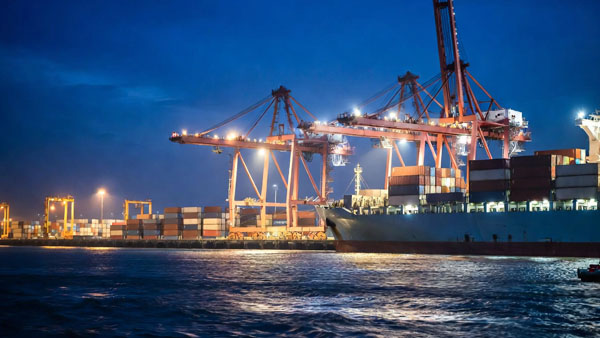
What Are the Key Components of a Compliant General Cargo Sea DDP Solution?
A compliant and effective General Cargo Sea DDP solution comprises four core components: sea freight management, origin customs clearance, destination customs clearance, and tax/duty management. Each component must be executed with precision to ensure smooth transit, avoid delays, and maintain compliance with international trade laws and local regulations.
Sea Freight Management: This involves selecting appropriate shipping carriers, optimizing routing, and overseeing cargo loading, stowage, and unloading. Forwarders should partner with reputable carriers with a proven track record of reliability for general cargo, as delays in sea transit can disrupt the entire DDP timeline. According to Freightos Baltic Index (FBX) 2026 Q1 data, the average transit time for China/East Asia to Northern Europe general cargo shipments is 28 days, with a volatility rate of 0.68%, emphasizing the need for proactive route monitoring and contingency planning.
Origin Customs Clearance: This step requires preparing and submitting accurate documentation—including commercial invoices, packing lists, certificates of origin, and shipping manifests—to the origin country’s customs authorities. A common mistake is submitting incomplete or erroneous documentation, which can lead to customs detention, demurrage, and additional costs. The recommended approach is to implement a standardized pre-check process for all documents, ensuring they align with both origin and destination country requirements.
Destination Customs Clearance: This is often the most complex component of DDP, as it involves navigating the destination country’s customs regulations, which can vary significantly by jurisdiction. Forwarders must collaborate with licensed local customs brokers who possess expertise in the destination’s requirements, including prohibited/restricted goods, duty rates, and documentation standards. According to China Customs 2025 guidelines, DDP shipments require the declarant to clearly indicate “DDP” on the commercial invoice and include detailed tax and duty calculations for full transparency.
Tax and Duty Management: This involves accurately calculating and remitting all applicable taxes, duties, and fees at the destination, including import duty, value-added tax (VAT), and local handling fees. Forwarders should utilize reliable tax calculation software or consult local tax experts to avoid underpayment or overpayment, as both can result in penalties, delays, or client dissatisfaction. According to the World Trade Organization (WTO) 2025 report, average global import duty rates for general cargo range from 4.8% to 14.5%, depending on the product category and country of origin.
How Can Forwarders Optimize General Cargo Sea DDP Costs Without Sacrificing Quality?
Cost optimization is a top priority for forwarders, but it must be balanced with service quality to retain clients. Optimizing General Cargo Sea DDP costs involves strategic planning, vendor management, and data-driven decision-making, while ensuring full compliance with all regulatory requirements.
Leverage Volume Consolidation for Cost Savings
One of the most effective ways to optimize costs is through less than container load (LCL) consolidation. Forwarders that consolidate multiple general cargo shipments to the same destination can negotiate preferential rates with carriers and customs brokers, as larger volumes typically attract discounted pricing. According to Drewry 2026 Q1 data, consolidated general cargo shipments can reduce sea freight costs by 12% to 17% compared to individual LCL shipments. Additionally, consolidation reduces the number of customs entries, minimizing documentation workload and associated administrative fees.
Prioritize Compliance in Cost-Cutting Efforts
Forwarders should note that cost optimization must not compromise compliance. Cutting corners on documentation or partnering with unqualified customs brokers can lead to costly delays, fines, or even legal repercussions. For example, using a non-licensed broker for destination clearance may result in incorrect duty calculations, leading to underpayment and penalties from local customs authorities, which can far exceed any initial cost savings.
Negotiate Long-Term Vendor Contracts: Establishing long-term partnerships with carriers, customs brokers, and local logistics providers can yield preferential rates and improved service terms. Forwarders should evaluate vendors based on reliability, compliance track record, and cost transparency, rather than solely on price.
Optimize Routing and Transit Times: Using data from FBX and UNCTAD to identify the most efficient shipping routes can reduce transit times and associated costs. For example, avoiding congested ports (such as Indonesia’s Tanjung Emas Port, which faced severe congestion in early 2026) or routes affected by geopolitical tensions can minimize delays and additional fees. According to UNCTAD 2026 data, routes impacted by ongoing regional conflicts required detours that increased transit times by 8 to 12 days and added 4% to 7% to overall shipping costs.
Implement Digital Tools for Cost Tracking: Utilizing cloud-based logistics management software to track costs in real time can help forwarders identify inefficiencies and make data-driven adjustments. These tools can automate tax calculations, document management, and vendor invoicing, reducing manual errors and saving operational time.
Offer Tiered DDP Packages: Providing clients with tiered service packages (e.g., standard, expedited, premium) allows them to select the option that best aligns with their budget and timeline. This flexibility can attract a broader range of clients while ensuring forwarders maintain profitability.
What Common Mistakes Do Forwarders Make with General Cargo Sea DDP, and How to Avoid Them?
Despite the benefits of General Cargo Sea DDP, many forwarders make avoidable mistakes that lead to delays, increased costs, and client dissatisfaction. These mistakes often stem from inadequate planning, lack of local market knowledge, or non-compliance with regulatory requirements.
Underestimating Destination Customs Complexity
A common mistake is underestimating the complexity of destination customs clearance. Many forwarders focus heavily on origin logistics and overlook the unique requirements of the destination country, such as specific documentation, prohibited goods, or tax regulations. This can result in customs detention, which not only delays delivery but also incurs additional storage fees and penalties. According to a 2026 survey by The Cooperative Logistics Network, 41% of DDP-related delays are caused by destination customs issues, a 3% increase from 2025.
Forwarders should note that thorough market research and local partnerships are critical to avoiding these mistakes. Collaborating with local customs brokers who possess expertise in the destination country’s regulations can help navigate potential pitfalls and ensure smooth clearance.
Mistake: Inaccurate Tax and Duty Calculations: This often occurs when forwarders rely on outdated tax rates or fail to account for all applicable fees (e.g., VAT, local handling fees, port surcharges). The recommended approach is to use real-time tax calculation tools or consult local tax experts to ensure accuracy. For example, the EU’s VAT rates for general cargo range from 17% to 27% by country, and failing to account for these differences can lead to underpayment or overpayment.
Mistake: Poor Documentation Management: Incomplete or incorrect documentation (e.g., missing certificates of origin, inaccurate commercial invoices, incomplete packing lists) is a leading cause of customs delays. Forwarders should implement a standardized documentation checklist and conduct a pre-check before submitting documents to customs. Additionally, digital documentation systems can reduce manual errors and ensure all required documents are readily accessible for audits.
Mistake: Ignoring Local Regulatory Changes: Many countries update their customs regulations, tax rates, or prohibited goods lists regularly, and forwarders who fail to stay updated risk non-compliance. The recommended approach is to subscribe to regulatory updates from local customs authorities or partner with local experts who can provide timely notifications.
Mistake: Overpromising Delivery Times: Forwarders often overpromise delivery times to secure clients, but this can lead to disappointment if transit delays occur (e.g., due to port congestion or weather disruptions). The recommended approach is to provide realistic delivery estimates based on historical data and current market conditions, and to communicate proactively with clients if delays arise.
How to Ensure Compliance with China’s Advertising Law, Internet Information Service Management Measures, and WeChat Official Account Operation Specifications?
For forwarders operating in China or targeting Chinese clients via WeChat Official Accounts, compliance with three key regulations is essential: China’s Advertising Law, the Internet Information Service Management Measures, and the WeChat Official Account Operation Specifications. Non-compliance can result in account suspension, fines, or legal action.
According to the Internet Information Service Management Measures 2023, all internet-based advertising and information services must be true and legal, and must not spread false or misleading information. This applies to forwarders promoting General Cargo Sea DDP services, as any exaggerated or unsubstantiated claims can be deemed non-compliant. Additionally, China’s Advertising Law prohibits the use of absolute terms (e.g., “best,” “top,” “only”), which forwarders must avoid in all promotional materials.
Avoid Absolute and Misleading Terms: Instead of using absolute terms like “the cheapest DDP service,” forwarders should use fact-based language such as “one of the cost-effective General Cargo Sea DDP solutions available.” All claims should be supported by verifiable data, such as “our DDP services have reduced client costs by an average of 13% based on 2025 client feedback.”
Ensure Transparency in Pricing: Forwarders must clearly disclose all costs associated with General Cargo Sea DDP services, including sea freight, customs fees, taxes, handling fees, and any potential surcharges. Hidden fees are considered misleading and a violation of the WeChat Official Account Operation Specifications, which require full transparency in service pricing.
Do Not Induce Sharing or Followers: The WeChat Official Account Operation Specifications prohibit inducing users to share content or follow accounts through incentives (e.g., “share this article to get a discount”). Forwarders should promote their DDP services through valuable, informative content rather than inducements.
Comply with Data and Privacy Regulations: When collecting client information (e.g., cargo details, contact information), forwarders must comply with China’s data privacy laws and the WeChat Official Account Operation Specifications, which require obtaining user consent and implementing robust data protection measures.
How to Leverage Digitalization to Enhance General Cargo Sea DDP Services?
Digitalization is transforming the international freight industry, and forwarders who leverage digital tools can significantly enhance the efficiency and reliability of their General Cargo Sea DDP services. From real-time tracking to automated documentation, digital solutions help streamline operations, reduce errors, and improve client communication.
The Impact of Digitalization on DDP Efficiency
According to UNCTAD 2026 data, forwarders who adopt digital logistics solutions report a 22% reduction in operational errors and an 18% increase in client satisfaction compared to those relying on traditional manual processes. Digital tools also enable forwarders to manage General Cargo Sea DDP services more efficiently, especially when handling multiple shipments to different destinations.
The recommended approach is to adopt a comprehensive digital logistics platform that integrates sea freight tracking, documentation management, tax calculation, and client communication. This integration allows forwarders to manage the entire DDP process from a single interface, reducing manual work and improving supply chain visibility.
Real-Time Cargo Tracking: Implementing real-time tracking tools (e.g., GPS-enabled containers, carrier-integrated platforms) allows forwarders and clients to monitor the status of general cargo shipments throughout the entire DDP process, from origin to destination. This transparency reduces client inquiries and helps forwarders proactively address potential delays.
Automated Documentation: Digital documentation tools can automate the creation and submission of customs documents, including commercial invoices, packing lists, and certificates of origin. This reduces manual errors, speeds up document processing, and ensures all documents are stored securely for easy access during audits or customs inspections.
AI-Powered Tax Calculation: AI-driven tax calculation tools can accurately compute taxes and duties for different destinations, taking into account local regulations, current tax rates, and product classifications. This reduces the risk of incorrect calculations and ensures compliance with local tax laws.
Client Portal: A dedicated client portal allows clients to access shipment details, track cargo in real time, view invoices, and communicate with forwarders directly. This enhances client experience and reduces the need for manual communication via email or phone.
What Does the Future Hold for General Cargo Sea DDP, and How Can Forwarders Prepare?
The future of General Cargo Sea DDP is shaped by several key trends, including globalization, digitalization, sustainability, and evolving regulatory requirements. Forwarders who stay ahead of these trends can position themselves for long-term success in the competitive international freight market.
Market Growth Projections for General Cargo Sea DDP
According to UNCTAD 2026 projections, global general cargo sea shipping volume is expected to grow by 0.6% in 2026, a slight increase from the 0.5% growth in 2025, as geopolitical tensions ease slightly and trade barriers become more predictable. However, the demand for DDP services is expected to grow by 3.2% in 2026, outpacing overall general cargo shipping growth, as clients increasingly seek end-to-end logistics solutions to simplify international trade.
The Rising Importance of Sustainability in DDP Services
Forwarders should note that sustainability will become an increasingly critical factor in General Cargo Sea DDP services. According to UNCTAD 2026 data, the shipping industry’s greenhouse gas emissions increased by 4.8% in 2025, and there is growing pressure from governments, clients, and stakeholders to reduce carbon footprints. Forwarders who adopt sustainable practices (e.g., partnering with carriers that use alternative fuels, optimizing routes to reduce fuel consumption, offering carbon-neutral shipping options) can attract environmentally conscious clients and comply with future sustainability regulations.
Invest in Digital Transformation: Continuing to invest in digital tools and platforms will be essential to stay competitive. Forwarders should prioritize solutions that enhance supply chain visibility, automate manual processes, and improve client communication.
Build Global Partnerships: Establishing strategic partnerships with local logistics providers, licensed customs brokers, and reliable carriers in key destinations can help forwarders navigate local regulations and provide consistent, reliable DDP services worldwide.
Focus on Compliance and Risk Management: As regulatory requirements become more complex, forwarders must prioritize compliance and implement robust risk management processes to avoid penalties and legal issues. This includes staying updated on local regulations and investing in compliance training for staff.
Embrace Sustainability: Adopting sustainable practices not only helps reduce environmental impact but also attracts clients who prioritize sustainability. Forwarders can start by partnering with carriers that use LNG or hydrogen-based fuels, or by offering carbon offset programs for DDP shipments.
In conclusion, General Cargo Sea DDP is a valuable solution for forwarders looking to enhance their service offerings and meet the evolving needs of global clients. By understanding the key components of DDP, avoiding common mistakes, optimizing costs, complying with regulations, and leveraging digitalization, forwarders can provide reliable, efficient, and compliant tax-inclusive DDP services. As the global freight industry continues to evolve, forwarders who adapt to emerging trends and prioritize client needs will thrive, and General Cargo Sea DDP will remain a cornerstone of their service portfolios.
Last
Mitigating Cross-Border Risks with Proactive Warehouse Management Beyond Domestic Borders
In the complex landscape of global freight forwarding, Overseas Warehouse Logistics serves as a critical tool for mitigating cross
Next
How Precision Planning Defines the Next Generation of Global Project Logistics Services
In the evolving landscape of global logistics, precision planning stands as the cornerstone of modern project logistics, and a wel
