Beyond Standard Cargo: Navigating Oversized Logistics with a Tailored Heavy Equipment Solution for Global Transportation
Freight Solutions
 29-Apr-2026
In the fast-evolving global supply chain, oversized (OOG) heavy equipment—ranging from industrial turbines to construction bulldozers—poses logistical challenges that go far beyond the scope of standard cargo handling. For global freight forwarders seeking to differentiate themselves and deliver consistent, compliant service, a tailored Heavy Equipment Transportation Solution is the cornerstone of success, enabling them to navigate the unique complexities of OOG logistics and exceed client expectations. This article offers a fresh perspective on OOG heavy equipment transport, focusing on actionable strategies, emerging industry trends, and expert insights to help forwarders design robust, future-ready solutions.
What Defines a Truly Tailored Heavy Equipment Transportation Solution for OOG Cargo?
A truly tailored Heavy Equipment Transportation Solution for OOG (Out of Gauge) cargo is more than a logistical plan—it is a dynamic, client-centric strategy that integrates engineering expertise, regulatory compliance, and risk mitigation to address the unique needs of each oversized shipment. Unlike generic solutions that rely on one-size-fits-all processes, it is customized to the cargo’s specific dimensions, weight, fragility, and destination, covering every stage from pre-transport planning to final delivery and post-delivery support. This approach ensures that OOG cargo is transported safely, efficiently, and in full compliance with global regulations, minimizing risks and maximizing client satisfaction.
Why Is Specialization Critical for Freight Forwarders Handling OOG Heavy Equipment?
Specialization is critical for freight forwarders handling OOG heavy equipment because oversized cargo demands expertise that standard logistics operations do not provide. OOG shipments are often high-value, time-sensitive, and subject to strict regulatory scrutiny, and even minor mistakes can lead to costly delays, cargo damage, or legal liability. A specialized Heavy Equipment Transportation Solution equips forwarders with the knowledge, tools, and partnerships needed to overcome these challenges, positioning them as trusted advisors in the competitive OOG logistics market.
How Does OOG Heavy Equipment Transport Differ from Routine Cargo Operations?
OOG heavy equipment transport differs from routine cargo operations in three fundamental ways: operational complexity, regulatory variation, and risk exposure. Unlike standard containers or packages, OOG cargo requires specialized vehicles (e.g., modular trailers, flatbeds), custom packaging, and certified handling personnel. Additionally, regulations for OOG transport vary dramatically by country, with differing weight limits, permit requirements, and routing restrictions. Finally, OOG cargo carries higher risk of damage or accident due to its size, weight, and often fragile components, making proactive risk management essential.
What Are the Hidden Costs of Generic OOG Logistics Solutions?
Generic OOG logistics solutions often hide significant costs that can erode a forwarder’s profitability and damage client relationships. According to Drewry [2026] data, forwarders using generic solutions for OOG transport incur an average of 25% higher costs due to delays, damage, and compliance fines. UNCTAD [2025] further reports that generic solutions increase cargo damage rates by 37% compared to specialized Heavy Equipment Transportation Solutions, with average repair costs for damaged OOG equipment exceeding $150,000 per incident.
Freight forwarders need to note that hidden costs extend beyond direct financial losses. Delayed OOG shipments can disrupt client projects—for example, a delayed construction crane can halt a building project, leading to client penalties and reputational damage.
Additionally, non-compliance with local regulations can result in cargo seizure, fines, and even legal action, further straining client relationships and market credibility. Recommended practice is to invest in a specialized Heavy Equipment Transportation Solution from the outset. While this may require upfront investment in expertise and partnerships, it eliminates hidden costs by reducing delays, damage, and compliance issues, ultimately improving profitability and client retention.
What Emerging Trends Are Shaping OOG Heavy Equipment Transportation Solutions?
The OOG heavy equipment transportation industry is evolving rapidly, driven by technological advancements, regulatory changes, and shifting client expectations. Forwarders who stay ahead of these trends can design more effective Heavy Equipment Transportation Solutions and gain a competitive edge. Below are the key emerging trends shaping the industry in 2025-2026.
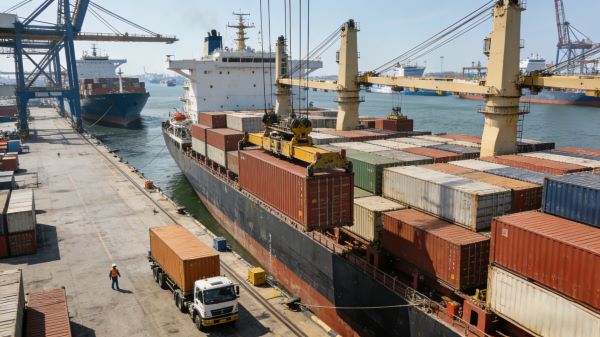
How Is Technology Transforming OOG Heavy Equipment Transport?
Technology is revolutionizing OOG heavy equipment transport, making solutions more efficient, transparent, and secure. From advanced route planning software to real-time monitoring tools, technology is enabling forwarders to mitigate risks and deliver better service to clients.
AI-Powered Route Planning: AI-driven route planning software analyzes real-time data—including road conditions, weather, and regulatory restrictions—to identify the safest and most efficient routes for OOG cargo. According to Freightos Baltic Index (FBX) [2026] data, AI route planning reduces OOG transport delays by 40% and lowers fuel costs by 15%. Freight forwarders need to note that this technology is particularly valuable for cross-border shipments, where regulatory and route complexities are highest.
IoT-Enabled Condition Monitoring: Advanced IoT sensors provide real-time data on the cargo’s condition, including vibration, temperature, humidity, and impact. This allows forwarders to detect potential issues before they cause damage—for example, excessive vibration during transport can be addressed by adjusting the vehicle’s speed or route. Recommended practice is to integrate IoT monitoring into every OOG shipment, especially for fragile equipment like industrial turbines or precision machinery.
Digital Documentation and Compliance: Digital platforms streamline documentation and compliance processes, reducing errors and delays. For example, cloud-based compliance tools automatically update regulatory requirements for different countries, ensuring that forwarders have the latest permits and documentation. According to ITC Trade Map [2025] data, digital documentation reduces compliance-related delays by 35% for OOG shipments.
How Are Regulatory Changes Impacting OOG Heavy Equipment Transportation?
Regulatory changes are a constant challenge for forwarders handling OOG heavy equipment, with many countries updating their rules to address safety and environmental concerns. Staying compliant requires proactive monitoring and adaptation, making regulatory expertise a core component of any Heavy Equipment Transportation Solution.
In 2025-2026, several key regulatory changes are impacting OOG transport: the EU has tightened weight limits for OOG cargo on major highways, China has introduced new emissions standards for specialized transport vehicles, and the U.S. has updated permit requirements for cross-state OOG shipments. According to FIATA [2026] data, 32% of OOG transport delays in 2025 were caused by failure to adapt to new regulations.
Proactive Regulatory Monitoring: Partner with global compliance firms to monitor regulatory changes in key markets. Set up automated alerts for updates that affect OOG transport, such as new weight limits or permit requirements. Freight forwarders need to note that reactive compliance—waiting until a regulation takes effect to adapt—leads to delays and fines.
Customized Compliance Strategies: Develop country-specific compliance strategies, as regulations vary widely. For example, shipping OOG cargo to Brazil requires a National Land Transport Agency (ANTT) permit and compliance with local weight limits, while shipments to the Middle East often require additional security clearances. Recommended practice is to create a compliance playbook for each major market, outlining key requirements and processes.
Collaboration with Regulatory Bodies: Engage with local regulatory bodies to stay informed of upcoming changes and provide input on new rules. This proactive approach can help forwarders anticipate regulatory shifts and adapt their Heavy Equipment Transportation Solutions accordingly.
How Are Client Expectations Evolving for OOG Heavy Equipment Transport?
Client expectations for OOG heavy equipment transport are evolving, with businesses increasingly demanding transparency, speed, and cost predictability. Forwarders who can meet these expectations through a tailored Heavy Equipment Transportation Solution will stand out in the market.
According to a 2026 survey by the Global Freight Association (GFA), 78% of clients prioritize real-time shipment tracking for OOG cargo, and 65% expect fixed-price quotes with no hidden fees. Additionally, clients are increasingly seeking forwarders who can handle end-to-end logistics, including pre-transport assessment, customs clearance, and on-site delivery.
Transparent Communication: Provide clients with real-time updates on shipment status, including location, condition, and any potential delays. Use centralized tracking platforms that allow clients to access information 24/7. Freight forwarders need to note that transparency builds trust—clients are more likely to work with forwarders who keep them informed throughout the transport process.
Fixed-Price Quotes: Offer fixed-price quotes for OOG shipments, eliminating hidden fees and cost surprises. This requires accurate pre-transport assessment and detailed planning, but it aligns with client expectations for cost predictability. Recommended practice is to conduct on-site cargo assessments to ensure quotes are accurate and comprehensive.
End-to-End Logistics Support: Provide end-to-end support, from pre-transport planning and packaging to customs clearance and final delivery. This eliminates the need for clients to work with multiple providers, streamlining the process and reducing stress. For example, a forwarder handling an OOG shipment from Germany to Australia should manage everything from route planning and permit acquisition to on-site unloading and installation support.
How to Build a Future-Ready Heavy Equipment Transportation Solution for OOG Cargo?
Building a future-ready Heavy Equipment Transportation Solution requires a proactive approach that integrates specialization, technology, and partnerships. The following framework helps forwarders design solutions that adapt to emerging trends, meet evolving client expectations, and mitigate risks effectively.
Step 1: Invest in Specialized Expertise and Training
Specialized expertise is the foundation of any effective Heavy Equipment Transportation Solution. Forwarders must invest in training their teams and hiring experts with experience in OOG transport, engineering, and regulatory compliance.
What Expertise Do Forwarders Need for OOG Heavy Equipment Transport?
Engineering Knowledge: Hire or train staff with engineering expertise to assess cargo specifications, design loading and securing plans, and ensure structural integrity during transport. For example, an engineer can calculate the optimal securing points for a 180-ton industrial boiler, reducing the risk of damage. Recommended practice is to partner with structural engineering firms for complex OOG cargo.
Regulatory Expertise: Train staff on global OOG regulations, or hire compliance specialists who are familiar with the latest rules in key markets. This includes understanding permit requirements, weight limits, and documentation standards. Freight forwarders need to note that regulatory expertise is not a one-time investment—staff must receive ongoing training to stay updated on changes.
OOG Handling Experience: Hire personnel with experience in OOG handling, including certified loadmasters and drivers who are trained to operate specialized equipment. According to IAM [2025] data, forwarders with experienced OOG handling teams have a 30% lower cargo damage rate than those with untrained staff.
Step 2: Leverage Technology to Enhance Efficiency and Transparency
Technology is a key enabler of future-ready Heavy Equipment Transportation Solutions. Forwarders should adopt tools that streamline planning, monitoring, and communication, improving efficiency and client satisfaction.
Step 3: Build Strategic Partnerships with Specialized Providers
No forwarder can handle all aspects of OOG heavy equipment transport alone. Building strategic partnerships with specialized providers—including carriers, local agents, engineering firms, and insurance providers—is critical to designing a robust Heavy Equipment Transportation Solution.
Which Partnerships Are Essential for OOG Heavy Equipment Transport?
Specialized OOG Carriers: Partner with carriers that have dedicated OOG transport fleets, including modular trailers, flatbeds, and Ro-Ro vessels. Verify their experience with similar cargo—for example, a carrier that specializes in mining equipment transport is better equipped to handle large excavators than a general carrier. According to Drewry [2026] data, specialized OOG carriers have a 28% lower accident rate than general carriers.
Local Agents and Compliance Experts: Partner with local agents in key destinations who understand regional regulations, routes, and customs procedures. Local agents can assist with permit acquisition, route coordination, and on-the-ground problem-solving. For example, a local agent in Dubai can help navigate the UAE’s strict OOG transport regulations and coordinate with local authorities for road closures or special transport windows.
Engineering and Packaging Specialists: Partner with engineering firms to design loading, securing, and packaging plans for complex OOG cargo. Packaging specialists can create custom solutions to protect fragile components, such as hydraulic systems or electronic controls. Recommended practice is to involve these experts in the pre-transport assessment phase to ensure all safety and handling requirements are met.
Specialized Insurance Providers: Partner with insurance providers that offer OOG-specific coverage, including damage from lifting, transport, and environmental events. Generic cargo insurance often does not cover the unique risks of OOG transport, leaving forwarders vulnerable to financial liability. According to IUMI [2025] data, specialized OOG insurance reduces forwarders’ financial exposure by 68%.
Step 4: Implement Proactive Risk Management
Proactive risk management is essential for a future-ready Heavy Equipment Transportation Solution. Forwarders must identify potential risks early, develop mitigation strategies, and prepare for contingencies to minimize disruptions.
How to Implement Proactive Risk Management for OOG Transport?
Conduct Comprehensive Risk Assessments: Before each OOG shipment, conduct a detailed risk assessment to identify potential threats, including weather, geopolitical issues, equipment failure, and regulatory non-compliance. For example, a shipment to Southeast Asia during monsoon season faces higher weather-related risks, requiring alternative routes or delayed departure. Freight forwarders need to note that risk assessments should be customized for each shipment, as risks vary based on cargo type and destination.
Develop Contingency Plans: Create detailed contingency plans for common risks, such as equipment breakdowns, delays, or cargo damage. The plan should include alternative carriers, routes, and communication protocols to ensure quick action. For example, if a transport vehicle breaks down, the contingency plan should outline how to arrange a replacement vehicle and update the client. According to GFA [2025] data, forwarders with comprehensive contingency plans reduce the impact of disruptions by 40%.
Monitor Risks in Real Time: Use real-time data to monitor risks throughout the transport process. For example, track weather patterns for maritime shipments or geopolitical events for cross-border land transport. If a risk is detected—such as a hurricane approaching a port—take proactive action to adjust the route or delay the shipment. Recommended practice is to assign a dedicated risk manager to oversee OOG shipments and coordinate mitigation efforts.
Step 5: Focus on Continuous Improvement and Client Feedback
A future-ready Heavy Equipment Transportation Solution is not static—it requires continuous improvement based on client feedback, industry trends, and past performance. Forwarders must regularly evaluate their processes and make adjustments to meet evolving needs.
How to Drive Continuous Improvement for OOG Transport Solutions?
Collect and Act on Client Feedback: Regularly solicit feedback from clients on their experience with the Heavy Equipment Transportation Solution. Ask about communication, timeliness, cost, and overall satisfaction. Use this feedback to identify areas for improvement—for example, if clients complain about slow permit processing, invest in digital tools to streamline the process. Freight forwarders need to note that client feedback is a valuable source of insights for enhancing service quality.
Analyze Performance Metrics: Track key performance metrics, such as cargo damage rate, transit time, compliance rate, and client satisfaction. Compare these metrics to industry benchmarks to identify gaps. For example, UNCTAD [2025] reports that the average OOG transport transit time is 14 days—if a forwarder’s average is 18 days, they need to investigate and address the cause (e.g., route inefficiencies, carrier delays).
Stay Updated on Industry Trends: Attend industry conferences, join professional associations, and follow industry publications to stay informed of emerging trends and best practices. For example, the growing focus on sustainability is driving changes in OOG transport, with clients increasingly seeking eco-friendly solutions. Forwarders who adapt to these trends—such as using electric or hybrid transport vehicles—will gain a competitive edge.
What Are the Newest Pitfalls Forwarders Face in OOG Heavy Equipment Transport?
As the OOG heavy equipment transport industry evolves, new pitfalls emerge that can derail even the most well-planned solutions. Below are the newest pitfalls forwarders face in 2026, along with expert strategies to avoid them.
Pitfall 1: Over-Reliance on Technology Without Human Expertise
A common new pitfall is over-reliance on technology—such as AI route planning or IoT monitoring—without human expertise. While technology is a powerful tool, it cannot replace the judgment and experience of trained professionals. For example, AI route planning software may not account for local road closures or temporary regulatory changes, leading to delays.
How to Avoid It: Use technology as a complement to human expertise, not a replacement. Assign trained staff to oversee technology tools, review AI-generated routes, and make adjustments based on real-time conditions. For example, a route planner should verify AI-recommended routes with local agents to ensure they are feasible. Freight forwarders need to note that technology enhances efficiency, but human expertise ensures accuracy and adaptability.
Pitfall 2: Ignoring Sustainability Requirements
Sustainability is becoming a key requirement for clients, but many forwarders are ignoring this trend, leading to lost business. Clients—especially in the construction and industrial sectors—are increasingly seeking OOG transport solutions that minimize carbon emissions and environmental impact.
How to Avoid It: Integrate sustainability into the Heavy Equipment Transportation Solution. This includes using eco-friendly transport vehicles, optimizing routes to reduce fuel consumption, and partnering with carriers that have strong sustainability credentials. According to a 2026 GFA survey, 62% of clients are willing to pay a premium for sustainable OOG transport solutions. Recommended practice is to highlight sustainability efforts in client proposals and marketing materials.
Pitfall 3: Underestimating the Complexity of Cross-Border OOG Transport
With global supply chains becoming more interconnected, cross-border OOG transport is increasing—but many forwarders underestimate its complexity. Cross-border shipments involve multiple regulatory systems, language barriers, and cultural differences, all of which can lead to delays and errors.
How to Avoid It: Partner with local agents in each country along the route to navigate cross-border complexities. Invest in multilingual staff or translation services to ensure clear communication with local authorities and carriers. Additionally, create a cross-border compliance checklist to ensure all permits, documentation, and regulatory requirements are met. Freight forwarders need to note that cross-border OOG transport requires extra planning and expertise—cutting corners can lead to costly mistakes.
Pitfall 4: Failing to Customize Solutions for Unique Cargo Types
Another new pitfall is using a one-size-fits-all approach for different OOG cargo types. For example, transporting a fragile industrial sensor requires a different solution than transporting a heavy construction crane, but many forwarders use the same processes for both, leading to damage or inefficiency.
How to Avoid It: Conduct a detailed pre-transport assessment for each shipment, focusing on the cargo’s unique characteristics—weight, dimensions, fragility, and handling requirements. Customize the Heavy Equipment Transportation Solution to address these characteristics, including packaging, securing, and transport mode. For example, fragile equipment requires additional padding and vibration-dampening materials, while heavy equipment requires specialized lifting and transport vehicles. Recommended practice is to categorize OOG cargo by type and develop standardized processes for each category, with room for customization.
Conclusion: Transform Your OOG Logistics with a Tailored Heavy Equipment Transportation Solution
In the competitive world of global freight forwarding, OOG heavy equipment transport represents both a challenge and an opportunity. Forwarders who invest in a tailored Heavy Equipment Transportation Solution—one that integrates specialization, technology, strategic partnerships, and proactive risk management—can turn these challenges into a competitive advantage. By staying ahead of emerging trends, adapting to regulatory changes, and focusing on client needs, forwarders can deliver safe, efficient, and compliant OOG transport services that exceed expectations. A tailored Heavy Equipment Transportation Solution is not just a logistical plan—it is a strategic investment that drives profitability, builds client trust, and positions forwarders as leaders in the OOG logistics industry. In an era of evolving client expectations and technological innovation, forwarders who prioritize customization and continuous improvement will thrive in the global OOG heavy equipment transport market.
Last
Engineering Safety: How to Design a Robust International Solution for Moving Heavy Equipment and Industrial Transportation
In the global industrial supply chain, the transportation of heavy equipment—including construction machinery, mining equipment, a
Next
Maximizing Volume: How to Build a More Strategic International Solution for Your Full Container Load (FCL) Shipments
In the competitive landscape of international freight forwarding, Full Container Load (FCL) shipping remains a cornerstone of glob
