Overcoming destination port infrastructure congestion when managing heavy industrial freight from europe to south america ocean runs
Freight Area
 5-Jun-2026
Europe to South America Ocean shipping routes serve as critical logistics corridors for cross-border heavy industrial commodities, including engineering machinery, industrial components and manufacturing raw material shipments. In recent years, infrastructure-based congestion at South American destination ports has created recurring operational obstacles for global forwarders handling large-volume industrial ocean freight.
Why heavy industrial freight amplifies port congestion risks in South America
Heavy industrial freight congestion describes terminal bottlenecks and cargo accumulation triggered by oversized dimensions, heavy deadweight tonnage and specialized handling requirements at destination port facilities. These cargo characteristics exacerbate pre-existing infrastructure constraints across South American maritime terminals.
What structural limitations restrict South American port operational efficiency
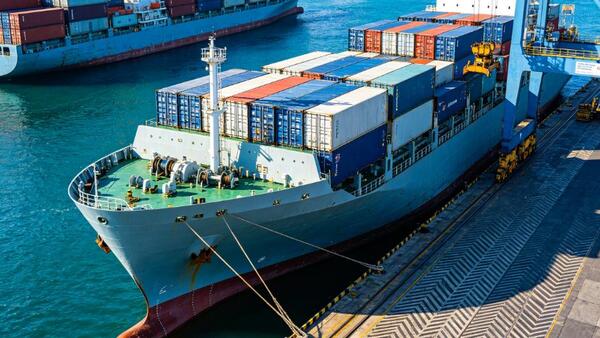
A majority of traditional commercial terminals in South America feature aging berth structures, limited heavy-lift crane capacity and constrained yard storage space. Most legacy port infrastructure is designed for standardized containerized cargo, rather than abnormal and heavy industrial freight imported from European manufacturing hubs.
According to UNCTAD 2024 Maritime Transport Review, major industrial terminals in Brazil and Argentina show lower operational adaptability for heavy-lift cargo compared with Northern European gateway ports. Oversized industrial shipments register longer average terminal dwell time on intercontinental ocean trade lanes connecting Europe and South America.
Forwarders should note that heavy industrial cargo requires dedicated shore-based lifting equipment, skilled long-tonnage stevedores and segregated storage zones. Insufficient terminal supporting resources extend unloading cycles and accumulate cargo backlogs during seasonal freight surges.
How port congestion affects industrial freight supply chain performance
Destination port infrastructure congestion imposes measurable negative impacts on transit timeliness, operational cost control and cargo integrity for industrial freight transported via transoceanic shipping lanes. It disrupts coordinated supply chain planning for cross-border manufacturing enterprises.
What tangible operational challenges do forwarders encounter
Extended vessel berthing waiting windows and slow terminal handling rates prolong overall vessel turnaround cycles. Such delays contribute to incremental demurrage and detention charges, raising comprehensive logistics expenditure for European industrial exports entering South American consumer and industrial markets.
Congested terminal yards also elevate damage risks for high-value heavy industrial equipment. Large mechanical assemblies feature rigid structures with limited auxiliary protection, making them susceptible to surface abrasion and structural deformation during prolonged terminal dwelling.
According to Drewry 2024 port efficiency analytics, industrial freight shipments on Europe to South America Ocean routes incur higher incidental operational costs due to terminal infrastructure limitations, in comparison with conventional containerized cargo movements.
What core mitigation strategies reduce destination port congestion impacts
Professional forwarding teams adopt data-driven pre-emptive planning and targeted scheduling tactics to offset congestion-induced disruptions at South American destination terminals. These structured methods stabilize overall operational efficiency for long-haul industrial ocean freight services.
Which practical measures help mitigate congestion exposure
Conduct pre-shipment terminal capacity assessment: Collect real-time berth occupancy, heavy-lift crane availability and yard utilization data before confirming cargo bookings. Prioritize terminals with verified infrastructure compatibility for oversized and heavy industrial cargo consignments.
Implement staggered vessel scheduling: Avoid concentrated cargo arrivals during seasonal freight peak periods with elevated congestion probability. Deploy dispersed sailing schedules for bulk industrial freight to ease terminal cargo stacking pressure.
Engage local professional agency networks: Collaborate with regional ground agencies familiar with local terminal protocols and resource allocation rules. Local teams coordinate specialized handling equipment and structured unloading sequences to shorten cargo dwelling duration.
Standardize cargo stowage and packaging layouts: Optimize packaging integration and vessel stowage planning for split industrial components. Scientific cargo arrangement improves terminal handling fluency and reduces manual operational complexity at congested terminals.
A common mistake is finalizing industrial freight sailing schedules based solely on ocean freight market rates while neglecting real-time destination port infrastructure status. Unoptimized peak-season booking patterns often result in prolonged cargo detention and unplanned operational expenditures.
How to deploy differentiated routing planning for industrial freight
Differentiated route planning represents one of the commonly adopted approaches to bypass congestion-prone primary terminals and balance cargo flow distribution across South American port clusters. It enhances operational predictability for long-haul industrial freight logistics.
What routing adjustment logic fits heavy industrial cargo
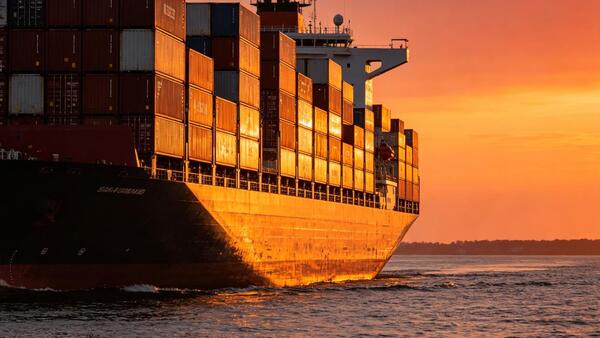
Utilize secondary hub port alternatives: During periods of sustained congestion at core mainstream terminals, reroute partial heavy industrial cargo to regional secondary ports equipped with adequate heavy-lift infrastructure. These alternative terminals usually maintain lower cargo arrival density and spare operational capacity.
Arrange structured intermediate transshipment: Select mid-voyage transshipment hubs with stable handling efficiency for cargo buffering and sorting. Reasonable transshipment layouts disperse centralized cargo inflow pressure at final South American destination ports.
Align route selection with cargo specifications: Allocate ultra-heavy and over-dimensional equipment to dedicated heavy-cargo shipping strings. These specialized service lanes support customized terminal docking arrangements and prioritized handling workflows.
The recommended approach is to build a dynamic terminal performance database covering major South American ports. Forwarders can update congestion indicators and infrastructure resource availability on a monthly basis to support adaptive route optimization decisions.
How to build emergency protocols for unplanned port congestion
Unanticipated terminal equipment malfunctions, workforce schedule adjustments and seasonal cargo volume surges can trigger irregular congestion events. Systematic emergency protocols assist forwarders in minimizing supply chain disruptions for cross-border industrial freight.
What operational protocols sustain cargo circulation stability
Reserve flexible vessel departure windows: Maintain adjustable sailing time slots for time-sensitive industrial project cargo. Pre-set schedule buffers allow proactive departure adjustments when destination terminals encounter sudden congestion outbreaks.
Establish flexible contractual terms: Negotiate cooperative agreements with carrier lines and terminal operators covering congestion-related contingencies. Reasonable clause settings help mitigate demurrage losses arising from non-operational terminal congestion factors.
Maintain real-time remote cargo monitoring: Track terminal operational dynamics and cargo handling progress throughout congestion cycles. Continuous information synchronization supports transparent communication and reasonable risk assessment with cargo owners.
Forwarders should note that industrial freight shipments correspond with lengthy manufacturing cycles and fixed project delivery timetables. Unplanned port congestion may trigger project schedule deviations, making responsive emergency protocols essential for consistent forwarding service quality.
What long-term optimization methods enhance freight stability
Long-term operational optimization focuses on matching forwarding service arrangements with inherent South American port infrastructure capabilities. This adaptive matching mechanism supports sustainable and stable industrial freight operations on intercontinental shipping lanes.
How forwarders maintain sustainable congestion risk mitigation
Forwarders can categorize industrial cargo by gross weight, exterior dimension and handling difficulty, then formulate standardized port-matching operational specifications. Classified shipment planning reduces mismatches between special cargo characteristics and terminal handling capabilities.
Sustained cooperative partnerships with South American terminal operators enable forwarding enterprises to access stable specialized handling resources during high-demand periods. Strategic local partnerships improve operational resilience against periodic port congestion.
According to WTO 2024 global trade logistics statistics, standardized port-cargo matching mechanisms and long-term terminal cooperation help lower delay frequencies for cross-border industrial shipments, strengthening overall manufacturing trade supply chain resilience.
Overall, proactive congestion prevention strategies, flexible routing adjustments and complete emergency response frameworks support reliable heavy industrial freight management. Structured operational tactics assist forwarders in circumventing terminal infrastructure bottlenecks and delivering stable logistics solutions for Europe to South America Ocean industrial trade movements.
Last
Strategic carrier allocation planning for consumer apparel items leaving production hubs in southeast asia heading to europe trade lanes
What makes apparel freight unique within Southeast Asia to Europe Trade logistics?Apparel container cargo features high inventory
Next
Sourcing flexible ad hoc air charter capacity for emergency automotive components shipped from china to australia using air freight
China to Australia Air Freight delivers reliable logistical support for cross-border automotive component supply chains, particula
